Embarking on a night hike during a camping trip offers a unique opportunity to experience the wilderness in a different light. With the right preparation and knowledge, it becomes an exciting adventure that enhances your outdoor experience while ensuring safety remains a priority. Understanding essential skills and safety measures can turn nighttime exploration into a rewarding activity.
This guide covers the key aspects of night hiking, including necessary gear, effective lighting techniques, navigation methods, safety protocols, and environmental considerations. By mastering these elements, hikers can confidently navigate the darkness and enjoy the tranquility of nocturnal nature while minimizing risks.
Preparing for Night Hiking During Camping
Embarking on a night hike during a camping trip requires thorough preparation to ensure safety and enjoyment. Proper planning and the right gear are essential to navigate trails securely after sunset, allowing adventurers to explore the wilderness under the stars while minimizing risks. This involves selecting suitable equipment, planning an appropriate route, and establishing safety protocols that address potential emergencies effectively.
Careful organization of these elements can greatly enhance the night hiking experience, making it both safe and memorable. The following sections detail the necessary gear, route planning strategies, safety checks, emergency procedures, and a comparative overview of essential navigation tools to support night hikers in outdoor settings.
Essential Gear and Equipment for Safe Night Hiking
Equipping oneself with the correct gear is fundamental to ensuring visibility, communication, and safety during night hikes. The following items are crucial:
- Headlamps and Flashlights: Bright, reliable sources of illumination that enable hands-free navigation and detailed trail inspection.
- Extra Batteries and Power Banks: Backup power sources to prevent equipment failures during extended hikes.
- Reflective Clothing and Gear: Items with reflective elements increase visibility to others, especially in low-light conditions.
- Navigation Tools: Compasses, GPS devices, or smartphone apps designed for outdoor navigation to prevent getting lost.
- First Aid Kit: A compact kit equipped to handle common injuries or emergencies that could occur outdoors.
- Whistle and Signaling Devices: For attracting attention in case of distress or to alert others to your location.
- Warm Clothing and Layers: To maintain body temperature during colder night conditions, especially in higher altitudes or seasons.
- Maps and Trail Guides: Physical or digital maps to assist with route planning and navigation.
Planning a Suitable Night Hiking Route
Effective route planning is vital to avoid hazards and ensure a smooth experience during night hiking. Key considerations include trail selection, mapping, and environmental factors:
- Trail Selection: Choose well-marked, familiar, or previously explored trails with minimal technical difficulty. Avoid paths with steep climbs, loose terrain, or dense vegetation that could be hazardous after dark.
- Mapping and Trail Research: Utilize topographical maps, GPS waypoints, and trail reviews to understand the terrain and identify potential challenge points. Mark rest spots and emergency exits clearly.
- Altitude and Weather Conditions: Consider elevation changes and weather forecasts to anticipate cold temperatures, wind, or precipitation that could impact safety.
- Time Management: Plan the hike to ensure arrival before darkness deepens, allowing ample time for safe return. Include buffer periods for unforeseen delays.
Safety Checks and Emergency Preparedness Procedures
Establishing a comprehensive safety and emergency plan reduces risks and prepares hikers to respond effectively to unexpected situations. The following checklist provides a structured approach:
- Pre-Hike Communication: Share your route, expected return time, and contact information with a trusted person or park authorities.
- Equipment Inspection: Verify that all gear, especially lighting and navigation tools, are functional and have fresh batteries.
- Weather Monitoring: Check forecast updates regularly before and during the hike to adapt plans if necessary.
- Emergency Kit Readiness: Ensure first aid supplies and signaling devices are accessible and complete.
- Route Familiarity: Review maps and trail markers, and plan alternative routes in case of trail closure or hazards.
- Buddy System: Hike with at least one companion to provide mutual assistance and support.
- Emergency Procedures: Agree on signals for help, establish a rendezvous point, and know how to use navigation aids effectively.
Key Safety Formula: Stay visible, stay connected, and stay informed. Always prepare for the unexpected by having plans, equipment, and knowledge aligned for safe night hiking.
Navigation Tools Comparison Table
Choosing the right navigation tools is fundamental to maintaining orientation and safety during night hikes. Here is a comparison of different types of headlamps, flashlights, and navigation devices:
| Device Type | Features | Pros | Cons | Best Use Case |
|---|---|---|---|---|
| Headlamp | Hands-free lighting, adjustable brightness, rechargeable or battery-powered | Convenient, focused illumination, easy to wear | Battery life limited, can be uncomfortable if poorly fitted | Night hiking, trail navigation, setting up campsite |
| Handheld Flashlight | High lumen output, often with multiple modes, powered by batteries | Powerful beam, versatile in use | Requires one hand, less convenient for walking | Emergency signaling, spotlighting distant objects |
| GPS Device | Satellite navigation, topographical maps, waypoint marking | Accurate positioning, reliable in remote areas | Expensive, depends on batteries | Precise route tracking, avoiding getting lost |
| Smartphone with Navigation App | GPS-enabled, mapping apps, easy to use | Accessible, multi-functionality, user-friendly | Battery drain, signal dependence, less reliable in dense forest | Supplementary navigation, quick reference |
Lighting and Visibility Techniques
Night hiking during camping offers a unique experience, but it also requires careful attention to lighting and visibility to ensure safety and ease of navigation. Proper illumination not only helps you see the trail clearly but also makes you visible to others, reducing the risk of accidents or miscommunication. Mastering effective lighting strategies can significantly enhance your nighttime camping adventure, allowing you to enjoy the serenity of the night while maintaining safety and awareness.Effective use of artificial light sources is essential for illuminating the trail and surrounding environment.
Selecting the right gear and understanding visibility markings are equally important, especially in low-light conditions. Additionally, making yourself visible through clothing and signals fosters safer interactions with fellow hikers and campers. Implementing these techniques ensures a confident and enjoyable night hiking experience.
Methods for Using Artificial Light Sources
The foundation of night hiking safety rests on using artificial lighting effectively. Proper techniques involve selecting appropriate light sources, managing their placement, and adjusting their settings to optimize visibility without draining batteries quickly. Headlamps, flashlights, and lanterns are common tools, each with specific advantages depending on the situation.Headlamps are preferred for their hands-free operation and focused beam, allowing you to navigate uneven terrain with ease.
When choosing a headlamp, opt for models with adjustable brightness levels and long battery life. Brightness settings should be tailored to your activity—use high beam for navigating difficult sections and lower levels for general walking to conserve power. Ensure batteries are fully charged before setting out, and carry spare batteries or a portable charger for extended trips.Flashlights are versatile and can be used to illuminate specific areas or serve as backup lighting.
Carrying a compact, high-lumen flashlight is advisable for quick illumination needs. Lanterns provide broader light coverage and are ideal for campsite illumination or group activities. To extend battery life, select energy-efficient LED models and turn off lights when not in use.Managing your light sources thoughtfully involves positioning them to avoid blinding others and to prevent shadows that could obscure obstacles.
Use red or green filters when possible to reduce glare and preserve night vision. Consider attaching lights to your hat or backpack for hands-free operation and better coverage.
Choosing the Right Lighting Gear
Selecting suitable lighting gear depends on factors like terrain, weather conditions, duration of hike, and personal preferences. Prioritize durability, water resistance, and battery longevity to ensure reliable performance during your night hike.When evaluating headlamps and flashlights, examine their lumen output—measured in lumens—as an indicator of brightness. For trail navigation, a headlamp with around 200-300 lumens is typically sufficient; for more challenging terrains or dense forested areas, consider a higher lumen model.
Battery type also matters; rechargeable batteries are eco-friendly and cost-effective but ensure compatibility with your device. Some models feature battery indicator lights, allowing you to monitor power levels proactively.In addition to the light source, incorporate auxiliary lighting such as clip-on beams or lanterns for campsite activities after dark. Compact, lightweight, and high-capacity batteries are ideal for backpacking. Water-resistant and shockproof designs are recommended, especially for unpredictable weather conditions.
Reflective Gear and Trail Markings for Night Navigation
Trail markers and reflective gear play crucial roles in nighttime navigation, providing visual cues that help you stay on the correct path. Reflective markings are typically placed along trail edges, signposts, or on trees, allowing your light to bounce back when illuminated, guiding you safely through unfamiliar or challenging terrain.To maximize visibility, utilize reflective tape or spray on trail markers, and consider carrying reflective flags or markers if the trail lacks adequate signage.
Be mindful of environmental impact and prefer eco-friendly options that do not harm natural surroundings. When approaching a trail intersection or hazard, reflective signs increase awareness and reduce confusion.Designing a layout that incorporates reflective elements involves placing them at key decision points—such as trail junctions, water crossings, or steep descents—and along the trail corridor at regular intervals. This systematic placement enables you to maintain orientation and recognize landmarks even in darkness, minimizing the risk of getting lost.
Reflective gear is most effective when combined with a powerful, focused beam from your headlamp, creating a dual system of illumination and reflection that enhances safety and confidence on nighttime trails.
Making Yourself Visible to Others
Visibility to other hikers and campers is vital, especially in remote or densely wooded areas. Bright clothing and accessories help others spot you easily, reducing the risk of accidents or missed communications. Incorporating high-visibility elements into your night hiking gear ensures that your presence is easily detected from a distance.Wear clothing made from fluorescent or luminous materials, particularly on the upper body, backpack, or hat.
Reflective strips or patches sewn onto jackets, pants, or vests further enhance visibility during flashlight illumination. Opt for bright colors such as neon yellow, orange, or lime green, which are naturally more conspicuous in low-light conditions.Signaling techniques are also crucial for communicating your location or intentions to others. Use a whistle, mirror, or flashlight signals—such as flashing your light in specific patterns—to attract attention or convey messages.
For example, a series of quick flashes can indicate distress or the need for assistance, while steady illumination can simply help others locate you in the dark.In crowded camping areas or popular trail routes, maintaining visibility by using bright clothing and signals fosters better group coordination and ensures everyone’s safety during night activities.
Navigating in the Dark
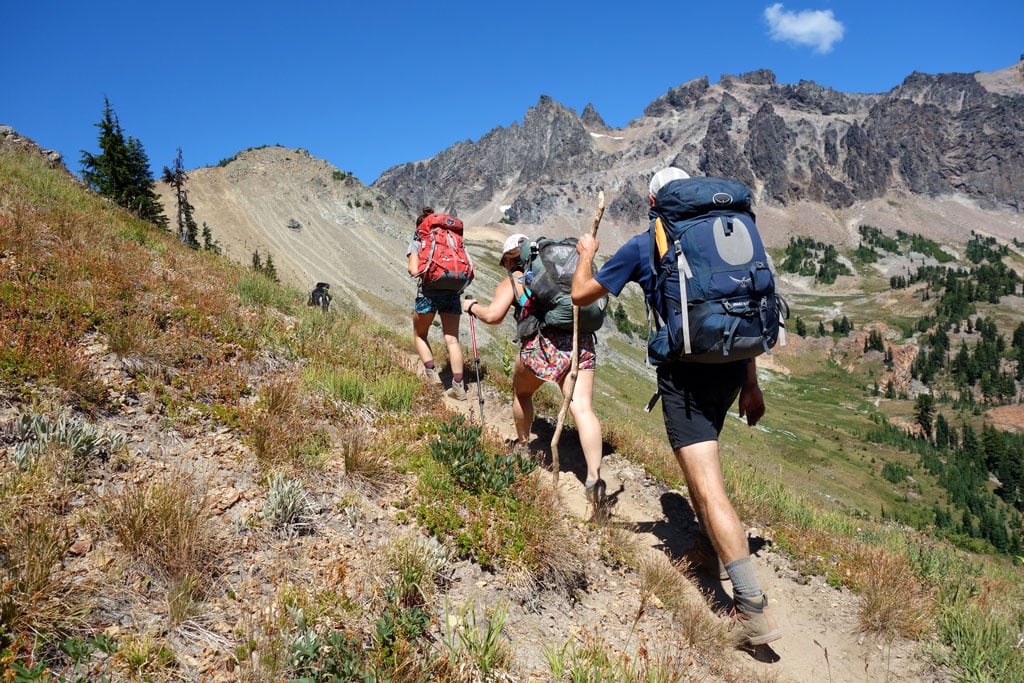
Navigating during nighttime hiking while camping is a critical skill that ensures safety and direction, especially when natural light is unavailable. Mastering the use of navigation tools, recognizing natural cues, and troubleshooting errors can significantly enhance the outdoor experience and prevent getting lost in unfamiliar terrain. As darkness challenges visual cues, a systematic approach to navigation becomes indispensable for responsible and enjoyable night hikes.Proper navigation in the dark involves a combination of technological tools, traditional methods, and keen observation of your surroundings.
Understanding how to interpret trail markers and natural landmarks at night, along with a clear set of troubleshooting procedures, helps maintain your course even when visibility is limited. Developing these skills ensures a safer, more confident journey through nocturnal wilderness.
Using Navigation Tools and Natural Cues to Maintain Course
Effective night navigation integrates the use of compasses, GPS devices, and natural cues. Each method offers unique advantages, and combining them provides a robust navigation strategy.
- Compasses: A reliable compass is essential for directional orientation in low-light conditions. To use a compass, hold it flat and steady at eye level, align the magnetic needle with the compass’s orienting arrow, and set your bearing using a map or known landmark. Regularly check your compass heading to ensure you remain on course, especially when trail markers are obscured or absent.
- GPS Devices: Modern GPS units offer precise location data and route tracking. Before heading out, calibrate your device and download offline maps of the area. During the hike, periodically check your position, follow waypoints, and confirm that your path aligns with planned routes. Keep in mind that dense tree cover or steep terrain can interfere with satellite signals, so use GPS as an aid rather than sole navigation source.
- Natural Cues: Recognizing natural features such as the position of the stars, contours of the terrain, or perennial landmarks like large trees or rock formations can aid navigation. For example, the North Star (Polaris) in the Northern Hemisphere indicates true north, and the Milky Way can guide you in the right direction when visible. Observe wind patterns, water flow, or animal trails that may lead toward known landmarks or campsite locations.
Interpreting Trail Markers and Natural Landmarks at Night
Trail markers and natural landmarks serve as vital references in nighttime navigation, especially when lighting conditions obscure visual cues. Proper interpretation of these features can prevent disorientation and ensure adherence to your planned route.
Trail markers such as painted blazes, cairns, or reflective signs are often used in well-maintained hiking areas. In the dark, look for reflective surfaces or illuminated markers that can be identified with a headlamp beam. Consistently noting their placement and pattern helps confirm your route and reduces the risk of veering off course.
Natural landmarks like distinctive trees, large rock formations, or water bodies are invaluable for nighttime navigation. For example, a uniquely shaped tree or a known bend in a river can serve as confirmation points. When relying on natural cues, it is essential to have pre-identified these features during daylight or prior planning to recognize them easily at night.
Procedures for Troubleshooting Navigation Errors During Night Hikes
Even with preparation, navigation errors may occur. Having a step-by-step troubleshooting procedure enhances safety and helps regain the correct course efficiently.
- Stop and Assess: Immediately halt movement upon realizing a navigation inconsistency. Confirm your current position by checking your compass, GPS, or natural landmarks.
- Recheck Your Equipment: Ensure all devices are functioning correctly—replace batteries if necessary, and verify GPS signal strength and compass calibration.
- Cross-Verify with Multiple Methods: Use a combination of compass, GPS, and natural cues to triangulate your position. If discrepancies arise, prioritize the most reliable methods based on current conditions.
- Consult Your Maps and Waypoints: Refer to your preloaded maps, waypoints, and trail descriptions to identify potential deviations.
- Backtrack or Follow Known Features: If uncertain, retrace your steps to the last confirmed landmark or trail marker. Alternatively, follow prominent natural features back to a known location.
- Communicate and Signal: If hiking with others, communicate your position and plan. Use whistle signals, flashlight flashes, or reflective markers to alert companions and facilitate assistance if needed.
Advantages and Limitations of Navigation Methods
| Navigation Method | Advantages | Limitations |
|---|---|---|
| Compass |
|
|
| GPS Device |
|
|
| Natural Landmarks and Cues |
|
|
Safety Measures and Risk Management
Night hiking during camping trips introduces unique safety considerations that require meticulous planning and awareness. Ensuring safety while navigating the darkness involves implementing effective protocols to prevent encounters with wildlife, avoid hazardous terrain, and respond appropriately to emergencies. Proper risk management not only enhances the safety of all participants but also promotes a more enjoyable and confidence-inspiring experience under the stars.
Being proactive in safety management allows hikers to respond swiftly to potential dangers, communicate effectively within the group, and recognize signs of fatigue or stress that could impair judgment. This segment emphasizes essential safety practices, communication techniques, and the critical safety gear necessary for a secure night hiking adventure.
Wildlife Encounters and Hazardous Terrain Avoidance
Nighttime environments often increase the unpredictability of wildlife activity and terrain hazards. Implementing preventive measures reduces the risk of dangerous encounters and accidents. It is vital to familiarize oneself with local wildlife behaviors and habitats prior to the hike. Making noise periodically can alert animals to human presence, minimizing surprise encounters, especially with nocturnal species like bears or mountain lions.
Staying on established trails and avoiding dense brush or undergrowth decreases the chance of tripping over unseen obstacles or stepping into hazardous areas. Using topographical maps and GPS devices helps identify known risky zones, such as unstable ground, steep descents, or water crossings that may be more treacherous at night.
Remember, most wildlife prefers to avoid humans, so loud talking or singing can be an effective deterrent. Always respect local animal habitats and maintain a safe distance if an encounter occurs.
Effective Communication with Team Members
Communication in low-light conditions is essential to maintaining group cohesion and safety. Utilizing audible signals, such as calling out or using whistles, helps keep the team informed of movements or emergencies. Establishing clear communication protocols before the hike ensures everyone understands and consistently uses designated signals or radios.
Carrying lightweight, waterproof communication devices, like two-way radios or headsets, enhances connectivity between team members, especially over larger distances or in areas with potential signal interference. Visual signals such as flashlights or glow sticks can be used to locate team members during breaks or in case of separation, provided they are used discreetly to avoid attracting wildlife.
Monitoring Fatigue and Stress Symptoms
Night hiking demands high physical and mental focus, which can lead to fatigue and stress if not properly monitored. Recognizing early signs helps prevent accidents caused by reduced alertness or impaired decision-making. Symptoms include yawning, slowed reaction times, clumsiness, irritability, or difficulty concentrating.
Regular rest breaks, proper hydration, and nutrition are essential to maintain energy levels. Group members should periodically check in with each other, fostering open communication about their physical and mental states. If symptoms of fatigue or stress become evident, it is prudent to rest or consider ending the hike for safety reasons.
Essential Safety Items to Carry
Equipping oneself with the right safety gear is fundamental for managing risks during night hikes. The following list highlights critical items that can make a significant difference in emergency situations:
- First aid kit with bandages, antiseptics, pain relievers, and personal medications
- Headlamps and backup flashlights with extra batteries
- Multi-tool or knife for repairs or emergency needs
- Whistle for signaling and attracting attention
- Personal communication devices such as two-way radios or mobile phones with portable chargers
- Navigation tools including a compass and detailed maps
- Emergency shelter or bivvy bag in case of unexpected overnight stay
- Fire-starting supplies (matches, lighter, firesteel) for warmth or signaling
- Reflective tape or clothing for visibility in darkness
- Extra food and water supplies for extended situations or delays
Having these safety essentials readily accessible ensures that hikers are prepared for common emergencies, can respond promptly to unforeseen circumstances, and maintain safety throughout their night adventure.
Techniques for Moving Silently and Efficiently
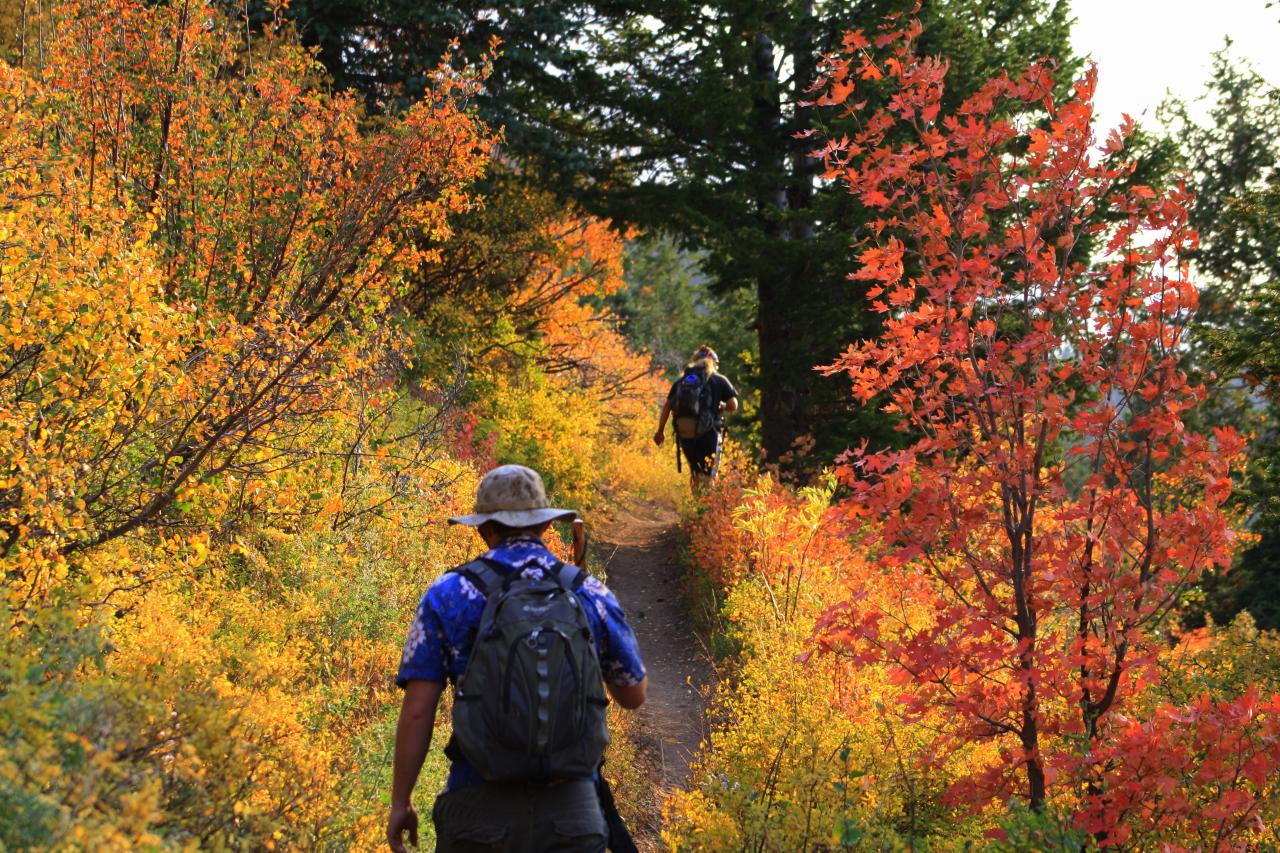
Navigating at night while camping presents unique challenges, particularly when it comes to moving quietly to avoid disturbing wildlife or fellow campers. Mastering silent and efficient movement enhances safety, maintains the tranquility of the environment, and allows for discreet exploration of your surroundings. Developing these skills requires conscious effort, practice, and understanding of terrain dynamics.Effective night hiking involves minimizing noise, conserving energy, and maintaining balance in low-light conditions.
By honing specific techniques, hikers can traverse various terrains smoothly and silently, ensuring a safer and more enjoyable experience.
Training Exercises to Improve Stealth and Reduce Noise
Practicing deliberate movement in controlled environments can significantly improve stealth during night hikes. Focused exercises develop muscle memory and awareness, which are critical when visibility is limited.
Silent Foot Placement Drills
Practice placing each foot carefully on different surfaces such as gravel, leaves, or rocky paths. Focus on minimizing impact sounds by rolling the foot smoothly from heel to toe, avoiding sudden drops or thuds.
Walking on Different Terrains
Engage in slow, deliberate walking on various ground types—sand, grass, or uneven rocky paths—to adapt to diverse conditions encountered during night hikes.
Controlled Breathing Exercises
Maintaining steady, controlled breathing reduces unnecessary movement and noise, especially when moving in groups or near wildlife.
Shadow and Shadowless Movement
Train to move without creating shadows by adjusting your posture and pace, reducing visibility and audibility in faint light conditions.
Managing Terrain and Obstacles with Minimal Disturbance
Navigating different terrains and obstacles silently requires awareness and adaptability. Careful planning and technique application help reduce environmental impact and maintain stealth.
Observe and Plan
Scan the terrain ahead before stepping, identifying obstacles like rocks, roots, or loose debris. Plan your route to avoid sudden, loud disturbances.
Use Your Feet Properly
Lower your center of gravity and take deliberate, cautious steps. When crossing uneven ground, place your foot flat and secure each step before proceeding.
Avoid Sudden Movements
Move slowly and smoothly over obstacles. For instance, when crossing a fallen log, step carefully on the center to distribute weight evenly, avoiding slips and noise.
Control Your Breathing and Body Movements
Keep your body relaxed, and coordinate your steps with your breath to maintain balance and reduce jerky movements.
Conserving Energy and Maintaining Balance in Low-Light Conditions
Efficient movement is crucial to prolong your stamina during night hikes. Proper technique minimizes fatigue and reduces the risk of accidents.
Adopt an Efficient Posture
Maintain a slightly forward-leaning stance with bent knees to absorb shocks and maintain stability.
Use Short, Controlled Steps
Shorter steps help keep your center of gravity aligned and improve balance; avoid overextending your stride.
Conserve Energy with Pacing
Walk at a steady, moderate pace rather than rushing, to prevent exhaustion and maintain focus.
Engage Core Muscles
Strengthening your core enhances stability and control, especially when navigating uneven terrain or balancing on narrow paths.
Comparison Table of Footwear Options for Night Hiking on Various Surfaces
Choosing appropriate footwear is essential for silent, safe, and effective night hiking. The right shoes vary depending on terrain and environmental conditions.
| Footwear Type | Suitable Surfaces | Advantages | Disadvantages |
|---|---|---|---|
| Lightweight Trail Shoes | Gravel, dirt trails, grassy paths | Good grip, quick-drying, lightweight for easy maneuverability | Less ankle support, minimal protection on rugged terrain |
| Hiking Sandals | Beach, marshy areas, flat terrain | Excellent ventilation, lightweight, quick to dry | Limited protection, poor grip on uneven or rocky surfaces |
| Trail Runners | Mixed terrains, rocky paths, moderate inclines | Flexible, cushioned, good grip, lightweight | Less durable on rough terrain, minimal ankle support |
| Sturdy Hiking Boots | Rugged, rocky, uneven terrains, steep inclines | Maximum support, protection, durability | Heavier, may generate more noise when walking |
| Approach Shoes | Mixed terrains, technical routes, moderate inclines | Good grip, precise fit, light weight | Less ankle support than hiking boots, limited protection on rough terrain |
Effective night hiking footwear combines appropriate grip, support, and noise reduction tailored to specific terrain conditions. Selecting the right shoes based on trail type can significantly enhance safety and efficiency during nocturnal exploration.
Environmental and Ethical Considerations

Engaging in night hiking and camping offers a unique opportunity to connect deeply with nature, but it also requires a conscientious approach to minimize our impact on the environment. Respecting the delicate nocturnal ecosystems and adhering to ethical guidelines ensures that these pristine landscapes remain unspoiled for future generations. Practicing responsible behaviors not only preserves the natural beauty but also supports wildlife health and maintains the integrity of the habitats we explore after dark.Protecting nocturnal environments is vital because many species rely on specific conditions to thrive, and human activity can easily disturb or harm these fragile ecosystems.
Responsible outdoor practices help prevent habitat degradation, reduce noise pollution, and avoid disturbing wildlife during their most active hours. By understanding and respecting the environment, outdoor enthusiasts contribute to the conservation efforts that safeguard the biodiversity and ecological balance of nighttime habitats.
Minimizing Impact on Natural Surroundings
When engaging in night camping and hiking, it is essential to adhere to low-impact practices that preserve the landscape and its inhabitants. Minimizing impact involves selecting established trails and campsites to reduce vegetation trampling and soil erosion. Staying on designated paths ensures that sensitive areas remain undisturbed and aids in the preservation of native plant life. Campers should also avoid carving into trees, disturbing rocks, or removing natural features, which can disrupt local ecosystems.Adopting the Leave No Trace principles is fundamental to responsible outdoor recreation.
These guidelines emphasize minimizing campfire impacts, disposing of waste properly, respecting wildlife, and being considerate of other visitors. Using durable surfaces for cooking and sleeping, packing out all waste—including food scraps, biodegradable items, and human waste—and avoiding the introduction of non-native species are critical actions to maintain ecological health.
Respecting Wildlife and Local Regulations in Nocturnal Environments
Wildlife encounters during night hiking can be both fascinating and delicate. Respect for animals and their habitats is paramount to prevent stress and behavioral disruptions. Observing animals from a distance without attempting to feed, touch, or disturb them is a core ethical practice. Nocturnal creatures, such as owls, bats, and small mammals, are often sensitive to human presence, which can lead to shifts in their natural behaviors or displacement from critical habitats.Furthermore, adhering to local regulations and guidelines is essential for conservation and safety.
These rules typically include restrictions on campsite placement, fire use, and noise levels, especially during nighttime hours when disturbances can have amplified effects. Compliance with permits, park regulations, and environmental protection orders helps sustain the ecological balance and ensures that all visitors contribute positively to the conservation efforts.
Leaving No Trace and Packing Out Waste Effectively
Effective waste management is fundamental to preserving the pristine condition of outdoor environments. Night hikers and campers must plan ahead to carry out all trash, leftover food, and hygiene waste. Using biodegradable products when possible reduces long-term environmental impact. Pack it in, pack it out remains a simple but powerful mantra: nothing should be left behind that was not originally part of the landscape.Proper waste disposal involves sorting recyclable materials and disposing of human waste appropriately.
In many cases, this entails digging a cathole at least 200 feet from water sources, campsites, and trails, in accordance with Leave No Trace guidelines. Sanitary waste, including used hygiene products, should be sealed in waterproof bags and packed out. This practice helps prevent pollution, protects wildlife from ingesting harmful materials, and sustains the natural beauty of the area.
Preserving Nocturnal Ecosystems
Nocturnal ecosystems play a crucial role in maintaining biodiversity and ecological health. The creatures active during night hours, from insects to larger mammals, contribute to pollination, seed dispersal, and pest control. These ecosystems are finely balanced and adapted to darkness, relying on their specific conditions to survive and thrive.The importance of preserving these ecosystems cannot be overstated, as human activity—such as light pollution, noise, and habitat disturbance—poses significant threats.
Bright lights can disorient nocturnal animals, leading to increased predation risks or interference with breeding behaviors. Light pollution also diminishes our ability to observe and appreciate the natural rhythms of wildlife, diminishing the educational and aesthetic value of night wilderness experiences. Supporting conservation efforts, reducing artificial light, and respecting wildlife during night excursions are essential steps toward safeguarding the integrity of nocturnal habitats for generations to come.
Closing Notes

In conclusion, night hiking while camping offers an enriching experience that combines adventure with mindfulness of safety and environmental impact. Proper planning, appropriate gear, and respect for nature are vital to making your nocturnal trek memorable and responsible. Embrace the night with confidence and curiosity, and let your journey into the darkness become one of your most cherished outdoor memories.