Learning how to pack food for camping is essential for ensuring a safe, enjoyable, and hassle-free outdoor experience. Proper food packaging not only preserves freshness but also prevents spoilage and pest intrusion, making your trip more comfortable and worry-free.
This guide covers key principles of food packing, including selecting suitable containers, organizing perishable and non-perishable items, planning balanced meals, maintaining food safety, and accommodating dietary needs and emergency supplies. By following these strategies, you can optimize space, ensure food safety, and enjoy delicious meals amidst nature.
Essential Principles of Food Packing for Camping
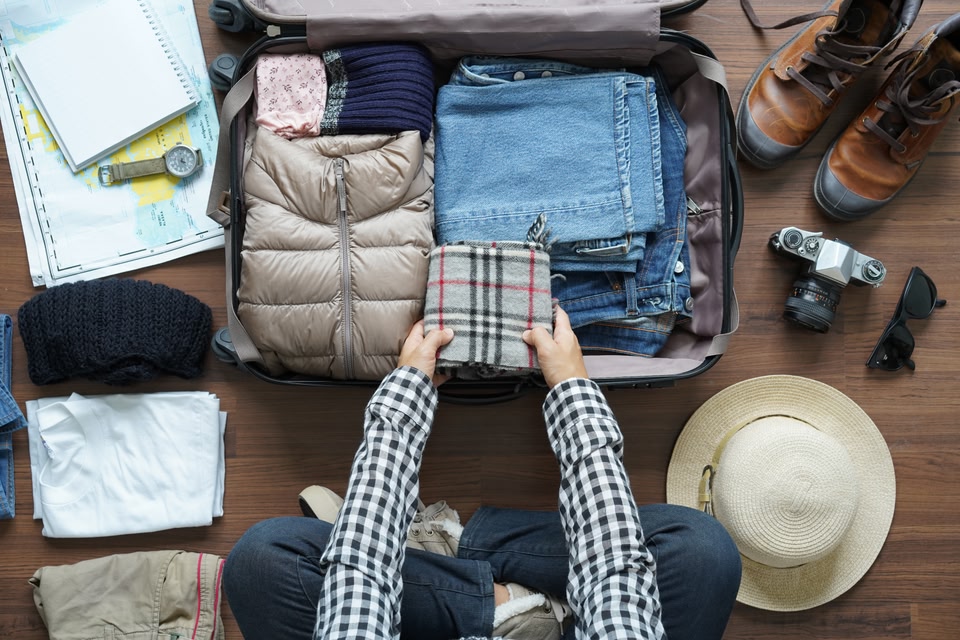
Proper food packing is fundamental to ensure safety, freshness, and convenience during your outdoor adventure. Efficient packing not only prevents spoilage but also deters pests, maintaining the quality of your food throughout the trip. Adhering to essential principles can significantly enhance your camping experience by reducing waste, avoiding health risks, and making meal preparations more manageable.Effective food packing begins with understanding the importance of safeguarding perishable items from spoilage caused by temperature fluctuations and moisture.
Proper organization helps streamline meal access, minimizes cross-contamination, and optimizes space in your storage containers or coolers. Additionally, controlling temperature through insulation and appropriate containers is vital to preserving the freshness and safety of your food, especially when refrigeration is limited or unavailable.
Organizing Food Based on Meal Type and Storage Needs
Organizing your food according to meal types and storage requirements simplifies meal prep and ensures quick access to ingredients. Group perishable items such as dairy, meat, and cooked dishes separately from non-perishable foods like grains, nuts, and dried fruits. This separation minimizes the risk of cross-contamination and spoilage.Start by categorizing foods into sections based on meal plans—breakfast, lunch, dinner, and snacks.
Use clear, labeled containers or zip-lock bags to distinguish each category. For refrigerated or cool storage, prioritize items that require constant cold temperatures, such as dairy products and fresh meat, placing them at the coldest part of your cooler. For dry storage, utilize airtight containers that protect against moisture and pests, keeping items like cereals, pasta, and canned goods organized and accessible.
Temperature Control and Insulation Techniques
Maintaining appropriate temperatures is crucial for preserving food safety during camping. Without reliable refrigeration, insulating your food containers helps retain coolness and inhibits bacterial growth. The effectiveness of insulation depends on the choice of containers and the packing method.Use high-quality coolers with thick walls and insulated linings to prolong cold retention. Pre-chilling your cooler and freezing some ice packs before packing can significantly extend the coolness of your food.
Pack perishable items at the bottom, where the coldest temperature is maintained, and layer ice packs on top to create a cooling barrier. For longer trips, consider using dry ice cautiously, following safety instructions, to keep perishables frozen for extended periods.
Temperature control is the cornerstone of safe food storage outdoors—aim to keep perishable foods below 4°C (39°F) to prevent bacterial growth and ensure food safety.
Food Packing Essentials Checklist
To facilitate effective food storage during camping, assembling a comprehensive set of packing essentials is invaluable. These items help maintain food safety, organization, and freshness throughout your trip.
- Insulated cooler with secure lid
- Airtight containers and resealable zip-lock bags
- Reusable ice packs or dry ice (with safety precautions)
- Thermometer to monitor temperature inside coolers
- Labels and permanent marker for organization
- Food-grade storage bags for snacks and small items
- Portable freezer or insulated thermal bags for additional cooling
- Cleaning supplies for maintaining hygiene
- Extra packaging materials such as foil or plastic wrap for leftovers
Having these essentials ready before your trip ensures that your food remains in optimal condition, minimizing waste and maximizing safety and convenience during your outdoor adventure.
Selecting Appropriate Containers and Storage Gear
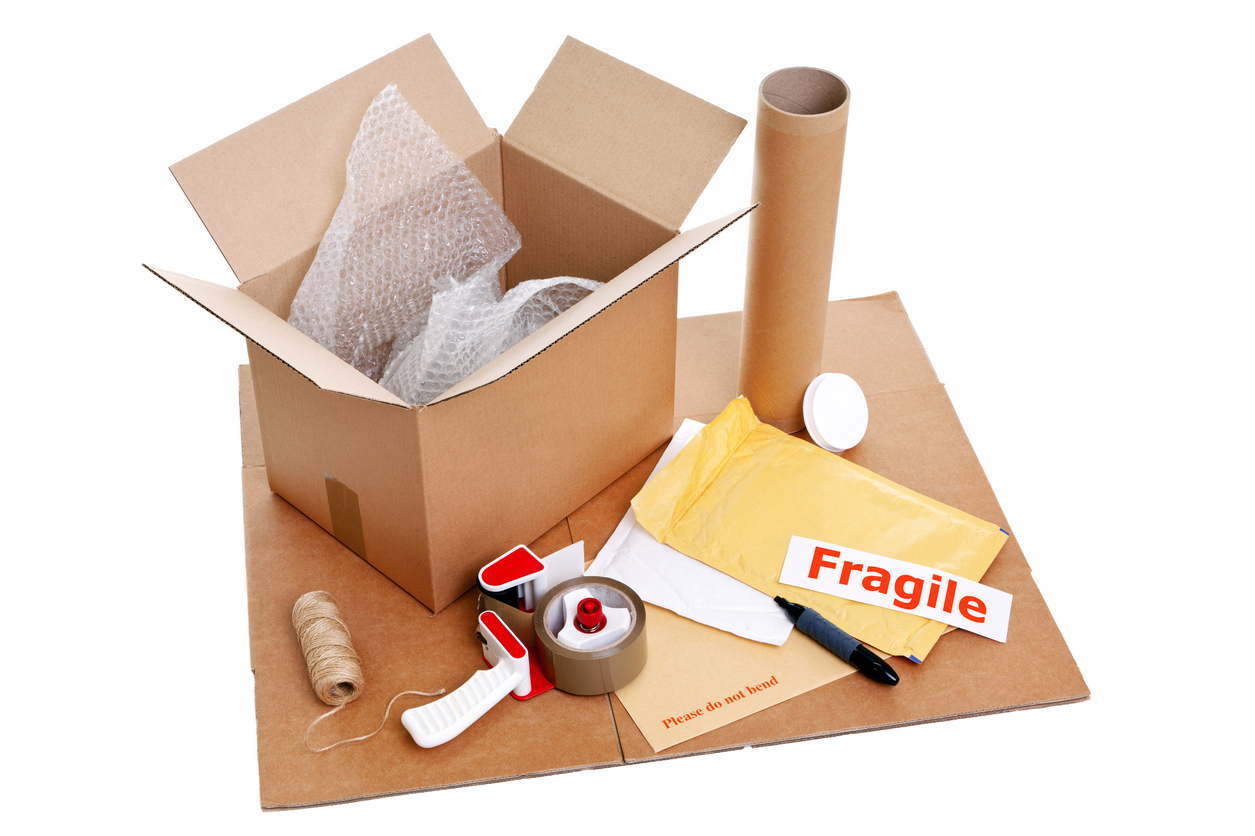
Choosing the right containers and storage gear is a fundamental aspect of effective food packing for camping. Proper selection ensures that food remains fresh, safe from contamination, and protected from outdoor elements. The right storage solutions also facilitate organization, ease of access, and efficient use of space within camping gear setups. Given the variety of options available, understanding the features and appropriate applications of different containers can significantly enhance your camping experience.
When selecting containers for camping, it is essential to prioritize durability, leak-proof qualities, and ease of transport. Containers must withstand rough handling, varying temperatures, and exposure to outdoor conditions without compromising the safety or quality of the stored food. Additionally, choosing versatile and appropriately sized containers can help optimize storage space and minimize waste, making your food packing more efficient and organized.
Comparison of Different Types of Containers
Different types of containers offer unique advantages and limitations, making it important to select the right type based on your specific needs, duration of camping, and types of food stored. The following comparison highlights common options:
| Type of Container | Features | Advantages | Limitations |
|---|---|---|---|
| Plastic Bins | Made from durable, lightweight plastic; often come with snap-on lids | Affordable, reusable, available in various sizes; good for bulk storage and leftovers | Potential for cracking over time; some plastics may stain or absorb odors; less eco-friendly |
| Vacuum-Sealed Bags | Flexible plastic bags sealed with a vacuum pump or heat sealer | Maximizes space efficiency; preserves food freshness longer; excellent for dry goods and meats | Less rigid, potential puncture risk; requires additional equipment; not suitable for liquids |
| Metal Tins | Made from tinplate or aluminum; often with tight-fitting lids | Highly durable; good for dry snacks, spices, or small portions; resistant to crushing | Heavier than plastic; limited size options; may be more expensive |
Container Features Suitable for Camping
For camping scenarios, certain container features are particularly beneficial to ensure food safety, ease of use, and longevity of storage gear. The following features are vital considerations when selecting your containers:
- Leak-Proof Seal: Ensures that liquids or semi-liquids do not spill during transport, preventing messes and contamination.
- Durability: Containers should withstand impacts, rough handling, and outdoor environmental conditions without cracking or breaking.
- Temperature Resistance: Ability to tolerate the temperature variations encountered during camping, including refrigeration or freezing if necessary.
- Compact Design: Containers that stack or nest can maximize space in backpacks or coolers.
- Material Safety: Use of BPA-free plastics and food-grade materials to prevent chemical leaching into food.
Container Sizes, Uses, and Maintenance Tips
Proper planning involves selecting containers in appropriate sizes tailored to specific food types and meal components. The following table provides guidance on size selection, ideal uses, and maintenance best practices to prolong container life and ensure food safety:
| Container Size | Ideal Uses | Maintenance Tips |
|---|---|---|
| Small (0.5 – 1 liter) | Spices, condiments, small snacks, or individual portions | Wash thoroughly with warm, soapy water; dry completely before storage to prevent mold |
| Medium (1 – 3 liters) | Fruits, vegetables, leftovers, or main meal components | Check for cracks regularly; avoid using abrasive cleaners that can damage surfaces |
| Large (3+ liters) | Dried grains, bulk foods, bulk meats, or large meal preparations | Ensure lids are sealed tightly; store in a cool, dry place away from direct sunlight |
Labeling Containers for Easy Access and Food Safety
Effective labeling is crucial for quick identification of stored foods and maintaining food safety standards during camping. Clear labels help prevent mix-ups, reduce waste, and ensure proper food rotation. When labeling containers:
- Use waterproof markers or labels resistant to moisture and temperature changes to prevent smudging or fading.
- Include essential information such as content description, date of storage, and expiration date when applicable.
- Position labels on the lid or side of containers for visibility, especially when stacking multiple items.
- Consider using color-coded labels or containers based on food groups or meal types for even quicker access.
Proper labeling combined with organized storage ensures your camping food supplies remain safe, accessible, and well-maintained throughout your outdoor adventure.
Meal Planning and Portion Control for Camping
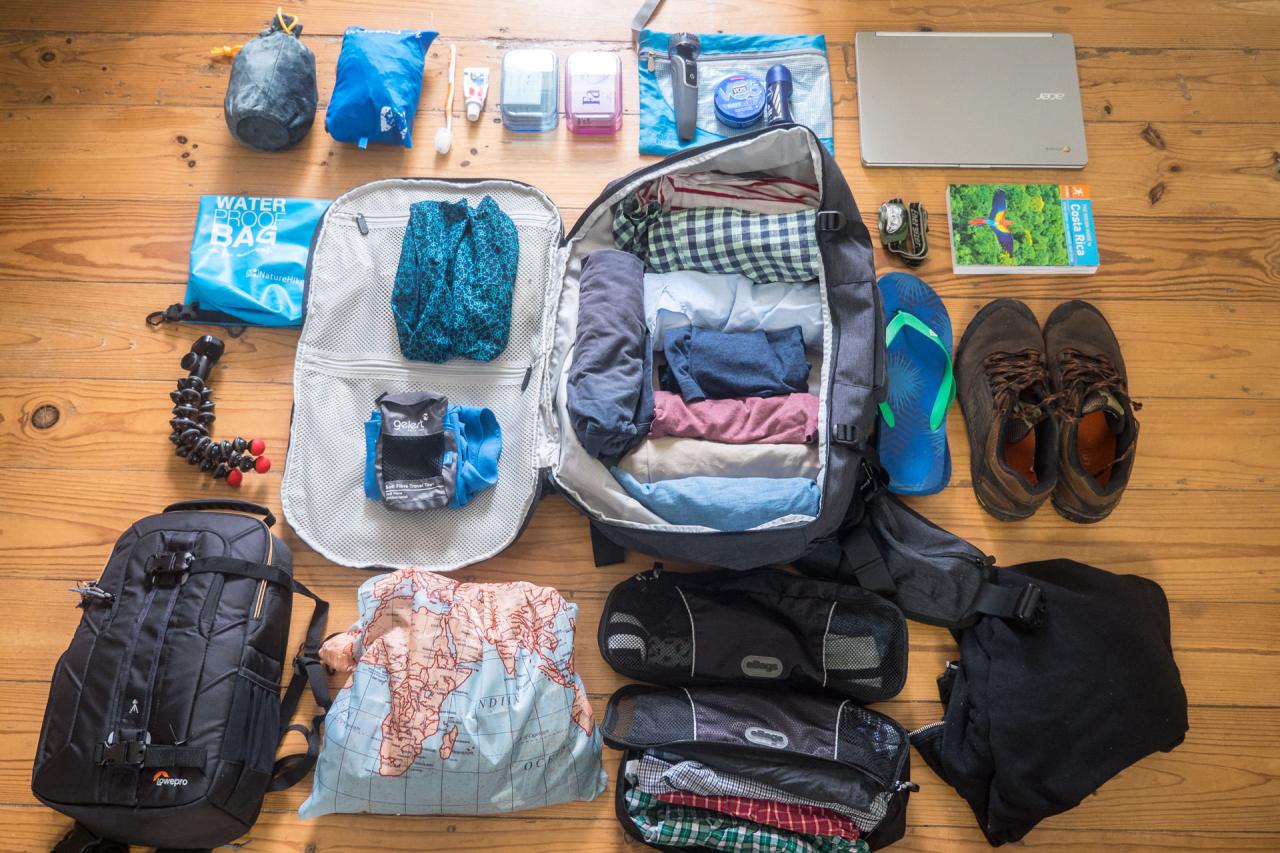
Effective meal planning and portion control are vital components of a successful camping experience. Carefully designed meals ensure nutritional balance, reduce waste, and simplify cooking processes in outdoor environments. Proper planning also minimizes the need for excessive carrying of food supplies while maximizing energy and satisfaction during outdoor adventures.
Implementing structured meal planning involves selecting diverse, nutrient-rich foods that are easy to prepare or assemble at the campsite. Portion control helps prevent overeating and unnecessary leftovers, making the entire camping experience more efficient and environmentally friendly. This section provides practical procedures for devising balanced meal plans, pre-portioning meals, and preparing ingredients in advance to enhance convenience and enjoyment during your outdoor trip.
Meal Planning for Camping
Designing balanced meals suitable for outdoor environments requires considering the availability of cooking facilities, storage conditions, and the nutritional needs of campers. Meals should include a mix of carbohydrates, proteins, healthy fats, vitamins, and minerals to sustain energy levels and promote overall well-being throughout the trip.
- Focus on Nutrient-Dense Foods: Incorporate foods like whole grains, lean meats, nuts, dried fruits, and fresh vegetables to provide essential nutrients without excessive bulk.
- Plan for Variety: Ensure each day’s meals include different food groups to prevent menu fatigue and meet diverse nutritional requirements.
- Consider Cooking Ease: Choose recipes that require minimal ingredients and straightforward preparation, such as foil pack meals, wraps, or dehydrated food rehydration.
Pre-Portioning Ingredients and Meals
Pre-portioning meals simplifies cooking, reduces waste, and ensures accurate calorie and nutrient intake. It allows campers to quickly assemble their meals with minimal fuss, making meal times more efficient, especially after a long day of outdoor activities.
- Use Resealable Containers and Bags: Divide ingredients into single or family-sized portions using airtight containers or zip-top bags to maintain freshness and prevent spills.
- Label Portions Clearly: Mark each container with the meal name, date, and portion size to facilitate quick identification and proper consumption schedule.
- Freeze or Refrigerate as Needed: For perishable ingredients, pre-portion and freeze items before the trip to extend freshness and prevent spoilage during storage.
Sample Meal Plan Table
The table below illustrates a sample plan with ingredients, quantities, and packing tips to demonstrate effective meal planning and portioning for a three-day camping trip.
| Meal | Ingredients | Quantities | Packing Tips |
|---|---|---|---|
| Breakfast | Oatmeal packets, dried cranberries, mixed nuts, powdered milk | 3 packets oatmeal, 50g cranberries, 50g nuts, 200ml powdered milk | Pre-portion oatmeal, nuts, and cranberries into individual bags; pack powdered milk separately in a sealed container |
| Lunch | Whole grain wraps, canned tuna, mayonnaise packets, lettuce, cherry tomatoes | 3 wraps, 3 cans tuna, 3 sachets mayo, 100g lettuce, 150g cherry tomatoes | Assemble wraps in advance and wrap tightly; store ingredients in separate containers to prevent crushing |
| Dinner | Dehydrated chili mix, instant rice, shredded cheese, sliced green onions | 150g chili mix, 300g rice, 100g cheese, 50g onions | Pre-measure chili and rice, store in labeled resealable bags; pack cheese and onions in smaller containers for convenience |
| Snacks | Dried fruit, trail mix, energy bars | 100g dried fruit, 200g trail mix, 4 energy bars | Portion into snack-sized bags for easy access and to control intake |
Preparation of Ingredients for Quick Assembly
Preparing ingredients in advance significantly enhances meal preparation efficiency at the campsite. Techniques such as dehydrating, pre-cooking, and portioning ingredients ensure minimal cooking time and effort after a day outdoors.
- Dehydrate or Pre-Cook Foods: Dehydrate vegetables, fruits, and grains or pre-cook items like rice and pasta to reduce cooking time on-site.
- Pre-Wash and Chop: Wash, chop, and portion vegetables and fruits beforehand, storing them in sealed containers or bags for ready use.
- Assemble Meal Kits: Combine ingredients for complete meals into single containers or bags, allowing campers to rehydrate or combine ingredients easily, such as with dehydrated soups or instant meals.
Pre-preparing ingredients streamlines meal assembly, conserves fuel, and minimizes the need for extensive cooking equipment, making outdoor dining more enjoyable and less labor-intensive.
Tips for Maintaining Food Freshness and Safety
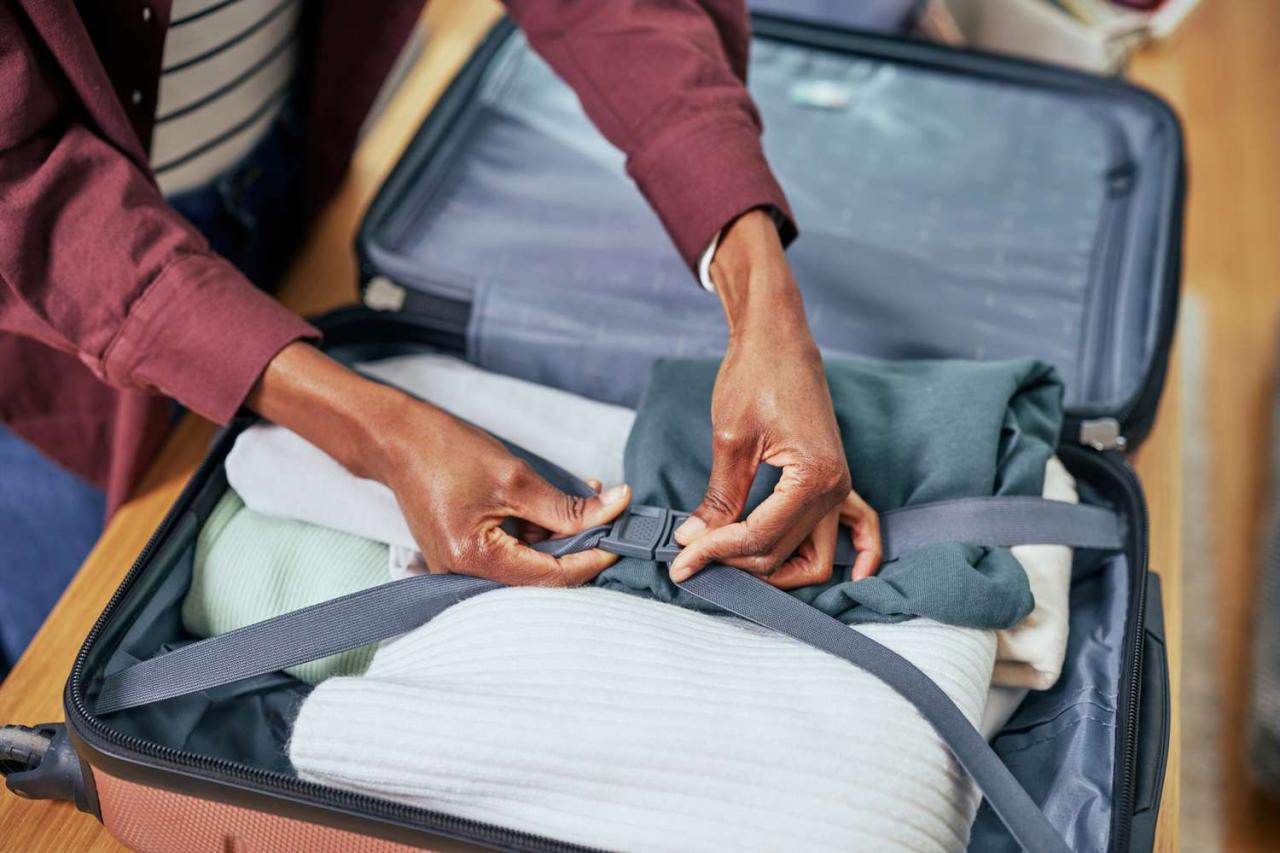
Proper food storage during camping trips is essential to prevent spoilage, foodborne illnesses, and waste. Ensuring that food remains fresh and safe throughout your adventure requires adherence to best practices in temperature management, contamination prevention, and storage techniques. These strategies enable you to enjoy nutritious meals while minimizing health risks and environmental impact.Maintaining food safety on extended camping trips involves a combination of careful handling, proper storage, and regular checks.
When foods are kept at appropriate temperatures, the growth of harmful bacteria is slowed down or halted. Preventing cross-contamination ensures that raw and cooked foods do not transfer bacteria or allergens, which is vital for health and safety. Using effective storage solutions such as resealable bags, vacuum sealers, and insulated containers prolongs freshness and reduces spoilage. Additionally, visual inspection and routine checks throughout the trip serve as essential tools for confirming food safety and preventing potential health hazards.
Best Practices for Keeping Food at Safe Temperatures
The most critical aspect of food safety during camping is temperature control. Perishable foods must be kept cold enough to prevent bacterial growth and spoilage, especially during extended trips or in warm climates.
- Maintain cold foods at or below 4°C (39°F) using coolers filled with ice packs or block ice. Regularly replenish ice to ensure consistent cooling.
- Use insulated containers or thermal bags for hot foods, keeping them above 60°C (140°F) to inhibit bacterial growth.
- Pre-chill perishables before packing and minimize the time they spend outside of temperature-controlled environments.
- Label foods with packing and expiration dates to monitor their age and safety status throughout the trip.
Consistent temperature management is essential for preventing foodborne illnesses. An ideal scenario involves maintaining cold foods in a temperature zone below 4°C (39°F) and hot foods above 60°C (140°F).
Procedures for Preventing Cross-Contamination
Cross-contamination can lead to serious health issues, especially when raw meats, seafood, or allergenic foods contaminate prepared meals or ready-to-eat items.
- Separate raw and cooked foods by using distinct containers, cutting boards, and utensils. Label them clearly to avoid accidental mixing.
- Wash hands thoroughly with soap and water or use hand sanitizer before handling different types of foods.
- Clean and sanitize all surfaces, utensils, and storage containers after contact with raw ingredients.
- Store raw meats and seafood on the bottom shelves of coolers to prevent drips onto other foods.
Implementing separation protocols and hygiene practices significantly reduces the risk of cross-contamination, safeguarding your health and that of your fellow campers.
Methods for Using Resealable Bags, Vacuum Sealing, and Insulation
Effective storage solutions can drastically extend the freshness of foods during camping, especially when refrigeration is limited or unavailable.
- Resealable Bags: Use high-quality, durable resealable plastic bags to portion out foods, remove excess air, and prevent moisture entry. These are ideal for storing snacks, fruits, or pre-prepared ingredients.
- Vacuum Sealing: Employ vacuum sealers to remove air from storage pouches, significantly slowing oxidation and bacterial growth. Vacuum-sealed meats, cheeses, and cooked meals remain fresh longer and occupy less space.
- Insulation: Use well-insulated containers, such as cooler boxes with thick walls or thermal bags, especially for perishable items. Wrap foods with insulating materials like foam or reflective blankets to maintain consistent temperatures during transport and storage.
Combining vacuum sealing with proper insulation provides a robust barrier against spoilage and extends the usability window of perishable foods during extended excursions.
Visual Indicators and Checks for Food Safety
Regularly inspecting stored foods ensures early detection of spoilage or bacterial contamination. Visual cues and sensory checks are straightforward, quick, and effective.
- Look for signs of spoilage such as discoloration, mold growth, or slimy textures on foods.
- Smell foods for off-odors, sourness, or unusual scents indicating fermentation or bacterial activity.
- Check for bloating or leaks in packaging, which can signify bacterial gas production or spoilage.
- Observe any changes in texture or appearance, such as wilted vegetables, dried-out meats, or discolored dairy products.
Trust your senses—if a food item exhibits any abnormal appearance, odor, or texture, it is safest to discard it to prevent health risks during your camping trip.
Special Considerations for Dietary Restrictions and Emergency Supplies
Ensuring that all campers’ dietary needs are met while maintaining a well-organized emergency food supply is essential for a safe and enjoyable outdoor experience. Proper planning and packing strategies can accommodate allergies, specific health requirements, and emergency preparedness, all while optimizing space and nutritional value.A thoughtful approach to dietary restrictions involves selecting foods that align with individual health conditions and preferences, minimizing the risk of allergic reactions or nutrient deficiencies.
Additionally, establishing a reliable emergency food stock with durable, long-lasting items ensures safety in unforeseen situations. Integrating nutrient-dense snacks and meals that are compact and easy to carry enhances energy levels and sustains campers throughout their adventure.
Techniques for Packing Specialty Foods for Allergies or Dietary Preferences
Properly managing specialty foods requires meticulous organization and awareness of individual dietary restrictions. These techniques include:
- Labeling all specialty foods clearly, indicating specific allergens or dietary considerations such as gluten-free, vegan, or low-sugar items.
- Using separate, airtight containers to prevent cross-contamination with other foods, especially when dealing with allergic ingredients like nuts, dairy, or shellfish.
- Employing color-coded packaging or labeling systems to quickly identify suitable foods for each individual, reducing confusion during busy moments.
- Pre-packaging individual servings tailored to specific dietary needs, which simplifies access and portion control while reducing waste.
- Choosing foods with minimal processing and natural ingredients to better control exposure to potential allergens and additives.
Organizing Emergency Food Supplies with Durability and Long Shelf Life
Emergency supplies must prioritize durability, shelf stability, and ease of storage. These considerations include:
Gathering non-perishable foods that can withstand adverse environmental conditions, such as heat, moisture, and rough handling, is crucial for safety and reliability. Examples include:
| Food Type | Key Features | Examples |
|---|---|---|
| Freeze-dried and dehydrated meals | Lightweight, long shelf life, minimal preparation | Mountain House freeze-dried entrees, dehydrated fruit |
| Canned goods | High durability, extended shelf life, easy to store | Canned beans, tuna, vegetables, soups |
| Energy bars and trail mixes | Nutrient-dense, easy to carry, no preparation needed | Granola bars, mixed nuts, dried fruits |
| Powdered foods | Lightweight, versatile, long shelf life | Protein powders, powdered milk, electrolyte mixes |
Long shelf life and resistance to environmental factors are the cornerstones of effective emergency food supplies, ensuring readiness for unforeseen circumstances.
Suggestions for Compact, Nutrient-Dense Snacks and Meals
Maximizing nutritional intake while minimizing space is vital when selecting snacks and meals for camping. These options should provide sustained energy, be easy to transport, and require minimal preparation:
- Energy-dense protein bars and bite-sized snacks rich in healthy fats, proteins, and complex carbohydrates
- Nut butters, such as almond or peanut butter, packed in small, airtight containers for quick nourishment
- Dehydrated fruits and vegetable chips that are lightweight and provide essential vitamins and minerals
- Trail mix containing nuts, seeds, dried fruits, and a few dark chocolate pieces for antioxidants and energy
- Ready-to-eat canned or pouch meals that only require opening, such as tuna or chicken salad pouches
- Instant oatmeal or granola packets that can be prepared with minimal water and provide hearty breakfast options
Strategies for Integrating Emergency Food Options within Overall Packing Plans
Integrating emergency supplies seamlessly into regular packing routines involves strategic organization and prioritization. Effective strategies include:
- Creating dedicated compartments or containers within backpacks specifically for emergency foods, keeping them accessible yet separate from daily meals
- Allocating space for additional lightweight, shelf-stable items that can be easily added in case of extended stays or unexpected delays
- Balancing daily meal necessities with emergency rations to ensure both are available without overcrowding the pack
- Using multi-purpose containers that can serve both as storage for regular meals and emergency supplies, reducing overall weight and bulk
- Regularly reviewing and rotating emergency stocks to maintain freshness and replace expired items, integrating this into pre-trip checklist routines
Last Word

Mastering the art of packing food for camping can significantly enhance your outdoor adventure. With careful organization, proper storage techniques, and thoughtful planning, you will be well-prepared to enjoy fresh, safe, and satisfying meals throughout your trip. Embrace these practices to make your camping experience both enjoyable and memorable.