Embarking on a camping trip with your dog requires careful planning and organization to ensure both safety and enjoyment. Knowing what essentials to pack and how to prepare your furry companion can significantly enhance the outdoor experience for everyone involved. This guide provides comprehensive guidance on packing efficiently and thoughtfully for a camping adventure with your loyal pet.
From selecting lightweight and durable gear to organizing food, safety items, and comfort measures, this article covers all the necessary steps to make your camping trip smooth and memorable. Proper preparation not only ensures your dog’s well-being but also allows you to relax and enjoy the great outdoors together.
Essential Gear for Packing with Your Dog

Preparing the right gear for your dog is vital to ensure a safe, comfortable, and enjoyable camping experience. The right equipment not only keeps your pet happy but also helps in managing unforeseen situations effectively. Knowing what to pack and how to select durable, lightweight items can make your outdoor adventure smooth and memorable.
When choosing gear for camping with your dog, prioritize items that balance lightweight design with durability. This ensures ease of transport and longevity despite exposure to outdoor elements. Opt for gear made from high-quality materials that can withstand rough terrains, varying weather conditions, and frequent use. Properly selected equipment enhances safety, comfort, and convenience for both you and your furry companion.
Must-Have Items for Your Dog
Each item plays a crucial role in maintaining your dog’s well-being while exploring the outdoors. Here is a detailed overview of essential gear, organized into a responsive table for clarity and quick reference:
| Item Category | Specific Examples | Purpose | Quantity Needed |
|---|---|---|---|
| Leash and Collar | Strong nylon leash; adjustable collar with ID tags | Control and identification; safety during hikes and at campsite | 1 leash; 1 collar |
| Pet Food and Treats | High-energy kibble; portable treat pouch | Nutrition and positive reinforcement during training | Enough for the duration of the trip, plus extras |
| Water Bowl | Foldable silicone or collapsible bowl | Hydration; easy to pack and clean | 1 bowl |
| Bedding and Comfort | Portable dog bed or sleeping pad | Resting spot; insulation from ground | 1 |
Choosing lightweight gear involves prioritizing materials like nylon, polyester, or silicone, which offer durability without adding unnecessary weight. Gear should be resistant to outdoor elements such as rain, dirt, and rough handling. For instance, a high-quality nylon leash with reinforced stitching ensures strength without bulk, while a foldable water bowl made from silicone is both light and easy to transport.
Tip: Select gear with quick-drying and washable features to maintain hygiene and ease of maintenance during your camping trip.
Food and Water Supplies for the Trip
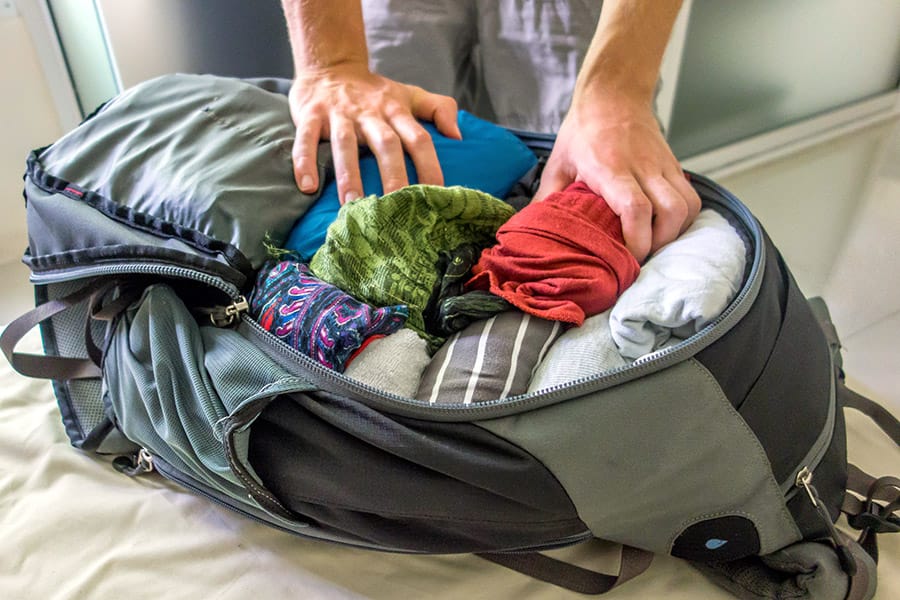
Ensuring your dog has adequate nourishment and hydration during a camping adventure is vital for their health, energy, and well-being. Proper planning involves selecting suitable food and water options, organizing storage methods, and creating a feeding schedule that aligns with your trip itinerary. By preparing thoughtfully, you can keep your furry companion comfortable and healthy amidst outdoor activities and varying environmental conditions.Maintaining a steady supply of fresh water and nutritious food is essential, especially when access to clean water sources and pet-friendly food stores may be limited.
Proper storage prevents spoilage, contamination, and waste, contributing to a smooth and enjoyable camping experience for both you and your dog.
Types of Food, Treats, and Supplements to Pack
When packing for a camping trip with your dog, focus on portable, nutritionally dense foods that can withstand travel and outdoor conditions. Choose high-quality commercial dog foods, including dry kibble or freeze-dried options, which are lightweight, long-lasting, and easy to portion. Incorporate treats such as jerky, dental chews, or small, healthy snack bites to reward good behavior and keep your dog engaged.
Supplements, like vitamins or omega-3 fatty acids, can support your dog’s coat, joints, and immune health, especially during physically demanding days. Always consult your veterinarian before introducing new supplements, and ensure that any additions are suitable for your dog’s specific needs and dietary restrictions.In terms of storage, select airtight containers or resealable bags to preserve freshness and prevent pests from accessing the food.
Consider using vacuum-sealed portions to minimize waste and facilitate quick, clean feeding routines during your trip.
| Aspect | Details |
|---|---|
| Food Quantities | Calculate based on your dog’s daily intake, typically 1-2 cups of dry kibble or an equivalent amount of fresh food per day, multiplied by the number of days. For example, a 10 kg dog may require approximately 1.5 cups daily. |
| Storage Tips | Use airtight, leak-proof containers or resealable bags to keep food fresh and protected from pests. Label each container with contents and date. Keep food in a cool, shaded area away from direct sunlight. |
| Feeding Schedule | Maintain consistent feeding times, such as morning and evening, to help your dog settle into a routine. Adjust portion sizes if engaging in increased activity or if the weather is particularly hot or cold. |
Note: Regularly check stored food for signs of spoilage or pest intrusion, and plan to consume perishable items early in your trip to ensure freshness. Hydration is equally critical; provide fresh water at regular intervals, and consider portable water dispensers or collapsible bowls for convenience.
Safety and Health Precautions
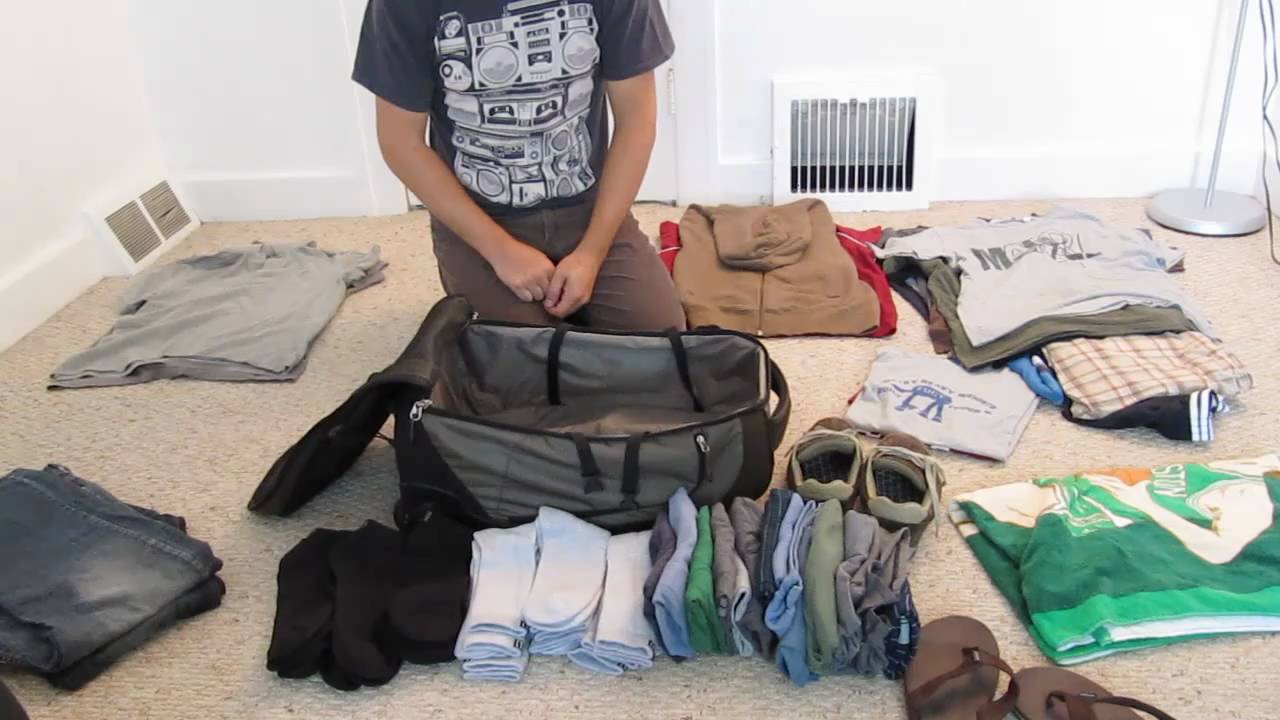
Ensuring your dog’s safety and health during a camping trip is paramount for a positive and enjoyable experience. Proper precautions help prevent emergencies and allow for prompt responses should any issues arise. Being prepared with the right safety measures and health checks safeguards your beloved pet and ensures that the trip remains fun and stress-free for both of you.A proactive approach involves organizing essential safety gear, monitoring your dog’s health continuously, and understanding how to respond effectively to any potential health concerns.
This segment covers the key safety items to have on hand, best practices for health checks, and strategies for quick access to vital safety information.
Essential Safety Items and Health Records
A well-organized safety kit tailored for your dog is crucial for managing unexpected situations in the wilderness. The kit should include items that address minor injuries, prevent pests, and help identify your dog if lost. Additionally, maintaining and organizing health records ensures you can quickly provide necessary information to veterinarians if needed, especially in emergencies.To maximize preparedness, consider the following steps for organizing safety gear and health documentation:
- Assemble a comprehensive first aid kit that contains bandages, antiseptic wipes, antibiotic ointment, tweezers, and scissors. Ensure it is waterproof and easily accessible.
- Apply and regularly update flea and tick prevention treatments before and during the trip to protect your dog from parasites common in outdoor environments.
- Attach an identification tag with your contact information to your dog’s collar and consider using a GPS tracker for added security in case your pet wanders off.
- Carry a copy of your dog’s vaccination records, medical history, and any ongoing medication details in a waterproof folder or digital format on a portable device.
- Designate a specific bag or compartment within your camping gear to store safety and health supplies, clearly labeled for quick identification during emergencies.
- Develop a checklist to regularly verify that all safety and health items are accounted for and in good condition, especially before each day of the trip.
“Preparation and organization of safety and health items can significantly reduce response time during emergencies and help maintain your dog’s well-being throughout the camping adventure.”
By systematically organizing and maintaining your safety gear and health records, you ensure that you are ready to handle any unforeseen circumstances, providing peace of mind and a safer experience for your canine companion.
Packing Techniques and Organization
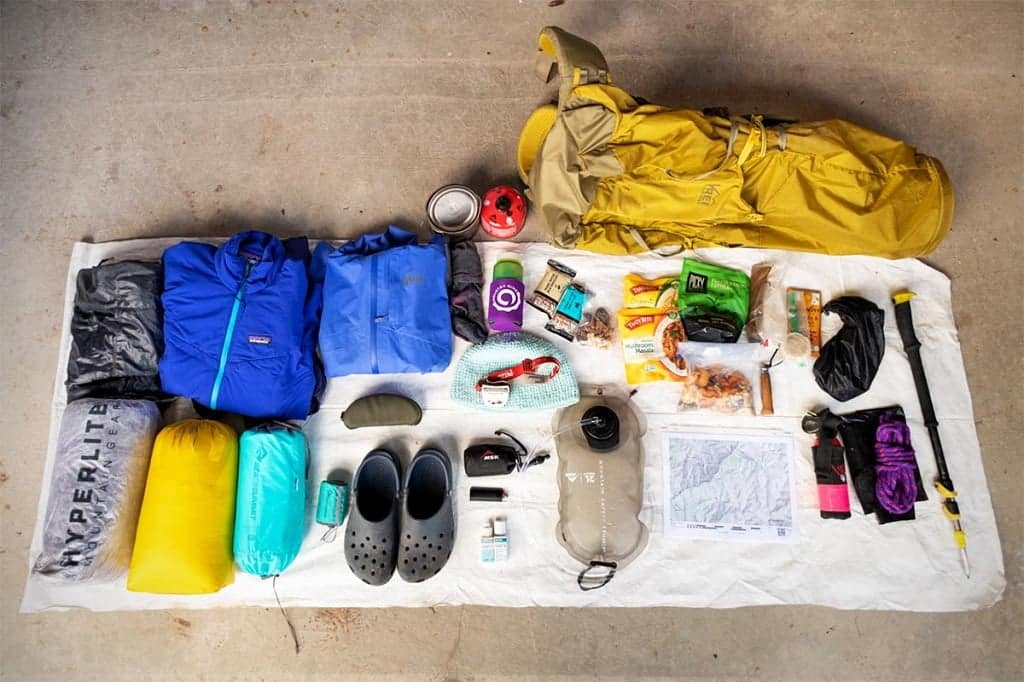
Effective packing and organization are crucial for a successful camping trip with your dog. Properly packed gear ensures easy access, prevents damage to belongings, and maintains a balanced load, making your adventure more enjoyable and stress-free. Implementing efficient packing strategies also helps maximize limited space within your backpack or duffel, ensuring you bring all necessary items without overloading.Organizing your gear systematically not only facilitates quick retrieval of essentials but also reduces the risk of forgetting important items.
Group similar items together, such as food supplies, safety equipment, and dog accessories, and designate specific compartments or packing cubes for each category. This approach promotes a tidy packing process and simplifies unpacking at the campsite.
Best Practices for Packing Efficiently
To optimize space and security within your camping pack, adhere to proven packing techniques that prevent items from shifting during transit. Secure loose items with compression straps or bungee cords, especially bulky or lightweight objects that can bounce around. Utilize small pouches or mesh bags to keep smaller accessories organized and prevent them from getting lost or damaged.Furthermore, place heavier items at the bottom of the pack, close to your back, to improve balance and reduce strain.
Distribute weight evenly across the pack to maintain comfort and stability during hikes. Consider using gear compartments or external pockets for items you need quick access to, such as water bottles, maps, or dog leashes.
Utilizing Space Within Your Camping Pack
Maximizing your pack’s capacity involves strategic packing methods that make use of every available space. Compression techniques, such as rolling clothing instead of folding, significantly reduce volume while preventing wrinkles. Packing cubes are highly effective; they compartmentalize gear, keep everything organized, and can be compressed further to save space.Nested packing—placing smaller items inside larger ones—also enhances space utilization. For example, tuck smaller first aid supplies inside shoes or fill empty corners with lightweight gear like snacks or clothing.
When packing bulky items like sleeping bags or tents, compress them with dedicated compression sacks to minimize their size.
Comparison of Packing Methods for Different Types of Bags
To determine the most suitable packing approach based on your backpack or bag type, consider the following comparison table:
| Feature | Traditional Backpack | Duffel Bag | Technical Hiking Pack |
|---|---|---|---|
| Organization | Multiple compartments and external pockets for categorizing gear | Single main compartment with few internal subdivisions; use packing cubes for organization | Specialized compartments for hydration systems, gear, and accessories; internal dividers |
| Space Optimization | Use compression straps, packing cubes, and rolling clothing | Fill with tightly packed items; utilize compression sacks for bulky gear | Employ gear-specific packing strategies, such as foam inserts and modular compartments |
| Accessibility | Quick access to frequently used items via external pockets | Limited external access; organize inside for efficiency | Designed for easy access to essential gear during activity |
| Security of Items | Secure loose items in compartments and use compression straps | Use internal pouches or bags within the main compartment | Features locking zippers and reinforced compartments for valuable gear |
This comparison highlights how packing techniques can be tailored to your specific bag type, ensuring optimal space usage, security, and accessibility for your camping adventure with your dog.
Preparing Your Dog for Camping
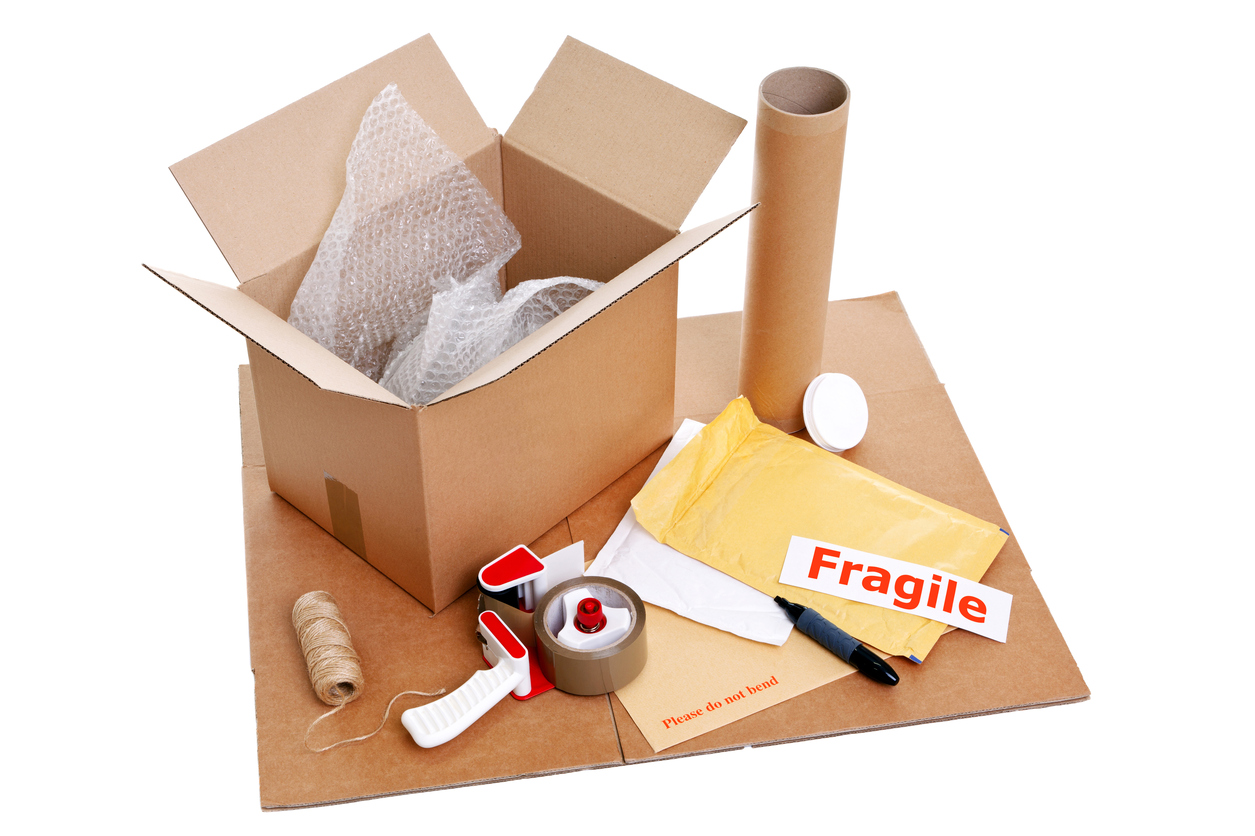
Embarking on a camping trip with your dog requires thoughtful preparation to ensure a safe and enjoyable experience for both of you. Properly acclimating your dog to the camping environment and equipment is essential to minimize stress and prevent unforeseen issues during your adventure. A well-prepared dog is more confident and comfortable, facilitating a smoother integration into the outdoor setting.This process involves gradual exposure to new surroundings, familiarization with camping gear, and understanding safety and comfort measures.
By systematically introducing your dog to the environment and equipment, you can foster a positive attitude towards camping and reduce anxiety. This preparation not only enhances your dog’s well-being but also contributes to a more relaxed and enjoyable trip for everyone involved.
Training Tips and Acclimation Exercises for Your Dog
To ensure your dog is comfortable with camping gear and the outdoor environment, focus on positive reinforcement training combined with gradual exposure. Start with basic obedience commands such as sit, stay, and come, which are crucial for managing your dog in unfamiliar settings. Use treats, praise, and patience to reinforce these behaviors consistently.Introduce your dog to camping equipment at home before departure.
For example, allow your dog to sniff and explore the tent, sleeping pad, and other gear, rewarding calm behavior. Practice walking on a leash in different terrains, such as grass, dirt, or gravel, so your dog becomes confident moving through diverse outdoor surfaces.Incorporate acclimation exercises that mimic camping conditions, like gradually increasing the duration of outdoor walks and exposure to sounds such as rustling leaves or distant voices.
This helps desensitize your dog to stimuli they may encounter on the trip, reducing the likelihood of fear or overexcitement.
Step-by-Step Guide to Introducing Your Dog to New Surroundings and Equipment
A structured approach to acclimating your dog to the camping environment ensures a smooth transition and builds confidence. Follow these steps for effective preparation:
- Familiarization at Home: Introduce your dog to camping gear indoors. Let them sniff, explore, and get accustomed to the tent, sleeping bag, and other equipment. Reward calm behavior with treats and praise.
- Leash Training in Outdoor Settings: Practice walking your dog on a leash in your backyard or nearby park, gradually introducing different terrains and noises. This reinforces leash manners and builds comfort with outdoor elements.
- Short Outdoor Excursions: Take your dog on brief trips to similar environments, such as camping grounds or nature reserves, to simulate the trip experience. Keep sessions positive and rewarding.
- Gradual Exposure to Camping Environment: When at the actual campsite, let your dog explore the area while on a leash, allowing them to sniff and acclimate to new sights and smells. Stay close initially, gradually increasing the distance as they become more comfortable.
- Introducing Sleeping Arrangements: Set up the sleeping area with your dog’s bed or blanket during daytime hours at the campsite. This helps your dog associate the space with comfort and security.
Safety Checks and Comfort Measures Before Departure
Prior to leaving for your camping adventure, perform comprehensive safety and comfort checks to ensure your dog’s well-being throughout the trip. These measures will help prevent emergencies and promote a positive camping experience.
Ensure your dog’s vaccinations are up to date, including rabies, leptospirosis, and other region-specific diseases. Bring a fully stocked first aid kit tailored for dogs, including flea and tick prevention, wound care supplies, and any necessary medications. Confirm that your dog’s microchip information is current and that they are wearing an ID tag with your contact details. Conduct a thorough examination of your dog’s physical condition—checking for injuries, signs of illness, or discomfort. Ensure your dog is well-hydrated and has recent exercise to prevent fatigue. Pack enough food, water, and familiar items such as their bed or toys to provide comfort and familiarity in the new environment. Finally, review and rehearse basic commands and emergency procedures to handle potential situations confidently during your trip.
Conclusion
In summary, successful camping with your dog hinges on thorough planning and organized packing. By bringing the right gear, food, safety supplies, and taking steps to acclimate your pet to the environment, you create a safe and enjoyable experience for both of you. With these preparations, your outdoor adventure will be filled with wonderful memories and happy moments shared with your furry friend.