Embarking on outdoor adventures with children offers a wonderful opportunity to foster a love for nature while creating lasting memories. Learning how to hike while camping with kids involves careful planning, safety awareness, and engaging activities that cater to young explorers. This guide provides practical insights and expert tips to ensure that your family outdoor experience is both enjoyable and secure.
From selecting family-friendly trails and preparing children for outdoor safety to organizing gear and nutritious meals, each aspect is designed to make your trip smooth and memorable. Emphasizing environmental responsibility and involving kids in planning and activities further enriches the experience, nurturing their curiosity and respect for nature.
Planning a Kid-Friendly Hiking and Camping Trip
Organizing a safe and enjoyable outdoor adventure with children requires careful planning and consideration of their unique needs. The goal is to create an experience that is both fun and educational, fostering a love for nature while ensuring safety at all times. Proper planning helps prevent unforeseen challenges and ensures that the trip is memorable for all the right reasons.A well-structured plan involves selecting appropriate trails and campsites, preparing suitable gear, and establishing a manageable schedule that aligns with children’s energy levels and interests.
The following guidelines will assist families in crafting an outdoor excursion that balances adventure with safety and comfort, making the experience enriching and stress-free.
Organizing a Safe and Enjoyable Hiking Schedule for Children
Establishing a hiking schedule tailored to children’s capabilities is crucial for maintaining their enthusiasm and safety throughout the trip. The schedule should include realistic daily mileage, regular rest periods, and engaging activities that break up the hike, such as nature scavenger hunts or educational stops.Begin by assessing the hiking trail’s difficulty, considering elevation gain, trail surface, and length. For children aged 4-8, daily hikes of 1-3 miles are typically appropriate, while older children can handle longer distances.
Incorporate rest breaks every 30-45 minutes to prevent fatigue and allow hydration and snacks. Keep the pace relaxed to maintain their interest and avoid overexertion.Design the schedule with flexibility in mind, allowing adjustments based on weather conditions, trail conditions, and the children’s mood and energy levels. Prioritize safety by avoiding steep or hazardous sections and keeping children within sight at all times.
Incorporate fun educational moments, such as identifying local flora and fauna, to keep children engaged and curious.
Selecting Family-Friendly Trails and Camping Sites
Choosing the right trails and campsites is fundamental to ensuring a successful outdoor experience for families with kids. It involves evaluating trail features, accessibility, and amenities that cater to young hikers and campers.Start by researching local parks and wilderness areas known for family-friendly facilities. Look for trails that are marked as easy or beginner level, with gentle terrain and minimal exposure to hazards.
Trails with interesting landmarks, such as waterfalls, lakes, or wildlife viewing opportunities, tend to be more engaging for children.When selecting camping sites, prioritize those with accessible amenities such as clean water sources, clean restroom facilities, picnic areas, and designated fire pits. Campsites that offer activities like nature walks or ranger-led programs provide additional educational entertainment for children.Ensure the campsite is situated in a safe area, away from potential dangers like unstable terrain, proximity to water bodies with strong currents, or wildlife corridors.
Reading reviews and consulting park maps can aid in identifying suitable sites that meet safety standards and provide a comfortable environment for families.
Essential Gear and Supplies for Kids During Hiking and Camping
Preparing the appropriate gear and supplies tailored for children enhances safety, comfort, and enjoyment during outdoor adventures. The gear selection should consider children’s size, safety needs, and comfort, along with ease of use.Key items include:
- Child-sized Backpack: To carry personal belongings, snacks, water, and a lightweight first aid kit.
- Proper Footwear: Well-fitting, waterproof hiking shoes with good traction to prevent slips and injuries.
- Clothing Layers: Moisture-wicking base layers, insulating mid-layers, and waterproof outer layers suitable for changing weather conditions.
- Sun Protection: Wide-brim hats, sunglasses, and high-SPF sunscreen to shield from UV rays.
- Navigation Tools: Child-friendly maps, a compass, or a GPS device designed for young users.
- Safety Equipment: Helmet for biking or climbing activities, reflective clothing or vests, and a whistle for emergencies.
- Camping Gear: Child-sized sleeping bags, sleeping mats, and comfortable camping chairs.
- Health and First Aid Supplies: Kid-safe insect repellent, allergy medications if needed, and a basic first aid kit with bandages, antiseptic wipes, and pain relievers suitable for children.
Additional considerations include packing extra clothing, waterproof gear, and entertainment items like books or nature guides to keep children occupied during downtime. Ensuring that all gear is lightweight, durable, and age-appropriate contributes significantly to a positive outdoor experience.
Comparison Table of Kid-Friendly Hiking Equipment and Safety Gear
| Equipment Type | Description | Benefits | Considerations |
|---|---|---|---|
| Child-sized Hiking Backpack | Lightweight backpack designed for children to carry essentials. | Promotes independence; distributes weight evenly. | Adjustable straps for proper fit; capacity around 10-15 liters. |
| Waterproof Hiking Shoes | Durable shoes with good traction suitable for varied terrains. | Prevents slips; keeps feet dry and comfortable. | Properly fitted; allow for socks to prevent blisters. |
| Sun Protection Gear | Hat, sunglasses, and SPF sunscreen. | Protects against sunburn and UV exposure. | Child-sized options; reapply sunscreen regularly. |
| Safety Helmets | Lightweight helmets for biking, climbing, or other activities. | Reduces risk of head injuries. | Proper fit; comfortable to encourage consistent wear. |
| First Aid Kit for Kids | Compact kit with kid-friendly supplies and medications. | Allows prompt treatment of minor injuries. | Contains age-appropriate medications; training on its use. |
| Navigation Devices | Child-friendly maps, compasses, or GPS units. | Enhances safety; teaches navigation skills. | Easy to operate; batteries included. |
Preparing Children for the Outdoor Experience
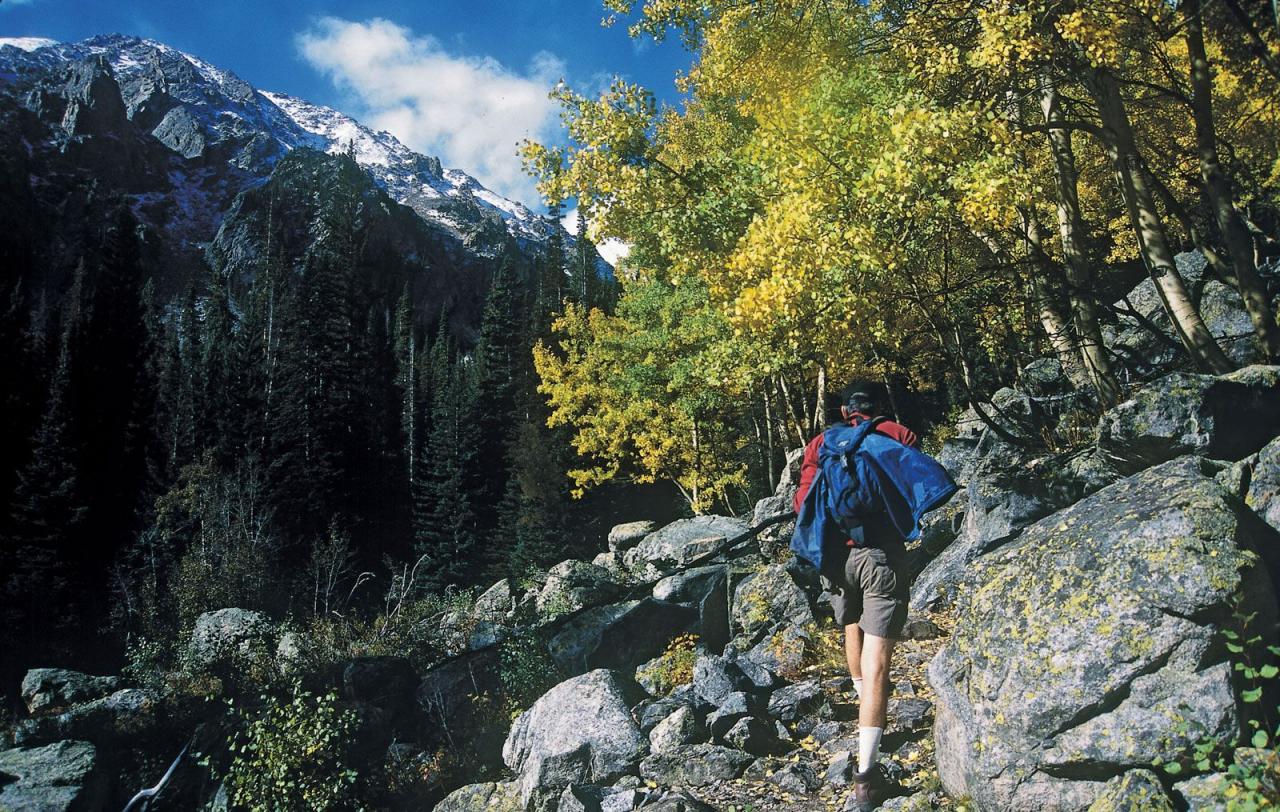
Introducing children to the world of hiking and camping requires thoughtful preparation to foster enthusiasm, confidence, and safety awareness. Early exposure allows kids to develop a genuine appreciation for nature and ensures they are well-equipped to enjoy outdoor adventures responsibly. Proper preparation also involves teaching essential safety principles and engaging children with activities that make outdoor exploration both fun and educational.
Building a foundation of knowledge and skills before the trip helps minimize anxiety and encourages children to actively participate. When children understand what to expect and learn basic safety rules, they become more confident explorers, capable of making safe decisions and respecting nature. This proactive approach ensures that outdoor trips are enjoyable experiences that cultivate a lifelong love for the outdoors.
Introducing Children to Hiking and Camping Concepts
Effective introduction to outdoor concepts involves a combination of storytelling, hands-on experiences, and age-appropriate explanations. Sharing stories about nature, animals, and camping adventures helps ignite curiosity and interest. Demonstrating basic skills such as setting up a tent, packing a backpack, or reading a trail map allows children to gain practical knowledge and feel involved in the planning process. Incorporating educational games and nature scavenger hunts further reinforces learning while keeping children engaged.
Teaching Outdoor Safety Rules to Kids
Prior to embarking on a nature excursion, it is vital to instill safety awareness in children. Clear communication of safety rules ensures they understand how to act in various situations and helps prevent accidents or misunderstandings. Engage children in discussions about what to do if they encounter wildlife, how to stay on designated trails, and the importance of carrying a whistle or emergency kit.
Reinforcing safety through role-playing scenarios or mock drills can make the learning process enjoyable and memorable.
Engaging Activities to Keep Children Interested During Hikes
Maintaining children’s interest throughout hikes involves incorporating fun, interactive activities that connect them with nature. Activities such as nature journaling, identifying plants and animals, or collecting natural objects foster curiosity and observational skills. Short, varied segments of walking combined with playful exploration—like skipping stones or listening to bird calls—help prevent fatigue and boredom. Tailoring activities to children’s ages ensures they stay actively involved and eager to explore more.
Age-Appropriate Safety Tips and Outdoor Etiquette for Kids
Teaching children safety tips and outdoor etiquette tailored to their age group is essential for respectful and secure outdoor experiences. These guidelines encourage responsible behavior and foster environmental stewardship. Below is a list of key safety tips and etiquette points suitable for different age ranges:
Safety Tips and Outdoor Etiquette for Kids:
- For Younger Children (Ages 3-7):
- Always stay close to a parent or guardian and do not wander off alone.
- Wear a hat, sunscreen, and appropriate clothing to protect from sunburn and bugs.
- Learn to recognize and avoid dangerous plants like poison ivy or stinging nettles.
- Use a whistle or call for help if you get lost or need assistance.
- Practice gentle interaction with wildlife—do not feed or chase animals.
- For Older Children (Ages 8-12):
- Stay on marked trails to avoid getting lost or damaging the environment.
- Carry a small first aid kit and know basic first aid procedures.
- Respect wildlife by observing from a distance without disturbing their habitat.
- Follow Leave No Trace principles: pack out all trash and minimize impact.
- Inform someone about your route and expected return time.
- General Outdoor Etiquette:
- Leave natural and cultural features undisturbed for others to enjoy.
- Be courteous to fellow hikers and campers—share the trail and speak kindly.
- Keep noise levels down to avoid disturbing wildlife and other visitors.
- Help younger children understand the importance of respecting nature and others.
Essential Safety and Health Considerations
Ensuring the safety and well-being of children during outdoor hiking and camping trips is paramount. Young outdoor enthusiasts are more vulnerable to environmental hazards, dehydration, sun exposure, and minor injuries. Proper planning, awareness, and preparedness can significantly reduce risks and enhance the outdoor experience for children and their guardians.
Effective management of safety and health involves establishing protective routines, recognizing potential hazards, and equipping oneself with the necessary first aid skills and supplies. By adhering to these considerations, families can enjoy outdoor adventures with confidence, knowing they are prepared to handle unforeseen circumstances that may arise during their excursions.
Hydration, Sun Protection, and Injury Prevention
Children are particularly susceptible to dehydration, sunburn, and injuries while outdoors. Maintaining hydration, implementing sun safety measures, and preventing injuries are critical components of outdoor safety protocols.
- Hydration: Ensure children drink water regularly, approximately every 20-30 minutes, especially during physical activity and in hot weather. Carry sufficient water supplies and encourage children to drink before they feel thirsty to prevent dehydration.
- Sun Protection: Apply broad-spectrum sunscreen with at least SPF 30 on all exposed skin areas, and reapply every two hours or immediately after swimming or sweating. Equip children with wide-brimmed hats, lightweight long-sleeve shirts, and UV-protective sunglasses to shield them from harmful UV rays.
- Injury Prevention: Use appropriate footwear with good ankle support and traction to prevent sprains and falls. Keep pathways clear of obstacles and educate children on safe hiking practices. Regularly check for and address potentially hazardous plants, rocks, or wildlife encounters.
Managing Outdoor Hazards and Risks
Identifying and managing common outdoor hazards ensures a safer environment for children. Familiarity with potential risks allows guardians to implement preventative measures and respond promptly to emergencies.
- Wildlife Encounters: Educate children about respecting wildlife and maintaining a safe distance. Store food securely to avoid attracting animals, and avoid feeding or provoking wildlife.
- Poisonous Plants and Insects: Recognize common poisonous plants such as poison ivy, oak, and sumac. Wear long sleeves and pants to minimize skin exposure and use insect repellents containing DEET or picaridin to deter ticks and mosquitoes.
- Environmental Hazards: Be aware of weather changes, such as storms or sudden temperature drops, and plan accordingly. Avoid areas prone to flooding, unstable ground, or falling rocks. Keep a close watch on children near water bodies, ensuring constant supervision.
First Aid Preparedness for Children
Being equipped with child-specific first aid knowledge and supplies is vital. Children’s injuries often differ from adults’ in severity and treatment, requiring tailored responses.
- Basic First Aid Skills: Learn how to treat cuts, scrapes, burns, insect bites, and sprains. Know how to properly clean wounds, apply bandages, and immobilize injuries.
- Recognizing Emergency Signs: Be aware of symptoms indicating dehydration (dry mouth, lethargy), heat exhaustion (heavy sweating, weakness), or allergic reactions (hives, difficulty breathing). Promptly escalate care when necessary.
- First Aid Kit Contents: Include child-specific items such as antiseptic wipes, adhesive bandages in various sizes, antihistamine ointments, cold packs, tweezers, and emergency contact cards.
Safety and Health Supplies and Contacts
Having all necessary safety supplies and emergency contacts readily accessible enhances preparedness and response efficiency during outdoor activities.
| Category | Details |
|---|---|
| Emergency Contacts |
|
| Safety Supplies |
|
| Health Precautions |
|
Engaging Kids During Hikes and Camping
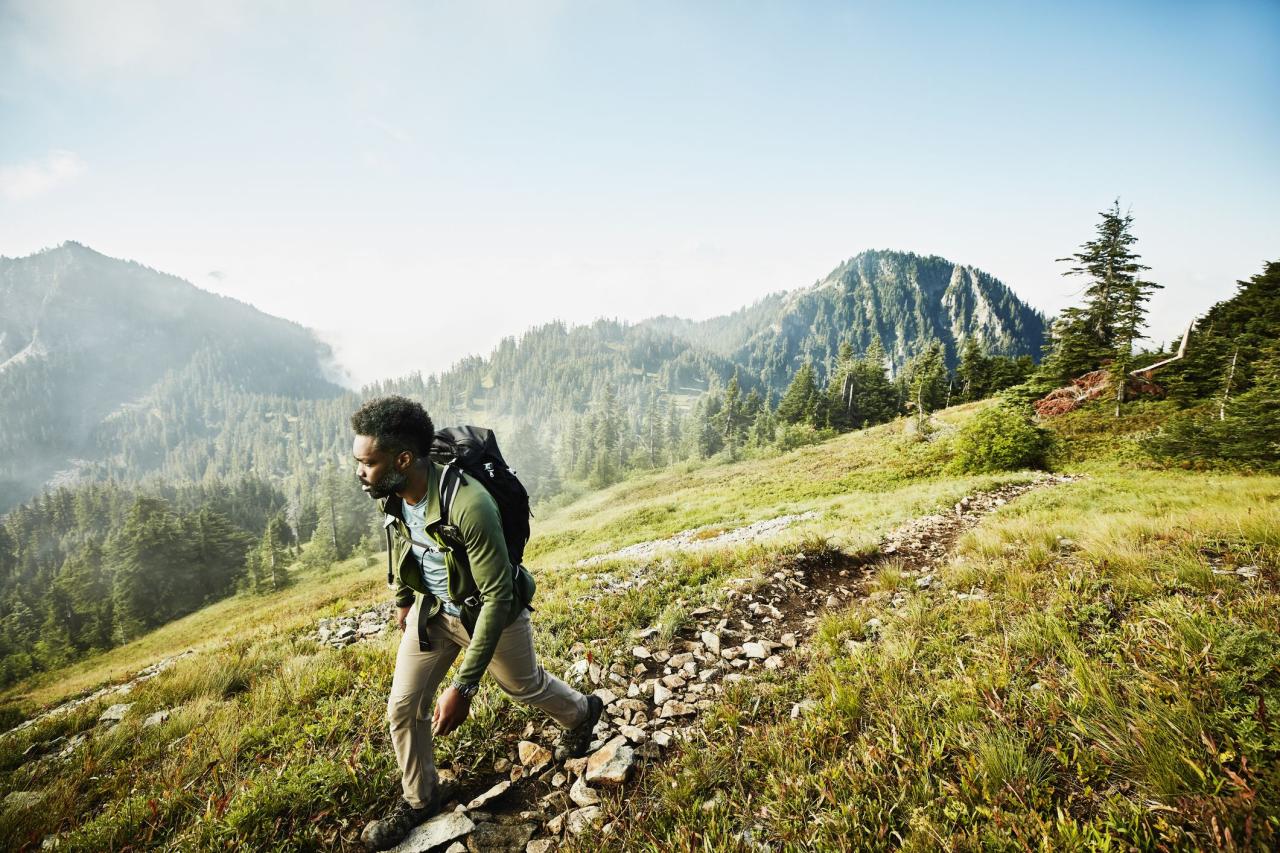
Pursuing outdoor adventures with children offers a wonderful opportunity to foster curiosity, learning, and a love for nature. Keeping kids actively engaged during hikes and camping trips not only enhances their experience but also encourages environmental awareness and develops their observational skills. Creative and age-appropriate activities can transform a simple outing into an educational journey filled with discovery and fun.When children are involved in the planning and execution of outdoor activities, they develop a sense of ownership and enthusiasm for the trip.
Incorporating games, storytelling, and nature-based crafts into your itinerary ensures that kids remain interested and motivated throughout the adventure. These activities can be tailored to different age groups, making the outdoor experience both enjoyable and meaningful for all participants.
Fun and Educational Activities on the Trail
Introducing a variety of engaging, educational activities along the trail can turn hiking into a captivating experience for children. These activities stimulate curiosity, promote learning about the environment, and encourage active participation.
Consider implementing activities such as:
- Nature scavenger hunts: Create lists of natural items for children to find, such as specific leaves, rocks, insects, or animal tracks. This activity sharpens observation skills and introduces children to local flora and fauna.
- Wildlife observation: Equip kids with binoculars and guidebooks to spot and identify birds, insects, and other wildlife. Teach them to listen for bird calls and look for signs of animal activity.
- Plant identification: Encourage kids to learn about different plants, trees, and flowers they encounter, emphasizing the importance of plant diversity in ecosystems.
- Natural crafts: Collect leaves, pinecones, and stones to create art projects or souvenirs, fostering creativity and appreciation for natural materials.
Involving Kids in Planning and Setting Up Campground Activities
Involving children in planning elements of the camping trip enhances their engagement and responsibility. When kids participate in setting up tents, organizing meals, or designing campfire activities, they develop practical skills and a sense of accomplishment.
Effective methods include:
- Collaborative planning: Allow children to choose activities they are interested in, such as fishing, star gazing, or nature walks, within the trip’s framework.
- Camping setup roles: Assign age-appropriate tasks like gathering firewood, organizing sleeping areas, or helping with meal prep, promoting teamwork and independence.
- Designing campfire stories or games: Invite children to create their own stories or plan evening games, fostering creativity and participation.
Storytelling and Nature Discovery Explaining Techniques
Storytelling and guided explanations about nature can captivate children’s imaginations and deepen their understanding of the environment. Using descriptive language and engaging narratives makes learning about nature both fun and memorable.
Strategies to enhance nature discovery include:
- Mythical stories and legends: Share tales about local animals, plants, or historical events associated with the area, aligning stories with the natural elements encountered.
- Interactive identification: Encourage children to describe what they see, smell, or hear, and then relate these observations to ecological concepts or animal behaviors.
- Exploration with questions: Use open-ended questions to stimulate curiosity, such as “What do you think this animal is doing?” or “Why do you think these leaves are different colors?”
Games and Nature-Based Crafts for Outdoor Learning
Incorporating games and crafts rooted in nature enriches the outdoor experience by blending fun with education. These activities stimulate sensory engagement and foster a deeper connection to the environment.
Some popular examples include:
- Bug hunts: Set up a game to find and observe insects, learning about their roles in the ecosystem.
- Leaf rubbings and bark impressions: Use crayons and paper to capture textures, helping children learn about plant surfaces and patterns.
- Rock painting: Collect smooth stones and decorate them with natural motifs or colorful designs, turning natural resources into art projects.
- Nature-themed memory games: Create cards featuring images of local flora and fauna, and play matching games to reinforce recognition skills.
Encouraging children to participate actively in these activities not only makes the outdoor experience enjoyable but also cultivates lifelong appreciation for nature and outdoor skills.
Managing Meal Preparation and Nutrition
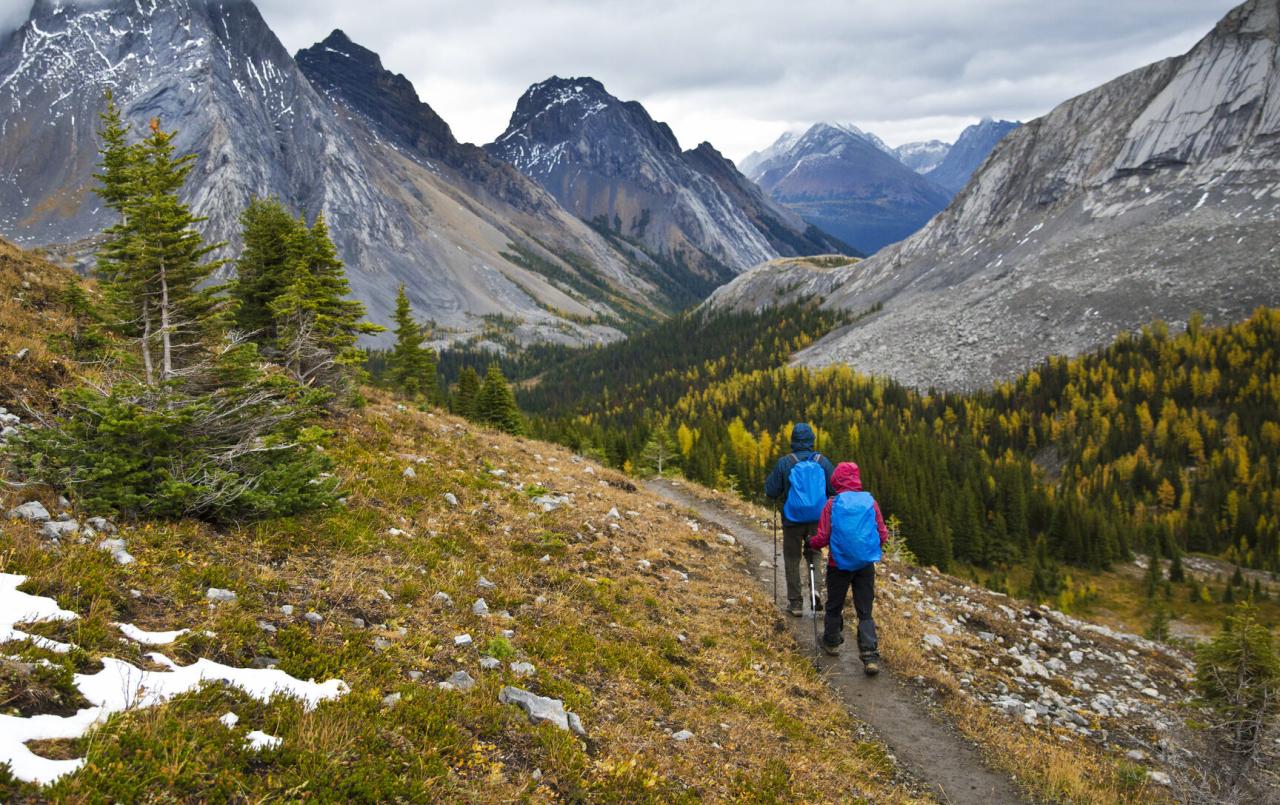
Ensuring children receive proper nutrition during camping trips is crucial for maintaining their energy, mood, and overall health. Proper meal planning not only supports active outdoor adventures but also provides a fun opportunity to teach kids about healthy eating habits. Engaging children in meal preparation can foster their interest in nutritious foods while creating memorable family experiences amidst nature.A well-structured approach to meal planning involves selecting simple, nutritious recipes that are easy to prepare outdoors.
Incorporating a variety of food groups—such as fruits, vegetables, whole grains, and lean proteins—ensures children get essential nutrients needed for their growth and activity levels. Additionally, packing snacks and drinks that sustain energy is vital for keeping kids active during hikes and exploring.
Planning Simple, Nutritious Meals for Children During Camping Trips
Creating meal plans that are straightforward and balanced makes outdoor cooking manageable and enjoyable. Focus on recipes that require minimal preparation and cooking time, yet are rich in nutrients. Incorporate versatile ingredients such as pre-cooked grains, canned beans, fresh fruits, and vegetables that can be easily assembled or cooked with limited equipment. For example, foil packet meals with chicken and vegetables or breakfast oats with dried fruits are convenient options.
Planning meals around popular favorites, like grilled cheese sandwiches or fruit salads, ensures children are more likely to eat well despite the outdoor setting.Using a meal chart or checklist can aid in organizing ingredients and reducing last-minute stress. It’s also beneficial to prepare some components in advance, such as pre-cut vegetables or portioned snacks, to streamline cooking processes at the campsite.
Involving Kids in Meal Prep to Enhance Engagement
Encouraging children to participate in meal preparation can boost their enthusiasm for eating and foster a sense of responsibility. Simple tasks like washing produce, tearing lettuce, assembling sandwiches, or placing ingredients on skewers for kebabs are suitable for young campers. Such involvement not only educates them about food but also makes the meal more appealing as they feel part of the process.To enhance engagement, turn meal prep into fun activities or mini-competitions.
For example, children can create their own trail mix from a selection of nuts, dried fruits, and seeds, or decorate their own fruit kabobs with colorful slices. Providing age-appropriate tools and guidance ensures safety while allowing kids to develop basic cooking skills and confidence.
Tips for Packing Snacks and Drinks That Sustain Energy Levels
Snacks and drinks are essential for maintaining energy and hydration during outdoor activities. Pack a variety of nutrient-dense options that are portable, non-perishable, and appealing to children. Examples include trail mix with nuts and dried fruits, granola bars, fruit leather, and whole-grain crackers. Hydration is equally important; carry plenty of water, infused water with slices of citrus or berries for flavor, and electrolyte drinks if engaging in vigorous activity.For long hikes, consider packing compact, high-energy snacks that provide quick fuel, such as energy bites made from oats, honey, and nut butter.
Including a mix of sweet and savory options caters to different preferences and ensures children remain energized throughout the day.
Sample Menus and Quick Recipes Suitable for Kids in Outdoor Settings
Designing menus that are simple yet nutritious ensures children enjoy their meals and stay energized during camping adventures. Some sample menus include:
- Breakfast: Oatmeal prepared with powdered milk, topped with dried fruits and nuts; or whole-grain cereal with fresh berries.
- Lunch: Whole-grain wraps filled with hummus, sliced turkey, and raw vegetables; or cheese and veggie skewers with a side of fruit.
- Dinner: Foil packet grilled chicken with vegetables; or instant rice with canned beans and salsa.
Quick recipes that are ideal for outdoor cooking include:
- Trail Mix Energy Bites: Mix rolled oats, honey, nut butter, dried fruits, and chocolate chips; form into balls and refrigerate before packing.
- Grilled Veggie Skewers: Thread chunks of bell peppers, zucchini, cherry tomatoes, and mushrooms onto skewers; grill over campfire or portable stove for about 10 minutes.
- Fruit Salad: Combine chopped melons, berries, grapes, and banana slices; serve in reusable containers for quick, refreshing snacks.
These options offer flexibility, require minimal equipment, and cater to children’s taste preferences while ensuring they receive the necessary nutrients for outdoor activities.
Environmental Responsibility and Leave No Trace

Teaching children to respect and care for the natural environment during camping trips instills lifelong values of conservation and stewardship. Incorporating Leave No Trace principles helps ensure that outdoor spaces remain pristine and enjoyable for future generations, fostering a strong connection between children and nature.
Implementing best practices for minimizing environmental impact involves proactive planning and mindful behavior. As families venture into natural areas, understanding and applying eco-friendly techniques safeguards ecosystems, preserves biodiversity, and promotes responsible outdoor recreation.
Teaching Children About Respecting Nature
Integrating environmental education into outdoor adventures encourages children to develop an appreciation for the natural world. Discussing the importance of wildlife, plants, and clean environments helps children recognize their role in protecting these resources. Engaging activities such as identifying native species or observing animals quietly can foster curiosity and respect. Reinforcing positive behavior, like refraining from disturbing wildlife or picking flowers, emphasizes the importance of coexistence with nature.
Through storytelling and examples, children learn that their actions can either harm or help the environment, cultivating a sense of responsibility.
Minimizing Environmental Impact During Camping
Practicing responsible camping techniques reduces the ecological footprint of outdoor activities. This includes selecting established campsites to prevent habitat destruction, using eco-friendly sanitation methods, and minimizing waste. Carrying reusable containers, biodegradable soaps, and packing out all trash demonstrates a commitment to preservation. Setting up camp in designated areas avoids damaging sensitive vegetation and wildlife habitats. Encouraging children to participate in cleanup efforts and resource conservation activities fosters direct involvement and reinforces the importance of protecting natural areas.
Environmental Ethics to Instill in Kids
Instilling core environmental ethics in children builds a foundation of environmentally conscious behavior. The following principles serve as a guide:
- Respect all living things: Recognize the intrinsic value of wildlife, plants, and ecosystems.
- Practice responsible waste disposal: Always pack out trash, avoid littering, and use biodegradable products.
- Stay on designated trails and campsites: Protect fragile environments by avoiding unnecessary disturbance.
- Leave what you find: Do not pick plants, disturb natural features, or remove artifacts.
- Conserve resources: Use water and energy efficiently, and minimize fire impact by using established fire rings or stoves.
- Educate and lead by example: Model sustainable behaviors for peers and younger children.
Organizing Cleanup Activities and Preserving Natural Areas
Engaging children in cleanup activities not only clears the environment but also reinforces their role as caretakers of nature. Organizing a trail or campsite cleanup involves setting clear objectives, providing necessary supplies such as gloves and trash bags, and guiding children through safe waste collection. Making cleanup routines fun and rewarding encourages ongoing participation. Teaching children about the long-term benefits of maintaining clean and healthy ecosystems instills pride and a sense of accomplishment.
Emphasizing the importance of preserving natural areas for wildlife, recreation, and future generations helps foster a lifelong commitment to environmental stewardship.
Final Conclusion
In conclusion, mastering how to hike while camping with kids combines thoughtful preparation, safety measures, and engaging educational activities. By incorporating these strategies, families can enjoy the great outdoors with confidence and joy, cultivating a lifelong appreciation for nature. Remember, the key is to balance safety with fun, ensuring that every adventure becomes a cherished family story.