Discovering the perfect campsite within a national park can greatly enhance your outdoor experience. Whether you’re a seasoned camper or a first-time visitor, understanding how to find a suitable spot ensures a safe, enjoyable, and memorable adventure amidst nature’s beauty.
This guide explores essential strategies for researching, planning, and securing campsites using official resources, reservation systems, and alternative options. By mastering these steps, you can confidently navigate the process of finding the ideal camping location tailored to your needs and preferences.
Overview of Finding Campsites in National Parks
Locating the ideal campsite within a national park is a vital aspect of planning a successful outdoor adventure. The right campsite not only enhances the overall experience but also ensures safety, accessibility, and compliance with park regulations. Selecting a suitable site requires understanding the available options, the process involved, and the sources of reliable information that can guide decision-making.
Effective campsite discovery involves a systematic approach that begins with research and utilizes various resources such as official park websites, detailed maps, and park rangers. Being well-informed about the location, facilities, rules, and environmental considerations helps campers choose a site that aligns with their needs and preserves the natural beauty of the park for future visitors.
Step-by-Step Guide to Locating Suitable Campsites
Finding the right campsite entails following a structured process that maximizes safety, convenience, and enjoyment. Here are the key steps involved:
- Research Park Regulations and Availability: Begin by reviewing the national park’s official website to understand camping policies, reservation procedures, and available sites. Many parks require advance reservations, especially during peak seasons.
- Identify Camping Zones and Types: Determine whether the park offers developed campgrounds, backcountry sites, or dispersed camping options. Each type caters to different preferences and experience levels.
- Consult Official Maps and Resources: Utilize detailed park maps, which often indicate designated campsites, water sources, trails, and amenities. These maps are available online or at park visitor centers.
- Assess Site Criteria and Personal Preferences: Consider factors such as proximity to water, accessibility, privacy, and environmental sensitivities. Matching these with your needs ensures a more comfortable stay.
- Make Reservations or Plan for First-Come, First-Served Sites: Depending on the park’s policies, secure reservations in advance or plan to arrive early for unreserved sites, especially during busy periods.
Throughout this process, maintaining flexibility and preparing alternative options can help mitigate uncertainties, ensuring a smooth camping experience.
Sources of Information for Campsite Discovery
Reliable sources of information are essential for effective campsite identification and planning. These resources provide accurate, up-to-date details about available sites, regulations, and park-specific considerations.
| Source | Description |
|---|---|
| Official Park Websites | Most national parks maintain comprehensive websites featuring maps, reservation systems, camping rules, and contact information. Examples include the National Park Service (NPS) website and individual park pages, which provide detailed insights into camping options and regulations. |
| Park Maps and Guidebooks | Printed or digital maps and guidebooks offer detailed layouts of campsites, trails, water sources, and facilities. These are often available at visitor centers, online, or through authorized retailers. |
| Visitor Centers and Park Rangers | On-site personnel provide valuable, real-time information about campsite availability, local conditions, safety tips, and any restrictions that may affect camping plans. |
| Reservation Platforms | Authorized booking systems such as Recreation.gov facilitate reservations for designated sites in many national parks, offering convenience and confirmed availability. |
| Digital Forums and Review Sites | Community-driven platforms like TripAdvisor or dedicated camping forums can offer practical tips, recent visitor experiences, and recommendations, complementing official sources. |
Utilizing multiple sources ensures comprehensive knowledge and reduces uncertainties when planning a camping trip in a national park.
Research and Planning Before Visiting
Proper research and planning are essential steps to ensure a successful and enjoyable camping experience in a national park. Gathering detailed information about regulations, site availability, and the best spots to stay can help avoid last-minute surprises and maximize your outdoor adventure. By preparing thoroughly, you can select the most suitable campsites, adhere to park rules, and make efficient use of your time within the park.Effective planning involves exploring various resources to understand park-specific camping regulations, including reservation requirements, permitted activities, and safety guidelines.
It also enables you to identify popular campsites that may require early booking, as well as lesser-known, quieter locations that provide a more secluded experience. Utilizing multiple sources for information ensures a comprehensive understanding of your options and helps tailor your trip to your preferences and needs.
Gathering Information on Regulations and Site Availability
When preparing for a national park camping trip, acquiring accurate and up-to-date information about regulations and site availability is a foundational step. Each park has its own rules regarding campfire restrictions, pet policies, check-in times, and maximum stay durations, which are often detailed on official park websites or visitor centers. Understanding these regulations helps in planning activities safely and avoiding penalties or disturbances.To gather this information, visitors should consult the official park website, where most parks publish detailed camping guidelines and reservation procedures.
Additionally, contacting park rangers or visitor centers directly can provide clarifications on specific questions or recent updates. Many parks also offer downloadable maps and brochures that Artikel campground locations, amenities, and operational hours.
Identifying Popular and Less Crowded Campsites
Recognizing the difference between highly frequented campsites and more secluded options can greatly enhance your camping experience by aligning with your preferences for social interaction or solitude. Popular sites tend to be close to major attractions, scenic viewpoints, or accessible facilities, often resulting in higher demand during peak seasons.To identify these sites, consider the following methods:
- Review online forums, travel blogs, and social media groups where campers share recent experiences and tips about park campgrounds.
- Consult official park reservation platforms that display real-time availability and occupancy trends, highlighting which sites tend to fill quickly.
- Seek advice from park rangers or local visitor centers, as they often have insights into lesser-known sites that are less crowded but equally scenic and safe.
Some parks also release seasonal reports indicating occupancy rates, which can help you plan visits during off-peak times for a quieter experience.
Comparing Online Reservation Platforms, Park Apps, and Physical Maps
Utilizing the right tools for planning enhances efficiency and accuracy in campsite selection. Online reservation platforms, park-specific apps, and physical maps each offer unique advantages.Online reservation platforms, such as Recreation.gov or ReserveAmerica, provide user-friendly interfaces for checking real-time site availability, making reservations, and paying fees in advance. These platforms often include detailed descriptions, photos, and reviews of campsites, helping you make informed choices without the need for physical visits.Park apps, available for smartphones, typically offer interactive maps, current conditions, alerts, and the ability to modify reservations on the go.
They provide instant updates on closures or restrictions and often include GPS features to help locate campsites within the park.Physical maps, while less dynamic, remain valuable for understanding the park’s geography, trail systems, and campsite locations. These maps are especially useful in areas with limited cell service or for preliminary trip planning before accessing digital resources.A comprehensive approach combines these tools: using online platforms for reservations, park apps for real-time updates, and physical maps for an overall spatial understanding.
This layered strategy ensures thorough preparation and minimizes unforeseen issues during your camping adventure.
Using Official Park Resources
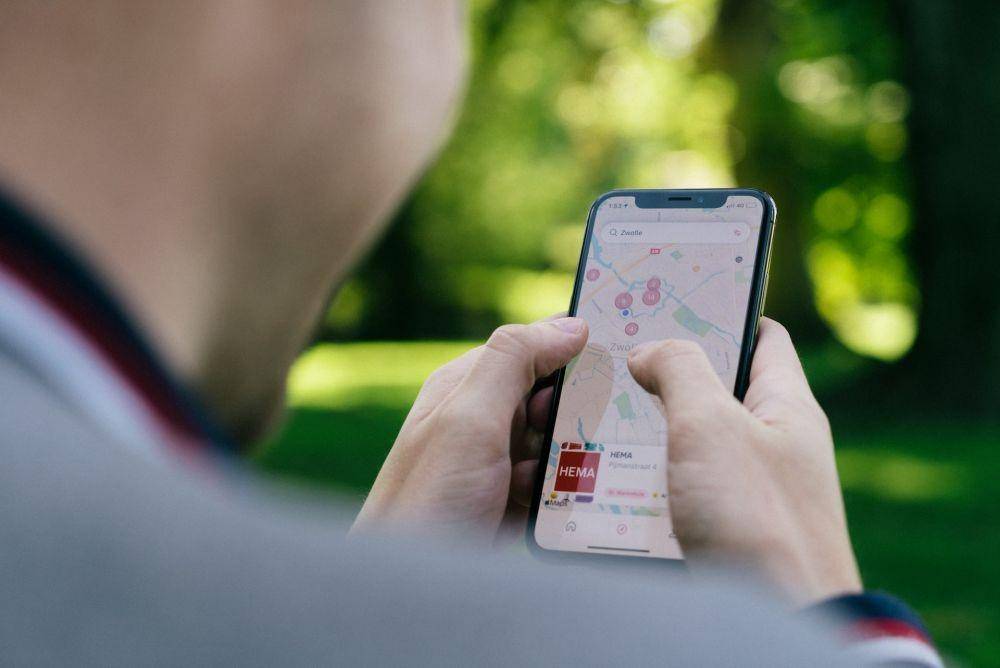
Accessing accurate and up-to-date information through official park resources is essential for a successful camping experience in national parks. These resources provide detailed guidance on campsite availability, reservation procedures, and park-specific regulations, ensuring that visitors can plan effectively and avoid potential issues during their trip.
By utilizing official websites, reservation systems, and informational materials, campers can locate suitable sites, understand park policies, and secure necessary permits beforehand. This approach minimizes uncertainties, saves time, and enhances overall safety during the camping adventure.
Accessing the Park’s Official Website and Reservation System
Begin by visiting the official website of the national park you plan to visit. These websites are typically managed by the National Park Service or respective park authorities and serve as comprehensive sources of current information. Look for sections dedicated to camping, reservations, or visitor services, which often contain links to the reservation platform.
Most parks utilize dedicated reservation systems, such as Recreation.gov in the United States, where you can browse available campsites, view detailed descriptions and photos, and book your spot directly online. To access these systems:
- Navigate to the official park website and locate the camping or reservations tab.
- Follow the link to the reservation portal, which is usually hosted by an authorized platform like Recreation.gov or a similar service.
- Create an account or log in if you already have one.
- Input your desired dates, group size, and other preferences to view campsite availability.
- Select your preferred campsite and complete the reservation process by providing payment details and receiving confirmation.
Booking Methods: Online, Phone, and In Person
Different parks offer various methods for booking campsites, accommodating diverse visitor preferences and circumstances. Understanding these options ensures flexibility and convenience in securing your camping spot.
| Booking Method | Description | Advantages |
|---|---|---|
| Online Reservations | Reservations made via the park’s official website or authorized reservation platform, typically available 24/7. | Convenient, immediate confirmation, accessible from anywhere, detailed site information, and real-time availability updates. |
| Phone Reservations | Reservations arranged through a dedicated park reservation call center or customer service line. | Personal assistance, helpful for resolving specific questions, and suitable if online access is limited. |
| In-Person Reservations | Reservations made directly at the park’s visitor center or reservation office. | Immediate assistance, opportunity to ask questions face-to-face, and applicable when online or phone options are unavailable or preferred. |
Choosing the appropriate booking method depends on your scheduling needs, comfort with technology, and access to resources. Many parks encourage early reservations, especially during peak seasons, to secure preferred campsites and avoid last-minute disappointments.
Interpreting Park Maps and Informational Brochures
Park maps and informational brochures are invaluable tools for locating campsites and understanding the park layout. They typically include detailed diagrams, symbols, and legends that illustrate different camping zones, facilities, trailheads, and points of interest.
When reviewing these materials, pay attention to:
- Campsite Locations: Maps often mark specific sites with symbols or numbered labels, which correspond to descriptions in brochures or online listings.
- Facilities and Amenities: Look for icons indicating restrooms, water sources, fire pits, and picnic areas to plan your campsite based on your needs.
- Accessibility and Routes: Note the proximity of campsites to park entrances, main roads, and trails to optimize your travel and activities.
“Understanding the park map enhances your ability to select an optimal campsite, considering factors like privacy, convenience, and scenery. It also helps in planning efficient routes and ensuring compliance with park regulations.”
In summary, thoroughly studying official park maps and brochures enables campers to make informed decisions about campsite selection, navigate the park more effectively, and enjoy their outdoor experience with confidence and clarity.
Navigating Campsite Selection Criteria

Choosing the ideal campsite within a national park involves careful consideration of various factors that influence safety, convenience, and environmental responsibility. Understanding these criteria helps ensure a rewarding outdoor experience while preserving the natural beauty of the area for future visitors. When selecting a campsite, it’s essential to weigh proximity to key features, available amenities, and the environmental impact of your choice.A systematic approach to evaluating campsites can make the decision-making process more effective.
By establishing a clear checklist and comparing options based on specific criteria, campers can select sites that best align with their needs and values. This method promotes safety, accessibility, and sustainability, ensuring a positive experience for all.
Key Factors for Campsite Selection
Assessing each potential campsite involves examining several critical factors that directly affect your comfort and safety. These factors include proximity to popular or challenging trails, availability of amenities such as fire pits or restrooms, access to water sources, and the overall safety of the location.Proximity to trails is vital for minimizing travel time and energy expenditure, especially if you plan early morning hikes or late-night stargazing.
Amenities like potable water, sanitation facilities, and designated fire rings enhance comfort and convenience but should be balanced with environmental considerations. Access to water sources is crucial for hydration, cooking, and cleaning; however, campsites too close to water bodies may pose risks of flooding or environmental degradation.
Checklist for Evaluating Campsites
Using a structured checklist helps campers systematically assess each site to determine its suitability. The following list includes essential criteria for evaluating potential campsites:
- Proximity to Trails: Is the site conveniently close to main or secondary trails without being overly disruptive?
- Water Access: Is there a reliable water source nearby, and can it be accessed without disturbing wildlife or damaging vegetation?
- Amenities: Does the site offer necessary facilities such as toilets, fire rings, picnic tables, or waste disposal options?
- Level Ground: Is the campsite on a flat, well-drained area suitable for tents and avoiding flood zones?
- Shade and Shelter: Are there trees or natural features providing shade and wind protection?
- Accessibility: Can the site be reached easily by vehicle or on foot, considering your gear and physical ability?
- Environmental Impact: Does the site avoid sensitive habitats, nesting areas, or fragile ecosystems?
- Safety Considerations: Is the site away from potential hazards such as falling trees, unstable ground, or wildlife attractants?
Comparing Campsites Based on Accessibility, Safety, and Environmental Impact
After evaluating each potential campsite against the checklist, comparing options requires a focus on three core aspects: accessibility, safety, and environmental sustainability. These factors collectively determine the overall suitability and impact of your campsite choice.Accessibility involves analyzing how easily you and your gear can reach the site. Consider the distance from parking areas, the difficulty of terrain, and whether the site accommodates your physical capabilities.
A more accessible site minimizes stress and allows for more enjoyable outdoor activities.Safety encompasses evaluating the risks associated with each site. Look for locations that are well-drained to avoid flooding, away from wildlife corridors or nesting areas, and situated away from natural hazards like falling branches or unstable slopes. Ensuring safety also involves assessing the proximity to emergency services or park ranger stations.Environmental impact emphasizes selecting sites that minimize ecological disturbance.
Opt for established campsites when possible, and avoid setting up in sensitive habitats. Use Leave No Trace principles to reduce your footprint, such as avoiding trampling vegetation and properly disposing of waste.
Prioritizing sustainability and safety ensures an enjoyable and responsible camping experience that respects the natural environment and adheres to park regulations.
In making your decision, weigh the benefits of each site against potential drawbacks, aiming for a balance that aligns with your needs and preserves the integrity of the park’s ecosystem.
Tips for Securing a Campsite
Securing a campsite in a national park can sometimes be a competitive and time-sensitive process, especially during peak seasons. Implementing effective strategies can significantly increase the likelihood of obtaining your preferred spot, ensuring a smooth and enjoyable outdoor experience. Whether planning well in advance or seeking last-minute availability, understanding the best practices for campsite reservation is essential.Securing a campsite requires a combination of proactive planning, timely action, and flexibility.
Early booking is often the most reliable method to guarantee your place, but there are also options if your trip is less planned or spontaneous. Knowing how to navigate these options can make a considerable difference when visiting popular parks or during busy seasons.
Early Booking During Peak Seasons
During peak seasons, campsites tend to fill quickly, sometimes within minutes of reservations opening. To maximize your chances:
- Register for park-specific reservation systems ahead of time and create an account to streamline the booking process.
- Familiarize yourself with the reservation opening dates—these are often published well in advance on official park websites.
- Set reminders or alarms to ensure you are ready to book as soon as reservations open.
- Be flexible with your preferred dates and campsite locations to increase availability options.
- Consider booking multiple campsites or alternative parks if your primary choice is fully booked.
Block booking periods often begin several months before peak seasons, such as summer or holiday weekends, making early preparation crucial. Some parks also offer tiered release times, with a limited number of sites available at each opening, emphasizing the importance of prompt action.
Securing Last-Minute Campsites
Despite early planning, last-minute opportunities can arise, and parks often keep some sites available for spontaneous campers. Approaching this scenario involves direct communication with park staff and awareness of waitlist procedures:
- Contact the park’s visitor center or reservation office directly to inquire about cancellations or unclaimed sites. Staff can often provide real-time updates or suggest alternative options.
- Join a waitlist for popular campsites. Many parks allow you to add your name to a waitlist either online or in person, increasing your chances of securing a spot if cancellations occur.
- Monitor reservation platforms frequently, especially on the day of your intended arrival, as cancellations are often posted last minute.
- Visit the park early in the day to inquire about cancellations or walk-in availability, as some last-minute sites are allocated on a first-come, first-served basis.
Building a friendly rapport with park staff can sometimes provide insight into cancellations and unadvertised openings, offering a competitive edge for last-minute camping.
Modifying Existing Reservations
Adjusting your reservation can be necessary due to changes in plans or the need for a different campsite. The process involves:
- Review the park’s official reservation platform or contact the reservation office to understand the specific policies regarding modifications.
- Log into your account and access your reservation details to explore options for date or site changes.
- If modifications are available online, follow the prompts to select new dates or campsites; confirm all changes before finalizing.
- For complex changes or special requests, communicate directly with park staff via phone or email, providing your reservation number and preferred adjustments.
- Be mindful of potential fees or restrictions associated with modifications, especially if changing to a different site or extending your stay.
Timely modifications can help you adapt your plans without losing your reservation, ensuring a seamless camping experience.
Alternative Ways to Find Campsites

Finding a campsite in a national park can sometimes require exploring options beyond traditional reservation methods. With the advent of technology and community-driven resources, outdoor enthusiasts now have a variety of alternative avenues to discover suitable camping sites. These methods can be especially valuable when official reservations are full or when seeking a more adventurous or private experience.Exploring these alternative options enhances flexibility and increases the chances of securing an appropriate campsite that aligns with individual preferences and needs.
Utilizing innovative tools and engaging with local communities can provide insider knowledge and real-time information that traditional sources may not offer.
Using Camping Apps and Websites with Real-Time Availability
Modern camping apps and websites have revolutionized the way campers find available sites, providing up-to-the-minute data on campsite status, amenities, and reservations. These digital tools often feature interactive maps, user reviews, and filtering options to tailor searches based on preferences such as tent-only sites, RV hookups, or proximity to trailheads.Some popular camping platforms include AllTrails, Recreation.gov, Hipcamp, and Campendium, which offer extensive listings across national parks and private lands.
These apps frequently update availability, allowing users to secure last-minute reservations or identify nearby open sites, thus minimizing the time spent searching and increasing the likelihood of finding a suitable spot.
Exploring Dispersed Camping Outside Designated Areas
Dispersed camping offers a more flexible and immersive experience by camping outside designated campgrounds, often on public lands managed by agencies like the U.S. Forest Service or Bureau of Land Management. This approach requires familiarity with local regulations, including restrictions on campfire use, waste disposal, and maximum stay durations.To explore dispersed camping options, campers should consult official maps and guides, often available online or at ranger stations, which delineate permissible areas.
Visiting these sites entails practicing Leave No Trace principles, setting up camp conspicuously away from water sources, and ensuring minimal environmental impact. Dispersed camping is ideal for those seeking solitude, a deeper connection with nature, or cost-effective overnight stays.
Engaging with Local Camping Communities and Forums
Local camping communities and online forums serve as valuable sources of insider tips and firsthand experiences, often revealing lesser-known sites or current conditions that official sources may not reflect. Platforms such as Reddit, Facebook groups, and specialized outdoor forums provide spaces where experienced campers share recommendations, coordinate meetups, and exchange practical advice.Participating in these communities allows campers to learn about nearby hidden gems, seasonal considerations, and specific site conditions.
Engaging with local clubs or visitor centers can also provide printed guides, maps, or advice tailored to the specific national park or surrounding region, fostering a more informed and connected camping experience.
Preparing for the Campsite Search

Finding the perfect campsite in a national park requires thorough preparation to ensure a smooth and enjoyable experience. Proper planning minimizes frustrations and maximizes your time exploring the natural beauty of the park. Being well-prepared with the right tools and information allows you to navigate campsite options efficiently and respond effectively to any changes or unexpected situations that may arise during your visit.A comprehensive approach to your preparation involves gathering essential items, understanding how to utilize navigation tools effectively, and staying informed about current campsite conditions and alerts.
This proactive mindset enhances your ability to select and secure a campsite that best suits your needs and preferences, providing a safe and enjoyable outdoor adventure.
What to Bring for the Campsite Search
Having the right equipment and documents on hand is crucial for a successful campsite search. Prepare a checklist of necessary items to ensure nothing important is overlooked. Essential items include physical maps of the park, reservation confirmation documents, and adequate camping gear such as tents, sleeping bags, lighting, and cooking equipment.Carrying physical maps of the park provides a reliable navigation resource, especially in areas where cell service might be limited.
Reservation confirmations—whether printed or saved digitally—serve as proof of your booking and help streamline your check-in process. Additionally, packing versatile camping gear ensures comfort and readiness for various weather conditions and terrain types you may encounter.
Using Physical Maps and GPS Devices for Navigation
Effective navigation within a national park involves combining traditional and modern tools. Physical maps offer a detailed overview of park roads, trails, and designated camping areas, serving as a reliable backup in case of electronic device failure. When using maps, pay attention to landmarks, trail markers, and campsite symbols to orient yourself accurately.GPS devices are valuable for real-time location tracking and route planning.
Before your trip, ensure your GPS device is fully charged and loaded with relevant park maps or waypoints. During navigation, use GPS to verify your position, especially when searching for less obvious campsites or exploring backcountry areas. Combining the use of physical maps with GPS technology offers redundancy and precision, enhancing your confidence in navigating unfamiliar terrain.
Checking for Updates or Alerts About Campsite Availability
Staying informed about current campsite conditions is vital for planning and adapting your plans as needed. Many parks provide real-time updates through official websites, visitor centers, or park alerts systems. Regularly checking for notifications regarding campsite availability, closures, weather alerts, or maintenance activities ensures you have the latest information to make informed decisions.Utilize park-specific apps or online platforms that offer live updates, and subscribe to alerts if available.
These sources often provide details such as which campsites are currently occupied, which are open, and any restrictions or special advisories affecting the park. Being aware of these updates helps prevent unnecessary trips to fully booked areas or unexpected surprises during your search, ultimately contributing to a safer and more enjoyable outdoor experience.
Final Thoughts

In summary, locating the right campsite in a national park involves thorough research, effective planning, and utilizing various resources. With the right preparation and knowledge, you can secure a perfect spot to relax and immerse yourself in nature’s serenity, making your outdoor trip truly unforgettable.