Knowing how to pack first aid for camping is essential for ensuring safety and preparedness during outdoor adventures. Properly organized first aid supplies can make all the difference when addressing injuries or medical emergencies in remote settings.
This guide provides comprehensive instructions on selecting the right components, organizing them efficiently, and customizing your first aid kit to suit various camping environments, helping you stay prepared for any situation.
Selecting the right container for camping first aid supplies
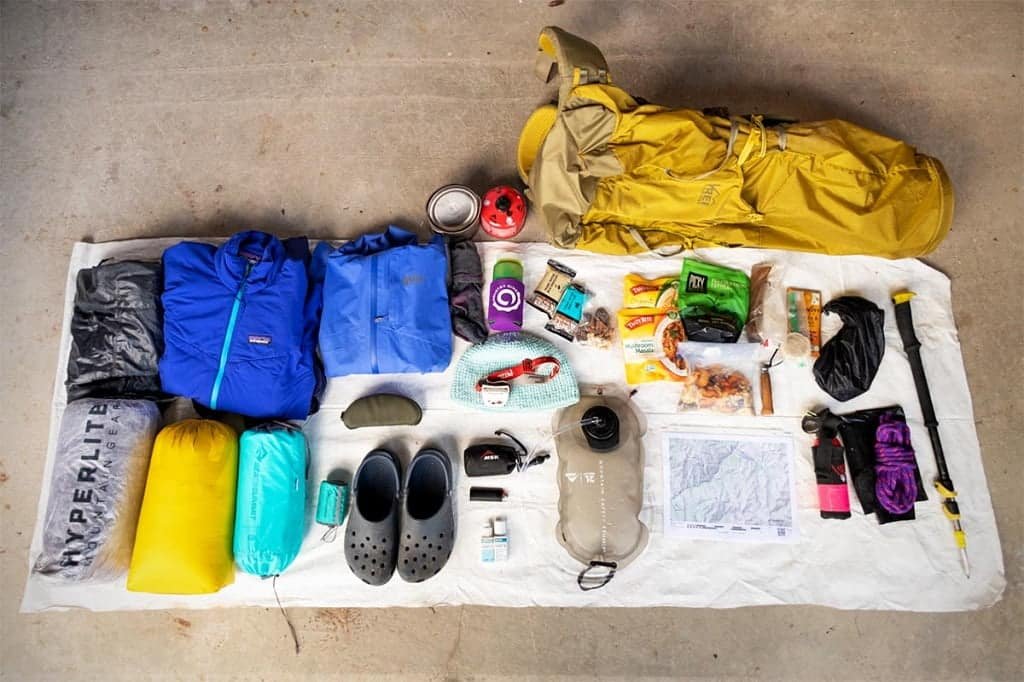
Choosing an appropriate container for your camping first aid kit is crucial to ensure that supplies remain organized, accessible, and protected from environmental elements. The right container enhances safety, convenience, and durability during outdoor adventures, making it easier to respond effectively in emergency situations.
When selecting a container for camping first aid supplies, it is essential to consider factors such as material resilience, portability, waterproof capabilities, and ease of organization. The container must withstand rough handling, exposure to moisture, and varying temperatures while remaining lightweight enough to carry comfortably. Proper organization within the container also ensures quick access to necessary items, which can be vital in emergency scenarios.
Types of containers suitable for outdoor use
Various containers are designed to meet the demands of outdoor environments, each offering distinct advantages based on their material composition and design features. Understanding these options can help in selecting the most suitable container for your camping needs.
| Container Type | Advantages | Considerations |
|---|---|---|
| Plastic Cases |
|
|
| Metal Boxes |
|
|
| Waterproof Fabric Pouches or Bags |
|
|
In outdoor settings, durability and portability are paramount. Plastic containers are ideal for light, casual camping trips where ease of transport is a priority. Metal boxes suit scenarios requiring robust protection, such as extended wilderness expeditions or environments with rough handling. Waterproof fabric pouches excel in situations where weight reduction and waterproofing are critical, especially when dealing with unpredictable weather conditions.
The choice ultimately depends on the specific requirements of your camping adventure, balancing factors like weight, durability, and environmental exposure.
Organizing and labeling first aid items
Effective organization within the chosen container is essential to ensure quick access and efficient management of supplies during emergencies. Proper labeling and compartmentalization help prevent delays and confusion when responding to injuries or health issues in the outdoors.
Begin by categorizing items based on their use, such as wound care, medications, tools, and personal items. Use compartments, dividers, or small containers within the main case to separate these categories. For example, bandages and dressings should be stored together, while antiseptics and ointments are kept in another section. Clear, durable labels on each compartment or container facilitate rapid identification of contents, especially under stressful conditions.
Labeling items with permanent markers or printed tags improves accessibility and reduces search time during emergencies.
Consider incorporating a checklist inside the lid of the container to verify that all necessary supplies are present before heading out. Additionally, ensure that frequently used items are stored in easily reachable locations, enabling swift retrieval when needed most. Proper organization not only enhances safety but also prolongs the usability of supplies by preventing unnecessary damage or contamination.
Customizing the First Aid Kit for Different Camping Environments

Developing a comprehensive first aid kit tailored to specific camping environments enhances safety and preparedness. Recognizing that the landscape, weather conditions, and duration of your camping trip influence the types of injuries or health issues that may arise is essential for effective customization. The ability to adapt your supplies ensures quick response times and appropriate treatment, minimizing the impact of unforeseen incidents in remote or challenging settings.Adjusting your first aid kit based on terrain, weather, and trip length involves assessing potential risks and incorporating specialized items accordingly.
For example, a mountain expedition may necessitate additional supplies for altitude sickness or cold injuries, while desert camping might require extra hydration-related items and sun protection. Longer trips in secluded areas demand a more extensive inventory of medical supplies, including those for managing infections or more severe trauma, given limited access to medical facilities.
Procedures for Adjusting Supplies Based on Terrain, Weather, and Duration
Tailoring your first aid kit begins with a thorough evaluation of the specific environment and duration of your camping adventure. Start by researching common hazards associated with your chosen terrain—such as snake bites in rocky areas, frostbite in cold climates, or dehydration in arid regions. Based on these risks, include relevant items like snake bite kits, thermal blankets, or electrolyte tablets.Weather conditions heavily influence the contents of your kit.
In cold or wet environments, ensure the inclusion of waterproof dressings, hand warmers, and insulated gloves. For hot and sunny conditions, add extra sunscreen, insect repellent, and hydration packs. For extended trips, consider packing additional supplies such as extra bandages, antiseptic ointments, and tools for wound cleaning, as well as medications for altitude sickness or allergic reactions.Create a checklist that incorporates these factors, and periodically review and update your kit before each trip.
Training in how to use specialized items enhances the effectiveness of your preparations, ensuring readiness for environment-specific challenges.
Optional Items for Remote or High-Altitude Camping
Remote or high-altitude camping environments pose unique health risks that require specialized supplies. When venturing into areas with limited access to medical assistance, it is prudent to include additional optional items that address these challenges. These items improve your capacity to manage emergencies independently until professional help can be reached.A comprehensive list of optional supplies for such environments includes:
- Altitude sickness medications, such as acetazolamide, to prevent or treat symptoms like headaches and nausea
- Additional oxygen sources or portable oxygen tanks to alleviate hypoxia
- Extra high-SPF sunscreen and UV-protective sunglasses to prevent sunburn and snow blindness
- Thermal clothing and insulated blankets to combat cold and hypothermia
- Specialized tools like a survival knife, signaling devices, and emergency shelter components
- Extended medical supplies, including larger quantities of antiseptics, wound closure devices, and sterile dressings
Including these optional items ensures preparedness for specific circumstances encountered in remote or elevated terrains, where medical facilities may be far away.
Including and Organizing Specialty Supplies for Snake Bites and Altitude Sickness
Specialized medical supplies are critical when camping in environments where certain injuries or health issues are prevalent. Proper inclusion and organization of these items facilitate rapid access and effective response, which can be vital in emergencies like snake bites or altitude sickness.Snake bite kits should contain:
- Sterile compression bandages that can be used to immobilize the affected limb
- Antiseptic wipes for cleaning the bite area
- Instruction manual or quick-reference guide on how to immobilize and transport the victim
- Pair of gloves to prevent infection and contact with venom
Altitude sickness kits may include:
- Medications such as acetazolamide or ibuprofen for headache relief
- Portable oxygen supplies and nasal cannulas
- Vitamin C supplements and iron tablets to support acclimatization
- Thermal blankets and extra warm clothing to prevent hypothermia due to cold, which can exacerbate altitude effects
- Detailed personal health records and emergency contact information
Organizing these supplies in a clearly marked, easily accessible compartment within your first aid kit ensures swift deployment when needed. Regularly reviewing and practicing with these specialized kits enhances confidence and effectiveness during actual emergencies in demanding camping environments.
Maintenance and replenishment of camping first aid kits

Proper maintenance and regular replenishment of your camping first aid kit are essential to ensure its readiness and effectiveness in emergency situations. Over time, supplies may become depleted, damaged, or expired, potentially compromising your ability to address injuries promptly. Implementing a routine for inspecting, cleaning, and updating your kit helps maintain its optimal condition and ensures safety during outdoor adventures.Routine maintenance involves systematic checks of all items within the kit to verify their condition and usability.
This process includes inspecting supplies for expiration dates, damage, or contamination, as well as cleaning storage containers to prevent mold or dirt buildup. Updating the kit after each trip ensures that any used or expired items are replaced promptly, maintaining a comprehensive and reliable first aid resource for future outings.
Inspecting, cleaning, and updating supplies after each trip
Consistent post-trip reviews are vital for keeping your camping first aid kit in top condition. After every adventure, allocate time to examine each component thoroughly. Check expiration dates on medications, ointments, and antiseptics, replacing those that have surpassed their expiry. Discard any supplies that are damaged, contaminated, or compromised in quality. Clean the storage container with mild soap and water, ensuring it is dry before restocking the supplies to prevent mold and bacterial growth.Update the kit by replenishing used items such as bandages, antiseptic wipes, or pain relievers.
Consider your recent experiences during the trip—if you used specific items, ensure they are replaced immediately to maintain a full inventory. Keeping a detailed list or inventory sheet can facilitate this process, preventing any oversight of essential supplies.
Routine maintenance schedule and checklist
Establishing a regular maintenance schedule helps streamline the process of keeping your first aid kit ready for use. Below is an example of an editable schedule and checklist that can be customized based on your camping frequency and the specific contents of your kit:
| Task | Frequency | Description | Responsible Person |
|---|---|---|---|
| Inspect expiration dates | After each trip / Monthly | Check all items, especially medications, ointments, and antiseptics, for expiry | [Name] |
| Clean storage container | Quarterly / After each trip | Wash with mild soap and water, ensure dry before refilling | [Name] |
| Replenish used supplies | After each trip / Weekly | Replace any items used or expired, update inventory list | [Name] |
| Review contents for damage or contamination | Monthly / After each trip | Inspect for broken containers, compromised supplies, or contamination | [Name] |
| Update first aid procedures knowledge | Annually / Biannually | Review and practice first aid techniques with the team | [Name] |
Tracking expiration dates and efficient replacement of items
Monitoring expiration dates is crucial to ensure the safety and effectiveness of your first aid supplies. Use a dedicated inventory log or digital spreadsheet to record the purchase dates and expiration dates of all perishable items. This enables proactive replacement before items become unusable or unsafe.When replacing used supplies, keep a stock of commonly used items, such as bandages, antiseptic creams, and gloves, to facilitate quick restocking.
Consider bulk purchasing for frequently used supplies to reduce costs and ensure you always have essentials on hand. It is also helpful to set reminders on your phone or calendar a few months prior to the expiration dates for timely replacement.For items that are nearing their expiration, evaluate their condition—if they appear intact and uncontaminated, they may still be safely used until the expiry.
However, when in doubt, replacing them ensures safety and peace of mind, especially since some expired supplies can lose their efficacy or potentially cause adverse reactions. Proper documentation and systematic checking minimize the risk of oversight, keeping your camping first aid kit reliable and ready for any emergency.
Emergency Procedures and Usage
Effective management of emergencies during camping is vital to ensure safety and minimize injury severity. Properly understanding how to use your first aid kit swiftly and correctly can make a significant difference in critical situations. Organizing quick-reference guides within the kit enhances accessibility and ensures that even unfamiliar users can respond confidently.To maximize the efficacy of emergency responses, including clearly visible, laminated quick-reference guides within the first aid kit is recommended.
These guides should be laminated for durability and placed in easily accessible compartments or slots. They typically feature step-by-step instructions, illustrations, and essential safety tips for common injuries and medical events. Using color-coded sections or icons can further facilitate rapid identification during stressful situations.Organizing quick-reference materials by emergency type—such as cuts, burns, and allergic reactions—allows users to quickly locate and follow appropriate procedures without fumbling through the entire kit.
Consider including laminated cards or small booklets that highlight procedures with concise, easy-to-follow instructions and visual aids. Position these guides in a dedicated compartment or pocket, ideally near the most frequently used supplies, to promote swift action when needed.
Clear, accessible instructions and visual aids significantly improve response times, ensuring effective intervention even for those with limited first aid training.
Steps for Common Emergencies
Understanding the practical steps to address typical camping injuries ensures prompt and effective care. Providing detailed, easy-to-follow procedures within the kit empowers all users, regardless of their first aid experience, to act confidently in emergencies.When managing cuts and lacerations, follow these steps:
- Ensure personal safety and assess the scene for potential hazards.
- Wear disposable gloves to prevent infection.
- Control bleeding by applying firm, direct pressure with a sterile dressing or clean cloth.
- Elevate the injured area if possible to reduce blood flow.
- If bleeding persists, apply additional dressings and maintain pressure.
- Once bleeding is controlled, clean the wound with sterile saline or clean water if available.
- Apply an antibiotic ointment if appropriate, then cover with a sterile bandage.
- Seek medical attention for deep, large, or contaminated wounds.
For burns, the following steps are critical:
- Stop the burning process immediately—remove the individual from the source of heat or flames.
- Cool the burn with running cool water for at least 10 minutes to reduce tissue damage and pain.
- Remove any constrictive jewelry or clothing near the burn site, unless stuck to the wound.
- Cover the burn with a sterile, non-stick dressing or clean cloth to prevent infection.
- Do not apply creams, ointments, or ice directly to the burn area.
- Provide pain relief as appropriate and seek emergency medical care for severe burns or burns covering large areas.
Handling allergic reactions requires prompt recognition and intervention:
- Identify symptoms such as swelling, hives, difficulty breathing, or dizziness.
- Administer an antihistamine if available and appropriate.
- If the individual shows signs of anaphylaxis (severe swelling, difficulty breathing, or drop in blood pressure), administer an epinephrine auto-injector immediately.
- Call emergency services promptly and monitor the person’s airway and breathing.
- Keep the person calm and in a comfortable position, preferably lying down with legs elevated unless contraindicated.
- Prepare for CPR if necessary while awaiting professional medical help.
Incorporating Visual Aids into the Kit
Visual aids serve as vital tools to facilitate understanding and quick action during emergencies. They can reduce hesitation and errors, especially under stress, by providing clear, pictorial instructions alongside written steps.Including laminated, waterproof diagrams or flowcharts directly within the first aid kit is highly effective. These visual aids can illustrate:
- Proper wound dressing techniques, including how to apply pressure and bandage a cut.
- Steps for cooling and covering burns, with images showing the correct placement of dressings.
- Signs of allergic reactions and the correct administration of epinephrine auto-injectors.
These aids should be positioned in high-visibility areas, such as the inside of the kit lid or in dedicated pockets, to ensure they can be quickly referenced when needed.Additionally, using universally recognized symbols and simplified illustrations can help overcome language barriers, making the guides accessible to all members of a diverse camping group. Consider including a small, foldable chart that summarises emergency steps, which can be unfolded and kept open during an incident for rapid consultation.
Last Point
In conclusion, mastering how to pack first aid for camping not only enhances safety but also boosts confidence during outdoor excursions. Regular maintenance and thoughtful organization of your kit ensure you’re always ready to handle emergencies effectively, allowing you to enjoy your adventure with peace of mind.