Learning how to pack for camping in summer is essential for ensuring a safe, enjoyable, and comfortable outdoor adventure. Proper preparation allows you to manage the hot weather effectively while having all necessary gear at hand. By understanding what to bring and how to organize your supplies, you can maximize your camping experience and avoid common pitfalls associated with summer expeditions.
This comprehensive guide covers the key aspects of packing, including selecting appropriate clothing, food, hydration, camping gear, and safety equipment. It aims to equip outdoor enthusiasts with practical advice and well-organized tips to optimize every aspect of their summer camping trip.
Essential items to pack for summer camping
Summer camping offers a unique opportunity to enjoy the outdoors in warm weather, but it also requires careful packing to ensure comfort, safety, and enjoyment. Having the right gear prevents discomfort caused by heat, sun exposure, and unexpected weather changes, making your outdoor experience more pleasurable and stress-free.
Proper planning involves selecting lightweight, durable, and weather-appropriate items that cater specifically to hotter conditions. This includes choosing gear that promotes ventilation and protection from the sun, as well as clothing and accessories that help manage heat and humidity effectively.
Must-have camping gear suited for hot weather conditions
In hot weather, camping gear should prioritize breathability, sun protection, and lightweight construction. Essential items include a high-quality tent with adequate ventilation, lightweight sleeping bags or mats, and cooling accessories that help regulate temperature during the night and day.
- Ventilated Tents: Tents with mesh panels and multiple vents facilitate airflow, reducing heat buildup inside. Materials like polyester or nylon with a waterproof coating are lightweight and durable, suitable for summer conditions.
- Lightweight Sleeping Bags: Use sleeping bags made from breathable fabrics such as polyester or nylon, with a lower tog rating to prevent overheating. Alternatively, consider sleeping with just a sleeping sheet or liner.
- Cooling Accessories: Portable fans powered by batteries or USB, cooling towels, and misting sprays can significantly enhance comfort during hot days or nights.
- Sunshade Structures: Pop-up canopies or shade sails provide shaded areas for rest and socializing, protecting campers from direct sunlight.
Comparison of tents, sleeping bags, and cooling accessories
| Gear Type | Options | Features | Ideal for |
|---|---|---|---|
| Tents | Mesh Dome Tent, Freestanding Tent, Tunnel Tent | Mesh panels for ventilation, waterproof fabric, lightweight construction | Hot weather camping, high airflow needs |
| Sleeping Bags | Summer Sleeping Bag, Sleeping Bag Liner, Sleeping Quilt | Lightweight, breathable fabrics, lower insulation for heat dissipation | Warm nights, minimize overheating |
| Cooling Accessories | Battery-powered fans, cooling towels, misting sprays | Portable, easy to use, enhance comfort | Daytime heat, nighttime cooling |
Lightweight and breathable clothing options for summer camping
Choosing appropriate clothing is vital for staying comfortable during summer camping. Opt for lightweight, moisture-wicking, and breathable fabrics that allow air circulation and help manage sweat effectively. Proper layering can also be beneficial for fluctuating temperatures between day and night.
- Base Layers: Moisture-wicking T-shirts made from synthetic fibers such as polyester or nylon keep sweat away from the skin, reducing chafing and discomfort.
- Outer Layers: Lightweight, UPF-protected long-sleeve shirts and pants provide sun protection while allowing ventilation. Consider clothing with mesh panels or vented designs for better airflow.
- Footwear: Breathable hiking shoes or sandals with good grip and ventilation keep feet cool and dry, preventing blisters and discomfort.
- Additional Items: Wide-brim hats, UV-protective sunglasses, and light scarves help shield the face and neck from direct sunlight while enhancing airflow around the head and neck area.
Sun protection gear: hats, sunglasses, and sunscreen
Protecting oneself from harmful UV rays is crucial during summer camping, especially when spending extended periods outdoors. Effective sun protection gear not only prevents sunburn but also reduces the risk of heat exhaustion and long-term skin damage.
Hats: Wide-brim hats or caps with neck flaps provide excellent coverage, shielding the face, ears, and neck from direct sunlight. Lightweight, breathable materials such as cotton or nylon are preferred for comfort.
Sunglasses: UV-protective sunglasses with wrap-around frames safeguard the eyes from harmful rays and reduce glare, improving visibility and comfort in bright outdoor conditions.
Sunscreen: Broad-spectrum sunscreens with SPF 30 or higher should be applied generously to all exposed skin. Reapplication every two hours, or more frequently if sweating or swimming, is essential for maintaining protection.
Combining these protective accessories ensures comprehensive coverage against the sun’s rays, allowing campers to enjoy their outdoor activities safely and comfortably throughout the summer months.
Clothing and Footwear Considerations
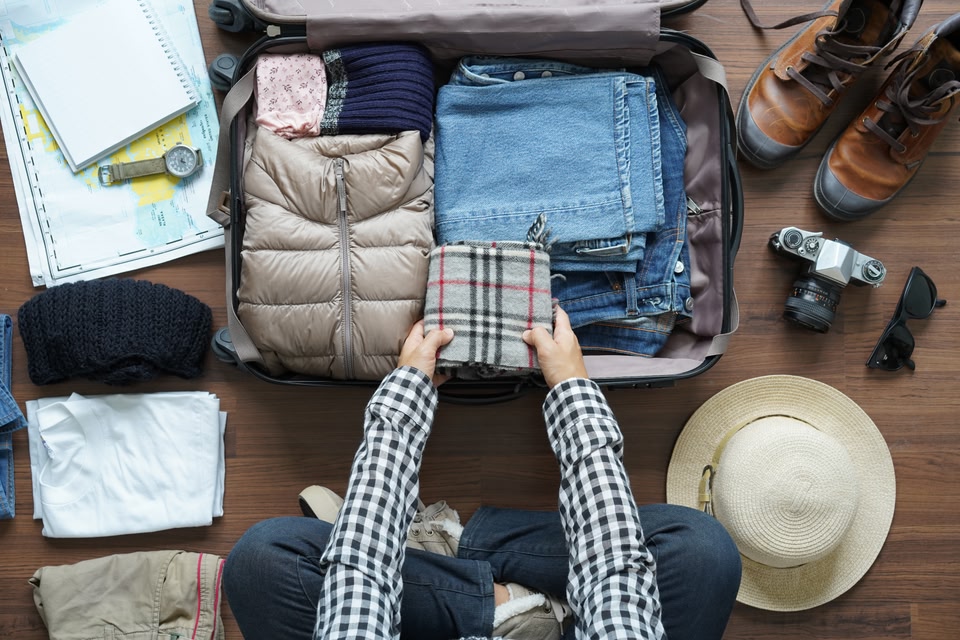
Summer camping requires careful selection of clothing and footwear to ensure comfort, safety, and adaptability to changing conditions. Proper attire not only enhances the camping experience but also plays a crucial role in preventing discomfort and health issues such as overheating or blisters. Choosing appropriate materials and layering strategies can make a significant difference in enjoying the outdoors during warmer months.A thoughtful approach to clothing and footwear involves selecting fabrics that are breathable, moisture-wicking, and quick-drying.
These materials help regulate body temperature, reduce discomfort caused by sweat, and prevent chafing. Additionally, selecting suitable footwear for various terrains ensures stability and protection, which are vital for safe and enjoyable hikes. Packing extra clothing is equally important, providing options for unexpected weather changes or emergencies, thus maintaining comfort and safety throughout the trip.
Materials for Summer Camping Clothing
Choosing the right fabrics can significantly improve comfort during summer camping. Materials that are moisture-wicking and quick-drying are ideal, as they help keep the skin dry, reduce chafing, and prevent heat-related illnesses. Fabrics such as polyester, nylon, and specialized technical fibers are designed specifically for outdoor activities, offering excellent breathability and durability. Natural fibers like cotton, while comfortable, tend to retain moisture and are less suitable for active outdoor pursuits, as they can lead to chills once wet.Many outdoor clothing brands incorporate advanced technical fabrics into their products, providing UV protection, odor control, and enhanced moisture management.
For instance, lightweight, breathable shirts made from polyester blends or merino wool are popular choices for their quick-drying and insulating properties, even in warm weather. Layering these with lightweight, moisture-wicking base layers ensures optimal comfort during hikes and outdoor activities.
Footwear Options for Various Terrains
Selecting appropriate footwear for summer camping involves considering the terrain and activity levels. The right footwear provides support, traction, and protection, preventing injuries and increasing comfort during hikes. For well-maintained trails or gentle walks, lightweight hiking shoes or trail runners with breathable mesh uppers offer comfort and agility. These shoes typically feature good grip and cushioning suitable for varied terrains.For more challenging or uneven terrains, such as rocky or steep trails, lightweight hiking boots with ankle support are recommended.
These provide added stability and help prevent sprains or strains. Water-resistant or quick-drying shoes are advantageous for crossing streams or dealing with unexpected rain showers, ensuring feet remain dry and comfortable. Sandals or open-toed footwear can be suitable for relaxing around the campsite or walking on beaches, provided the terrain is safe and free of sharp objects.
Layering Strategies for Fluctuating Temperatures
Adapting to changing temperatures during summer camping is essential for maintaining comfort and safety. Implementing effective layering strategies allows campers to adjust their clothing according to activity level and weather conditions. A well-thought-out layering system typically includes three main layers: an insulating layer, a moisture-wicking base layer, and a waterproof or windproof outer layer.The base layer, made from moisture-wicking fabrics, manages sweat and keeps the skin dry.
The middle insulating layer retains body heat and can be a lightweight fleece or down vest, especially during early mornings or evenings when temperatures drop. The outer shell provides protection against wind, rain, and UV rays; materials like Gore-Tex or similar waterproof fabrics are ideal. Packing versatile layers allows campers to add or remove clothing as needed, preventing overheating during daytime activities and ensuring warmth during cooler periods.
It is advisable to have at least two complete sets of clothing, including base layers and outer layers, to manage unexpected weather changes effectively.
Importance of Packing Extra Clothing
Carrying additional clothing items is vital for handling unforeseen circumstances such as sudden weather shifts, spills, or increased sweat. Extra shirts, socks, and lightweight jackets can make a significant difference in comfort and hygiene. Wet or damp clothing can lead to discomfort and increase the risk of hypothermia, even in summer conditions, especially if temperatures drop unexpectedly at night or during rain showers.Properly packed extra clothing ensures preparedness for emergencies or situations where laundry facilities are unavailable.
It also allows campers to maintain personal hygiene, prevent chafing and blisters, and stay dry, which ultimately contributes to the overall enjoyment and safety of the camping trip. Storing these items in waterproof bags or compartments prevents them from getting wet or soiled, ready to be accessed quickly when required.
Food and hydration supplies
Proper planning of food and hydration is vital for a successful and enjoyable summer camping experience. Ensuring access to nutritious, lightweight, and non-perishable foods, along with adequate hydration options, helps maintain energy levels and prevents dehydration in the warm weather. Thoughtful packing and organization of these supplies not only promote convenience but also contribute to safety and overall well-being during outdoor adventures.Maintaining a steady intake of fluids and balanced nutrition is essential when camping in summer conditions, where heat and physical activity increase water and energy loss.
Selecting suitable food and hydration supplies involves prioritizing lightweight, durable, and nutrient-rich options that store well without refrigeration, minimizing weight and space in your pack while maximizing nutritional value.
Food and hydration options
Effective summer camping requires a focus on lightweight, non-perishable foods that provide sustained energy and are easy to prepare or consume on the go. Combining these with reliable hydration methods ensures you stay energized and hydrated amidst outdoor activities.
| Hydration Option | Description | Advantages |
|---|---|---|
| Water bottles | Reusable bottles with secure caps, typically made of stainless steel or BPA-free plastic. | Portable, easy to refill, and widely available; ideal for short-term hydration needs. |
| Hydration packs | Bladders or reservoirs integrated into backpacks with a hose for easy drinking. | Hands-free hydration, ideal for active pursuits such as hiking or biking, and can hold larger quantities. |
| Electrolyte drinks | Powder or liquid mixes designed to replenish salts and minerals lost through sweating. | Enhance hydration, prevent electrolyte imbalances, and boost energy during prolonged activity. |
Maintaining clean water access is crucial; always purify water from natural sources through boiling, filtering, or chemical treatment before consumption. Setting up a designated hydration station with easily accessible water containers helps ensure consistent hydration, especially during strenuous activities or in remote locations where water sources may be limited or questionable.
Planning meal prep and snack ideas focuses on simple, nutritious options that can be prepared ahead of time or assembled easily at the campsite. Energy bars, trail mixes, dried fruits, and jerky are excellent quick snacks. For main meals, consider dehydrated or freeze-dried options, instant oatmeal, or pre-cooked grains and proteins that require minimal cooking. Incorporating a variety of flavors and textures keeps meals interesting and helps sustain energy levels throughout the day.
Camping Gear and Equipment Organization
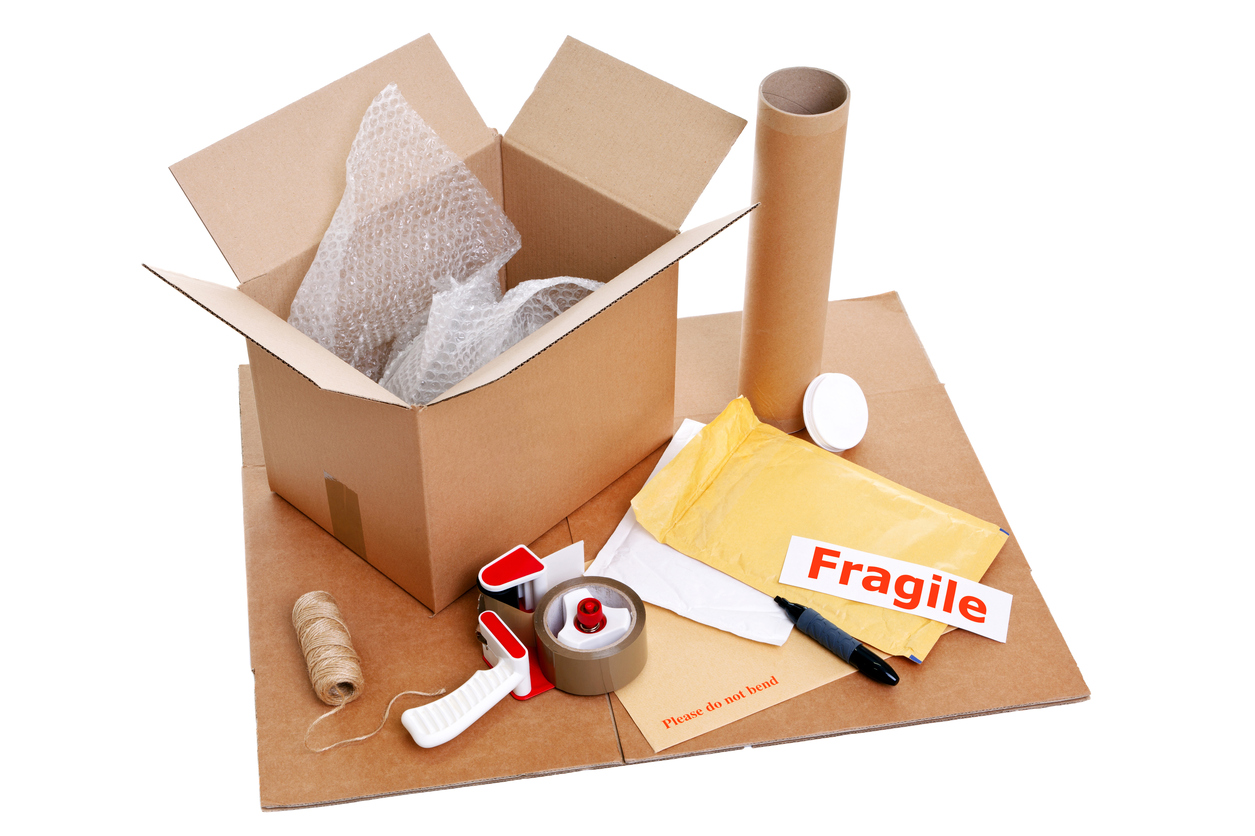
Effective organization of camping gear and equipment is vital for a comfortable and efficient summer camping experience. Proper packing not only maximizes space but also ensures easy access to essentials and maintains balance within your pack. Thoughtful organization reduces stress, saves time during setup and troubleshooting, and minimizes the risk of forgetting important items. Implementing strategic packing techniques and utilizing appropriate storage tools can significantly enhance your overall camping convenience.Organizing camping gear involves strategic placement to distribute weight evenly and protect fragile items.
Grouping related items together—such as cooking gear, clothing, or first aid supplies—facilitates quick retrieval and prevents clutter. Using dedicated storage containers and packing cubes helps compartmentalize your pack, making it easier to locate necessities without unpacking the entire bag. Incorporating multi-purpose tools and versatile equipment reduces overall weight and space, contributing to a lighter, more manageable pack.
Effective Packing Techniques
To optimize space and maintain balance, pack heavier items at the bottom of your backpack, close to your spine. Distribute weight evenly on both sides to prevent strain and instability during movement. Roll clothing and soft items to save space and prevent wrinkles, applying the “roll and pack” method to maximize capacity. Place frequently accessed items near the top or in external compartments for quick retrieval, eliminating the need to unpack your entire bag during quick stops or for essentials like snacks or insect repellent.
Essential Tools for Camping
A well-stocked camping gear kit includes several key tools that enhance safety, convenience, and functionality. These tools are fundamental for various scenarios encountered during summer camping:
- Multi-Tools: Compact devices combining functions such as knives, screwdrivers, pliers, can openers, and scissors. They are invaluable for quick repairs, food preparation, or emergencies.
- Lanterns and Flashlights: Provide illumination for nighttime activities, cooking, or navigating around the campsite. LED models offer long-lasting, energy-efficient lighting.
- First Aid Kits: Essential for treating minor injuries, cuts, insect bites, or allergic reactions. A comprehensive kit includes bandages, antiseptic wipes, pain relievers, and allergy medications.
Storage Containers and Packing Cubes
Utilizing storage containers and packing cubes is critical for maintaining an organized and accessible campsite. These tools help prevent gear from shifting, protect fragile items, and streamline packing and unpacking processes.
Storage containers are durable, waterproof, and come in various sizes, ideal for keeping electronics, toiletries, and food supplies protected and separated. Packing cubes, typically made of lightweight fabric with zippers, are excellent for compartmentalizing clothing, cookware, or other gear within your backpack or duffel bag.
- Clothing Pack: Keeps clean and dirty clothes separated, preventing cross-contamination and making laundry easier.
- Cooking Supplies: Organizes utensils, spices, and non-perishable food items for quick access during meal prep.
- Emergency Gear: Stores first aid supplies and emergency tools for immediate retrieval when needed.
Camping Stove and Cooking Gear Comparison
Below is a responsive table comparing different camping stoves and cooking gear suitable for summer camping, including key features such as weight, fuel type, ease of use, and ideal scenarios:
| Camping Stove / Cooking Gear | Weight | Fuel Type | Ease of Use | Best For |
|---|---|---|---|---|
| Canister Stove (e.g., MSR PocketRocket) | Approximately 3 oz (85 g) | Propane/butane canisters | Very Easy | Fast, lightweight cooking for solo or duo campers |
| Liquid Fuel Stove (e.g., MSR WhisperLite) | 10-16 oz (283-454 g) | White gas or kerosene | Moderate | Versatile for longer trips or variable conditions |
| Portable BBQ Grill | 8-20 lbs (3.6-9 kg) | Charcoal or propane | Moderate | Group cooking, grilling meats and vegetables |
| Integrated Camping Stove with Oven | varies, typically 4-8 lbs (1.8-3.6 kg) | Propane | Moderate to Difficult | Comprehensive cooking including baking, ideal for extended stays |
This comparison helps campers select appropriate cooking gear based on weight considerations, fuel availability, and culinary needs, ensuring efficient and enjoyable summer camping experiences.
Safety and Environmental Considerations

Camping during the summer offers an enjoyable escape into nature; however, it also requires careful attention to safety and environmental responsibility. Implementing proper procedures helps protect campers from potential hazards associated with insects, wildlife, and environmental impacts, ensuring a safe and sustainable outdoor experience for all.Ensuring safety and environmental consciousness involves understanding how to prevent unwanted encounters with insects and wildlife, minimizing ecological footprints, and adhering to responsible camping practices.
By doing so, campers can enjoy the beauty of nature while preserving its integrity for future generations.
Protecting Against Insects and Wildlife
Insects such as mosquitoes, ticks, and flies are prevalent during summer camping and pose health risks including vector-borne diseases like Lyme disease and West Nile Virus. Wildlife encounters, while often harmless, can sometimes be dangerous or disruptive to the natural habitat. Proper precautions are essential to safeguard personal health and maintain ecological balance.
- Use insect repellents containing DEET or picaridin on exposed skin and clothing, especially during dawn and dusk when insects are most active.
- Wear long-sleeved shirts, long pants, and closed footwear to minimize skin exposure. Light-colored clothing also makes it easier to spot ticks.
- Install physical barriers such as fine mesh screens on tents and sleeping areas to prevent insects from entering.
- Keep food stored securely in airtight containers to avoid attracting animals and insects.
- Maintain a clean campsite by disposing of trash properly and cleaning dishes promptly, reducing attractants for wildlife.
- Familiarize yourself with local wildlife species and their behaviors to understand how to avoid dangerous encounters, such as keeping a safe distance from bears or snakes and avoiding feeding wild animals.
Minimizing Environmental Impact with Eco-Friendly Packing Tips
Respect for the environment ensures the preservation of natural landscapes and ecosystems. Eco-conscious packing and camping practices reduce pollution, conserve resources, and promote sustainability.
- Pack reusable and biodegradable items, including water bottles, utensils, and cleaning supplies, to reduce waste.
- Choose environmentally friendly toiletries, such as biodegradable soap and toothpaste, to prevent contaminating water sources.
- Bring minimal packaging and opt for products with minimal or recyclable packaging.
- Use compact, lightweight gear to lower transportation emissions and reduce campsite impact.
- Carry out all trash, including biodegradable waste, maintaining the principle of Leave No Trace.
- Select eco-friendly camping gear made from sustainable materials such as recycled polyester or organic cotton.
Safety Equipment and Communication Devices for Remote Areas
Camping in remote locations enhances the wilderness experience but also introduces additional safety risks due to limited access to emergency services. Proper planning and equipment are vital for effective communication and safety.
- Carry a fully charged satellite phone or personal locator beacon (PLB) to enable emergency communication in areas without cell service.
- Keep a comprehensive first aid kit stocked with basics such as bandages, antiseptics, pain relievers, and any personal medications.
- Include a multi-tool or Swiss Army knife for versatile use.
- Bring a whistle to signal for help in case of emergencies.
- Pack a portable weather radio to receive real-time weather updates and alerts.
- Inform a trusted person of your itinerary and expected return time, and consider sharing your GPS coordinates when possible.
Practicing Leave No Trace and Responsible Camping
Adopting Leave No Trace principles is fundamental to conserving natural environments and ensuring future generations can enjoy the outdoors. Responsible camping emphasizes minimal environmental disturbance and respectful interaction with wildlife and other visitors.
- Plan ahead to select established campsites or areas with minimal ecological impact.
- Camp on durable surfaces such as established pads, rock, or dry grass, avoiding fragile vegetation.
- Dispose of waste properly by packing out all trash and leftover food; never leave litter behind.
- Minimize campfire impact by using existing fire rings, keeping fires small, and ensuring complete extinguishment before leaving.
- Respect wildlife by observing from a distance and not feeding animals, which can disrupt natural behaviors.
- Leave natural objects like rocks, plants, and wood undisturbed, and avoid collecting souvenirs from the environment.
- Educate others about responsible camping practices to promote a culture of respect and sustainability within the outdoor community.
Tips for packing efficiently and comfortably
Efficient packing is essential for a successful and enjoyable summer camping experience. Proper organization not only saves space but also ensures quick access to essentials when needed, reducing stress and physical strain during your trip. Adopting effective packing strategies allows you to travel light while maintaining comfort throughout your adventure in the wilderness.Organizing your camping gear and clothing systematically helps streamline your setup process and keeps your items protected and easily accessible.
Using designated spaces or packing systems can prevent mishaps and make unpacking more straightforward upon return. Incorporating comfort-enhancing accessories and strategies to stay cool can significantly improve your outdoor experience, especially during hot summer days.
Optimal packing order and techniques for easy access
A logical packing order prioritizes frequently used items, placing them in easily accessible locations within your backpack or storage containers. To optimize packing:
- Start with heavier, less frequently used gear such as tents, sleeping bags, and cookware at the bottom of your pack to maintain balance.
- Layer items in a way that separates essentials from less critical gear, with daily necessities like snacks, sunscreen, and sunglasses on top or in external compartments.
- Use packing cubes or compression bags to organize clothing and small accessories, making it simpler to locate items without unpacking everything.
- Maintain a dedicated “quick access” pouch or pocket for items needed frequently during the day, such as maps, bug spray, or a water bottle.
Step-by-step organization plan for gear and clothing
A systematic approach to organizing gear and clothing enhances packing efficiency and ensures comfort during your trip:
- Inventory all items based on their frequency of use, grouping similar items together (e.g., cooking supplies, clothing, personal items).
- Pack bulky clothing, such as jackets and thermal layers, at the bottom or sides of your pack to optimize space.
- Fold clothing neatly to prevent wrinkles and save space; consider rolling garments to maximize capacity and facilitate quick retrieval.
- Designate specific compartments or packing cubes for different categories (e.g., one for shirts, another for socks, another for underwear) for quick access and organization.
- Place items like toiletry kits, small tools, and accessories in external pockets or easily reachable compartments for convenience.
- Ensure that essential items such as navigation tools or first aid kits are stored in accessible locations for safety and practicality.
Comfort-enhancing accessories for summer camping
Adding comfort-oriented accessories can significantly improve your outdoor experience during hot days:
- Portable fans: Compact, battery-operated fans help circulate air inside your tent or shelter, providing relief from heat and humidity.
- Cooling towels: These specially designed towels retain coldness when soaked and can be wrapped around necks or wrists to provide instant cooling effects.
- Camping mats and pads: High-quality mats with insulation layers create a barrier against the hot ground, ensuring a cooler and more comfortable sleeping surface.
- Sunshade or canopy: Portable shade structures protect you from direct sunlight during rest periods or meal times, reducing heat exposure.
- Hydration packs and bottles: Easy-access hydration solutions encourage frequent drinking, maintaining hydration and combating heat exhaustion.
Strategies to stay comfortable and cool during hot days in the wilderness
Effective strategies can help you maintain comfort and prevent heat-related issues:
- Schedule strenuous activities during early mornings or late evenings when temperatures are cooler, avoiding the peak midday heat.
- Wear lightweight, breathable, and moisture-wicking clothing to promote airflow and sweat evaporation.
- Apply broad-spectrum sunscreen generously to exposed skin and wear wide-brimmed hats or caps for sun protection.
- Seek shade whenever possible, making use of natural cover or portable shelters to minimize direct sun exposure.
- Use cooling accessories like neck gaiters, cooling towels, and handheld fans to reduce body temperature throughout the day.
- Maintain high hydration levels by drinking water regularly, supplemented with electrolyte drinks if necessary to replenish lost salts.
- Keep a small spray bottle filled with water for quick cooling sprays on the face, neck, or wrists during hot spells.
Last Word
In conclusion, proper packing for summer camping combines thoughtful selection of lightweight, breathable clothing, efficient food and hydration planning, and strategic organization of gear. By applying these tips, you can enjoy a safe and memorable outdoor experience while minimizing environmental impact and staying comfortable throughout your adventure. Preparation truly makes all the difference in creating a successful summer camping trip.