Learning how to pack camping gear for car camping effectively is essential for a smooth and enjoyable outdoor experience. Proper organization and strategic packing not only maximize vehicle space but also ensure quick access to vital items when needed. By understanding the key steps involved in planning, optimizing space, selecting appropriate gear, and preparing for unforeseen situations, outdoor enthusiasts can enhance their trip preparations significantly.
This comprehensive guide covers the necessary planning, space-saving techniques, gear selection, safety considerations, and emergency preparedness to help you pack efficiently and travel confidently on your car camping adventure.
Planning Your Car Camping Gear Loadout
Effective planning of your camping gear loadout is fundamental to ensuring a comfortable and safe outdoor experience. Tailoring your gear selection to the specifics of your trip—such as duration, destination, and environmental conditions—can significantly enhance convenience and preparedness. A well-thought-out loadout minimizes unnecessary items, reduces packing stress, and allows quick access to essentials when needed.
This process involves creating a comprehensive list of necessary items, evaluating the trip’s unique demands, and organizing gear systematically based on priority and accessibility. By following a structured approach, campers can optimize space within their vehicle, prevent overpacking, and ensure they have all critical supplies at hand during their adventure.
Creating a Comprehensive List of Essential Camping Items
Developing an inclusive checklist tailored to car camping involves considering every aspect of the trip, from sleeping arrangements to safety measures. Start by categorizing gear into core groups to streamline the packing process and ensure nothing is overlooked. Broad categories include shelter, cooking equipment, clothing, safety gear, personal items, and entertainment or extras.
Consult reliable sources such as camping guides, experienced campers, and manufacturer recommendations to compile a thorough list. Customize the list based on personal needs, preferences, and specific trip plans, avoiding the inclusion of excessive or redundant items. A detailed inventory helps keep track of what has been packed and prevents last-minute forgetfulness.
Assessing Trip Duration and Environmental Conditions to Determine Needed Gear
The length of your trip and the environmental conditions are critical factors influencing the gear selection process. Longer trips require more supplies, such as additional food, water, and clothing, while shorter trips allow for lighter packing. Environmental factors, including weather patterns, terrain, and expected temperatures, dictate specific gear choices, such as waterproof clothing, insulation layers, or sun protection.
For example, a weekend trip to a temperate forest may necessitate lightweight clothing, a compact tent, and basic cooking supplies. Conversely, a week-long expedition into mountainous or unpredictable weather zones might require heavier sleeping bags, multi-layer clothing, and specialized safety equipment like avalanche probes or bear spray. Conduct thorough research and consider historical weather data for your destination to inform your gear decisions accurately.
Organizing Gear Based on Accessibility and Necessity
Prioritizing gear based on how frequently items are accessed and their importance during the trip enhances convenience and safety. Items needed for setup, meal preparation, or emergencies should be stored in easily accessible locations within the vehicle. For instance, sleeping gear, cooking utensils, and first aid kits must be readily reachable without unpacking the entire vehicle.
Secondary items, such as extra clothing, leisure equipment, or backup supplies, can be stored in less accessible compartments. Use containers, labeled bags, or storage bins to categorize gear, facilitating quick identification and retrieval. Implementing a systematic organization method reduces packing time, minimizes the risk of forgetting critical items, and ensures swift response in case of emergencies.
Organize your gear in order of necessity, with frequently used items at the top or front of storage to streamline your camping experience.
Sample HTML Table Structure for Categorizing Gear
To visually organize your gear, a structured table can be highly effective. Below is a sample Artikel illustrating how you might categorize essential items for a car camping trip:
<table border="1">
<thead>
  <tr>
    <th>Category</th>
    <th>Items</th>
    <th>Notes</th>
  </tr>
</thead>
<tbody>
  <tr>
    <td>Shelter</td>
    <td>Tent, ground tarp, stakes, mallet</td>
    <td>Ensure all components are present and in good condition</td>
  </tr>
  <tr>
    <td>Cooking</td>
    <td>Portable stove, fuel, cookware, utensils, lighter</td>
    <td>Check fuel levels and cleanliness prior to trip</td>
  </tr>
  <tr>
    <td>Clothing</td>
    <td>Layered clothing, rain gear, extra socks, hats</td>
    <td>Pack according to forecasted weather</td>
  </tr>
  <tr>
    <td>Safety & Emergency</td>
    <td>First aid kit, flashlight, multipurpose tool, whistle</td>
    <td>Verify contents and expiration dates</td>
  </tr>
  <tr>
    <td>Personal Items</td>
    <td>Toiletries, insect repellent, sunscreen, medications</td>
    <td>Pack in waterproof bags to prevent spoilage or damage</td>
  </tr>
</tbody>
</table>
Utilizing such a table ensures clarity in your packing process, helps track what’s packed, and facilitates efficient loading and unpacking during your trip.
Optimizing Space in Your Vehicle
Efficiently utilizing the available space within your vehicle is essential for a successful car camping experience. Proper packing techniques not only maximize storage capacity but also ensure that your gear remains organized, accessible, and secure during your journey. By adopting strategic packing methods, you can comfortably fit all necessary equipment without clutter or compromise.
Effective use of various storage options within your vehicle allows for a well-balanced load, minimizes movement of gear while driving, and facilitates quick access to items. From the trunk to roof racks, each space has unique advantages that can be optimized through thoughtful organization and packing techniques. Additionally, compressing bulky items like sleeping bags and pillows can free up significant space, making your load more manageable and efficient.
Techniques for Efficient Packing
Implementing specific packing strategies can significantly enhance the use of limited vehicle space. These techniques involve prioritizing compactness, strategic arrangement, and the use of supportive tools to reduce bulkiness and prevent shifting during transit.
- Pack items by size and weight: Place heavier and larger items at the bottom, especially in the trunk or cargo area, to create a stable base. Lighter, softer items can be layered on top or around them.
- Use packing cubes or storage bins: These help compartmentalize gear, maintain organization, and make it easier to access specific items without unpacking everything.
- Prioritize essential gear: Keep frequently used items within easy reach, such as in the back seat or on top of other gear, to avoid unpacking multiple layers for quick access.
- Distribute weight evenly: Ensure that the load is balanced to prevent strain on the vehicle’s suspension and improve driving stability.
Utilization of Storage Options
Maximizing the use of available vehicle storage compartments is vital for maintaining order and safety during your trip. Each space offers unique benefits and requires tailored packing approaches to optimize their capacity.
- Trunk Space: Ideal for bulky, heavy items such as tents, coolers, and larger cookware. Use stackable containers to organize gear and prevent shifting during transit.
- Back Seats: Suitable for softer items, clothing, or gear that needs quick access. Utilize seat gaps or seat-back organizers to keep smaller essentials organized.
- Roof Racks and Cargo Carriers: Excellent for oversized or less frequently accessed items like camping chairs, additional luggage, or bulky gear. Secure items properly to prevent movement and consider using waterproof bags or covers for weather protection.
Compressing Bulky Items
Reducing the volume of bulky gear such as sleeping bags, pillows, and clothing can greatly improve packing efficiency. Proper compression techniques help free up space, making it easier to fit everything within your vehicle.
- Use compression sacks: These specially designed storage bags feature adjustable straps that squeeze out excess air, significantly reducing the size of sleeping bags and clothing. They are especially helpful for packing into tight spaces.
- Roll rather than fold: Rolling soft items like clothing, sleeping pads, and blankets minimizes creases and saves space. Tightly rolled items occupy less volume compared to folded equivalents.
- Utilize vacuum-sealed bags: For longer trips, vacuum-sealing clothing or bedding can remove all air, drastically decreasing their size. Ensure that materials are suitable for vacuum sealing to prevent damage.
Space-Saving Packing Tips, Gear Categories, Packing Tools, and Storage Solutions
| Space-Saving Packing Tips | Gear Categories | Packing Tools | Storage Solutions |
|---|---|---|---|
| Use compression sacks and roll soft items to reduce bulk and optimize space. | Sleeping bags, pillows, clothing, cookware, utensils, tents, chairs, lighting equipment. | Compression sacks, packing cubes, vacuum storage bags, elastic straps, bungee cords. | Stackable bins, trunk organizers, seat-back organizers, waterproof roof bags, cargo baskets. |
| Prioritize packing heavy items at the bottom and distribute weight evenly across the vehicle. | Food supplies, camping gear, personal items, electronics, safety equipment. | Adjustable straps, bungee cords, cargo nets, foam padding for fragile items. | Under-seat storage drawers, hanging organizers, roof-mounted cargo racks. |
| Keep frequently used items accessible for quick retrieval during stops or setup. | First aid kits, maps, flashlights, toiletries, beverages. | Reusable storage containers, soft-sided luggage, zippered pouches. | Expandable cargo carriers, weatherproof luggage covers. |
| Maintain organization by grouping similar items and labeling storage containers. | Cooking supplies, bedding, clothing, personal items, tools. | Label makers, transparent containers, mesh bags. | Custom-fit storage drawers, modular shelving systems. |
Selecting the Right Camping Gear
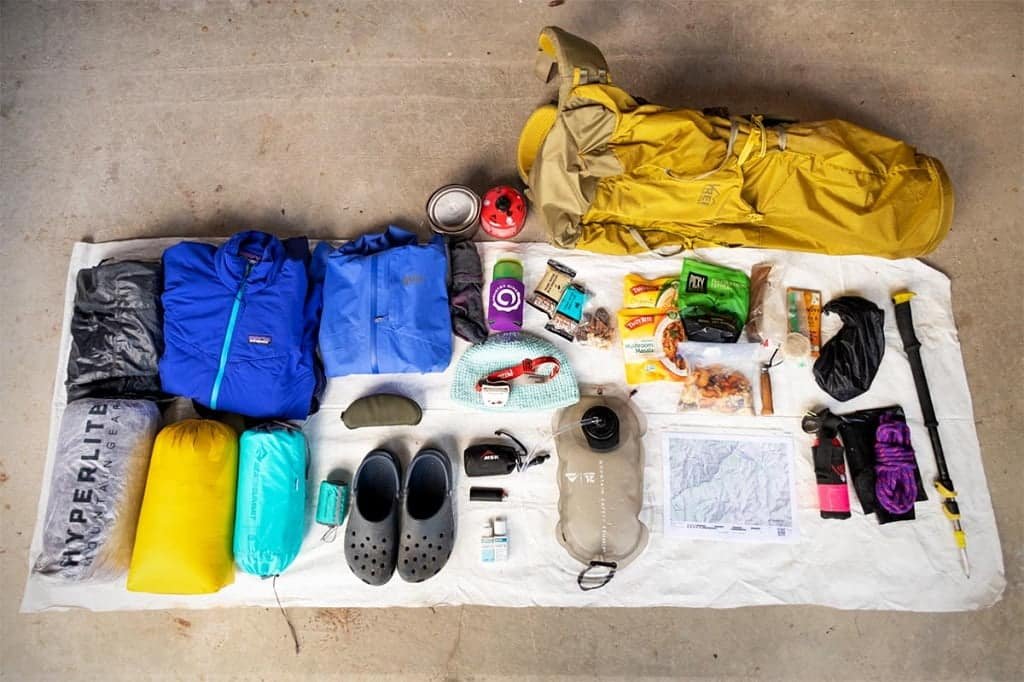
Choosing the appropriate camping gear is essential for ensuring a comfortable, safe, and enjoyable car camping experience. The right equipment not only enhances your comfort but also contributes to efficient packing and ease of setup. When selecting gear, consideration of durability, weight, weather resistance, and suitability for vehicle-based travel is crucial.
Properly selected gear should meet your specific needs based on the environment, expected weather conditions, and the duration of your trip. Investing in high-quality, reliable equipment can prevent inconveniences and ensure your camping experience is memorable for all the right reasons.
Key Items for Comfortable Car Camping
Identifying the essential items needed for a successful trip involves balancing comfort, functionality, and portability. Below are the core categories of gear that form the foundation of any car camping setup:
- Tents and Shelters: Provides protection from the elements and a private space for rest. Options range from compact backpacking tents to larger, vehicle-specific tents with reinforced structures for added stability.
- Sleeping Arrangements: Ensures restful sleep; includes sleeping bags suitable for prevailing temperatures, sleeping pads or air mattresses for comfort, and pillows.
- Kitchen and Cooking Gear: Enables meal preparation; includes portable stoves, cookware, utensils, coolers, and cleaning supplies. Compact and multi-functional items optimize space.
Comparing Different Types of Camping Gear
Various camping gear options are available to cater to different preferences, budgets, and trip requirements. When selecting gear suitable for vehicle-based trips, consider the following types:
- Lightweight vs. Heavy-Duty Equipment: Lightweight gear reduces overall load and is easier to handle, ideal for frequent packing or longer trips. Heavy-duty gear offers enhanced durability, suitable for rough terrains or adverse weather conditions.
- All-Weather vs. Seasonal Gear: All-weather gear provides versatility across different environments, while seasonal gear is tailored to specific conditions, such as winter sleeping bags or rain-resistant tents.
- Standard vs. Advanced Features: Modern camping gear often incorporates features like insulation, water resistance, or modular designs, which can improve comfort and convenience but may increase weight and cost.
Guidelines for Choosing Durable, Lightweight, and Weather-Appropriate Equipment
Effective gear selection hinges on evaluating the balance between durability, weight, and weather-resistance. Here are key guidelines:
- Prioritize Material Quality: Look for gear made from high-strength, lightweight materials such as ripstop nylon or aluminum to enhance durability without adding excessive weight.
- Match Gear to Climate: Select tents with suitable rainflies, sleeping bags rated for the expected temperature range, and clothing that can handle wet or cold conditions.
- Opt for Multi-Functional Items: Items like foldable cookware, inflatable sleeping pads, or modular storage systems maximize utility and space efficiency.
- Assess Weather Resistance: Ensure tents, backpacks, and clothing have appropriate waterproofing and wind resistance to withstand local weather patterns during your trip.
Essential Gear Items with Descriptions
To streamline decision-making, here is a list of fundamental gear items crucial for a successful car camping adventure, each with a brief description:
- Tent: A weather-resistant, easy-to-assemble shelter that provides protection from rain, wind, and insects. For vehicle camping, larger tents with reinforced seams are recommended.
- Sleeping Bag: Insulated sleeping gear designed for the expected temperatures. Down-filled bags offer high warmth-to-weight ratio, while synthetic options perform better in damp conditions.
- Sleeping Pad or Air Mattress: Adds cushioning and insulation from the ground, significantly improving sleep quality during nights on uneven or cold surfaces.
- Portable Stove: A compact, lightweight cooking device that allows for meal preparation at the campsite. Look for models with simple ignition systems and stable bases.
- Cookware and Utensils: Durable pots, pans, and utensils made from lightweight materials like aluminum or titanium ensure efficient cooking and easy transport.
- Cooler: Keeps perishable food fresh and beverages cold for multiple days. Insulated, rotomolded coolers are more durable and maintain temperature longer.
- Lighting: Battery-powered lanterns or headlamps provide necessary illumination after dark, enhancing safety and convenience at the campsite.
- Storage Containers: Weatherproof, stackable bins or dry bags help organize gear and prevent damage from moisture or pests.
Choosing gear that aligns with your trip’s environment and duration enhances comfort and safety, making your car camping experience more enjoyable and stress-free.
Packing Techniques for Safety and Accessibility

Effective packing techniques are essential to ensure safety, quick access to necessary items, and the protection of your gear during car camping adventures. Proper organization minimizes stress and maximizes convenience, especially when you need to access items swiftly or secure delicate equipment. By implementing strategic packing methods, you can streamline your setup process at the campsite and maintain safety throughout your trip.When arranging your gear, thoughtful organization focuses on both accessibility and security.
Items used frequently, such as navigation tools or first aid kits, should be stored in easily reachable locations. Conversely, fragile equipment requires specific packing to prevent damage, while loose items should be secured to prevent shifting during transit. Employing a systematic approach not only enhances safety but also ensures a smoother and more enjoyable camping experience.
Organizing Gear for Quick Access to Frequently Used Items
Ensuring that essential items are within arm’s reach can significantly reduce setup time and improve safety during your trip. Items such as first aid kits, maps, flashlights, and navigation devices should be stored in designated, easily accessible compartments or containers near the vehicle’s rear or within the cabin. Using labeled storage bins or mounted organizers helps keep these items visible and readily available, especially during emergencies or night setups.It is advisable to create a dedicated “quick-access zone” in your vehicle where these frequently used items are stored.
This zone can be a glove compartment, a side door pocket, or a small accessible drawer. Consistently organizing these essentials in the same location ensures familiarity and reduces the chance of overlooking critical safety items when needed.
Securing Loose Items to Prevent Movement
Loose gear can become hazardous if not properly secured, as items may shift or fall during transit, potentially causing damage or injury. To prevent this, utilize bungee cords, cargo nets, or adjustable straps to fasten loose items firmly in the trunk or cargo area. Smaller items should be stored in containers with secure lids or placed inside zippered bags to prevent scattering.Implementing a layered packing approach, where heavier items are placed at the bottom and lighter, more fragile items are layered on top, helps maintain stability.
For particularly valuable or delicate gear, use foam padding, bubble wrap, or specialized cases to absorb shocks and prevent scratches or breakage. Regularly checking and tightening straps during stops ensures everything remains secure throughout your journey.
Packing Procedures for Delicate Gear to Avoid Damage
Delicate equipment such as cameras, electronics, glassware, or fragile cookware requires careful packing procedures. Start by wrapping these items individually with soft padding materials like foam, bubble wrap, or soft cloths. Store wrapped items in sturdy, padded containers or cases designed specifically for fragile gear.Position delicate items in the vehicle where they are least likely to be jostled or subjected to sudden movements.
Placing them in the center of the cargo area, surrounded by heavier, stable items, offers additional protection. Avoid stacking heavy gear on top of fragile items and ensure that there is minimal movement space around them. Using partitions or custom-fit foam inserts enhances protection and maintains separation from other gear.
Step-by-Step Packing Order Checklist
A systematic packing order helps ensure that essential safety and convenience items are accessible and protected during transit. Following this checklist can streamline your packing process and facilitate quick retrieval:
- First Aid Kit: Pack in an easily accessible location, such as the top of a storage bin or on a dedicated shelf, for immediate use in case of emergencies.
- Navigation Tools: Store maps, GPS devices, and compasses in a prominent spot for quick reference, ideally near the driver’s seat or within reach of the passenger side.
- Cooking Supplies: Arrange cooking gear, utensils, and non-perishable food items in a designated container near the rear of the vehicle for swift setup at the campsite.
- Clothing and Personal Items: Pack in accessible compartments or duffel bags, sorted by type, for easy dressing and personal needs.
- Camping Gear and Equipment: Organize tents, sleeping bags, and chairs in the main storage area, layered from heavy to light, with fragile items secured separately.
- Loose or Small Items: Store in labeled containers or zippered bags that are strapped or placed in compartments to prevent shifting.
By adhering to these packing techniques and procedures, you can enhance safety, accessibility, and the longevity of your gear, ultimately contributing to a more enjoyable and stress-free camping experience.
Preparing for Unexpected Situations
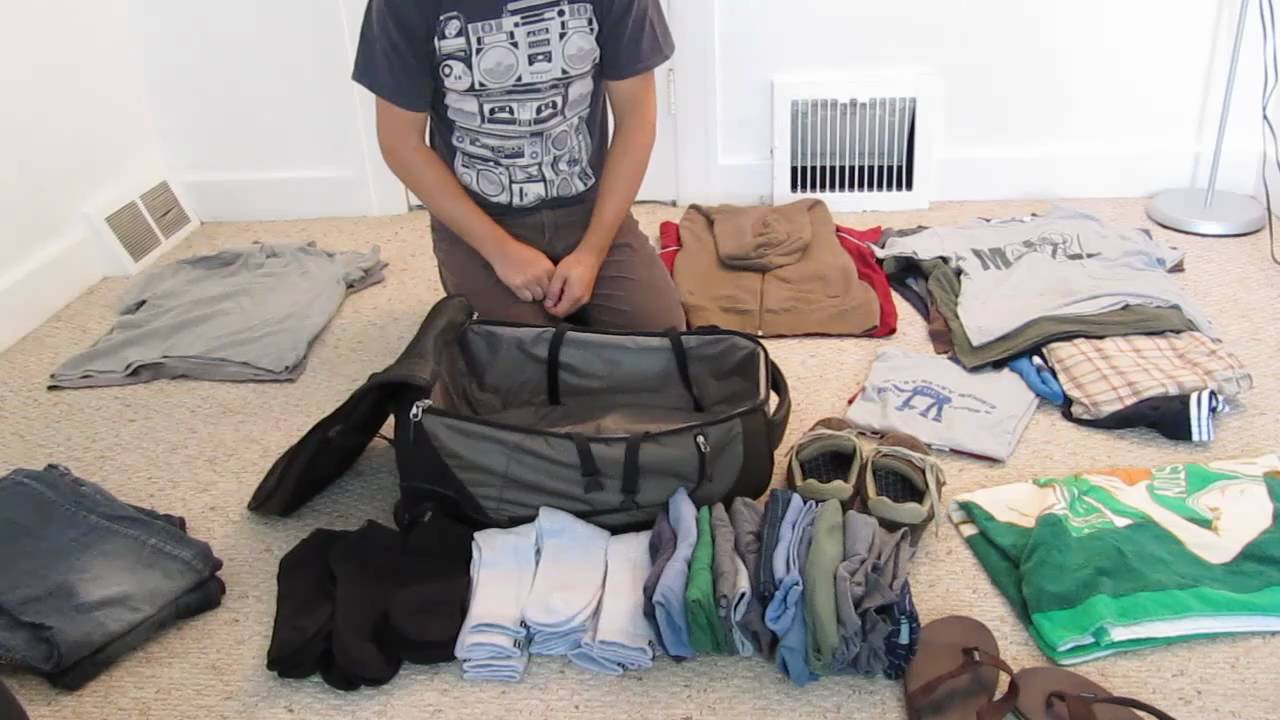
Effective car camping involves not only enjoying planned activities but also being equipped to handle unforeseen circumstances that may arise during your trip. Proper preparation ensures safety, minimizes inconvenience, and allows for a more comfortable experience despite challenges.Having well-organized emergency supplies within easy reach can significantly impact your ability to respond swiftly to sudden issues such as equipment failure, weather changes, or medical emergencies.
Anticipating potential scenarios and packing accordingly provides peace of mind and ensures that you are ready for anything the road or the weather might throw your way.
Emergency Supplies and Safety Gear Organization
Strategic placement of emergency supplies within your vehicle ensures rapid access when needed. Critical items such as flashlights, extra batteries, and repair kits should be stored in designated, easily accessible containers or compartments, ideally near the driver’s seat or in the glove box. This organization reduces response time during emergencies, whether you’re dealing with a flat tire or a power outage at night.Safety gear—including a first aid kit, fire extinguisher, and reflective warning triangles—should be grouped together and stored where they can be quickly retrieved.
Consider using labeled bags or containers that can be grabbed in moments, especially in low-visibility or stressful situations. Keeping these items visible and organized helps prevent delays in addressing safety concerns.
Weather-Related Items for Changing Conditions
Unpredictable weather necessitates packing versatile gear that can accommodate sudden changes. Rain gear, such as waterproof jackets, ponchos, and quick-drying towels, should be stored in accessible locations to ensure immediate use during unexpected showers. Thermal clothing, including insulated layers, hats, and gloves, is essential for colder temperatures, especially in mountain or desert environments where temperature swings can be drastic.Preparing for weather fluctuations involves packing items that can be layered easily and stored compactly to save space.
It is also prudent to include waterproof containers or bags for electronics and delicate gear, protecting them from water damage.
Must-Have Items for Unforeseen Circumstances:
- Flashlight with extra batteries – stored in the glove compartment or center console for quick access at night.
- Portable power bank or spare batteries – kept with emergency supplies to ensure devices remain operational.
- Basic repair kit (including tire inflator, sealant, and multi-tool) – stored in the trunk or under the rear seat for vehicle maintenance emergencies.
- First aid kit – organized in a sealed, clearly labeled container, placed within reach on the dashboard or center console.
- Reflective warning triangles or LED flares – kept in the cargo area or side compartments for visibility during roadside stops.
- Weather protection gear (rain jackets, ponchos, thermal layers) – stored in an accessible tote or compartment near the doors.
- Extra warm clothing and blankets – folded and kept in the vehicle’s side compartments or under seats for quick deployment in cold weather.
- Water and non-perishable snacks – stored in a labeled, easily reachable container for hydration and sustenance during delays or emergencies.
Last Word

In conclusion, mastering the art of packing your camping gear for car trips ensures a comfortable, safe, and hassle-free outdoor experience. Thoughtful organization combined with strategic packing allows you to make the most of your vehicle’s space, access essentials quickly, and be prepared for any unexpected circumstances. With these tips, you’ll be ready to embark on your next adventure with confidence and ease.