Learning how to pack a survival kit for camping is essential for ensuring safety and preparedness during outdoor adventures. A well-organized kit can make the difference between a manageable situation and a critical emergency. Proper packing techniques not only maximize space but also guarantee quick access to vital items when needed most, providing peace of mind for campers exploring the wilderness.
This guide covers the essential items to include, methods for efficient packing, selecting the right backpack, customizing your kit for various environments, and maintaining it regularly. By following these structured steps, campers can confidently prepare for any situation, ensuring safety and comfort throughout their trip.
Essential Items for a Camping Survival Kit
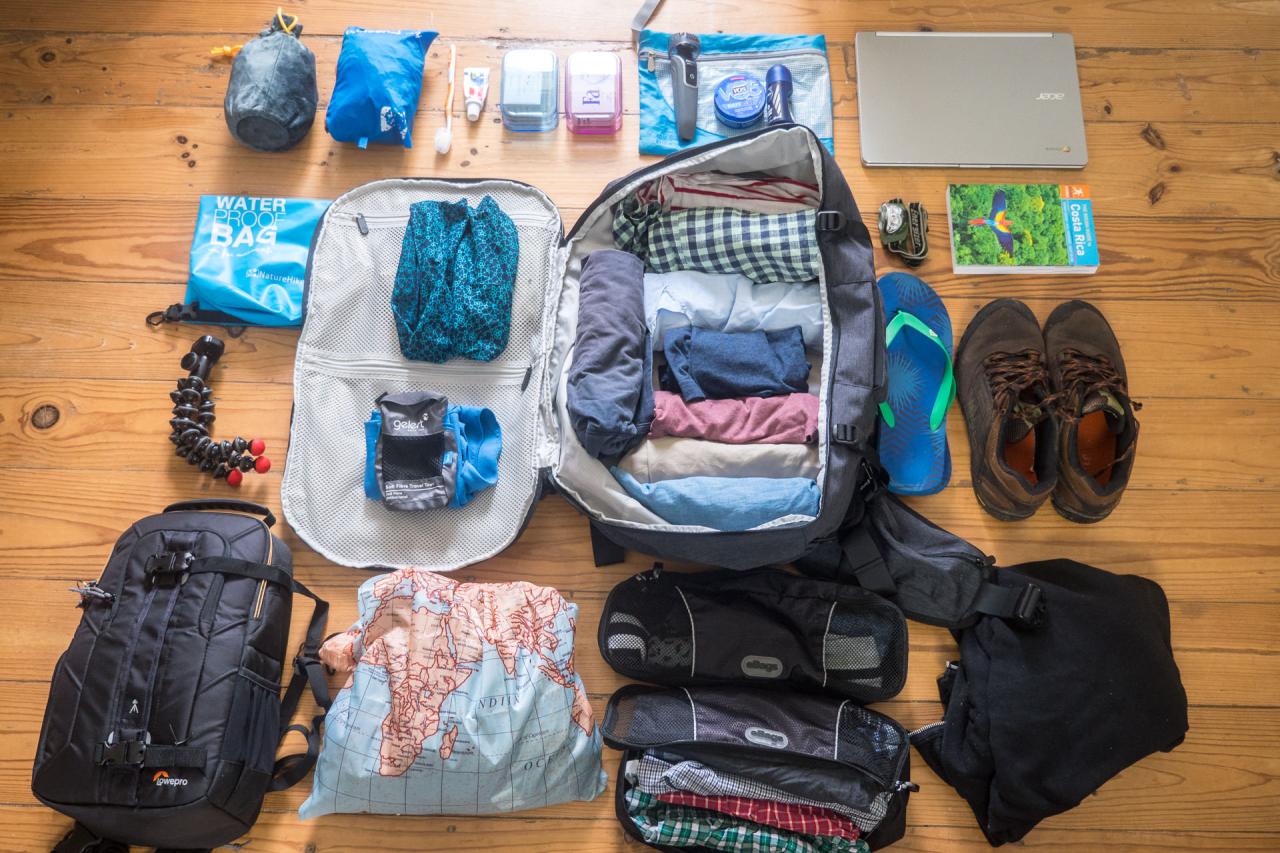
Equipping a camping survival kit with the right essential items is vital for ensuring safety, functionality, and preparedness during outdoor adventures. These components serve as the foundation for addressing unforeseen challenges, from sheltering against weather to navigating unfamiliar terrain and providing first aid. An efficient survival kit is lightweight yet comprehensive, balancing durability and portability to support campers in emergency situations.
Each item in the kit plays a specific role, and understanding their importance helps in making informed choices. Proper selection and organization of these essentials can significantly enhance safety, increase chances of rescue, and ensure a more enjoyable outdoor experience even when faced with adversity.
Must-Have Gear for Shelter, Water, Fire, Navigation, and First Aid
In the wilderness, having reliable gear tailored to critical needs such as shelter, water, fire, navigation, and medical assistance is non-negotiable. These items form the core of any effective survival kit, enabling campers to adapt to various situations efficiently.
- Shelter: A compact tent, tarp, or bivvy bag made from durable, weather-resistant materials provides protection against wind, rain, and cold. Including a space blanket or emergency sleeping bag adds warmth and can be crucial in cold environments.
- Water: Portable water purification devices such as filters, purification tablets, or UV light sterilizers ensure access to safe drinking water. A collapsible water container allows storage and transport of water supplies.
- Fire: Waterproof matches, windproof lighters, and fire-starting kits like Ferro rods enable reliable fire creation for warmth, cooking, and signaling, even in damp conditions.
- Navigation: A detailed map of the area, a compass, and a GPS device provide essential tools for route finding and rescue efforts. It’s critical to understand how to use each correctly.
- First Aid: A comprehensive first aid kit including bandages, antiseptic wipes, pain relievers, tweezers, and specialized supplies like snake bite kits or insect repellent ensures prompt response to injuries.
Comparison of Multi-Tools for Versatility and Functionality
Multi-tools serve as invaluable, space-saving devices that combine several functions into one compact tool. Selecting the appropriate multi-tool depends on specific needs, durability, weight, and the variety of functions it offers. The following table compares common types of multi-tools, highlighting their primary features and ideal use cases.
| Multi-Tool Model | Number of Tools | Primary Functions | Best For |
|---|---|---|---|
| Leatherman Wave | 17 | Pliers, wire cutters, knives, screwdrivers, can/bottle openers, scissors | All-around durability and versatility for general camping needs |
| Gerber Suspension | 12 | Pliers, blades, screwdrivers, files, can/bottle openers, wire cutters | Lightweight, suitable for quick tasks and light-duty use |
| Victorinox SwissTool | 27 | Multiple blades, screwdrivers, scissors, corkscrew, can opener, awl | Multi-purpose use with precision, ideal for outdoor survival and camping |
| SOG PowerAssist | 16 | Needle nose pliers, wire cutters, screwdrivers, can/bottle openers | Heavy-duty tasks requiring additional strength and leverage |
Choosing Durable and Lightweight Materials for Survival Gear
Selecting materials for survival gear requires balancing durability and weight. Gear made from high-quality, lightweight materials ensures resilience against harsh environmental conditions while maintaining portability, which is essential for camping and survival scenarios. Materials such as titanium, high-strength plastics, and advanced composites provide excellent strength-to-weight ratios, enabling gear to withstand impacts, water, and abrasions without adding unnecessary bulk.
“Durability ensures safety and longevity, while lightweight design improves mobility and reduces fatigue during extended outdoor activities.”
For instance, a tent fabricated from ripstop nylon coated with silicone offers excellent weather resistance and durability while remaining lightweight. Similarly, knives with blades made from high-carbon stainless steel maintain sharpness over time without adding excessive weight. When choosing gear, consider the specific environmental conditions—such as humidity, temperature, and terrain—and select materials that can perform reliably under those circumstances. Proper care and maintenance of these materials prolong their lifespan, ensuring the survival kit remains dependable for years to come.
How to Pack the Survival Kit Efficiently
Proper packing of your survival kit is crucial to ensure quick access to essential items, maximize space, and protect fragile gear during outdoor adventures. An organized approach not only saves time in emergencies but also prolongs the longevity of your gear by safeguarding it against the elements and rough handling. A systematic packing strategy involves careful categorization, secure placement, and protective measures to optimize both accessibility and durability of your survival kit components.Efficient packing begins with categorizing items based on their usage frequency and importance.
Items needed most often or urgently should be placed in the most accessible compartments, while less critical gear can be stored in less accessible areas. Additionally, employing specific packing techniques, such as compartmentalization within containers, layering items, and waterproofing, enhances the overall functionality of your survival kit. Proper organization allows you to swiftly locate necessary items during critical moments and reduces the risk of damage to delicate equipment.
Organizing Items for Maximum Space and Accessibility
To ensure your survival kit is both compact and easy to navigate, adopt a step-by-step packing method:
- Sort Items by Priority and Usage — Begin by dividing your gear into categories such as essentials (water, first aid, fire-starting tools), secondary items (extra clothing, utensils), and non-urgent supplies (maps, spare batteries). This sorting facilitates logical packing and quick retrieval.
- Use Compartments and Pouches — Utilize small, labeled pouches or compartments within your main container to separate different item groups. For example, keep all first aid supplies together in one waterproof pouch, and cooking tools in another. This organization minimizes rummaging and saves time.
- Layer Items Strategically — Place heavier or sturdier items at the bottom of your pack or container, with lighter or fragile objects on top. This arrangement stabilizes the load and reduces the risk of crushing delicate gear.
- Designate Easy-Access Zones — Allocate specific areas or external pockets for frequently used items such as a flashlight, multi-tool, or signaling device. This placement ensures swift access when needed urgently.
Waterproofing and Securing Fragile Items
Protecting sensitive and fragile gear from water damage and mechanical stress is vital for your survival kit’s effectiveness. Implementing waterproofing and secure packing methods enhances durability and operational readiness during adverse conditions.
- Waterproof Containers and Bags — Store critical items like matches, batteries, electronics, and medical supplies in waterproof cases or sealable plastic bags. Use vacuum-sealed bags for compact storage and to prevent moisture ingress, especially when packing in humid or rainy environments.
- Layering and Cushioning — Wrap fragile items such as glass lenses, small electronics, or delicate tools with padding materials like foam, bubble wrap, or soft cloth before placing them in waterproof pouches. Layer these items among softer gear to absorb shocks during movement.
- Secure Items with Straps and Clips — Use adjustable straps, cords, or clips to tightly secure loose items within compartments. This prevents shifting and potential damage during transport or rough handling.
- Seal All Openings — Ensure all waterproof bags and containers are properly sealed. Double-check zippers and closures, and consider using waterproof tape or additional sealant for extra protection in extreme conditions.
Visual Diagram Categorizing Gear by Priority and Usage Frequency
Below is a simple HTML table illustrating a categorization method for organizing survival gear according to priority and how often they are used:
| Priority Level | Items | Usage Frequency | Placement in Kit |
|---|---|---|---|
| High Priority / Frequent Use | Water purifier, First aid kit, Multi-tool, Flashlight, Signal mirror | Multiple daily checks and quick access during emergencies | External pockets or top compartments for immediate reach |
| Medium Priority / Occasional Use | Extra clothing, Food rations, Compass, Fire-starting kits | Used periodically during the trip or in specific situations | Inner compartments, organized in labeled pouches |
| Low Priority / Rare Use | Maps, Spare batteries, Emergency blanket, Spare utensils | Used in specific scenarios or for extended stays | Bottom layers or secure storage areas |
This categorization helps streamline packing efforts, ensuring that the most critical and frequently needed items are within immediate reach, while less essential gear is stored securely but accessibly.
Choosing the Right Backpack for a Survival Kit
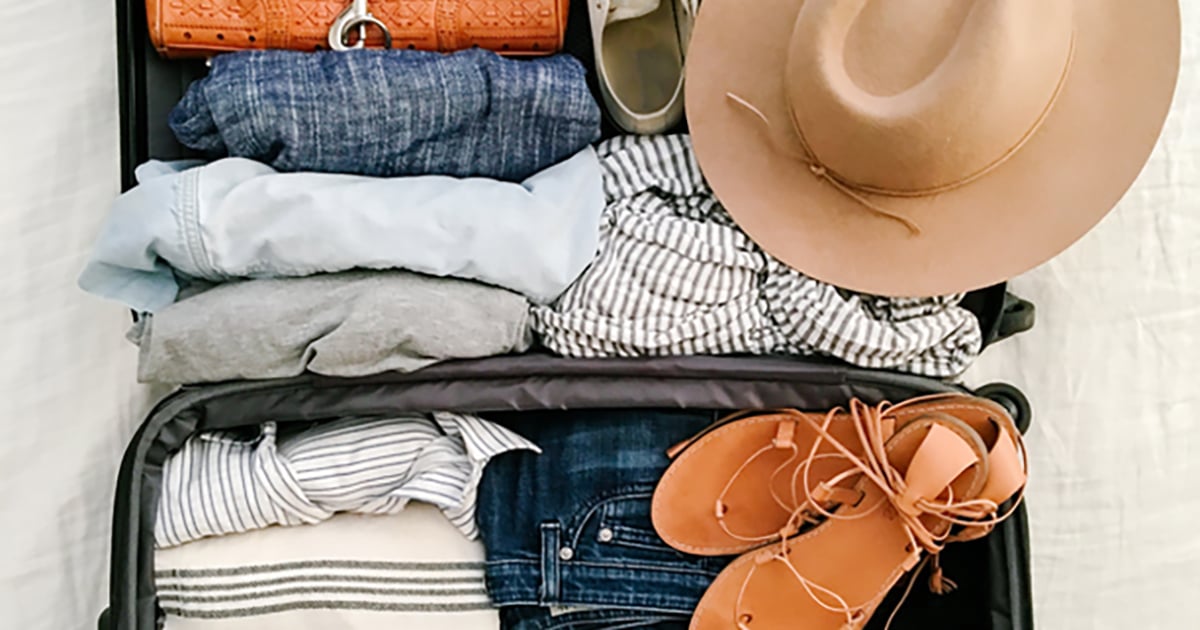
Selecting an appropriate backpack is a critical component of ensuring your survival kit is both accessible and manageable during camping adventures. A well-chosen pack not only accommodates all necessary gear but also maintains comfort and ease of transport, even during extended trips or challenging terrains. The right backpack enhances your overall safety and preparedness, making your outdoor experience more enjoyable and less stressful.
When selecting a backpack for your camping survival kit, various factors such as size, weight, compartment organization, and comfort must be carefully considered. These criteria ensure that your gear is stored efficiently, distributed evenly, and carried comfortably, reducing fatigue and preventing strain during your journey.
Criteria for Selecting a Suitable Backpack
Understanding the essential qualities of a camping backpack helps in identifying the model that best suits your needs. Each feature plays a vital role in the overall functionality and comfort of the pack:
- Size and Capacity: The backpack should have adequate volume to hold all your survival gear without being bulky. Typically, a capacity between 40 to 70 liters is suitable for multi-day trips, providing enough space for essentials without overburdening the user.
- Weight: An ideal backpack should be lightweight itself, so it doesn’t add unnecessary weight to your load. Many models incorporate lightweight materials like ripstop nylon or polyester to reduce weight without compromising durability.
- Compartments and Accessibility: Multiple compartments facilitate organized storage, allowing quick access to critical items such as first aid kits, navigation tools, or food supplies. Features like hydration reservoir sleeves and external attachment points increase versatility.
- Comfort and Fit: Padding on shoulder straps, hip belts, and back panels ensures comfort during prolonged wear. Adjustable straps and ergonomic designs help distribute weight evenly, preventing pressure points and reducing fatigue.
- Durability and Weather Resistance: Garments made from robust, water-resistant materials protect your gear from elements like rain or snow, increasing resilience during unpredictable weather conditions.
Comparison Table of Popular Backpack Models
Here is a comparison of some widely recommended backpacks suitable for camping survival kits, highlighting their features and price points to assist in making an informed choice:
| Model | Capacity | Weight | Features | Price Range |
|---|---|---|---|---|
| Osprey Atmos AG 65 | 65 liters | 2.94 lbs (1.33 kg) | Anti-Gravity suspension, multiple access points, adjustable straps | $250 – $280 |
| Deuter Aircontact Lite 50+10 | 60 liters (expandable to 70) | 3.2 lbs (1.45 kg) | Ergonomic design, rain cover, multiple compartments | $180 – $220 |
| Gregory Baltoro 65 | 65 liters | 4.9 lbs (2.22 kg) | Comfortable hip belt, weather-resistant fabric, Load-lifter straps | $280 – $330 |
| Kelty Redwing 50 | 50 liters | 3.7 lbs (1.68 kg) | Versatile, durable, multiple carry options, hydration sleeve | $130 – $160 |
Choosing among these models depends on your specific trip duration, load requirements, and budget constraints. Prioritizing durability, comfort, and organizational features will optimize your camping and survival experience.
Packing Techniques for Even Weight Distribution
An efficiently packed backpack significantly impacts comfort and endurance during outdoor excursions. Proper weight distribution not only reduces fatigue but also enhances stability and accessibility to essential gear.
To achieve optimal packing, consider the following techniques:
- Center Heavy Items: Place heavier objects such as water bottles, food supplies, or tools close to your back and centered in the main compartment. This positioning maintains balance and minimizes strain on your shoulders.
- Distribute Weight Evenly: Spread lighter items throughout the pack’s outer and top compartments to balance the load laterally and vertically. This approach prevents one side from being heavier, which can cause discomfort while walking.
- Use Compartments Strategically: Store frequently accessed items like maps, snacks, or rain gear in external pockets or top compartments for quick retrieval without disturbing the main load.
- Secure Loose Items: Pack smaller or irregularly shaped gear in mesh pockets or compression sacks to prevent shifting during movement, which can destabilize the load.
- Adjust Straps for Fit: Always tighten shoulder straps and hip belts so that weight rests comfortably on your hips rather than your shoulders, reducing fatigue and ensuring better control of your pack.
Tip: Regularly check your pack during packing to ensure that the weight is balanced and the load is stable. During hikes, periodically adjust straps to accommodate shifts and maintain comfort.
Customizing Your Survival Kit for Different Camping Environments
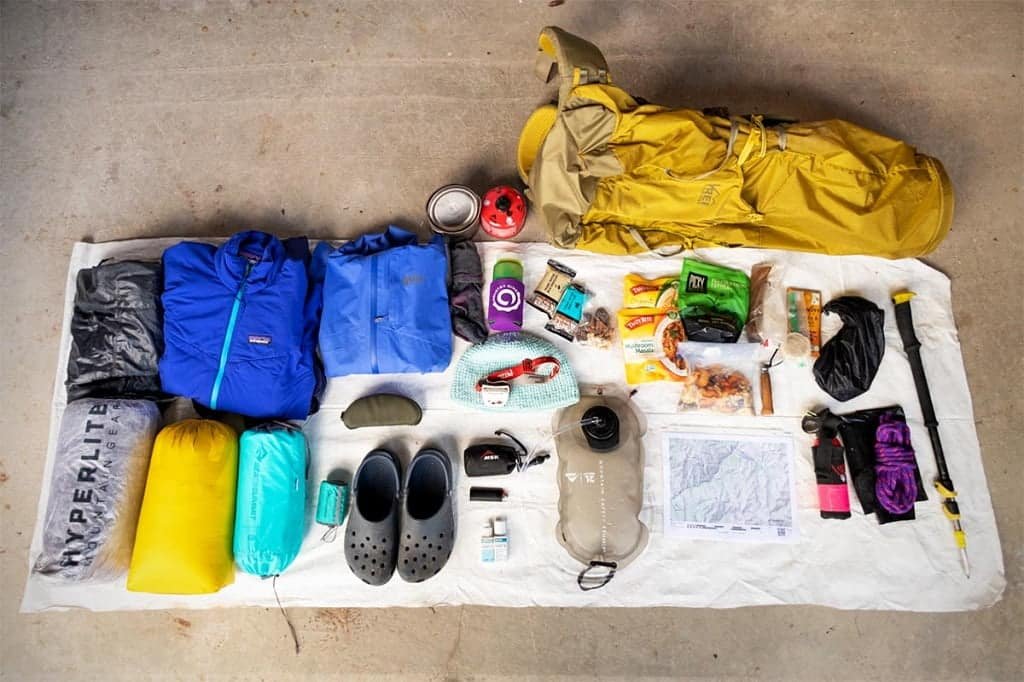
Adapting your survival kit to suit various camping environments enhances your preparedness and increases your chances of safety and comfort during unforeseen situations. Understanding the specific demands of the climate, terrain, and trip duration allows you to tailor your gear, ensuring that you carry only the most relevant items while maintaining a manageable pack weight.
Proper customization requires evaluating the unique challenges posed by different environments, such as extreme cold, scorching heat, rugged terrains, or arid deserts. This process involves selecting appropriate clothing, tools, and supplies that address these conditions, as well as considering the length of your trip to adjust the quantity of consumables like food and water. By thoughtfully modifying your survival kit, you optimize your readiness for any situation you might encounter during your camping adventure.
Adapting Your Kit Based on Climate, Terrain, and Trip Duration
Adapting your survival kit involves a systematic assessment of the environmental factors that will influence your needs. For cold weather, focus on insulation, fire-starting tools, and emergency shelter. In hot, arid conditions, prioritize hydration, sun protection, and shade options. Rugged terrains demand durable tools, navigation aids, and protective gear, while long trips require increased supplies of food, water purification systems, and backup equipment.
Begin by researching the specific climate and terrain of your destination, noting potential hazards such as snowstorms, dehydration risks, or wildlife encounters. Adjust your gear list accordingly, for example, including thermal blankets and hand warmers for cold environments or extra water bottles and high-SPF sunscreen for hot climates. For extended trips, plan for replenishment strategies, like carrying water purification tablets or portable filtration systems, to sustain you throughout the journey.
Additional Items for Specific Environments
When preparing for different camping environments, incorporating environment-specific items into your survival kit can significantly improve your safety and comfort. Here are tailored recommendations:
- Cold Weather:
- Insulated thermal clothing and extra layers
- Hand warmers and thermal blankets
- Ice axe and crampons for snowy or icy terrain
- Snow shovel for shelter digging or debris removal
- High-calorie, easily digestible food for energy maintenance
- Desert Conditions:
- Wide-brimmed sun hat and UV-protective sunglasses
- Lightweight, moisture-wicking clothing
- High-SPF sunscreen and lip balm
- Extra water containers and hydration packs
- Cooling towels and portable shade structures
Optional Gear Table for Different Environments
| Gear Item | Description | Benefits | Packing Tips |
|---|---|---|---|
| Thermal Insulation Blanket | A compact, reflective blanket designed to retain body heat in cold environments. | Provides emergency warmth, reduces heat loss, lightweight. | Roll tightly and store in waterproof bag for easy access. |
| Hydration System (CamelBak or similar) | Hands-free water reservoir with a tube for drinking on the go. | Encourages regular hydration, convenient during movement. | Fill before departure, ensure no leaks, pack in accessible section of the pack. |
| Sun Protective Clothing | Lightweight, long-sleeved shirts and UV-protection pants. | Protects skin from sunburn, keeps body cool, reduces dehydration risk. | Pack in layers, fold compactly, and wear during peak sun hours. |
| Multi-Tool with Saw and Knife | Versatile tool for cutting, repairing gear, or building shelter. | Reduces need to carry multiple tools, highly durable. | Store in accessible side pocket or in a dedicated compartment. |
| Navigation Device (GPS or Compass) | Electronic or traditional device for orientation and route finding. | Prevents getting lost, especially in unfamiliar terrain. | Battery-powered units should be fully charged; carry spare batteries or solar charger. |
Maintenance and Upkeep of Your Survival Kit
Ensuring your survival kit remains functional and reliable is essential for safe and successful camping experiences. Regular inspection, cleaning, and timely replacement of components help prevent equipment failure when it matters most. Establishing a routine maintenance schedule and creating a systematic packing process are key strategies to keep your kit in optimal condition and ready for any outdoor adventure.Proper maintenance of your survival kit involves both systematic checks and proactive replacements.
Over time, components can deteriorate due to environmental exposure, expiration, or wear and tear. Routine care not only extends the lifespan of your gear but also guarantees that you can depend on every item during emergencies. Implementing a structured schedule for inspection and upkeep is necessary to preserve the kit’s effectiveness and ensure peace of mind before each trip.
Regular Inspection, Cleaning, and Replacement of Components
Maintaining a comprehensive approach to your survival kit involves periodic reviews of all items to verify their condition and functionality. This process should include inspecting for physical damage, checking expiration dates, cleaning reusable gear, and replacing worn or outdated components. Regularly scheduled inspections are especially vital after trips to identify issues before the next adventure.To conduct thorough inspections:
- Examine all containers for cracks, leaks, or corrosion, particularly waterproof cases and storage bags.
- Verify the expiration dates on perishable supplies such as food, medications, and chemical treatments.
- Clean reusable items, such as water filters, utensils, and individual tools, using appropriate disinfectants or cleaning agents to prevent contamination.
- Test electronic components, including flashlights and radios, to ensure batteries are functional and replace them if needed.
- Check clothing and bedding for tears, fraying, or signs of mold, and repair or replace as necessary.
Creating a visual checklist or inventory list aids in tracking the condition of each item and simplifies the maintenance process. It is recommended to keep a log of inspection dates and actions taken for future reference.
Annual and Pre-Trip Maintenance Routines
Implementing a structured schedule for maintenance ensures that your survival kit remains reliable over time. This involves setting specific intervals for comprehensive checks, typically annually or before each camping trip, especially if the kit has been stored for an extended period or exposed to harsh conditions.An effective routine includes:
- Performing a full inventory to ensure all essential items are present and in good condition.
- Replacing expired consumables, such as food rations, water purification tablets, and medications.
- Testing functional gear like flashlights, communication devices, and battery-operated tools, replacing batteries if necessary.
- Cleaning and sanitizing all reusable equipment, including cooking utensils, multi-tools, and water filters.
- Inspecting storage containers for integrity, resealing, or replacing damaged cases or bags.
Maintaining a dedicated maintenance schedule helps create a habit that promotes safety and preparedness. Marking reminders on calendars or using digital alerts ensures that inspections are not overlooked and that your kit stays ready for any emergency.
Creating a Packing Schedule for Readiness
A well-organized packing schedule guarantees that your survival kit is prepared and accessible before each camping trip. This process involves reviewing your kit, replenishing supplies, and confirming that all components are in optimal condition. Developing a routine packing checklist minimizes the risk of forgetting critical items and reduces last-minute stress.To establish an effective packing routine:
- Create a detailed checklist based on the specific needs of the trip, environment, and season.
- Set a specific day or time before each trip for kit review and packing, allowing ample time for any necessary replacements or repairs.
- Prepare the kit in a consistent location to facilitate quick packing and unpacking.
- Check weather forecasts and trip duration to adjust the contents accordingly, such as including additional cold-weather gear or extra water supplies.
- After each trip, promptly clean and restore your kit to its baseline condition, replacing any used or damaged items.
By integrating these routines into your camping preparation, you ensure your survival kit remains reliable, functional, and ready to support you during unforeseen circumstances. Consistent upkeep not only enhances safety but also boosts confidence, allowing you to enjoy your outdoor adventures with peace of mind.
Final Thoughts
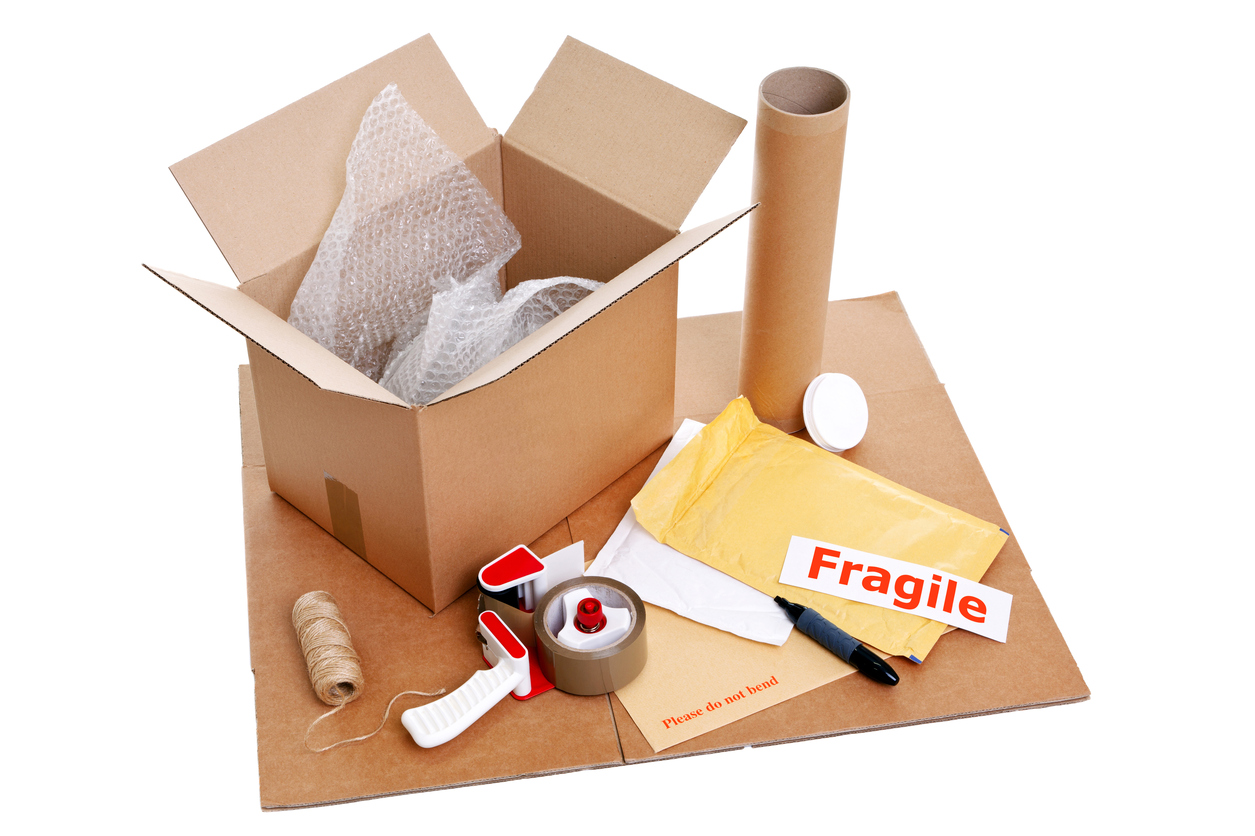
In conclusion, mastering how to pack a survival kit for camping combines careful item selection, strategic organization, and regular maintenance. This comprehensive approach ensures that your kit remains reliable and ready for any unexpected circumstances. Proper preparation elevates your outdoor experience, allowing you to enjoy nature with confidence and security.