Mastering the art of packing for a camping and hiking combo ensures a seamless outdoor experience filled with comfort and preparedness. Whether you’re venturing into rugged trails or relaxing by a campfire, having the right gear and organization can make all the difference. Proper planning not only saves space and reduces weight but also enhances safety and enjoyment during your adventure.
This comprehensive guide covers essential gear selection, clothing strategies, packing techniques, safety essentials, food and hydration planning, and space-saving tips. By following these insights, you can pack effectively, ensuring you’re ready for any situation while maintaining efficiency and convenience throughout your trip.
Clothing Strategies for Comfort and Efficiency

Effective clothing management is vital for ensuring a comfortable and enjoyable camping and hiking experience. Proper layering, selection of moisture-wicking fabrics, and weather-resistant gear help adapt to changing weather conditions, prevent discomfort, and optimize packing space. Implementing a strategic approach to clothing not only enhances your comfort but also streamlines your packing process, making sure you have the right items accessible when needed.
Adopting a systematic method to pack clothing involves understanding the importance of versatile layers, prioritizing moisture management, and selecting weather-resistant options. This approach ensures that you are prepared for different environments, from chilly mornings to sudden rain showers, without overloading your pack with unnecessary items. Efficient packing also helps in maintaining organization, reducing the chances of missing essential clothing pieces during your outdoor adventures.
Weather-Appropriate Clothing Layers
Layering clothing effectively is fundamental for comfort and adaptability. Each layer serves a specific purpose, and combining them appropriately allows you to respond to varying weather conditions efficiently. The key is to include moisture-wicking base layers, insulating mid-layers, and protective outer shells. This combination ensures you stay dry, warm, and protected from elements such as wind, rain, and snow.
For different climates, specific clothing choices are recommended:
- Warm and Mild Weather: Lightweight moisture-wicking shirts, breathable hiking pants, and a sun hat provide comfort without excessive bulk.
- Cold Conditions: Thermal base layers, insulated mid-layers like fleece or down garments, and windproof, waterproof outer shells become essential to retain body heat and block wind chill.
- Wet or Rainy Weather: Waterproof jackets, rain pants, and quick-drying fabrics ensure dryness and reduce discomfort from moisture.
Step-by-Step Clothing Packing Method
Efficient packing of clothing begins with strategic organization, focusing on moisture management and weather resistance. Following a structured method ensures quick access to necessary apparel and minimizes pack clutter.
- Assess Weather Forecasts: Start by reviewing weather predictions for your camping and hiking locations to determine the clothing layers needed.
- Choose Versatile Items: Select clothing pieces that can serve multiple purposes or be layered for different conditions. For example, a lightweight fleece can be used as insulation or a standalone layer in milder weather.
- Prioritize Moisture-Wicking Fabrics: Pack base layers made from merino wool or synthetic fibers like polyester, which draw sweat away from the skin, keeping you dry and comfortable.
- Include Weather-Resistant Outer Layers: Ensure you have waterproof jackets and pants, especially if rain is expected, and pack them in easily accessible areas of your pack.
- Organize Clothing by Use and Frequency: Roll or fold clothing to save space, and pack items you will need most frequently towards the top or in accessible compartments.
- Utilize Packing Cubes or Compression Bags: These help compress bulkier items and keep clothing organized, thus maximizing space and reducing clutter.
Remember, layering your clothing appropriately and packing with purpose enables efficient adaptation to changing weather conditions, ensuring a comfortable and safe outdoor experience.
Safety and Emergency Supplies
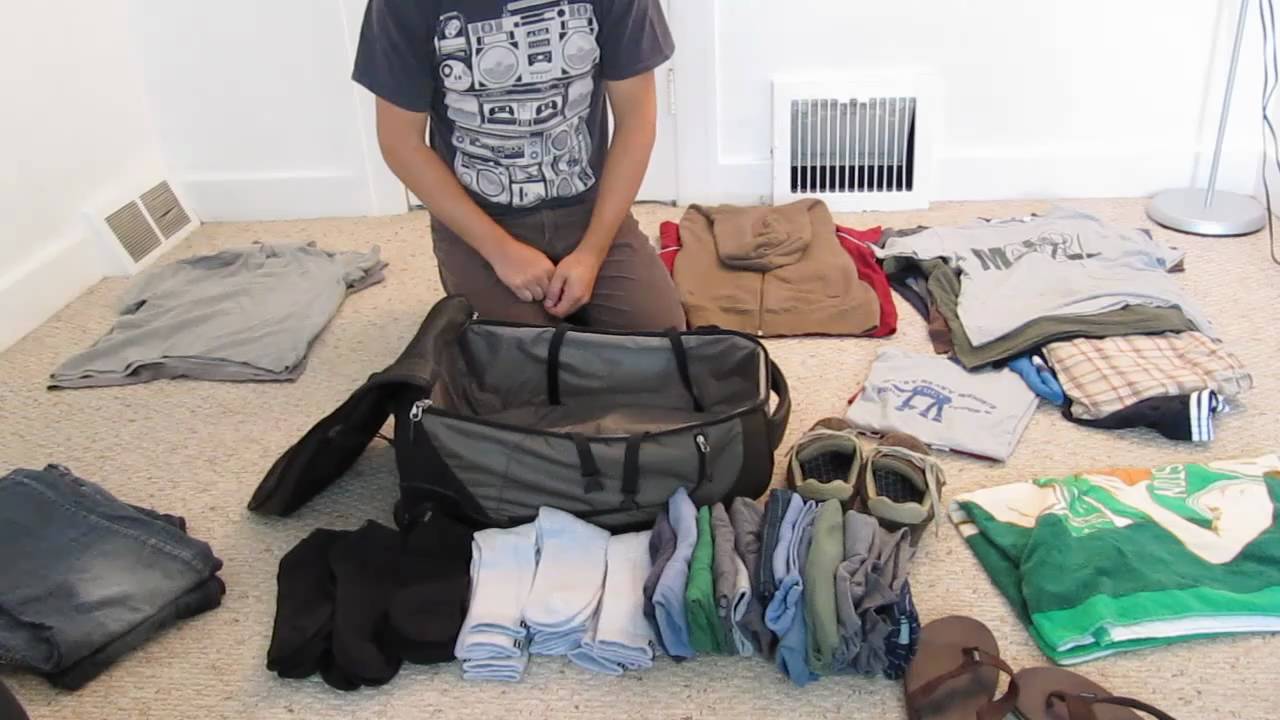
Ensuring safety during camping and hiking trips is paramount to prevent and manage unforeseen incidents. Adequately prepared safety and emergency supplies enable adventurers to respond effectively to emergencies, potentially saving lives and reducing injuries. Properly packing and organizing these supplies ensures quick access when time is of the essence, providing peace of mind and enhancing overall safety.Emergency supplies should be tailored to the specific environment and duration of the outdoor adventure.
They serve as a critical safety net in case of accidents, sudden weather changes, or navigation issues. Having a well-organized emergency kit not only facilitates immediate response but also minimizes stress during stressful situations, allowing hikers and campers to focus on resolving the situation efficiently.
Essential Safety Equipment
A comprehensive list of safety gear is crucial for outdoor excursions. This equipment covers a broad range of potential emergencies, from minor injuries to navigating lost situations and signaling for help. The list includes:
- First aid kit with bandages, antiseptic wipes, pain relievers, and specialized medications
- Navigation tools such as a detailed map, compass, and GPS device
- Signaling devices including a whistle, mirror, and emergency flare or flare gun
- Multi-tool or Swiss Army knife for various repair and survival tasks
- Headlamp or flashlight with extra batteries for visibility during nighttime or low-light conditions
- Personal protective equipment like gloves, eye protection, and face masks if necessary
- Emergency shelter such as a lightweight tarp or space blanket
- Extra clothing layers suitable for weather conditions, including rain gear and thermal wear
- Fire-starting supplies such as waterproof matches, lighters, and fire starters
- Personal identification and emergency contact information
Strategies for Packing and Accessing Emergency Supplies
Efficient organization of emergency supplies ensures rapid deployment in critical moments. The goal is to create a dedicated, easily accessible safety kit that remains secure yet reachable without fumbling through other gear. Proper packing methods involve compartmentalization, clear labeling, and strategic placement within your backpack or survival kit.To assemble a compact safety kit:
- Use a durable, waterproof container or pouch to protect supplies from moisture and damage.
- Segment items logically—first aid supplies in one compartment, signaling devices in another, and navigation tools in a separate section.
- Place frequently used items, such as a flashlight or whistle, in outer pockets or top compartments for quick access.
- Label compartments clearly or use color-coded pouches to identify contents instantly.
- Test accessibility by practicing quick retrieval of each essential item to ensure familiarity during emergencies.
- Keep an inventory list attached to the kit or stored nearby to verify contents before each trip and during emergencies.
- Regularly inspect and update supplies, replacing expired or used items to maintain readiness.
Implementing these strategies guarantees that safety and emergency supplies are not only comprehensive but also immediately available, reducing response times during unforeseen events and enhancing overall safety during outdoor adventures.
Food and Hydration Planning
Proper planning of food and water supplies is essential for ensuring energy, safety, and overall well-being during camping and hiking activities. Well-organized provisions help prevent dehydration, nutritional deficiencies, and unnecessary weight burdens, contributing to a more enjoyable and safe outdoor experience. Developing strategies for selecting, packing, and organizing supplies ensures efficiency and readiness for varying conditions encountered on the trail.Effective food and hydration planning involves choosing lightweight, nutrient-dense foods that can withstand outdoor conditions while providing adequate calories and essential nutrients.
Organizing these supplies systematically helps facilitate easy access during hikes and prevents spoilage or waste. Portable water management, including hydration techniques and filtration methods, plays a critical role in maintaining health, especially in remote locations where water sources may be uncertain or contaminated.
Food Selection, Packing, and Organization Strategies
Choosing appropriate food items involves prioritizing lightweight, non-perishable, and high-energy options such as trail mix, energy bars, dehydrated meals, and canned goods. Incorporating a variety of food groups ensures balanced nutrition, which is vital for sustained physical activity. When packing food, use airtight, moisture-resistant containers to prevent spoilage and contamination. Divide meals into portions suitable for individual servings, reducing waste and simplifying meal preparation.Organizing supplies in categorized, easily accessible compartments within your backpack enhances efficiency.
For example, place snacks and quick-energy foods in outer pockets for easy reach during hikes, while storing bulkier or prepared meals in the main compartment. Labeling containers and using clear storage bags aids in quick identification, minimizing time spent searching for specific items.
Meal Planning, Portion Sizes, and Storage Containers
Effective meal planning involves pre-arranging daily menus that balance caloric needs with weight constraints. For a typical day, plan for breakfast, lunch, dinner, and snacks, ensuring each provides sufficient energy. Portion sizes should align with the activity level and individual requirements, generally ranging from 300 to 600 calories per meal for active hikers. Adjustments should be made based on factors such as body weight, weather conditions, and exertion levels.| Meal Type | Typical Portion Size | Storage Containers | Notes ||————|———————-|———————|————————————–|| Breakfast | 300-400 calories | Resealable snack bags, small containers | Include oatmeal, granola, or powdered eggs.
|| Lunch | 400-500 calories | Lightweight lunch boxes, sealable jars | Incorporate sandwiches, energy bars, or jerky. || Dinner | 500-600 calories | Vacuum-sealed pouches, insulated containers | Opt for dehydrated meals or canned foods. || Snacks | 150-200 calories each | Small zippered bags, portable containers | Nuts, dried fruits, trail mix.
|Maintaining a balance between convenience and weight is fundamental. Utilizing vacuum-sealed or freeze-dried foods reduces bulk and extends shelf life, while reusable containers support environmental sustainability. Always pack extra portions or emergency rations in case of unforeseen delays or increased activity levels.
Hydration Strategies and Water Filtration Options
Maintaining proper hydration is critical for performance and safety during outdoor adventures. A general guideline recommends drinking at least 2 liters of water daily, with increased intake in hot weather or during strenuous activity. Carrying a dedicated water container, such as a durable hydration bladder or bottles, enables easy access to fluids throughout the day.To ensure water safety, portable filtration methods are indispensable when sourcing water from natural sources like streams, lakes, or rivers.
Common options include pump filters, squeeze filters, activated carbon filters, and UV sterilizers. These devices effectively remove bacteria, protozoa, and some viruses, preventing waterborne illnesses.A reliable hydration plan includes regular sipping, even before feeling thirsty, to maintain hydration levels. Using electrolyte tablets or powders can help replenish salts lost through sweat, especially during long hikes or in hot climates. Proper storage of water, such as keeping bottles in shaded areas or insulated containers, helps prevent spoilage and maintains optimal hydration quality during extended trips.
Tips for Efficient Use of Space and Weight Reduction
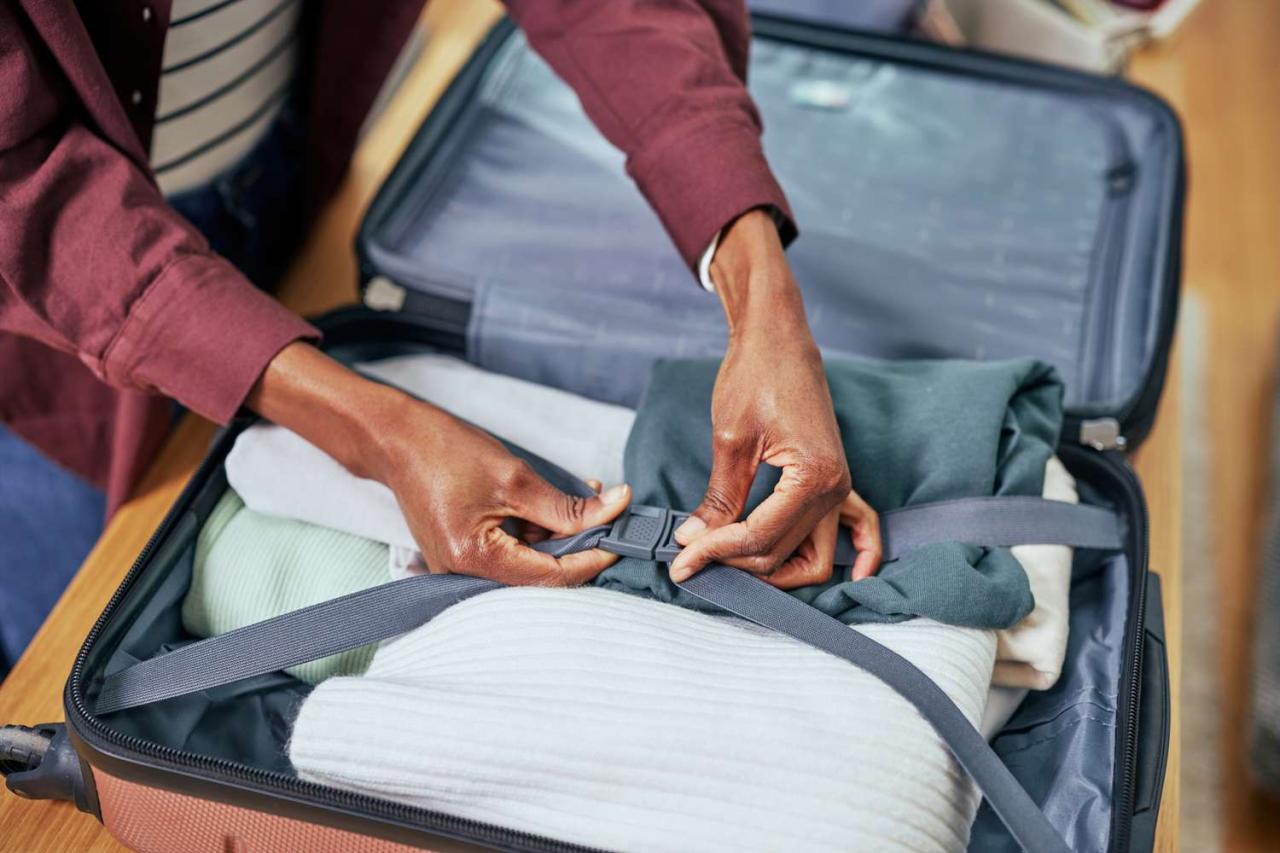
Properly managing your pack’s space and weight is essential for a comfortable and enjoyable camping and hiking experience. By employing strategic packing techniques, you can minimize your load, ensure quick access to essentials, and reduce fatigue during your adventure. Optimizing your gear not only enhances mobility but also contributes to safety and overall enjoyment.Achieving a lightweight and well-organized pack involves thoughtful planning and practical techniques.
These methods help you carry only what is necessary while maintaining the flexibility to access your gear efficiently. Incorporating space-saving hacks and multi-use items can significantly reduce overall weight and prevent clutter, making your outdoor experience more manageable and pleasurable.
Techniques to Minimize Pack Weight and Optimize Space
Effective weight and space management hinge on specific packing strategies designed to streamline your gear and maximize efficiency. These approaches focus on reducing bulk, eliminating redundancy, and leveraging versatile items to serve multiple functions. By adopting these techniques, hikers and campers can significantly lighten their loads, improve mobility, and enhance safety.
- Rolling Clothes: Rolling clothing instead of folding compresses fabric, reduces creases, and saves space within your pack. This technique allows for more items to be packed tightly and keeps clothes organized for easy access.
- Using Compression Sacks: Compression sacks work by removing excess air from sleeping bags, clothing, or other soft items, drastically reducing their volume. They are particularly useful for bulky items and contribute to a more compact pack.
- Multi-Use Items: Selecting gear that serves multiple purposes minimizes the number of items carried. Examples include a bandana that can act as a towel, head covering, or filter; a multi-tool with various functions; or a tarp that can serve as shelter, ground cover, or rain fly.
- Prioritizing Lightweight Gear: Opt for ultralight equipment made from high-strength, lightweight materials. Comparing weight specifications during gear selection helps in choosing essentials that meet safety and comfort without unnecessary bulk.
- Strategic Packing Order: Pack frequently accessed items near the top or in external pockets for quick retrieval, while rarely used items are stored at the bottom or in the middle of the pack. This organization reduces the need to unpack and repack repeatedly.
- Limiting Non-Essentials: Carry only items that are necessary for your trip duration and conditions. Avoid bringing items just in case, and instead focus on versatile gear to minimize weight and space.
Optimal packing results from a combination of these techniques, ensuring that your pack remains lightweight, organized, and tailored to your specific outdoor activities.
Final Checklist and Troubleshooting

Completing your packing with a comprehensive checklist ensures that all essential items are accounted for, providing peace of mind before embarking on your camping and hiking adventure. Proper planning minimizes the risk of overlooked gear and helps streamline the packing process, saving time and reducing stress.
Additionally, being prepared for common packing issues and understanding troubleshooting strategies can prevent last-minute surprises and ensure a smooth experience in the outdoors. Having a clear comparison of necessary versus optional items allows for efficient packing tailored to your specific trip duration, environment, and personal needs.
Comprehensive Packing Checklist
Developing a detailed checklist is vital for verifying that every necessary item is packed, especially when preparing for a combined camping and hiking trip. It helps you organize gear systematically and tailor the packing process to your itinerary and weather conditions.
Use the checklist as a dynamic tool, updating it based on trip specifics, and always double-check prior to departure to prevent omissions.
| Essential Items | Optional Items |
|---|---|
|
|
Troubleshooting Common Packing Issues
Despite careful planning, packing mishaps can occur, such as missing essential gear or overpacking. Recognizing common issues allows for prompt correction and improved packing efficiency.
- Forgotten Items: Conduct a final walkthrough using your checklist before leaving your home or vehicle. Cross-check each item and verify that critical gear such as navigation tools, medical supplies, and shelter are included.
- Overpacking: Prioritize lightweight and multipurpose items. Use compression sacks for clothing and gear, and evaluate whether each item is necessary for the trip duration and expected conditions.
- Unbalanced Load: Distribute weight evenly within your pack to prevent strain. Place heavier items close to your back and center of gravity, and lighter items toward the outside or top.
- Excessive Space in Pack: Use packing cubes or compartments to optimize space and prevent items from shifting. Remove non-essential items or replace bulky gear with lightweight alternatives.
- Weather-Related Issues: Pack extra layers or rain gear based on forecast predictions. Keep wet or dirty clothes separate from clean gear using designated compartments.
By employing these troubleshooting tips, outdoor enthusiasts can enhance their packing strategy, reduce potential inconveniences, and ensure a safer and more enjoyable adventure.
Concluding Remarks
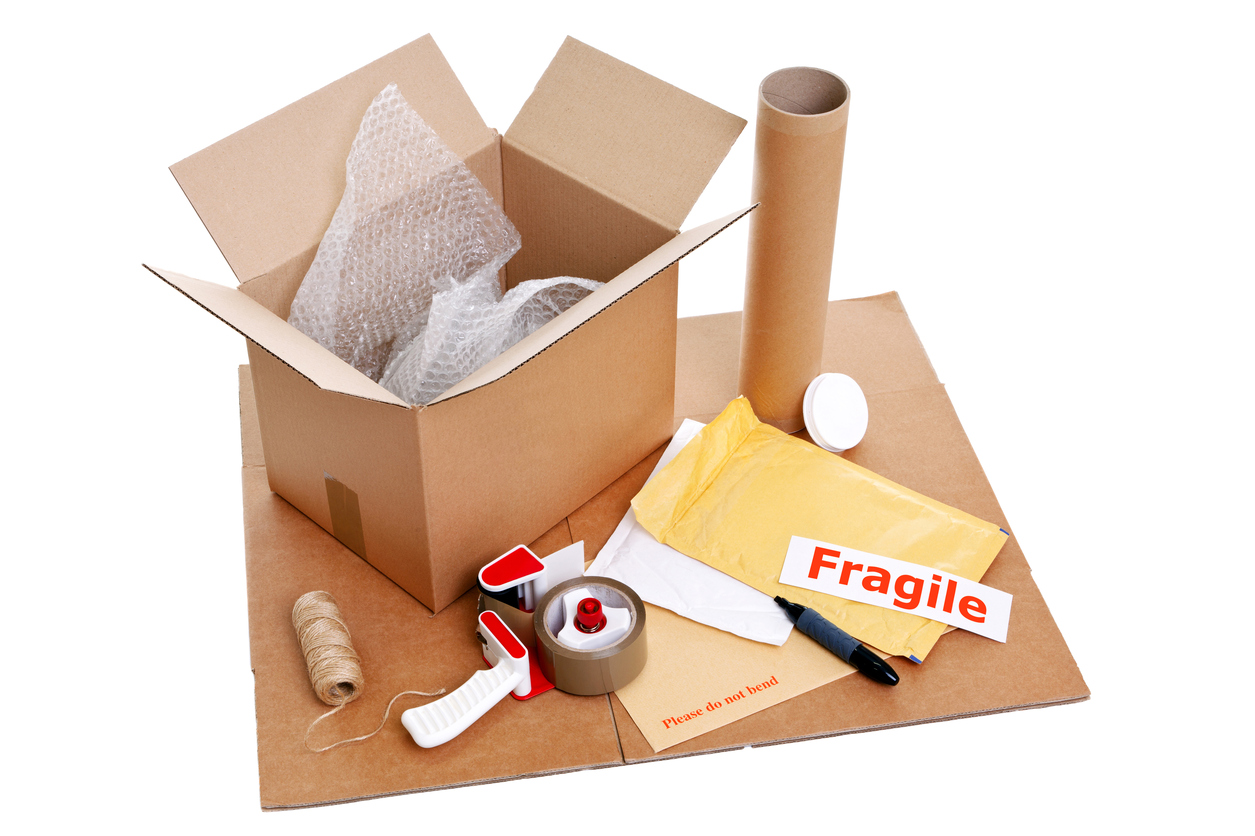
In conclusion, meticulous packing for a camping and hiking combination transforms a challenging outdoor trip into a memorable and enjoyable experience. Prioritizing versatile gear, organized packing methods, and safety essentials allows you to maximize comfort and safety. With proper preparation, you’ll be equipped to face the outdoors confidently and make the most of your adventure from start to finish.