Discover effective strategies to stay warm and safe when camping without a sleeping bag. Whether faced with unexpected circumstances or intentional minimalist adventures, knowing how to adapt can make all the difference in ensuring a comfortable and secure night outdoors. This guide provides practical methods, from improvised insulation to shelter building, empowering you to handle cold conditions confidently.
By utilizing available materials, proper clothing choices, and natural resources, you can create a makeshift warm environment that maximizes comfort and safety. Understanding these techniques is essential for any outdoor enthusiast aiming to survive and thrive in challenging conditions without relying on traditional sleeping gear.
Essential Tips for Surviving Camping Without a Sleeping Bag
Camping without a sleeping bag presents unique challenges, especially regarding maintaining body warmth during cold nights. When traditional bedding isn’t available, relying on alternative insulation methods becomes crucial for safety and comfort. Understanding how to adapt using available resources can significantly improve your chances of staying warm and alert through the night.
In situations where a sleeping bag is unavailable, improvising with clothing, natural materials, and makeshift arrangements can serve as effective insulation. Employing strategic layering, selecting optimal sleeping locations, and utilizing natural resources can help conserve body heat and prevent hypothermia. This guide provides practical tips and step-by-step arrangements to enhance warmth during your camping experience without conventional sleeping gear.
Alternative Methods to Keep Warm in Cold Conditions
When faced with the absence of a sleeping bag, maintaining warmth requires resourcefulness and proper technique. Key strategies include maximizing body heat conservation, creating insulated shelters, and using available materials to trap warmth. Prioritizing these methods ensures a safer and more comfortable camping experience despite the lack of standard equipment.
Improvised Insulation Techniques Using Available Materials
The following materials, commonly found or easily carried, can be used to enhance insulation during camping without a sleeping bag:
- Clothing Layers: Wearing multiple layers, especially insulating items such as thermal underwear, fleece, or wool sweaters, helps trap heat close to the body. Tucking extra clothing around your torso and legs creates a makeshift insulated barrier.
- Leaves and Natural Debris: Collecting dry leaves, grass, pine needles, or bark and layering them within your sleeping area can significantly improve insulation. These materials act as natural insulators by trapping air and reducing heat loss.
- Blankets and Cloth Items: Using any available blankets, towels, or extra clothing as an outer layer can provide additional warmth. Wrapping yourself tightly with these items minimizes heat escape.
- Natural Shelter Construction: Building a lean-to or shelter with branches and foliage, and lining the interior with insulating materials such as leaves and grass, creates a barrier against wind and cold air.
- Body Heat Conservation: Sharing body heat with a companion by sleeping close or cuddling can raise the overall temperature within the shelter, making a significant difference during frigid nights.
Step-by-Step Guide to Makeshift Sleeping Arrangements and Their Insulation Properties
Creating a well-insulated sleeping area is essential. The following table Artikels common makeshift arrangements and their relative insulation effectiveness, helping you choose the best option based on available resources.
| Arrangement | Description | Insulation Properties |
|---|---|---|
| Layered Leaves and Grass on the Ground | Gather dry, fluffy leaves or grass, and spread a thick layer over the ground surface before lying down. | Provides a basic insulating barrier that traps air close to the body, reducing heat conduction to the cold ground. |
| Clothing Cavity Bed | Arrange clothing, jackets, or blankets into a snug cavity or nest, then lie within or on top, ensuring body contact with the insulating layers. | Effective at trapping body heat, especially if multiple clothing layers are used to create a close-fitting enclosure. |
| Natural Shelter with Insulating Floor | Construct a lean-to or windbreak with branches, lining the interior with leaves, grass, or pine needles. | Reduces exposure to wind and cold air, with natural materials adding insulation and maintaining a warmer microclimate inside. |
| Twined Branch Frame with Insulation Layer | Create a basic frame with sturdy branches, then fill the interior with insulating materials such as moss, bark, or straw before lying down. | Provides a semi-permanent, insulated sleeping platform that minimizes heat loss and wind penetration. |
| Two-Person Body Heat Sharing | Sleep close together, preferably in a sheltered area, to share and conserve heat. Use clothing or blankets to maximize insulation. | Highly effective; body heat transfer between individuals can elevate the temperature within the makeshift bed significantly. |
Remember, the key to survival without a sleeping bag is to utilize available resources creatively, keep dry, and protect yourself from wind and moisture, which can rapidly decrease body temperature.
Selecting the Right Clothing and Gear for Cold-Weather Camping Without a Sleeping Bag

Embarking on a cold-weather camping adventure without the traditional sleeping bag demands careful selection of clothing and gear designed to maximize warmth, moisture management, and safety. Proper layering and equipment modifications are essential to maintain an optimal core temperature and ensure a comfortable overnight experience under challenging conditions. Understanding the right materials and techniques can significantly reduce the risk of hypothermia and improve overall comfort during your outdoor stay.
Choosing appropriate clothing and gear involves understanding the properties of different materials, how to layer effectively, and how to adapt existing equipment for enhanced thermal efficiency. The following sections provide detailed guidance on selecting clothing layers that maximize insulation and moisture management, comparing suitable materials, and modifying gear to better suit cold-weather conditions.
Clothing Layers for Insulation and Moisture Management
Effective cold-weather camping without a sleeping bag hinges on strategic layering that traps body heat while allowing moisture to escape. The layering system typically includes a base layer, an insulating mid-layer, and an outer shell. Each layer plays a critical role in maintaining warmth, preventing moisture buildup, and protecting against wind and precipitation.
- Base Layer: Worn directly against the skin, this layer’s primary function is to wick sweat away from the body. Materials like merino wool or synthetic fibers such as polyester and nylon are excellent for this purpose, providing moisture management without retaining excess moisture that can lead to chilling.
- Insulating Layer: This layer traps body heat and provides insulation. Fleece, down, or synthetic insulated jackets are common choices. In cold environments, layering multiple insulating pieces can significantly improve thermal retention. It’s important that this layer remains dry, as moisture drastically reduces insulation efficiency.
- Outer Shell: The outer layer shields against wind, rain, and snow. Waterproof and windproof shells made from Gore-Tex or similar breathable fabrics are ideal. They prevent external moisture from penetrating the insulating layers while allowing internal moisture to escape, reducing the risk of dampness and hypothermia.
Combining these layers effectively ensures that you stay warm, dry, and comfortable during overnight camping without a sleeping bag. Layering also allows for flexibility in adjusting clothing based on changing weather conditions or activity levels.
Comparison of Clothing Materials Suitable for Cold-Weather Insulation
Different fabrics offer varying levels of insulation, moisture management, durability, and weight. Understanding the properties of each material helps in selecting the most suitable clothing for cold-weather camping without a sleeping bag.
| Material | Insulation Properties | Moisture Management | Durability | Weight | Remarks |
|---|---|---|---|---|---|
| Merino Wool | Excellent thermal retention even when wet; naturally insulating | Exceptional moisture-wicking; regulates temperature effectively | High; resistant to odors and bacteria | Moderate to heavy depending on thickness | Ideal for base layers and outdoor activities in cold climates |
| Polyester (Synthetic) | Good insulation, especially when layered; less effective when wet | Excellent moisture-wicking; dries quickly | High; resistant to tearing and abrasion | Lightweight | Popular for base and mid-layers due to durability and weight |
| Down | Superior insulation-to-weight ratio; compressible | Insufficient when wet; loses insulating properties | Moderate; vulnerable to moisture damage | Lightweight | Best used with a waterproof outer shell; requires moisture protection |
| Fleece | Good insulation; retains heat even when damp | Moisture-resistant but not waterproof; dries quickly | High; durable and resistant to pilling | Light to moderate | Excellent mid-layer for warmth and comfort |
Note: Combining materials, such as merino wool base layers with synthetic insulation and waterproof shells, creates an optimized system for cold-weather camping without a sleeping bag.
Modifying and Adapting Existing Gear for Better Thermal Efficiency
Enhancing your current gear can significantly improve your thermal protection during overnight camping without a sleeping bag. Simple modifications and adaptations can make a remarkable difference in retaining body heat and maintaining comfort.
- Adding Insulation Layers: Attach additional insulating materials to existing gear, such as inserting foam pads or reflective insulating blankets inside your clothing or between layers. This creates a thermal barrier that reflects body heat back inward.
- Utilizing Reflective Materials: Wrap reflective thermal blankets or emergency space blankets around your torso or inside clothing layers. These materials reflect body heat and provide an extra layer of insulation, especially in critical areas like the chest and back.
- Sealing Gaps and Openings: Use additional clothing, tape, or sealant to close gaps around wrists, neck, and waist, preventing heat loss through convection. Ensuring a snug fit reduces drafts that can rapidly decrease body temperature.
- Improving Ventilation Control: Adapt outer layers with adjustable vents or zippers to regulate moisture and heat buildup. Proper ventilation prevents sweat accumulation, which can lead to dampness and hypothermia.
- Creating Improvised Insulated Shelters: Use natural materials like pine boughs, leaves, or snow to insulate your shelter or sleeping area. Elevating your sleeping platform above the ground and layering insulation underneath and on top can further enhance thermal retention.
Implementing these modifications ensures that your existing gear functions at an optimal level, providing better insulation and moisture protection. These small adjustments can be lifesaving in extreme cold conditions and make your adventure more comfortable and safe.
Building Shelter and Creating a Warm Bed Without a Sleeping Bag
In survival camping scenarios where a sleeping bag is unavailable, constructing an effective shelter and a warm resting area is crucial for maintaining body heat and ensuring safety. The choice of shelter type, along with proper insulation techniques, can make the difference between enduring a cold night comfortably or facing hypothermia. Employing natural materials to craft a bivouac or utilizing existing terrain features can significantly enhance warmth and protection from the elements.
Effective shelter-building involves understanding the advantages of various structures that trap heat efficiently, as well as mastering techniques to assemble a bivouac using available resources. This knowledge enables campers to adapt to diverse environments and weather conditions, ultimately improving survival prospects during cold-weather excursions.
Various Shelter Types That Effectively Trap Heat
Choosing the right shelter is vital for conserving body heat and shielding oneself from wind, rain, or snow. Some natural or semi-permanent structures are particularly effective at retaining warmth due to their design and insulating properties. Understanding these options allows campers to select the most appropriate shelter based on terrain, weather, and available materials.
- Lean-tos: Simple shelters constructed from branches, logs, or tarps, leaning against a natural support such as a tree or rock. When built with a windward side sealed with insulation materials like leaves or pine bines, lean-tos can trap heat effectively while providing good protection from the wind.
- Caves or natural overhangs: These geological formations offer inherent insulation and protection. They naturally maintain a more stable temperature and shield from weather, making them excellent options when accessible.
- Tents with natural insulation: Tents can be enhanced with natural insulating materials such as leaves, moss, or snow in cold climates. Using double-wall tents or adding an insulating layer between the tent and ground improves heat retention significantly.
Constructing a Bivouac with Natural Materials
Building a bivouac—an improvised, protective shelter—using natural elements is an effective method to conserve warmth and protect from environmental exposure. Proper construction involves selecting a suitable site, gathering insulating materials, and employing techniques that maximize heat retention.
- Locate a sheltered area away from wind and water flow, preferably near natural features like a dense thicket or beneath a large overhang.
- Clear the ground of debris and flat enough to lay a bedding layer. Use fallen leaves, pine bines, moss, or grass to create an insulating bed that elevates the body from the cold ground.
- Create a support framework using sturdy branches or logs, forming a simple frame that can be covered with a thick layer of insulating materials.
- Cover the framework with a tarp, large leaves, or snow if available, ensuring minimal gaps for wind to penetrate. Overlap materials to prevent heat loss and secure edges with rocks or logs.
- Seal any openings with additional natural materials such as moss or dirt, and reinforce the structure to withstand wind or snow load.
“A well-constructed bivouac can significantly reduce heat loss, especially when combined with insulating bedding materials and careful site selection.”
Shelter Options Comparison Table
| Shelter Type | Pros | Cons | Insulation Capabilities |
|---|---|---|---|
| Lean-to | Simple to construct, customizable, effective wind protection | Requires support, limited space, less durable in severe weather | Moderate; improved with insulating materials and sealing gaps |
| Cave/Natural Overhang | Inherently insulated, stable temperature, protective from elements | Limited access, may be damp or unsafe depending on environment | High; natural insulation from earth and rock |
| Improvised Bivouac | Highly adaptable, uses local materials, lightweight | Time-consuming to build, less durable, requires skill | Variable; depends on materials used for lining and covering |
| Snow Shelter (e.g., Quinzhee or Igloo) | Excellent insulation, snow is a good insulator, stable in cold climates | Requires snow accumulation, specific construction knowledge, time-consuming | Very high; snow traps heat effectively |
Utilizing Natural Resources and Improvised Items for Warmth
Camping without a sleeping bag requires resourcefulness and a keen understanding of the natural environment. By harnessing available natural elements and simple improvised tools, you can significantly improve your warmth and comfort during outdoor stays. This section explores how to effectively utilize natural materials like pine boughs, moss, and straw, as well as how to create insulating barriers with common camping items or found objects, ensuring safety and warmth in challenging conditions.Natural resources can serve as invaluable insulators when properly employed.
These materials are often readily available in forested or grassy environments and possess intrinsic properties beneficial for trapping heat. Properly combining and layering these resources can help you craft a makeshift bedding or insulation system that mitigates heat loss and improves your overall warmth.Creating an effective heat-retentive barrier involves layering natural and improvised materials to trap body heat while blocking wind and moisture.
Utilizing items such as tent tarps, clothing, leaves, or even debris in conjunction with natural insulators enhances their effectiveness. Proper arrangement of these materials forms a barrier that minimizes heat escape, ensuring a safer and more comfortable night outdoors.
Harnessing Natural Materials for Insulation and Bedding
Natural materials like pine boughs, moss, straw, and leaves have been used for centuries by campers and outdoor enthusiasts to insulate and create bedding. Each of these materials has unique properties that contribute to warmth and comfort:
| Material | Insulation Properties | Advantages |
|---|---|---|
| Pine Boughs | Excellent thermal insulation due to air pockets within the dense foliage. | Readily available in wooded areas; provides a natural cushion and waterproof cover. |
| Moss | High moisture retention and decent insulation, especially sphagnum moss. | Abundant in damp environments; lightweight and easy to layer. |
| Straw and Dry Grass | Good insulators that trap heat effectively when layered properly. | Readily found in rural or farm areas; provides bulk and warmth. |
| Leaves | Variable insulation; dry, layered leaves can trap air for additional warmth. | Universal in many environments; easy to gather and use. |
When creating bedding from these materials, layering is essential—placing a firm base of larger twigs or branches, then adding moss or straw on top, and finally covering with pine boughs or leaves for insulation and wind protection.
Constructing a Heat-Retentive Barrier with Common Items
To maximize warmth without a sleeping bag, constructing a barrier using found or improvised items is crucial. The goal is to block wind, retain your body heat, and prevent moisture ingress. Here are practical methods:
- Layering Natural and Man-Made Materials: Use a combination of natural insulators (pine boughs, moss) with any available waterproof materials like a tarp, poncho, or even a blanket. Place larger insulation materials directly against your body, then cover with a waterproof layer to shield from wind and moisture.
- Creating a Reflective Barrier: If you have access to foil, emergency blankets, or even metallic debris, position these materials between your body and the natural insulation. Reflective surfaces bounce back body heat, enhancing warmth.
- Constructing a Windbreak: Use rocks, logs, or stacked debris to block wind. Position these barriers around your sleeping area, ensuring they extend above your head and across the sides to create a semi-enclosed space.
- Using Debris and Clothing: Fill gaps in your shelter with loose debris or extra clothing to prevent heat escape. Even crumpled leaves or dry grass stuffed into clothing layers can add insulation.
“Layering and improvisation are key: combining natural insulation with available items creates an effective barrier against the elements.”
This approach underscores the importance of adaptability and resourcefulness in survival situations. By leveraging natural resources smartly, you can significantly enhance your warmth and comfort, ensuring a safer outdoor experience even without traditional sleeping gear.
Emergency Techniques and Safety Measures in Extreme Conditions
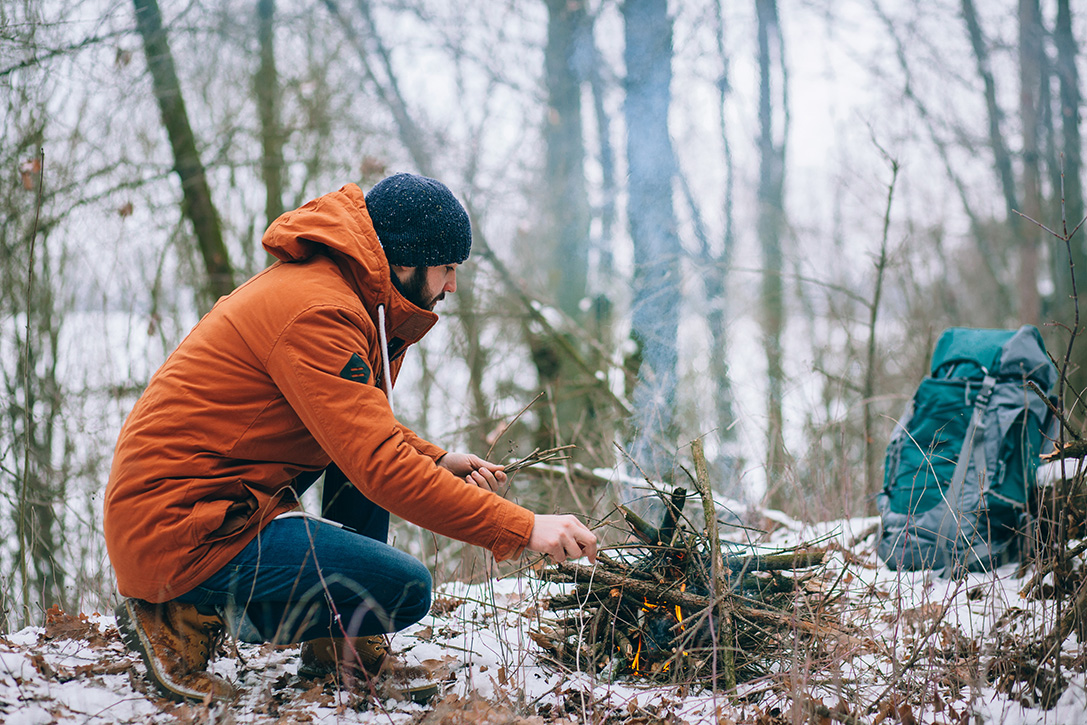
Camping without proper thermal gear in extreme cold environments poses significant risks to safety. Preparedness in recognizing danger signals, employing effective body heat generation methods, and understanding emergency protocols can be lifesaving. It is crucial to balance proactive heat retention strategies with vigilant monitoring of physical well-being to ensure survival until rescue or proper shelter can be obtained.In such challenging situations, understanding the signs of hypothermia and frostbite is vital for prompt intervention.
These conditions can deteriorate rapidly, leading to severe health consequences or even fatality if not addressed immediately. Being equipped with knowledge about emergency signals, safe zones, and priorities can make the difference between survival and tragedy when traditional gear is unavailable.
Generating Body Heat and Heat-Retention Strategies in Cold Environments
Maintaining core body temperature is paramount when camping without adequate insulation. Movement can help generate heat; however, it must be balanced to prevent excessive heat loss through sweating. Light, continuous activity such as brisk walking, jumping jacks, or climbing over rocks can stimulate blood flow and produce warmth. Additionally, conserving body heat involves strategic heat-retention techniques. Wrapping arms and legs with available clothing, using natural insulation like leaves, pine needles, or moss, and creating a layered clothing system help reduce heat loss.
Huddling with others in a tight group minimizes exposed surface area, effectively conserving heat through shared body warmth. Covering the head, neck, and extremities with makeshift coverings or natural materials significantly reduces heat loss, given that these areas are highly susceptible to cold. Placing hot stones, if available, within clothing layers can provide localized warmth, but caution must be exercised to avoid burns or moisture transfer, which can worsen cold injuries.
Recognizing Signs of Hypothermia and Frostbite
Understanding the early symptoms of cold-related injuries facilitates immediate action, potentially preventing irreversible damage or death. Hypothermia occurs when the body’s core temperature drops below 95°F (35°C), characterized by shivering, confusion, slurred speech, and exhaustion. As it advances, victims may exhibit loss of coordination, slowed respiration, and unconsciousness.Frostbite involves the freezing of skin and underlying tissues, often affecting fingers, toes, nose, and ears.
Signs include pale or waxy skin, numbness, tingling, and a hardened or blistered appearance of affected areas. Rapid identification is essential, as tissues damaged by frostbite may require professional medical intervention.When signs are detected, immediate actions include:
- Gradually rewarming affected areas using body heat or warm (not hot) water if available.
- Protecting frostbitten parts from further freezing by covering with dry, sterile materials.
- Maintaining overall warmth by sharing body heat with others, avoiding rapid rewarming methods that could cause tissue damage.
- Monitoring mental status and vital signs closely, and preparing for evacuation if symptoms worsen.
Prompt response can reduce tissue damage and improve chances of recovery in severe cold conditions.
Emergency Signals, Safe Zones, and Survival Priorities
Establishing clear emergency communication methods and understanding survival priorities are essential in extreme environments, especially when lacking traditional gear. Recognizing visual or auditory signals and knowing where to seek safety can expedite rescue efforts.Emergency signals include:
- Using mirrors or reflective surfaces to create flashes that attract attention.
- Creating ground signals, such as large symbols or SOS arrangements in snow or dirt, visible from the air or distant observers.
- Shouting or using noise-makers at regular intervals to alert nearby campers or search parties.
- Employing personal devices like whistles or portable alarms if available, which can be heard over long distances.
Safe zones are designated areas that offer natural shelter or are easily accessible for rescue. These include dense thickets providing windbreaks, natural caves, or terrain features that block prevailing winds. Avoid low-lying areas prone to cold air pooling or flood risks.Survival priorities focus on maintaining core body temperature and signaling for rescue. Key actions include:
- Protecting against further heat loss with shelter-building and insulation techniques.
- Generating and conserving body heat through movement and huddling.
- Establishing visible emergency signals for rescuers.
- Ensuring hydration and energy intake to sustain physical strength for ongoing survival efforts.
In extreme cold, remaining calm and methodical enhances the chances of survival. Prioritizing immediate heat retention, injury recognition, and effective communication can significantly mitigate risks associated with camping without proper thermal gear.
Practical Recipes and Methods for Producing Additional Heat
Surviving in outdoor conditions without a sleeping bag often demands resourcefulness in creating additional warmth. This section provides effective recipes for hot drinks and nutrient-rich broths that help maintain core temperature, along with practical methods for producing heat using natural resources or minimal tools. Implementing these techniques can significantly improve comfort and safety during cold-weather camping or emergency situations.In cold environments, managing body heat is essential to prevent hypothermia and ensure survival.
Consuming warm, calorie-dense beverages not only elevates core temperature but also offers hydration and energy. Additionally, creating simple, controlled heat sources using natural elements can provide immediate warmth in critical moments. Understanding safe procedures for generating and managing heat sources can be life-saving during outdoor emergencies.
Nutritious and Warm Beverage Recipes
A vital aspect of maintaining body warmth in outdoor settings involves consuming hot drinks that are easy to prepare with limited resources. These recipes focus on hydration, nutrition, and warmth, utilizing ingredients that are either accessible or storable in outdoor gear.
- Herbal Hot Tea: Steep dried herbs such as chamomile, mint, or rosemary in boiling water over a campfire or portable stove. Add a touch of honey or sugar for added calories and flavor. This soothing beverage aids digestion and provides a gentle warming effect.
- Bone Broth or Nutrient Broth: If available, simmer bones or vegetable scraps in a pot with water over a fire. Strain and drink warm to replenish electrolytes, provide protein, and boost core temperature. Bone broth is especially effective due to its high mineral content and caloric density.
- Spiced Milk: Warm milk or plant-based alternative, adding cinnamon, ginger, or nutmeg. These spices enhance circulation and induce warmth, and the beverage supplies calories and hydration.
- Warm Fruit Drink: Crush dried fruits like apricots or raisins into hot water, creating a sweet, nutrient-rich infusion. It supplies quick energy and hydration during cold exposure.
These beverages can be prepared with minimal equipment, such as a metal container or a simple pot, and are effective in elevating core temperature and providing comfort in outdoor survival situations.
Creating Simple Heat Sources with Natural Resources and Minimal Tools
In scenarios where traditional heating devices are unavailable, utilizing natural resources and improvised tools can generate essential warmth. These methods rely on basic principles of combustion, insulation, and chemical reactions to produce heat safely.
Effective heat production involves managing combustion with materials found in the environment, such as wood, bark, or natural oils. Combining these with natural insulators like moss, leaves, or dirt can create controlled, sustainable heat sources. It is crucial to prioritize safety, ensuring proper ventilation and avoiding the buildup of harmful fumes or fire hazards.
- Fire-Building Techniques: Gather dry wood, twigs, and leaves. Use a fire starter such as dry bark or natural tinder like fatwood or resin-rich pine. Construct a teepee or log cabin structure to maximize airflow. Maintain a small, controlled fire to produce steady warmth without excessive fuel consumption.
- Using Natural Insulating Materials: Surround your fire or heat source with insulating materials such as moss, leaves, or snow to retain heat and protect against wind chill. Creating a windbreak with rocks or logs enhances efficiency.
- Chemical Reactions for Heat: If available, use natural substances like potassium permanganate combined with glycerol to generate heat. This process should be employed with caution and only if the user is familiar with chemical safety protocols.
- Solar Heating: In daytime, position reflective surfaces like aluminum foil or smooth rocks to concentrate sunlight onto a small area or container. This passive method can raise temperatures significantly over hours.
Step-by-Step Guide to Safe Warmth Generation in Outdoor Settings
To ensure safety and effectiveness, following a structured approach when creating heat sources outdoors is essential. The table below organizes key steps for generating warmth using natural resources and minimal tools.
| Step | Action | Description |
|---|---|---|
| 1 | Assess Environment and Resources | Identify available natural materials such as wood, dry leaves, rocks, and water sources. Determine the safest location for building a fire, away from overhanging branches and flammable debris. |
| 2 | Prepare Fire Material | Gather tinder, kindling, and larger fuel logs. Use natural tinder like dry bark or resinous wood for easy ignition. |
| 3 | Create Fire Structure | Construct a safe and efficient fire base, such as a teepee or log cabin arrangement, ensuring proper airflow. Clear the area of excess leaves or debris to prevent unintended spread. |
| 4 | Ignite and Manage Fire | Use a fire starter or friction method to ignite tinder. Maintain a small, controlled flame, adding larger fuel gradually to sustain warmth without risking an out-of-control fire. |
| 5 | Insulate and Protect | Surround or elevate the fire with insulating materials like rocks or snow to enhance heat retention. Use windbreaks if necessary. |
| 6 | Monitor and Extinguish | Regularly check the fire’s condition, ensuring it remains controlled. Extinguish completely with water or dirt before leaving to prevent wildfires. |
Implementing these steps with caution and awareness maximizes safety and warmth production, critical for survival in outdoor environments without access to conventional heating tools.
Final Wrap-Up
In conclusion, surviving camping without a sleeping bag requires resourcefulness, preparation, and a keen understanding of insulation and shelter techniques. Mastering these methods can enhance your outdoor survival skills, allowing you to face unexpected situations with confidence. Remember, safety and warmth are paramount, and with the right knowledge, you can turn a challenging night into a manageable experience.