Preparing for a camping trip with children can be both exciting and challenging, requiring thoughtful planning to ensure a smooth and enjoyable experience for the whole family. Proper packing is the key to minimizing stress and maximizing fun, helping you stay organized and prepared for any situation that may arise during your outdoor adventure.
This guide offers comprehensive strategies for packing efficiently, including creating essential checklists, organizing entertainment and safety gear, selecting appropriate clothing, managing food supplies, and minimizing bulk. With these tips, families can confidently embark on their camping journey, knowing they are fully equipped for a memorable and safe outdoor experience.
Essential Packing Checklist for Camping with Kids
Embarking on a camping adventure with children requires careful preparation to ensure safety, comfort, and enjoyment. An organized packing checklist is vital for covering all essentials, from clothing and gear to safety supplies, tailored to the specific needs of your family and the conditions of your trip.
By systematically preparing and organizing your packing list, you can avoid forgotten items, adapt to weather changes, and accommodate different age groups or special needs, making your outdoor experience smoother and more enjoyable for everyone involved.
Comprehensive Items Needed for a Camping Trip with Children
When packing for a family camping trip, it is crucial to categorize items for clarity and completeness. Below is an organized table listing essential items, their typical quantities, and their primary purposes to guide your packing process effectively.
| Item | Quantity | Purpose |
|---|---|---|
| Clothing | Varies based on trip duration and weather | Protection against weather, comfort, and safety; includes waterproof jackets, warm layers, and hats |
| Sleep gear | One sleeping bag per person, one sleeping pad or mat per sleeping area | Comfortable rest and insulation from the ground |
| Cooking Supplies | Stove, fuel, pots, utensils, reusable plates, cups, and napkins | Food preparation and eating in the outdoors |
| Food and Snacks | Enough for the duration, plus extra for emergencies | Nutrition and energy for active days |
| Safety Supplies | First-aid kit, insect repellent, sunscreen, emergency whistle, flashlight or headlamp | Health, safety, and emergency communication |
| Personal Items | Toiletries, medications, wipes, and hand sanitizer | Hygiene and comfort |
| Entertainment | Books, games, nature exploration tools | Keeping children engaged and entertained |
| Additional Gear | Backpacks, camping chairs, tent, tarps, and repair kits | Convenience, shelter, and gear maintenance |
Prioritizing packing items depends on the trip duration and weather conditions. For example, a weekend trip in summer requires fewer warm clothing items but more sun protection, whereas a week-long winter camping trip demands comprehensive cold-weather gear. Always pack extra clothing and safety supplies for unexpected situations.
Customizing your checklist for different age groups involves considering their specific needs. Infants may require diapers, bottles, and special clothing, while older children might need age-appropriate entertainment and safety gear such as wearable ID tags. For children with special needs, include necessary medications, specialized equipment, and tailored comfort items to ensure their well-being throughout the adventure.
Packing Strategies for Keeping Kids Engaged and Safe

Organizing a camping trip with children requires thoughtful packing strategies that prioritize both entertainment and safety. Well-planned packing ensures that kids remain engaged with suitable activities and are protected from potential hazards throughout the trip. Efficient organization not only makes access easier but also enhances the overall camping experience, allowing parents to focus more on enjoying nature and less on constant searching for supplies.Effective packing involves compartmentalizing entertainment options like books, toys, and games into dedicated sections of your luggage or storage containers.
This organization makes it simple for children to select activities, reducing boredom and encouraging independent play. Simultaneously, safety gear such as first aid kits, insect repellent, and sun protection should be stored in clearly labeled containers, ensuring quick access in case of emergencies or routine needs. Proper packing techniques for fragile items, including wrapping fragile objects with soft clothing or bubble wrap and placing them in sturdy, padded containers, help prevent damage during transit.
Lastly, designing a packing layout that maximizes available space while maintaining easy accessibility to essential items fosters a smooth and efficient camping setup, allowing families to focus on enjoying their outdoor adventure safely and with minimal hassle.
Organizing Entertainment Options for Engagement
Packing entertainment options strategically can significantly enhance children’s camping experience. Choosing compact, lightweight books, small toys, and portable games ensures that children have a variety of activities to choose from when they need a break from outdoor exploration.
- Designate a specific compartment or container for entertainment items to keep them organized and easily accessible, such as a dedicated tote or a zippered pouch within your main luggage.
- Use lightweight, durable containers to prevent the items from shifting or getting damaged during transport.
- Incorporate a mix of quiet activities like coloring books or puzzles and more active games, such as frisbees or small ball sets, to cater to different energy levels and situations.
- Consider including electronic devices with pre-downloaded educational or entertaining content, ensuring they are stored securely and protected from environmental elements.
Storing Safety Gear for Quick Access
Safety gear is crucial for a secure camping experience and must be readily accessible at all times. Proper organization involves using clearly labeled containers or pouches for each safety item, which allows quick retrieval when needed.
First aid kits should be stored in a designated, easily reachable location, preferably in a waterproof container to protect supplies from moisture.
Insect repellent, sunblock, and protective clothing should be stored in labeled, resealable bags or containers, ideally in an outdoor-ready compartment that prevents accidental spillage or contamination. It’s also wise to include a checklist of safety essentials within this storage to verify that everything is packed and intact before departure.
- Use smaller containers to divide different safety items, such as bandages, antiseptic wipes, and allergy medications, for quick access and organization.
- Place insect repellent and sun protection in an easy-to-reach spot, such as a side pocket or external pouch on your backpack or camping bag, to facilitate frequent application.
Techniques for Packing Fragile Items
Transporting fragile items safely requires careful packing techniques that provide cushioning and secure placement to prevent breakage. Such items may include delicate toys, glass containers, or electronic devices.
- Wrap fragile objects individually with soft materials like clothing, towels, or bubble wrap to absorb shocks and prevent movement within the container.
- Place wrapped items in sturdy, padded containers or boxes, filling empty spaces with soft packing materials to minimize shifting during transit.
- Label containers with “Fragile” stickers to alert handling personnel and ensure careful handling during loading and unloading.
- Position fragile items at the top of packed bags or boxes, away from heavier or bulkier items that could cause damage through pressure or impact.
Designing an Efficient Packing Layout
An organized packing layout maximizes space utilization while ensuring that essential items are easily accessible when needed. Start by categorizing items into zones: entertainment, safety gear, clothing, cooking supplies, and fragile items.
- Place frequently used items, such as snacks, first aid supplies, and children’s favorite toys, in top or external compartments for quick access.
- Utilize packing cubes or small containers to compartmentalize different categories, enhancing organization and simplifying unpacking at the campsite.
- Assign specific areas within your luggage or storage bins for each category to prevent clutter and facilitate efficient packing and unpacking.
- Arrange items in a way that optimizes space, such as rolling clothing to save room and prevent wrinkles, and stacking heavier items at the bottom for stability.
- Ensure that safety gear and fragile items are stored in protected, easy-to-reach locations, reducing the need to unpack multiple layers during emergencies or routine needs.
Clothing and Personal Items Packing Tips for Kids

Packing for children on a camping trip requires careful consideration of clothing and personal items to ensure their comfort, safety, and hygiene throughout the adventure. Proper planning helps prevent overpacking while ensuring all essential items are available, regardless of weather changes or unexpected situations. Organizing these items efficiently contributes significantly to a smooth and enjoyable outdoor experience for the entire family.When selecting clothing and personal items for kids, it is crucial to consider the weather forecast, the specific activities planned, and the durability of the items.
Lightweight, moisture-wicking fabrics are ideal for active days, while warmer layers are necessary for chilly evenings or mornings. Additionally, including versatile pieces that can be layered provides flexibility for varying temperatures. Personal hygiene items should be compactly packed in leak-proof containers to prevent spills and save space, ensuring children can maintain cleanliness without added bulk.
Selecting Appropriate Clothing Based on Weather and Activities
Proper clothing selection begins with analyzing the weather forecast for the camping dates. For warm weather, pack breathable T-shirts, shorts, sun hats, and sunglasses to protect against sun exposure. For cooler conditions, include thermal layers, fleece jackets, and waterproof outer shells. If rain is expected, waterproof pants and jackets are essential to keep children dry and comfortable. For active outdoor pursuits like hiking or exploring, durable footwear such as hiking boots or sturdy sneakers are recommended, along with hats and sunglasses for sun protection.
Nighttime or cooler mornings necessitate warm sleepwear and layering options to ensure comfort during sleep.
- Pack clothing that can be easily layered to adapt to changing temperatures.
- Include moisture-wicking fabrics for daytime activities to keep children dry.
- Select quick-drying and lightweight materials for convenience.
- Bring waterproof and windproof outerwear for unpredictable weather.
- Consider the durability of clothing to withstand outdoor wear and tear.
Sample Packing Table for Daily Clothing Needs and Extras
Organizing clothing in a structured manner helps ensure all needs are met and that packing remains efficient. The table below provides an example of a daily clothing plan, including extras for unexpected weather changes, to streamline packing and dressing routines.
| Day | Underwear | Top | Bottom | Sleepwear | Extra Layers | Footwear |
|---|---|---|---|---|---|---|
| Day 1 | 2 sets | T-shirt | Shorts | Pajamas | Light jacket | Sneakers |
| Day 2 | 2 sets | Long-sleeve shirt | Pants | Pajamas | Raincoat | Hiking boots |
| Day 3 | 2 sets | Tank top | Shorts | Pajamas | Fleece layer | Sneakers |
In this example, packing an extra set of underwear, an additional top or bottom, and an extra layer per day ensures readiness for weather shifts or spills. Including lightweight rain gear or an emergency sweater/hat can further enhance preparedness.
Packing Personal Hygiene Items in Compact, Leak-proof Containers
Maintaining personal hygiene during camping is vital for comfort and health. To optimize space and prevent messes, hygiene items should be stored in small, leak-proof containers. Travel-sized bottles or squeeze tubes for shampoo, conditioner, and body wash are convenient and reduce bulk. Compact toothbrush holders, small jars for moisturizer or sunscreen, and travel-sized packs of tissues or wipes help keep personal care organized and accessible.When packing toiletries:
- Use clear, sealable plastic bags or specialized toiletry kits to prevent leaks and facilitate quick inspection.
- Prioritize multi-use items such as a combined shampoo and body wash to minimize the number of containers.
- Include a small comb or brush, child-safe insect repellent, and lip balm.
- For hygiene routines, pack biodegradable wipes or washcloths to simplify bathing and cleaning needs.
Organizing Sleepwear, Footwear, and Outdoor Gear for Children
A well-organized kit containing sleepwear, footwear, and outdoor gear ensures children are comfortable and safe during the trip. Sleepwear should be soft, breathable, and suitable for the expected night temperatures. Footwear must include well-fitting, closed-toe shoes for outdoor activities, along with slippers or sandals for indoor or campsite use. Outdoor gear such as hats, sunglasses, and insect repellent should be kept easily accessible to encourage their use.
- Use labeled compartments or packing cubes to separate sleepwear from daytime clothing.
- Pack extra socks and comfortable slippers for indoor comfort.
- Include a hat and sunglasses to protect against sun exposure during outdoor activities.
- Ensure outdoor gear such as insect-repellent sprays, sunscreen, and protective clothing are packed in an accessible location to facilitate frequent use.
By paying attention to these clothing and personal items packing tips, families can enjoy a more comfortable, safe, and enjoyable camping experience with kids, prepared for the unpredictability of outdoor adventures.
Food and Cooking Supplies Packing for Family Camping
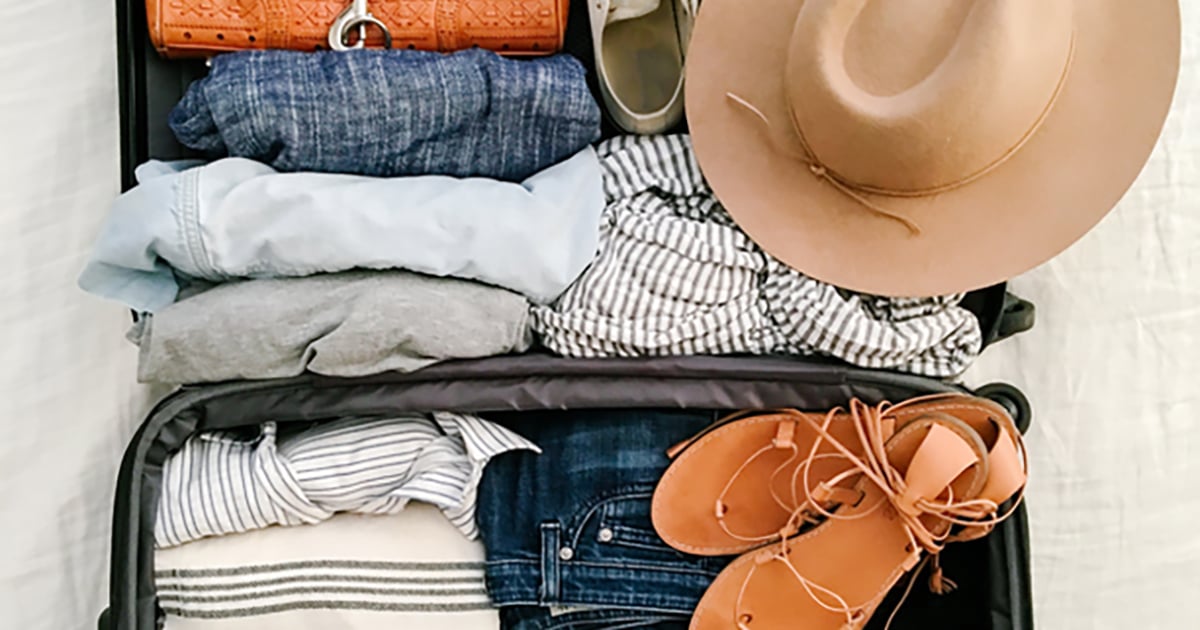
Properly organizing food and cooking supplies is essential for a successful camping trip with children. Efficient packing ensures freshness, minimizes waste, and makes meal preparation straightforward amidst outdoor adventures. With careful planning, families can enjoy nutritious meals and snacks without the hassle or excess clutter, creating more quality time for fun and bonding.When packing food and cooking supplies, focus on arranging non-perishable items in durable storage containers or resealable bags.
This approach not only keeps food organized and easily accessible but also prevents spills and contamination. Prioritize lightweight, space-saving containers that are reusable and easy to clean. Labeling each container with its contents simplifies meal prep and inventory management, especially when multiple family members are involved in cooking.
Meal Planning and Food Storage
Meal planning involves selecting recipes that are simple, nutritious, and adaptable to outdoor cooking setups. Prepare a detailed menu covering breakfast, lunch, dinner, and snacks, considering the preferences and dietary restrictions of children. Focusing on versatile ingredients like canned beans, rice, pasta, and dried fruits allows for quick, satisfying meals with minimal fuss.Use stackable, airtight storage containers or resealable plastic bags to pack non-perishable food items efficiently.
For example, dry pasta and rice can be stored in clear, labeled containers, making it easy to see contents at a glance. Divide snack portions into small, portable bags for quick access during outdoor activities. Employ a designated food bin or box to keep all non-perishable items together, simplifying setup and cleanup.
Organizing Cooking Utensils, Pots, and Portable Appliances
Effective organization of cooking tools and appliances is vital for smooth meal preparation. Consider using a compact utensil kit comprising spatulas, tongs, knives, and serving spoons. Collapsible or nesting pots and pans save space and facilitate easy packing. Portable appliances such as small stoves, portable grills, and mini coffee makers should be stored in their designated containers or bags, ideally with protective padding to prevent damage.Below is a sample HTML table layout for organizing cooking supplies:
| Category | Items | Notes |
|---|---|---|
| Cooking Utensils | Spatula, Tongs, Knife, Stirring Spoon | Pack in a compact utensil kit or pouch |
| Pots and Pans | Small saucepan, Frying pan, Pot lids | Stack and nest for space efficiency |
| Portable Appliances | Camping stove, Mini grill, Coffee maker | Stored in protective cases or bags |
Cooling and Perishable Items Management
Maintaining the freshness of perishable items during outdoor trips requires strategic packing of coolers and ice packs. Select a high-quality, insulated cooler appropriate for the length of the trip, with adequate space for storing perishable foods like dairy, meats, and fresh produce. Pre-chill the cooler using ice packs or ice blocks before loading it with perishable items to ensure optimal temperature retention.To maximize freshness, pack the most perishable items at the bottom and surround them with ice packs.
Use sealed, leak-proof containers to prevent cross-contamination and spills. Consider packing individual portions to avoid repeatedly opening the cooler, which causes temperature fluctuations. Keep the cooler in a shaded area and limit its access to minimize temperature rise and maintain the cold chain throughout the trip.
Snacks and Hydration Supplies for Outdoor Activities
Accessible snack and hydration supplies are crucial during hikes and outdoor play, helping sustain energy and hydration levels for children. Use specialized, lightweight backpacks or waist packs with multiple compartments to organize snacks and water bottles for each child. Reusable water bottles with secure caps are preferred, as they are environmentally friendly and reduce waste.Prepare snacks such as trail mix, granola bars, dried fruit, or fruit snacks in resealable bags, making them easy to grab on the go.
For hydration, pack sufficient water bottles and consider including electrolyte drinks if engaging in strenuous activities. Place these supplies in easily reachable compartments of backpacks or in external mesh pockets, ensuring children can hydrate regularly without interrupting their outdoor fun.
Tips for Packing Light and Efficiently for Kids
Preparing for a camping trip with children requires thoughtful packing to balance preparedness with mobility. Efficient packing not only reduces the overall bulk but also enhances comfort and convenience during the adventure. Employing strategic methods helps in managing space effectively while ensuring that essential items are readily accessible.
Final Packing Checklist and Pre-Trip Review
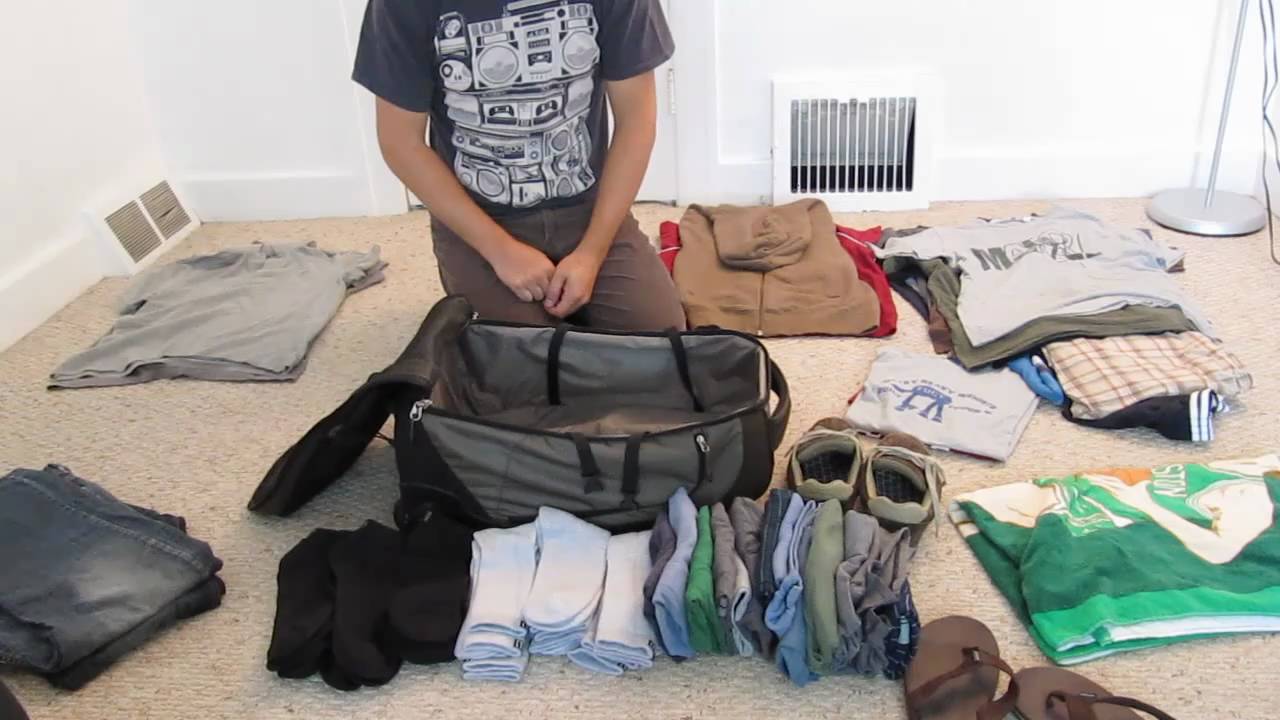
Ensuring all necessary items are packed and accounted for before departure is a vital step in preparing for a successful family camping adventure. A thorough review process helps prevent forgetfulness, reduces last-minute stress, and guarantees that both children and adults have everything needed for a comfortable and safe trip. Incorporating a systematic approach to packing and involving children in this stage fosters responsibility, enhances their understanding of the trip, and makes the process more engaging for the entire family.A comprehensive pre-trip review involves methodically cross-checking each category of gear and supplies, verifying that items are in good condition, and organizing everything for quick access.
This process ensures nothing important is overlooked, minimizes the risk of packing unnecessary items, and streamlines the loading process. Additionally, establishing an accessible packing plan allows for efficient loading and unloading at the campsite, saving valuable time and reducing frustration upon arrival or departure.
Step-by-Step Guide for Reviewing Packed Items
Adopt a detailed approach to verify all items have been included, correctly packed, and are ready for transport. Follow these steps to facilitate a thorough review:
- Prepare a master packing list: Use the finalized checklist that covers all categories—clothing, gear, food, personal items, and safety equipment. Ensure each item is marked as packed.
- Organize packing zones: Arrange packed items in dedicated areas or containers based on their categories. Label these zones clearly to streamline the review process.
- Systematically verify each category: Start with one category at a time, such as clothing, then move to gear, food, and personal items. Confirm every item is present, undamaged, and correctly stored.
- Check essentials and backups: Ensure critical items like first aid kits, medications, and important documents are packed and accessible. Include backups for essential gear, such as extra batteries or rain ponchos.
- Involve children in the review: Encourage kids to help verify their personal items and gear. This educational engagement promotes responsibility and helps teach organizational skills.
- Perform a cargo space inspection: Confirm that all items fit securely in the vehicle or designated transport area, leaving room for any last-minute additions or adjustments.
- Final walk-around: Conduct a quick walk-around to ensure nothing has been left behind, and all items are stored safely and properly.
Organized Cross-Checking Table for Gear and Supplies
Creating a structured table simplifies the review process by providing a clear overview of what has been packed in each category. This approach minimizes omissions and provides a quick reference to ensure completeness.
| Category | Items | Status | Notes |
|---|---|---|---|
| Clothing |
|
||
| Camping Gear |
|
||
| Food & Cooking Supplies |
|
||
| Personal Items |
|
||
| Safety Equipment |
|
Involving Children in the Packing and Review Process
Engaging children in the packing and pre-trip review enhances their sense of responsibility and fosters learning. Assign age-appropriate tasks such as packing their personal belongings, helping check off items from the list, or organizing their gear. This participation not only makes the process more enjoyable but also teaches important skills like organization, prioritization, and accountability.
To maximize educational value, turn the review into a game or challenge. For example, ask children to find and verify specific items, or create a scavenger hunt from the checklist. Explain the purpose of each category and item, fostering understanding of safety, hygiene, and preparedness. Encourage kids to ask questions and share their ideas for improving packing efficiency or safety measures.
Involving children in packing cultivates independence, responsibility, and a deeper appreciation for the trip experience, making the adventure both educational and memorable.
Creating an Easily Accessible Packing Plan
An organized packing plan streamlines the loading and unloading process, saving time and reducing stress. Use clearly labeled containers, backpacks, or gear bags for different categories, ensuring everything has a designated place. Prioritize packing items that will be needed first upon arrival at the campsite at the front of the pile or in easily accessible compartments.
For example, keep essential items such as first aid kits, rain gear, and children’s favorite toys or comfort items near the top or in separate, labeled bags for quick access. Consider creating a visual packing plan or map that indicates where each category is stored within the vehicle or storage area. This visual aid helps family members quickly locate and retrieve items, especially during setup or packing up at the end of the trip.
Implementing a system of color-coding or standardized packing containers ensures consistency and efficiency, especially for multi-day trips or families with multiple members.
Final Review
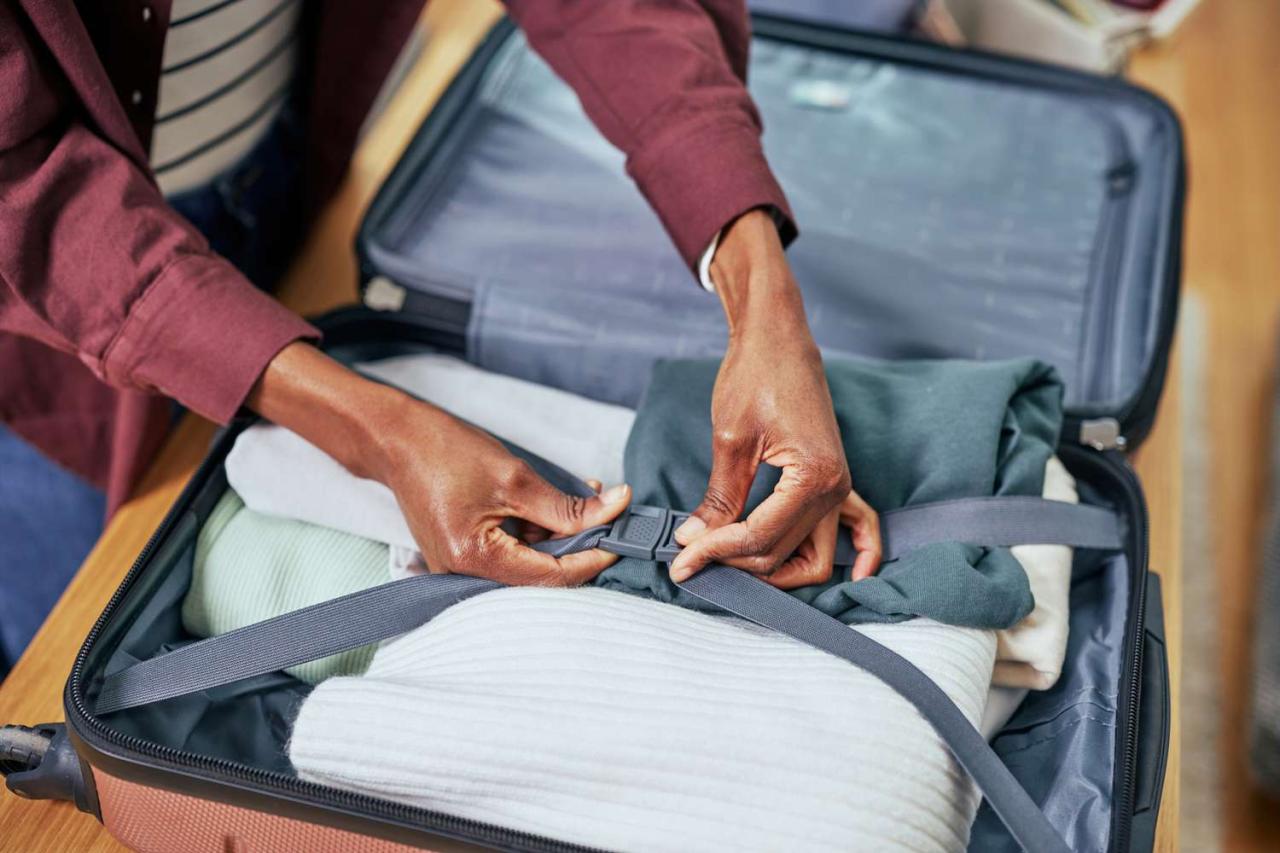
In conclusion, effective packing is fundamental to a successful camping trip with kids. By following organized strategies and paying attention to details, families can ensure a safe, enjoyable, and stress-free outdoor adventure. Remember, thorough preparation transforms camping from a potential challenge into a wonderful opportunity for bonding and discovery.