Learning how to set up a tent step by step is essential for ensuring safety, comfort, and efficiency during outdoor adventures. Proper setup not only enhances your camping experience but also extends the lifespan of your tent by preventing damage. Whether you are a seasoned camper or new to outdoor activities, understanding the correct procedures can make the process straightforward and enjoyable.
This comprehensive guide covers everything from selecting the ideal location and preparing the site to assembling the tent framework, securing it firmly, and making final adjustments. With clear instructions and helpful tips, you’ll be equipped to set up your tent confidently in any environment.
Introduction to Tent Setup
Setting up a tent correctly is essential for ensuring both safety and comfort during outdoor adventures. Proper installation not only protects against weather elements such as wind and rain but also provides a stable and secure shelter for rest and relaxation. An efficient setup process can significantly enhance your overall camping experience by saving time and minimizing frustration.
The process of pitching a tent involves several key steps, including selecting an appropriate location, preparing the ground, assembling the tent components, and securing everything properly. Understanding each phase of the setup guarantees a sturdy and weather-resistant shelter, especially in varying terrains and environmental conditions.
Different Types of Tents and Their Setup Requirements
Various tents are designed to cater to different camping needs, each with distinct setup procedures and requirements. Recognizing the differences among tent types ensures an optimal setup tailored to your specific camping scenario.
- Mountaineering Tents: These are lightweight, compact, and built for high-altitude or extreme weather conditions. They often feature strong pole systems and reinforced materials to withstand harsh winds and snow. Setting up a mountaineering tent involves additional steps such as anchoring with snow stakes or using specialized guy lines.
- Family or Dome Tents: Known for spacious interiors, these tents typically have a hub-and-pole structure that allows quick assembly. Their setup emphasizes maximizing interior space while maintaining stability, often requiring multiple poles and secure anchoring to prevent collapse in windy conditions.
- Backpacking Tents: Compact and lightweight, these tents are designed for easy transport and quick setup. They usually employ simple pole systems and minimal stakes, making the setup process straightforward but requiring careful attention to ensure stability, especially in uneven terrains.
- Car Camping Tents: Generally larger and designed for convenience, these tents often feature room dividers and multiple entry points. Their setup may involve more components and stakes but benefits from pre-attached poles and straightforward instructions for quick assembly.
Understanding the specific setup requirements for each tent type helps campers prepare adequately, select suitable locations, and execute a safe and efficient pitch. Properly choosing and setting up the right tent enhances safety, ensures weather resistance, and maximizes comfort during outdoor stays.
Selecting the Ideal Tent Location
Choosing the appropriate site for setting up a tent is crucial for ensuring safety, comfort, and a pleasant outdoor experience. An optimal location not only enhances your shelter’s stability but also contributes significantly to your overall enjoyment during camping or outdoor activities. Proper site selection involves assessing terrain features, natural surroundings, and environmental factors to identify the most suitable spot for pitching your tent.A well-chosen location minimizes risks such as flooding, exposure to harsh weather, and discomfort caused by uneven ground.
It also ensures quick access to resources like water sources and provides a safe distance from potential hazards such as falling branches or wildlife activity. In the following sections, detailed criteria and options for selecting the best tent site are discussed to help you make informed decisions in the outdoors.
Criteria for Choosing a Flat, Level Area Free of Debris
One of the fundamental aspects of selecting a campsite is finding a flat, level terrain. Softer, even ground ensures stability and comfort when sleeping and prevents the tent from tilting or collapsing, which can happen on uneven surfaces. Flatness also simplifies the tent setup process, reducing the need for extensive adjustments or additional ground padding.The area should be clear of natural debris such as rocks, sticks, or roots that could damage the tent fabric, cause discomfort while sleeping, or pose tripping hazards.
Before pitching your tent, thoroughly inspect the ground, removing any sharp or protruding objects and smoothing out rough patches. This not only prolongs the lifespan of your gear but also enhances safety and sleep quality.
“Choosing a flat, debris-free site is vital for a secure and comfortable camping experience.”
Careful site inspection and preparation are essential steps in ensuring your tent remains stable and free of potential damage, thereby contributing to a safer and more enjoyable outdoor stay.
Importance of Avoiding Water Drainage Paths and Wind-Exposed Spots
Environmental considerations play a pivotal role in site selection. It is important to identify and avoid areas prone to water accumulation or drainage during rainstorms. Low-lying spots or slopes that direct water runoff towards your tent can quickly turn your shelter into a soggy, uncomfortable environment, increasing the risk of flooding and dampness.Equally important is selecting a location that offers protection from wind exposure.
Erecting your tent in a spot directly exposed to strong winds not only makes the experience unpleasant but can also compromise the tent’s stability. Wind-exposed areas tend to cause increased wear on the fabric and can lead to tents being blown over or damaged.To mitigate these risks:
- Choose higher ground with natural drainage away from water flow.
- Seek sites sheltered by natural barriers such as trees, shrubs, or terrain features.
- Avoid setting up under isolated or dead trees that might pose falling hazard in wind or storm conditions.
- Use topographical features to your advantage by positioning the tent on the leeward side to minimize wind impact.
Location Options Organized in an HTML Table
Understanding various site options along with their benefits and drawbacks assists in making strategic choices for your camping spot.
| Location Option | Pros | Cons |
|---|---|---|
| Flat, Elevated Ground |
|
|
| Sheltered Area Under Trees |
|
|
| Slope or Hillside |
|
|
| Open Field |
|
|
Preparing the Tent Site

Properly preparing the tent site is a crucial step in ensuring a comfortable and secure camping experience. It helps in safeguarding the tent from ground moisture, sharp objects, and uneven terrain, which can compromise stability and comfort. Taking the time to carefully clear and prepare the area results in a more enjoyable outdoor adventure with fewer issues related to ground conditions.
This phase involves clearing the site of potential hazards, setting up protective ground layers, and organizing the tools necessary for effective site preparation. These steps contribute significantly to prolonging the lifespan of your tent and enhancing overall safety during your stay.
Clearing the Ground of Rocks and Sticks
To create a safe and level space for your tent, it is essential to remove rocks, sticks, and other debris that could puncture the tent floor or cause discomfort. Begin by walking around the designated area and visually inspecting the ground for protruding objects. Use your hands or tools to lift and remove larger stones and sticks. Pay special attention to the corners and edges where sharp objects tend to accumulate.
A thorough clearing process not only improves comfort but also prevents potential damage to the tent fabric over time.
Placing a Ground Tarp or Footprint
Adding a ground tarp or footprint provides an extra layer of protection between the tent and the earth. This barrier helps prevent moisture from seeping through the tent floor, especially in damp or dewy conditions, and shields against abrasive objects that might cause tears. To install, unroll the tarp or footprint, ensuring it is slightly smaller than the tent’s footprint to avoid water pooling around the edges.
Lay it flat on the cleared ground, smoothing out wrinkles and folds. Proper placement of this layer enhances the tent’s durability and contributes to a more comfortable sleeping environment.
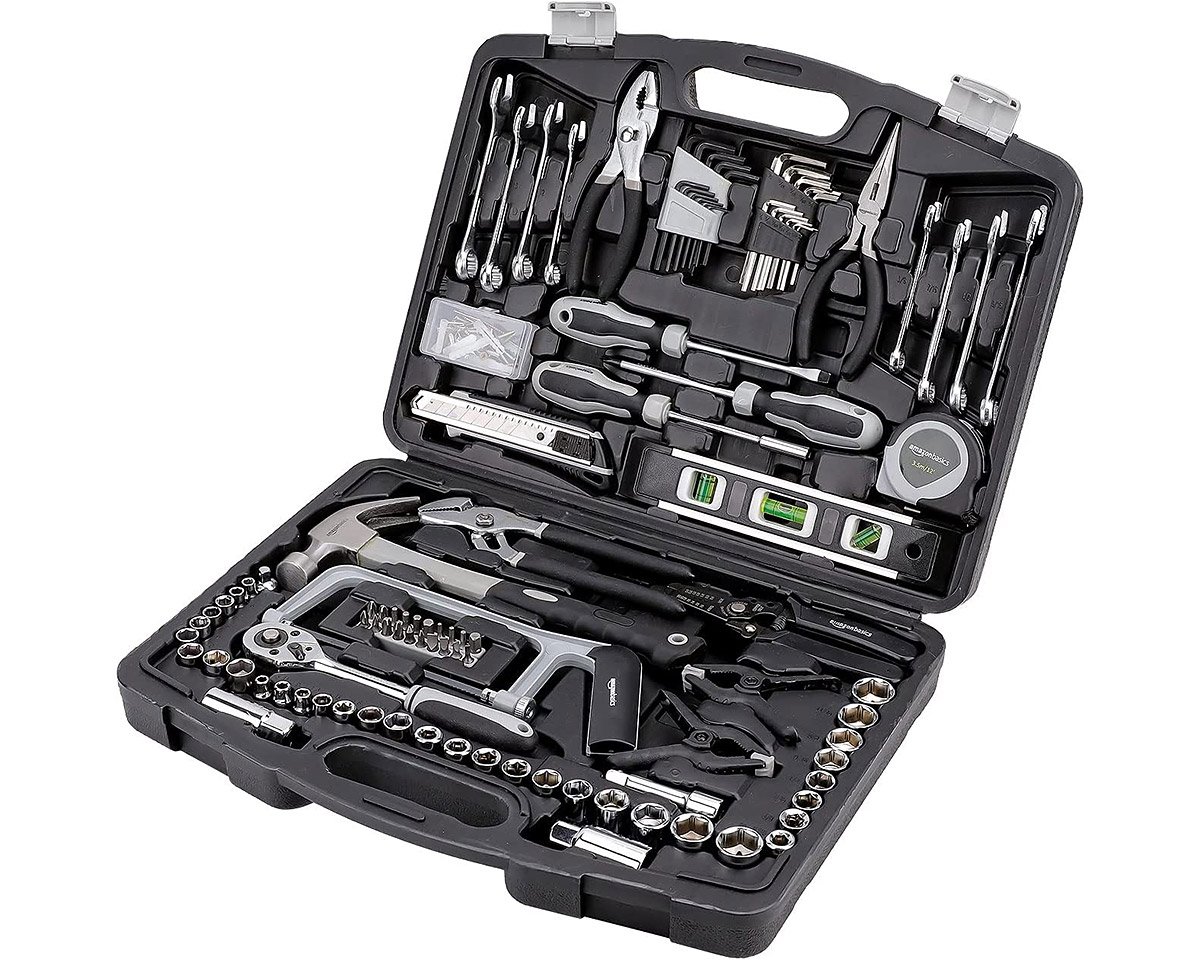
Tools Needed for Site Preparation
Having the right tools on hand makes the process of preparing your tent site more efficient and effective. The following equipment is recommended:
- Gloves: To protect your hands while removing debris and sharp objects.
- Rake or hoe: Useful for gathering sticks, stones, and leaves, especially over larger areas.
- Shovel or spade: For digging out larger rocks or creating a slight depression if needed.
- Ground tarp or footprint: To lay beneath the tent for added protection.
- Measuring tape: Ensures the tarp and tent placement are aligned correctly and appropriately sized.
Unpacking and Inspecting the Tent
Setting up your tent begins with carefully unpacking and thoroughly inspecting all its components. This step ensures that you have everything needed for a successful setup and helps identify any potential issues with the tent parts before installation. Proper handling during unpacking can also prevent damage to delicate fabric and hardware, contributing to the tent’s longevity and your overall camping experience.When you first open the tent package, handle the components with care to avoid tearing fabric or bending poles.
Lay out all parts on a clean, flat surface to facilitate an organized inspection process. Verifying that all parts are present and in good condition minimizes surprises during assembly, saving time and effort.
Unpacking Tent Components
Carefully remove each component from its packaging, paying close attention to delicate parts such as fabric panels and hardware. Avoid pulling or yanking aggressively to prevent tearing or bending. Spread out each item, including tent fabric, poles, stakes, and hardware, so you can systematically check their condition and completeness.
Inspection of Tent Fabric and Components
Thorough inspection of all tent parts is essential to ensure they are free of damage that could compromise performance or safety. Examine the tent fabric, especially seams and corners, for tears, holes, or fraying. Inspect the poles for straightness and check for any cracks or bent sections. Stakes and hardware should be checked for corrosion, rust, or deformities that could affect their use.
Checklist for Tent Components
Use this checklist to verify that all essential parts are present and in good condition before beginning setup:
| Component | Quantity | Condition | Notes |
|---|---|---|---|
| Tent body/fabric panels | As specified in the product | Inspect for tears, holes, or fraying | Lay flat, check seams |
| Poles (aluminum, fiberglass, or other material) | As specified | Check for bends, cracks, or corrosion | Test flexibility gently |
| Stakes or pegs | As specified | Verify integrity and rust-free condition | Ensure pointed ends are intact |
| Tent hardware (clips, buckles, grommets) | All included | Check for damage or missing parts | Test functional parts if possible |
| Rainfly or additional accessories | As specified | Inspect for tears, mold, or damage | Ensure all fasteners are present |
Regular inspection of tent components not only ensures safety and durability but also guarantees a smoother setup process, allowing you to focus on enjoying your outdoor adventure.
Assembling Tent Poles and Frame
Setting up the tent’s framework correctly is essential to ensure stability, durability, and ease of assembly. Properly connecting and extending the poles, along with carefully framing the structure, creates a reliable shelter that withstands environmental conditions. Attention to detail during this phase prevents damage to the poles and fabric, prolonging the lifespan of your tent and making the process smoother.Assembling the tent poles and frame involves meticulous steps to securely connect individual pole sections and extend them to form the support structure.
It requires patience and attention to detail to avoid damaging delicate components. Ensuring that each connection is tight and secure will provide a firm foundation for the rest of the tent setup.
Connecting and Extending Tent Poles
Proper techniques for connecting and extending tent poles are vital to maintaining the integrity of the structure. The most common types of tent poles are made of aluminum or fiberglass, each requiring specific handling methods:
- Align the pole sections carefully, ensuring that the ends fit snugly without forcing them. Most poles feature color-coded or numbered segments to assist in correct assembly.
- Gently slide the sections together, avoiding excessive force that could cause bending or breaking. If resistance is encountered, slightly adjusting the angle or checking for proper alignment helps.
- Use the built-in locking mechanisms or shock cords to secure the sections. Shock cords (elastic cords) inside the pole segments help keep the pieces together during assembly and disassembly.
When extending poles, always do so gradually, avoiding sudden pulls that could stress the material. It is beneficial to assemble the poles on a flat surface to ensure even tension and alignment.
Framing the Tent Structure
Creating a stable frame involves carefully assembling the pole system to form the main support skeleton of the tent. This process typically includes:
- Inserting the assembled poles into designated sleeves, clips, or grommets located on the tent fabric. Ensuring each pole is properly seated prevents misalignment.
- Using a systematic approach by starting with the main support poles (usually the longer ones) and then attaching the shorter ridge or cross poles helps maintain balance.
- Gradually raising the tent frame by gently tensioning the poles into position, making sure the fabric is evenly distributed to prevent tears or uneven stress points.
Additional tips for effective framing include checking for any obstructions or debris inside the pole sleeves and gently adjusting the poles during setup to eliminate slack or uneven tension.
Protecting Poles and Fabric During Assembly
During assembly, safeguarding the tent components is crucial to prolong their usability and appearance. The following practices are recommended:
- Handle poles with care, avoiding sharp or excessive force that could cause bending or cracking, especially with fiberglass options.
- Inspect all components beforehand for any signs of damage, such as cracks or frayed shock cords, and replace damaged parts before proceeding.
- Use gloves if necessary to enhance grip and prevent accidental slips that could scratch or damage the fabric or pole surfaces.
- Be cautious not to drag or slide poles across rough surfaces, which can cause abrasions or scratches, particularly on the exterior fabric or pole coatings.
- During assembly, avoid forcing poles into tight spaces or misaligning them, which could stress the fabric and cause tears or deformation over time.
Employing these careful handling techniques ensures your tent remains in excellent condition, ready to provide reliable shelter during your outdoor adventures.
Erecting the Tent
Once the tent components are unpacked and the frame is assembled, the next crucial step is to raise the tent structure securely and efficiently. Proper erection ensures stability, safety, and ease of use throughout your camping experience. This stage involves raising the tent frame and securing it firmly to withstand various weather conditions, including wind and rain.
Effective erection combines the correct sequence of raising the tent poles with strategic anchoring methods. Using the right techniques ensures that your tent remains stable during your outdoor stay, providing a comfortable shelter. Attention to detail during this process minimizes the risk of damage to the tent and enhances overall safety.
Raising the Tent Frame
Raising the tent frame requires a systematic approach to ensure that all components are correctly aligned and securely positioned. Follow these steps to erect your tent efficiently:
- Position the Tent Frame: Begin by placing the assembled tent poles and frame at the designated spot on your prepared site. Ensure the frame is oriented correctly, with the door opening facing your preferred direction for accessibility and view.
- Lift the Frame: Grasp the frame at multiple points, preferably near the joints or hubs, and lift it vertically. If the tent has multiple sections, raise each section carefully to prevent bending or breaking the poles.
- Secure the Frame in Place: Once the frame is upright, gently adjust the tension to ensure it is centered and stable. Some tents feature flexing hubs that lock into position when fully extended, so confirm these are securely engaged.
- Ensure Proper Alignment: Check that all poles are aligned and the shape of the tent is symmetrical. Minor adjustments at this stage help prevent uneven stress when stakes are applied.
Anchoring and Securing the Tent
Proper anchoring is vital to resist environmental forces such as wind and to maintain the structural integrity of the tent. There are two primary methods for anchoring: using stakes and employing weights. Choosing the appropriate method depends on the terrain, weather conditions, and the tent design.
Stakes are the traditional method, providing a firm hold in most terrains, while weights are suitable for soft ground or when stakes cannot be used, such as on rocky surfaces or indoors.
Methods for Anchoring and Securing the Structure
Implementing effective anchoring techniques ensures your tent remains stable and safe throughout your outdoor activities. Follow these steps for optimal securing:
- Using Stakes: Drive stakes into the ground at a 45-degree angle away from the tent, ensuring they are driven deep enough to hold firmly. Use a hammer or mallet if necessary, and make sure each stake is tight and flush with the ground to prevent slipping.
- Securing Poles to Stakes: Attach the tent poles to the stakes using guylines or webbing loops. Tension the guylines to eliminate slack, which helps maintain the tent’s shape and stability. Adjust the tension periodically, especially if weather conditions change.
- Applying Weights: Place heavy objects such as sandbags, logs, or water containers at the tent’s base or on the guyline anchors. Weights are especially helpful in sandy or rocky terrains where stakes might not hold effectively.
- Using Guy Lines: Extend guylines from the tent’s attachment points. Secure these lines to stakes or weights, making sure they are taut. Properly tensioned guylines prevent flapping and reduce stress on the tent fabric and poles.
- Final Checks: Inspect the entire structure, ensuring all stakes, guylines, and weights are secure. Test the tent’s stability by gentle pushes on different sections, making adjustments as necessary to enhance firmness.
“Stable anchoring is the cornerstone of a reliable tent setup, especially in unpredictable weather conditions.”
Securing and Tying Down the Tent
Ensuring your tent is properly secured is essential for safety, stability, and comfort, especially when faced with unpredictable weather conditions such as wind or rain. Properly staking and tensioning your tent prevents it from shifting or collapsing, providing a safe shelter throughout your camping experience. This step involves not only anchoring the tent corners and sides tightly but also effectively tensioning the guy lines to maximize stability.
Staking the Tent Corners and Sides
Staking is fundamental to establishing a firm foundation for your tent. Begin by locating the stake points at each corner of the tent, where the fabric is reinforced for anchoring. Drive stakes into the ground at a 45-degree angle away from the tent, ensuring they are firmly embedded and flush with the surface. For tents with side walls or vestibules, additional stakes should be placed along the sides to maintain tautness and shape.
Using a mallet or hammer helps secure the stakes deeply, especially in harder terrains like rocky or compact soil. Proper staking prevents sagging and ensures the fabric remains taut, which is vital for waterproofing and wind resistance.
Adjusting and Tensioning Guy Lines
Guy lines are essential for stabilizing the tent against wind and distributing tension evenly across the structure. Attach the guy lines to designated points on the tent’s rainfly or frame, then extend them outward at about a 45-degree angle from the tent. Secure each line to a stake using a reliable knot, such as a bowline or taut-line hitch, which allows easy adjustment.
Gradually tighten the guy lines by pulling the lines taut and securing the stakes firmly into the ground. Ensuring that the tension is even on all sides prevents the tent from deforming or flapping excessively during gusts of wind. Keep an eye on the tension as the weather changes, making adjustments as needed to maintain the tent’s stability.
Stake Types and Their Uses
Different types of stakes are suited for various terrains and conditions. Selecting the appropriate stakes enhances the overall security of your setup:
- Steel Stakes: Durable and strong, ideal for rocky or hard-packed soil. They provide maximum holding power and are suitable for high-wind conditions.
- Aluminum Stakes: Lightweight yet sturdy, perfect for general use and backpacking. They are resistant to bending and corrosion.
- Plastic Stakes: Flexible and affordable, suitable for soft, sandy, or muddy ground. They are easy to install but may have less holding strength in tough terrains.
- Composite Stakes: Combine the advantages of metal and plastic, offering durability and flexibility, often used in varied terrains.
- Y-Stakes or V-Stakes: Designed specifically for securing tent corners and guy lines, providing good grip in loose or sandy soil.
Strong staking and proper tensioning are the backbone of a stable tent setup, ensuring safety and comfort during your outdoor adventure.
Attaching the Rainfly and Doors
Completing the tent setup involves properly attaching the rainfly and securing the doors and windows to ensure maximum protection against weather elements and convenient access. Proper attachment of the rainfly is essential for waterproofing, while correctly securing the doors and windows enhances ventilation, security, and ease of entry. A well-placed rainfly helps prevent rainwater from seeping into the tent interior, especially during heavy downpours, and ensures the tent remains dry and comfortable throughout your camping experience.
Understanding the correct steps to attach the rainfly and manage the doors and windows will significantly improve the functionality and weather resistance of your tent. Visualizing each step as a sequence of precise actions can help you avoid common mistakes, such as misaligning the rainfly or leaving doors unsecured, which could compromise the tent’s protective qualities or convenience.
Attaching the Rainfly Correctly for Waterproofing
The rainfly acts as an external shield that repels water and prevents it from penetrating the tent fabric. Proper attachment involves careful positioning and securing of the rainfly over the tent body. Begin by draping the rainfly over the assembled tent, ensuring that it covers all sides adequately, especially the seams and vulnerable areas such as door and window openings.
Align the rainfly with the tent’s designated attachment points, which are often reinforced loops or hooks along the tent’s edges.
Fasten the rainfly using the provided straps, buckles, or clips, making sure they are snug but not overly tight, to allow for some airflow and prevent strain on the fabric. Pay particular attention to securing the rainfly at the corners, where water runoff is most likely. If your rainfly includes vents or mesh panels, ensure these are open or correctly positioned to facilitate ventilation while maintaining waterproof coverage.
In rainy conditions, it’s advisable to double-check that the rainfly is tightly secured, with no sagging or loose edges that could allow water to pool or seep through.
Securing and Managing Tent Doors and Windows
Efficient management of the tent doors and windows enhances both security and comfort. Doors typically feature zippers or magnetic closures, while windows may have mesh screens, fabric flaps, or a combination of both. Opening and closing these features correctly helps control ventilation and prevents pests or debris from entering the tent.
When opening the tent doors, unzip or unfasten the closures carefully, ensuring that the fabric does not get caught or torn. Visualize the door as a panel that folds or rolls back neatly, revealing the tent’s interior. To secure the door in an open position, use provided hooks, tiebacks, or straps that come with your tent model. This prevents the door from flapping in the wind, which could cause damage or discomfort.
Closing the doors involves zipping or fastening the closures firmly, ensuring no gaps remain that could allow drafts or rain ingress. When managing the windows, open or close mesh panels as required for ventilation or privacy. Most window flaps can be rolled up and secured with straps or tied back, or closed completely for protection against rain or cold temperatures.
Visualize each step as methodically folding or unfolding the fabric, aligning zippers or fasteners smoothly to prevent snags or tears, and securing any ties or straps to keep the openings in the desired position.
Properly attached rainflies and well-managed doors and windows are vital for maintaining a dry, secure, and comfortable shelter during your outdoor adventures.
Final Inspection and Adjustments
Completing a thorough final inspection ensures that your tent is safely and securely set up, providing peace of mind during your outdoor experience. This step is crucial in identifying any loose components or areas that may compromise the tent’s stability, especially in adverse weather conditions or windy environments. Proper adjustments at this stage can enhance the tent’s durability and comfort, preventing potential issues during your camping trip.
In this phase, systematically examining all aspects of the tent setup helps confirm that every element is correctly positioned and tightly secured. Addressing slack or loose areas right before use not only prolongs the lifespan of your tent but also guarantees safety and stability throughout your stay.
Methods to Check Stability and Tightness
To verify the overall stability of your tent, focus on both the structural framework and the tension of the fabric and attachments. Ensuring that all components are properly tightened and stable reduces the risk of collapse or movement caused by wind or uneven ground.
- Gently shake the tent frame and check for excessive movement or wobbling, which indicates loose stakes or frame connections that need reinforcement.
- Inspect all connection points, including pole sleeves, clips, and fasteners, confirming they are securely engaged.
- Test the tension of the fabric by gently pulling on the walls and roof, ensuring there are no sagging areas that could allow water pooling or compromise stability.
- Pay particular attention to the corners and stakes, ensuring they are driven deep into the ground and the guylines are taut.
- Check the rainfly and door attachments for snug fit, preventing flapping or water ingress in breezy conditions.
Identifying and Correcting Slack or Loose Areas
Over time and with environmental exposure, some tent components may become slack or loose. Recognizing these areas early allows for timely adjustments that preserve the tent’s integrity. Loose fabric sections or insufficient tension on stakes can lead to instability, especially if strong winds are expected.
“A well-tensioned tent is less susceptible to damage and provides a more secure shelter.”
To identify slack areas, examine all sides of the tent for sagging fabric or loose guylines. Use your hands to gently pull and test tension in the fabric and stakes. If you notice any loose sections:
- Re-tighten guylines by adjusting the tensioners or knots, ensuring they are evenly taut.
- If stakes are loose, reposition or replace them with deeper-set stakes suitable for the soil type.
- Adjust the height of pole connections or clips to eliminate sagging or drooping fabric.
- Ensure that all zippers, doors, and windows are properly aligned and closed tightly to prevent airflow leaks or water entry.
Final Inspection Checklist
Use this checklist to systematically verify every aspect of your tent setup before use. Conducting a detailed review minimizes the risk of overlooked issues and guarantees your tent is ready for an enjoyable outdoor experience.
| Inspection Item | Check Description | Completed (Yes/No) |
|---|---|---|
| Staking and Guylines | Ensure all stakes are driven deeply into the ground and guylines are taut and secure. | |
| Frame and Poles | Verify that all poles are properly assembled, connected, and stable without wobbling. | |
| Fabric Tension | Check for sagging sides, roof, and door flaps, adjusting tension as necessary. | |
| Seams and Attachments | Inspect seams, zippers, and attachment points for secure fit and absence of damage. | |
| Rainfly and Doors | Confirm rainfly is snug, doors are properly sealed, and all fasteners are secure. | |
| Wind and Weather Readiness | Assess the tent’s stability under simulated conditions, ensuring all components hold firm. | |
| Overall Stability | Gently shake the tent to detect any loose or unstable parts, making adjustments as needed. |
Tips for Efficient Setup and Breakdown

Efficient tent setup and breakdown are essential skills for outdoor enthusiasts, ensuring that your camping experience is enjoyable and stress-free. Mastering quick assembly and disassembly techniques can save time, conserve energy, and make the process more enjoyable, especially when camping in multiple locations or facing unpredictable weather conditions. Whether you’re a seasoned camper or a beginner, adopting streamlined procedures helps maintain organization and prevents common issues that can arise during setup or packing.Optimizing your tent setup and breakdown involves understanding the best practices that minimize effort while ensuring your shelter’s stability and safety.
These tips aim to enhance your efficiency, allowing you to spend more time appreciating the outdoors and less time fumbling with equipment. From prepping your gear to organizing your packing process, each step can be refined for maximum effectiveness.
Techniques for Streamlining Tent Setup
To expedite tent setup for multiple uses, focus on pre-assembly practices and organized routines that reduce the time spent hunting for components or adjusting parts. Efficient setup begins before arriving at the site by familiarizing yourself with your tent’s features and practicing assembly during good weather conditions. When on-site, streamline the process by creating a logical, step-by-step approach that minimizes unnecessary movements.
- Pre-Organize Equipment: Keep all tent components in a designated, easily accessible bag or compartment. Use color-coded or labeled storage to quickly identify poles, stakes, rainfly, and other accessories.
- Practice Assembly: Rehearse tent setup at home or in a controlled environment to remember the sequence and identify potential difficulties. Repetition builds muscle memory, reducing setup time in the field.
- Prepare the Site in Advance: Clear the area of debris, level the ground, and mark stake points before commencing assembly. A prepared site simplifies erection and reduces adjustments later.
- Use Quick-Release or Color-Coded Clips: Opt for tents with quick-release clips or color-coded poles and connectors to speed up assembly without sacrificing stability.
- Coordinate with Team Members: If camping with others, assign specific roles such as pole handling, stake driving, or rainfly attachment to facilitate concurrent tasks.
Procedures for Fast Disassembly and Packing
Efficient disassembly focuses on methodically breaking down the tent to prevent damage and simplify packing. A well-organized breakdown minimizes time and effort, especially after a long day of outdoor activities. Developing a consistent routine ensures that no components are left behind and that the tent remains in good condition for future use.
- Detachable Components First: Start by removing the rainfly, stakes, and guylines, followed by collapsing the poles and folding the tent body. This systematic approach prevents tangled components and damage.
- Fold Carefully and Consistently: Follow the manufacturer’s folding instructions or develop your own method that fits your tent. Consistent folding reduces wear and makes packing more efficient.
- Use Compression Bags or Stuff Sacks: Store tent components in compression bags to save space. Compressing the tent reduces its overall size, making transportation easier.
- Clean and Inspect: Wipe down the tent with a damp cloth to remove dirt or moisture, then inspect for damage. Address minor repairs promptly to maintain tent integrity.
- Pack Components Strategically: Place heavier items at the bottom of your pack and lighter components on top. Keep frequently used items accessible for quick setup on subsequent outings.
Tip: Maintaining a consistent setup and breakdown routine not only saves time but also extends the lifespan of your tent by reducing unnecessary wear and tear.
Final Thoughts

Mastering the art of setting up a tent step by step ensures a safe and relaxing outdoor experience. By following the detailed procedures and tips, you can quickly assemble and disassemble your tent, allowing more time to enjoy nature. Proper preparation and attention to detail make all the difference in creating a cozy and secure shelter wherever you go.