Properly packing for camping in cold weather is essential to ensure safety, warmth, and an enjoyable outdoor experience. Understanding the right clothing, gear, and preparation techniques can make all the difference when facing low temperatures and unpredictable winter conditions.
This guide provides comprehensive insights into selecting appropriate clothing layers, preparing cold-weather equipment, managing food and hydration, setting up a secure campsite, and adhering to safety protocols, equipping you with the knowledge needed for successful winter camping adventures.
Essential Clothing and Layering Strategies for Cold Weather Camping
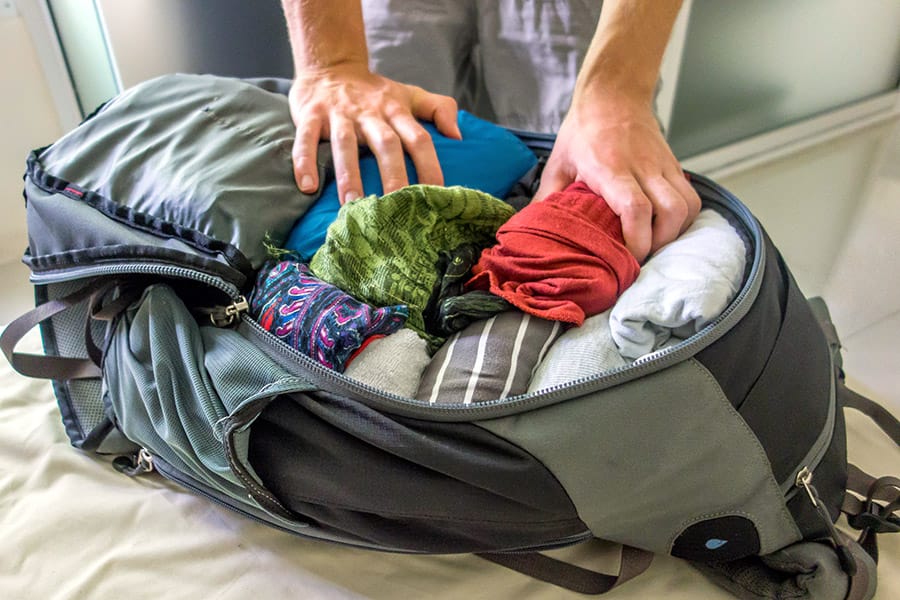
Proper clothing and effective layering are fundamental to ensuring comfort, safety, and warmth during cold weather camping. When venturing into colder environments, understanding how to build and adjust your layers can make the difference between a pleasant experience and a dangerous situation. The right combination of materials and layering techniques helps manage moisture, retain heat, and adapt to changing weather conditions.
Implementing a strategic layering system involves selecting appropriate clothing items that work together to provide insulation, wick away moisture, and shield against wind and cold. This approach not only keeps you warm but also allows flexibility to remove or add layers as your activity level or weather conditions change throughout the day.
Understanding the Essential Layers for Cold Weather Camping
Layering in cold weather camping revolves around three fundamental categories: base layers, insulation layers, and outer shells. Each serves a specific purpose in maintaining warmth, managing moisture, and protecting against the elements. Properly combining these layers ensures optimal insulation and comfort, even in harsh weather conditions.
Base layers are designed to be in direct contact with your skin. They wick moisture away from your body, preventing sweat from cooling you down and leading to hypothermia. Materials like merino wool and synthetic fibers such as polyester are highly effective for this purpose.
Insulation layers trap body heat and provide additional warmth. These include fleece, down, or synthetic insulated jackets. The goal is to create a warm, breathable barrier that can be added or removed based on temperature and activity levels.
Outer shells protect against wind, rain, and snow. They are typically made of waterproof and windproof materials like Gore-Tex or similar fabrics. An outer shell prevents moisture infiltration, which can significantly reduce insulation effectiveness.
Recommended Clothing Items for Cold Weather Camping
Choosing the right clothing items is crucial for comfort and safety during cold weather camping. The following table provides a comprehensive list of essential clothing, materials, purposes, and tips for each item:
| Item | Material | Purpose | Tips |
|---|---|---|---|
| Base Layer Top | Merino wool, Polyester, Nylon | Wicks moisture away from skin, maintains dryness | Select snug fit, breathable fabrics for optimal moisture management |
| Base Layer Bottoms | Merino wool, Synthetic fibers | Provides warmth and moisture control underneath outer clothing | Opt for thermal leggings or long underwear for added insulation |
| Insulation Jacket | Down, Synthetic fill, Fleece | Traps heat to keep your core warm | Choose lightweight but insulating material; synthetic is better in damp conditions |
| Outer Shell | Gore-Tex, Polyester with waterproof coating | Protects against wind, rain, and snow | Ensure proper fit to prevent drafts and water leaks |
| Headgear | Fleece, Wool, Synthetic | Prevents heat loss from the head | Use beanies or hats that cover ears for maximum warmth |
| Gloves | Insulated synthetic, Wool-lined | Protects hands from cold and wind | Layer thin gloves underneath for dexterity and warmth |
Selecting moisture-wicking fabrics like merino wool or high-quality synthetics ensures that sweat is efficiently drawn away from the skin, reducing the risk of chills and hypothermia. For insulation, down offers superior warmth-to-weight ratio but can lose insulating properties when wet, making synthetic insulations an excellent alternative in damp conditions.
Adjusting layers based on activity level and weather involves removing outer layers during vigorous activity to prevent overheating and sweating, then adding them back when activity decreases or weather worsens. A good rule of thumb is to monitor your body’s comfort level and adapt your layers accordingly, ensuring you stay warm without overheating or sweating excessively.
Camping Gear and Equipment to Prepare for Cold Temperatures

Camping in cold weather demands specialized gear to ensure safety, comfort, and efficiency throughout your outdoor adventure. Properly selected equipment not only keeps you warm but also enhances your overall experience by reducing the risks associated with low temperatures. Preparing your gear in advance and maintaining it correctly are crucial steps in winter camping to prevent malfunctions and ensure reliable performance in harsh conditions.
Effective cold-weather camping gear includes insulated sleeping systems, durable tents designed for winter conditions, and essential tools to manage safety and comfort. Understanding the specifications and features of this equipment allows campers to make informed choices that align with their specific needs and environmental challenges.
Insulated Sleeping Bags, Pads, and Tents
Choosing the right sleep system is fundamental for maintaining core body warmth during cold nights. Cold weather sleeping bags are constructed with high-quality insulation materials such as down or synthetic fibers, designed with temperature ratings suitable for winter conditions. Features like draft collars, insulated hoods, and water-resistant shells help retain heat and protect against moisture infiltration.
Sleeping pads with high R-values (thermal resistance ratings) are essential to prevent heat loss to the cold ground. Closed-cell foam pads or inflatable pads with insulating layers provide a barrier against the cold surface, ensuring a comfortable and warm sleeping environment.
Winter tents are engineered with features such as sturdy frame structures, full-coverage rainflies, and snow flaps to withstand snow loads and wind. Materials like ripstop nylon or polyester with waterproof coatings enhance durability and protection from moisture. Ventilation options are also important to prevent condensation buildup inside the tent.
Equipment Essentials for Cold Weather Camping
An organized approach to packing your gear enhances efficiency and ensures that vital items are readily accessible. The following list includes key equipment essentials necessary for safe and effective cold-weather camping:
- Stove and Fuel: A portable stove designed for cold temperatures, such as liquid fuel stoves, which perform reliably in freezing conditions. Carry enough fuel to handle multiple uses, considering the increased energy demands in cold weather.
- Cookware: Insulated or heat-resistant pots and utensils that withstand low temperatures. Consider non-slip handles and durable materials like stainless steel or hard-anodized aluminum.
- Lighting: LED headlamps and lanterns with high-lumen output, equipped with batteries rated for low temperatures. Extra batteries or power banks are recommended, as cold reduces battery efficiency.
- Thermal Insulation: Reflective emergency blankets and thermal mats to provide additional insulation against cold surfaces and improve warmth during rest or emergencies.
Gear Preparation and Maintenance
Proper preparation involves inspecting all equipment for damage, ensuring functionality, and performing necessary maintenance before embarking on your trip. Cold temperatures can cause materials to become brittle or malfunction, so cleaning, drying, and storing gear appropriately are vital steps.
Storing gear in a warm, dry place prior to camping helps preserve its integrity. Applying silicone or water-resistant sprays to tents and rainflies enhances their waterproofing capabilities. Regularly checking stoves, fuel lines, and batteries ensures they operate efficiently in low temperatures.
Additionally, packing spare parts such as stove seals, batteries, and repair kits minimizes the potential for equipment failure in remote areas. Conducting test runs of your stove and lighting systems before your trip can reveal issues that require correction, ensuring reliable performance when you need it most.
Safety Equipment for Winter Camping
Safety gear is indispensable when camping in cold environments. Emergency blankets, also known as space blankets, are lightweight and highly effective in reflecting body heat, making them essential for unexpected situations or emergencies.
First aid kits tailored for winter conditions should include supplies for treating frostbite, hypothermia, and other cold-related injuries. Items such as thermal blankets, hand warmers, antiseptic wipes, and blister treatments are critical components.
Other safety gear includes:
- Navigation tools: Compass, GPS device, and detailed maps to prevent getting lost in snow-covered terrain.
- Communication devices: Satellite phones or emergency beacons ensure connectivity when cellular signals are unavailable.
- Personal safety items: Whistles, multi-tools, and signaling mirrors facilitate rescue and communication efforts.
Having comprehensive safety equipment tailored for winter conditions significantly increases your resilience and preparedness, reducing risks associated with cold weather camping.
Food and Hydration Tips for Cold Weather Camping

Camping in cold environments requires specialized planning for nutrition and hydration to maintain energy levels, prevent dehydration, and ensure safety. Properly prepared meals and effective hydration strategies are essential components of a successful cold weather camping experience. This section offers practical advice on high-calorie meal planning, efficient cooking methods, water preservation, and food storage techniques tailored for freezing conditions.In frigid temperatures, maintaining adequate caloric intake is vital due to increased energy expenditure to stay warm.
Hydration becomes more challenging as water sources tend to freeze, and the sensation of thirst may diminish, leading to dehydration risks. Implementing effective methods for meal preparation, water management, and food organization will help campers stay energized and safe throughout their outdoor adventure.
High-Calorie, Easy-to-Prepare Meals for Cold Environments
In cold weather, meals should be nutrient-dense and simple to prepare in sub-zero conditions. Emphasizing high-calorie foods helps sustain energy levels during physically demanding activities and cold exposure. Campers should focus on meals that are lightweight, require minimal prep time, and can be cooked with limited heat sources.Suitable options include dehydrated or freeze-dried meals rich in carbohydrates, proteins, and healthy fats.
Incorporating ingredients like instant oatmeal fortified with nuts and dried fruits, energy bars, trail mix, and instant soups can provide quick and satisfying nourishment. Pre-packaged freeze-dried meals designed for camping expeditions are especially convenient, offering balanced nutrition with minimal cooking effort.For hot meals, consider bringing portable, compact stoves capable of heating water or food efficiently, such as canister stoves or multi-fuel options.
Using insulated containers to retain heat prolongs the warmth of prepared meals, making them more enjoyable and comforting after a cold day outdoors.
Comparison of Portable Stoves, Fuels, and Cooking Techniques Effective in Low Temperatures
Selecting appropriate cooking equipment is crucial for efficient meal preparation in freezing temperatures. Understanding the differences among stove types, fuel options, and techniques ensures reliable performance and safety.
| Stove Type | Fuel Type | Advantages | Limitations |
|---|---|---|---|
| Canister Stove | Butane/Propane Mix | Easy to use, clean burning, quick ignition | Less effective in very cold weather; fuel can liquefy or fail to vaporize below -10°C |
| Multifuel Stove | Gasoline, kerosene, white gas | Reliable in extreme cold; versatile fuel options | Heavier, more complex maintenance |
| Liquid Fuel Stove | White gas, kerosene | Good performance in low temperatures; high heat output | Longer setup time; requires priming and careful handling |
Effective cooking techniques in cold weather include pre-warming fuel bottles, using windshields to conserve heat, and employing insulated pots or cups to retain cooking temperature. Boiling water for extended periods or using pressure-optimized stoves can improve efficiency and ensure food safety during freezing conditions.
Strategies for Preventing Water Freezing and Ensuring Hydration
Maintaining accessible and safe drinking water in freezing weather involves multiple strategies to prevent water from solidifying and to ensure hydration throughout the trip. Cold temperatures rapidly decrease water availability and increase the risk of dehydration, which can impair physical and mental performance.Using insulated bottles or thermally protected hydration systems significantly reduces the chance of water freezing. Double-walled bottles, vacuum-insulated bottles, or bottles wrapped in insulating materials like foam or neoprene sleeves are highly effective in maintaining liquid state for extended periods.
Additionally, filling bottles with boiling water at the start of the day can keep water warm long enough for initial use before freezing conditions take effect.Boiling water before drinking can also serve to prevent the ingestion of bacteria or pathogens that can survive in contaminated sources, which is particularly important when relying on natural water sources. Consider carrying portable water heaters or insulated containers that utilize heat-retention technology to keep water from freezing during prolonged periods outdoors.To avoid water loss from evaporation and freezing, store water bottles upside down—this prevents air bubbles from forming at the opening—and keep them inside insulated compartments or close to your body heat.
Regularly checking and replenishing your water supply ensures continuous access, and adding electrolyte tablets can help replenish salts lost due to increased respiratory water loss in cold air.
Proper hydration and food planning in cold weather camping are crucial to maintaining energy, warmth, and overall safety during outdoor expeditions. Combining nutritious meal choices with effective water management ensures a more comfortable and successful camping experience in freezing conditions.
Setting Up and Maintaining a Safe Cold Weather Campsite

Establishing a secure and well-prepared campsite in cold weather conditions is essential for safety, warmth, and overall enjoyment of your outdoor experience. Proper site selection, effective pitching techniques, and vigilant management of the environment help prevent accidents and ensure that your camping adventure remains safe and comfortable despite the challenging conditions.
Careful planning and ongoing monitoring of weather patterns are crucial to adapt your setup as conditions evolve, minimizing risks associated with snow, ice, and wind. Implementing these best practices allows you to create a resilient campsite capable of withstanding the rigors of cold weather environments while providing a safe refuge from the elements.
Choosing a Sheltered and Safe Campsite
Selection of the ideal campsite in cold weather involves assessing multiple environmental factors to ensure safety and protection. Prioritize locations that offer natural shelter from prevailing winds, such as the lee side of ridges, large rock formations, or dense tree cover. Avoid low-lying areas prone to snow accumulation or potential flooding, and steer clear of unstable slopes or areas with a high risk of snow slides or avalanches.
Consider the structural load on the terrain, especially in areas with heavy snowfall, to prevent your campsite from becoming compromised by snow buildup or ice. It’s also important to choose a site that is accessible for emergency evacuation and that provides a flat, stable surface for pitching tents and laying gear. Regularly inspect the site during your stay for signs of shifting snow, melting, or changing weather conditions that could impact safety.
Pitching Tents and Securing Gear in Snowy or Icy Terrain
Properly setting up your shelter in cold, snowy, or icy environments is vital for insulation, stability, and safety. Use appropriate equipment such as four-season tents equipped with strong poles and robust stakes designed for snow. When pitching, select a flat area free of loose snow or overhanging branches that could break under snow load.
Secure your tent using snow stakes or bury stakes horizontally under a layer of snow to increase holding power. Reinforce tent guylines with additional anchors or rocks, especially in areas prone to high winds. When securing gear, distribute weight evenly and place heavy items at ground level to prevent shifting during wind or snow accumulation. Rigid tents and snow anchors provide increased stability and help prevent collapsing during storms.
Managing Snow and Ice Around the Campsite
Maintaining a safe environment around your campsite necessitates effective snow and ice management to prevent slips, trips, and structural damage. Clear pathways regularly by removing loose snow and breaking up ice patches with a sturdy ice axe or shovel. Create level walking surfaces by shoveling snow away from tent entrances and high-traffic areas, and consider using traction aids such as crampons or ice cleats on footwear.
Build snow walls or windbreaks to reduce the impact of wind and blowing snow on your campsite, thus minimizing snowdrift accumulation around tents and gear. Be cautious about melting snow to prevent water pooling around your tent, which can lead to dampness and increased cold risk. Always monitor snow and ice conditions for signs of instability, such as cracking or shifting snow layers, and be prepared to relocate if necessary.
Monitoring Weather Changes and Adjusting Campsite Setup
Staying informed about evolving weather conditions is fundamental in cold weather camping. Use reliable weather forecasts, local updates, and visual cues from the environment to anticipate shifts in temperature, wind, or snow load. Keep an eye on cloud formations, wind patterns, and temperature fluctuations, which can signal approaching storms or warming trends.
Adjust your campsite setup proactively in response to weather changes. This may include reinforcing snow walls, relocating tents to more sheltered positions, or securing loose gear more firmly. Continuous monitoring allows you to respond promptly, minimizing risks associated with sudden weather deterioration and ensuring your safety throughout the camping trip.
Safety Precautions and Emergency Preparedness in Cold Weather Camping
Camping in cold environments demands meticulous safety planning and preparedness to prevent life-threatening conditions such as hypothermia and frostbite. Cold weather presents unique challenges that can rapidly turn dangerous if proper precautions are not taken. Campers must be equipped with knowledge, appropriate gear, and clear protocols to respond effectively to emergencies, ensuring safety and well-being throughout their outdoor experience.Understanding the signs of cold-related illnesses and implementing preventative measures are essential components of responsible camping.
Recognizing symptoms early can make the difference between minor discomfort and serious health consequences. Equally important is being prepared for unexpected emergencies like sudden snowstorms or gear failures, which can compromise safety in remote locations. Utilizing appropriate communication devices and signaling methods guarantees that help can be summoned swiftly if needed.
Preventing Hypothermia and Frostbite
Hypothermia and frostbite are two of the most critical hazards in cold weather camping, both requiring prompt recognition and immediate action. Hypothermia occurs when the body’s core temperature drops below 95°F (35°C), leading to confusion, shivering, slurred speech, and loss of coordination. Frostbite involves freezing of skin and underlying tissues, often affecting extremities such as fingers, toes, nose, and ears, with symptoms including numbness, discoloration (white or grayish skin), and hard, waxy skin.To mitigate these risks, campers should adhere to strict layering strategies, ensuring clothing is dry and windproof.
It is vital to avoid prolonged exposure to cold and wind, especially if feeling chilled or numb. Regularly monitoring body temperature and extremity sensation helps in early detection. Avoiding alcohol and nicotine, which impair thermoregulation, and maintaining high-calorie, warm food intake support the body’s natural defenses against cold.
Emergency Kit Assembly and Usage
An emergency kit tailored for cold weather camping should be comprehensive, catering to injuries, weather changes, and equipment failures. Proper assembly involves including items that are specifically effective in cold conditions and that can be used efficiently under stress.Key components of a cold-weather emergency kit include:
- Thermal blankets or bivvy sacks to retain body heat
- Extra dry clothing, including gloves, hats, and socks
- Hand and foot warmers for rapid heat generation
- First aid supplies with emphasis on treating frostbite and hypothermia
- Waterproof matches, lighters, and fire-starting tools
- Multi-tool or knife for shelter and gear repairs
- Emergency signaling devices such as whistles or flares
- Personal locator beacons (PLBs) or satellite communication devices for remote locations
Ensure all items are accessible and protected against moisture. Regularly check and replenish supplies before each trip. Practice using the kit, especially emergency procedures such as warming frostbitten areas and constructing improvised shelters, to ensure readiness.
Responding to Cold Weather Emergencies
In the event of sudden snowstorms or gear failure, quick and decisive action is vital to preserve life and prevent conditions from worsening. Immediate response involves sheltering from the elements to prevent further heat loss and maintaining body warmth.Procedures include:
- Seeking or creating immediate shelter using tents, natural formations, or emergency blankets
- Protecting extremities with insulated gloves and layered clothing to prevent frostbite
- Administering warmth to hypothermic individuals by removing wet clothing and providing dry, insulated coverings
- Using fire or heat packs carefully to rewarm individuals, avoiding direct contact with skin to prevent burns
- Monitoring vital signs and consciousness levels, and providing CPR if necessary
- Assigning roles within the group to ensure coordinated response and efficient management of resources
If gear fails, improvising with available materials is crucial—using branches or debris for insulation or shelter, and repurposing clothing or equipment to maintain warmth. Staying calm and maintaining communication within the group improves the chances of a successful emergency response.
Communication Devices and Signaling Methods
Effective communication in remote, cold environments is fundamental for safety, especially when assistance is required. Cold weather can impair electronic devices and reduce the efficacy of signaling methods; hence, having multiple reliable options is essential.Recommended communication devices include:
- Satellite phones capable of functioning in remote areas without cellular coverage
- Personal locator beacons (PLBs) that transmit distress signals to rescue services
- Two-way radios with weather-resistant features for short-range communication
- Whistles, signal mirrors, and flare guns for visual signaling in emergencies
Additionally, campers should develop a signaling plan that accounts for environmental conditions, such as using reflective surfaces or creating ground signals visible from the air. Knowing how to activate each device properly and ensuring batteries or power sources are protected from cold is vital to maintaining communication readiness. Regularly informing a trusted contact of your itinerary and expected return time enhances overall safety and preparedness during cold weather camping.
Ending Remarks
In summary, effective packing for cold weather camping involves careful selection of clothing, specialized gear, proper food storage, and diligent safety measures. By following these guidelines, you can confidently face winter conditions and enjoy the beauty of the outdoors with peace of mind and comfort.