Ensuring a comfortable night’s sleep while camping can significantly enhance your outdoor experience, allowing you to wake up refreshed and ready for the day ahead. Achieving this requires careful preparation, the right gear, and strategic site selection, all tailored to create a cozy and restful environment amidst nature.
This guide explores essential equipment, site-specific tips, and techniques to maintain comfort throughout the night, helping you enjoy peaceful slumber regardless of outdoor conditions.
Essential Gear for Comfortable Camping Sleep
Ensuring a restful night’s sleep while camping requires careful selection of the right gear. The combination of suitable sleeping bags, supportive sleeping pads or air mattresses, and comfortable pillows can significantly enhance sleep quality, even in outdoor environments. Proper gear not only adds to comfort but also contributes to safety and health during outdoor adventures.
Choosing the appropriate equipment depends on various factors such as weather conditions, personal comfort preferences, and budget. By understanding the features and benefits of different sleeping gear options, campers can tailor their setup to achieve optimal rest amidst nature.
Sleeping Bags for Different Weather Conditions
Sleeping bags come in a variety of types designed to accommodate diverse weather conditions and temperature ranges. Selecting the right sleeping bag is vital for maintaining warmth and comfort throughout the night. For cold environments, insulated and mummy-shaped bags provide maximum warmth and minimize heat loss by sealing in body heat. Conversely, for milder weather, less bulky rectangular sleeping bags or sleeping bags with lighter insulation are suitable, offering increased ventilation and freedom of movement.
Temperature Ratings: Sleeping bags are usually rated for specific temperature ranges, such as:
Extreme
Not recommended for regular use but indicates the lowest temperature the bag can withstand briefly.
Comfort
The temperature at which an average sleeper can expect to stay warm.
Limits
The lowest temperature at which the bag can keep a typical sleeper warm without risking cold-related discomfort.
Sleeping Pads vs. Air Mattresses
Both sleeping pads and air mattresses serve to insulate and provide cushioning on uneven or hard ground, significantly improving sleep quality. The choice between them hinges on preferences, weight considerations, and intended use.
- Sleeping Pads: These are lightweight, compact, and often made of foam or self-inflating materials. They are durable, easy to pack, and generally more affordable. They provide sufficient insulation and comfort for most camping situations, making them ideal for backpackers or those seeking simplicity.
- Air Mattresses: Offering superior comfort and cushioning, air mattresses are thicker and more plush. They often include adjustable firmness features, making them suitable for car camping or longer stays where weight and packability are less critical. However, they tend to be heavier and require more storage space.
When choosing, consider factors such as weight, durability, ease of setup, and insulation properties. For cold weather camping, ensure the pad or mattress provides adequate insulation to prevent heat loss through the ground.
Recommended Camping Pillows
A good pillow can significantly improve sleep alignment and comfort during outdoor camping. Several options are designed specifically for camping, offering portability, durability, and support, thereby reducing neck and shoulder strain.
- Inflatable Pillows: Compact and adjustable, these pillows can be inflated to desired firmness, making them versatile for different sleep preferences. Their lightweight nature makes them popular among backpackers.
- Foam Pillows: These are more durable and do not require inflation, providing consistent support. They tend to be bulkier but are suitable for car camping or extended stays.
- Memory Foam Pillows: Designed for maximum comfort, these pillows conform to the shape of the head and neck, offering superior support. Their weight and bulk make them better suited for stationary camping setups.
Choosing the right camping pillow depends on the balance between portability and support needed for restful sleep. Combining an inflatable pillow with a soft cover can enhance comfort and durability in outdoor settings.
Comparison Table of Sleep Gear Options
To assist in selecting the most suitable sleep gear, the following comparison highlights key features, weight, and approximate costs of various options:
| Gear Type | Features | Average Weight | Estimated Cost |
|---|---|---|---|
| Down Sleeping Bag | Excellent warmth-to-weight ratio, compressible, durable but expensive and less water-resistant | 2-3 lbs (900-1350 g) | $150 – $300 |
| Synthetic Sleeping Bag | Good insulation even when wet, more affordable, heavier than down | 3-4 lbs (1350-1800 g) | $80 – $200 |
| Self-Inflating Sleeping Pad | Good insulation, easy setup, lightweight, offers cushioning | 1-2.5 lbs (450-1130 g) | $50 – $150 |
| Air Mattress | Highly comfortable, adjustable firmness, bulky, heavier | 3-6 lbs (1360-2720 g) | $100 – $250 |
| Inflatable Camping Pillow | Compact, adjustable support, portable | 0.5-1 lbs (225-450 g) | $15 – $50 |
| Foam Camping Pillow | Durable, no inflation needed, bulkier | 1-2 lbs (450-900 g) | $10 – $30 |
Proper Camping Site Selection for Better Sleep
Choosing the ideal campsite is fundamental to ensuring a restful and comfortable night’s sleep while camping. The right location can significantly reduce exposure to environmental disturbances, improve safety, and enhance overall outdoor experience. Proper site selection involves assessing various factors that influence comfort, safety, and convenience, enabling campers to rest peacefully amidst nature.
By carefully evaluating potential camping spots based on terrain, proximity to resources, and environmental conditions, campers can minimize discomfort and avoid common issues such as flooding, excessive noise, or exposure to harsh elements. The following considerations and methods serve as a guide to selecting the most suitable campsite for a better sleep experience in the outdoors.
Factors to Consider When Selecting a Campsite
Efficient site selection hinges on understanding key environmental and logistical aspects. The goal is to find a location that offers a stable, safe, and comfortable environment, minimizing the need for additional adjustments or equipment during the night.
- Level Ground: Flat or gently sloping terrain helps prevent rolling during sleep and provides a stable base for tents and sleeping gear. It also facilitates proper drainage, reducing the risk of water pooling under your tent in case of rain.
- Proximity to Water Sources: While access to water is essential, it’s advisable to set up camp at a safe distance—typically 200 feet away—to avoid issues related to humidity, insects, or sudden water level rises during storms.
- Wind Protection: Natural barriers such as trees, shrubs, or terrain features like hills can serve as windbreaks, reducing the impact of wind gusts that can disturb sleep and cause discomfort.
Identifying and Avoiding Noisy or Unsafe Locations
Sound environmental cues and safety considerations are crucial when selecting your campsite. Noisy areas, such as near busy trails, roads, or party sites, can hinder restful sleep, while unsafe locations pose risks to personal safety and comfort.
- Observe around the area for potential sources of noise, including human activity, wildlife, or machinery. Opt for secluded spots that are away from these disturbances.
- Choose sites that are located above flood plains and away from unstable slopes or cliff edges to prevent risks associated with landslides or sudden water runoff.
- Inspect the surroundings for signs of wildlife activity, such as animal tracks or droppings, and avoid areas that may attract dangerous animals or insects.
Methods for Assessing Ground Firmness and Drainage
Evaluating the ground’s firmness and drainage capacity ensures that your camping setup remains stable and dry throughout the night. Proper assessment minimizes discomfort caused by uneven or soggy ground and helps prevent water ingress into tents.
- Visual Inspection: Examine the soil for signs of moisture, mud, or standing water. Well-drained soils such as sandy or gravelly substrates typically dry faster and are more stable.
- Pressure Test: Press down with your hand or foot on different ground spots to gauge firmness. A firm surface offers better support for tents and sleeping gear.
- Drainage Test: Pour a small amount of water on the site; observe how quickly it seeps into the ground or runs off. Rapid absorption indicates good drainage, whereas pooling signifies poor drainage.
- Consider Terrain Features: Look for natural slopes that encourage water runoff away from the campsite. Avoid low-lying areas or basins where water might collect during rainstorms.
Example Checklist for Evaluating a Potential Campsite:
- Is the ground level or gently sloped?
- Is the site at least 200 feet from water sources?
- Does natural wind protection exist nearby?
- Are there signs of recent water pooling or muddy patches?
- Is the terrain free from rocks, roots, or debris that could cause discomfort?
- Are there any signs of animal activity or insect nests?
- Is the site above flood-prone areas?
- Is the ground firm and well-drained based on visual and pressure tests?
Techniques to Maintain Comfort During Sleep

Getting a restful sleep while camping can be challenging due to environmental factors such as temperature fluctuations, humidity, insects, and uneven terrain. Employing effective techniques to regulate body temperature, optimize tent setup, and manage pests is essential for ensuring an uninterrupted and comfortable rest. These strategies help campers adapt to changing conditions and create a more conducive sleep environment amidst the outdoors.Maintaining comfort during sleep involves a combination of proper clothing choices, thoughtful campsite setup, and pest management.
Implementing these practices can significantly improve sleep quality, allowing for better recovery and enjoyment of the camping experience.
Regulating Body Temperature
Effective temperature management is vital to prevent discomfort caused by chills or overheating during outdoor sleep. Campers should focus on layering clothing, using suitable bedding, and employing accessories that help control heat retention and dissipation.
- Layer clothing appropriately: Use moisture-wicking base layers to keep sweat away from the skin, insulating mid-layers for warmth, and a waterproof outer layer if rain or dew is expected.
- Utilize sleeping bag liners: These can add an extra insulating layer, help maintain warmth, and keep the sleeping bag clean. Materials like silk or fleece are lightweight and effective.
- Adjust clothing and bedding based on nighttime temperatures: As the temperature drops, add layers; during warmer nights, remove layers as needed to prevent overheating.
- Use insulated pads: An insulating sleeping pad prevents heat loss to the ground, which is a major source of body heat dissipation.
- Monitor body signals: Pay attention to signs of cold or overheating and adjust clothing or bedding accordingly to maintain a comfortable body temperature.
Optimizing Tent Setup for Better Airflow and Reduced Condensation
The way your tent is positioned and assembled significantly influences ventilation and moisture control, directly impacting sleep comfort. Proper setup ensures fresh air circulation while minimizing the buildup of condensation, which can dampen bedding and cause discomfort.
- Choose a well-ventilated location: Position your tent on a slight incline to promote drainage and avoid low-lying areas where cold air and moisture tend to collect.
- Set up ventilation flaps and windows: Open vents or windows to facilitate cross-ventilation, especially during warmer nights or high humidity conditions.
- Ensure proper tent orientation: Face the tent into the prevailing wind to maximize airflow and reduce stagnation inside the tent.
- Use rainflies and tent fabric appropriately: Keep rainflies slightly open during warm nights to enhance airflow, but close them during rain to prevent water ingress.
- Reduce internal humidity: Avoid storing damp gear inside the tent and consider using a small fan or ventilation system if available, to circulate air effectively.
Managing Insects and Critters for Uninterrupted Rest
Insects and small critters can disturb sleep and pose health risks. Implementing effective pest management strategies helps maintain a peaceful sleeping environment and prevents bites, stings, or other disturbances.
- Set up a proper campsite perimeter: Use natural barriers such as rocks, trees, or designated insect screens around the tent area to reduce insect intrusion.
- Use insect screens and mesh: Ensure all tent openings are covered with fine mesh screens to prevent insects from entering while allowing airflow.
- Apply environmentally friendly repellents: Use DEET-based or natural alternatives like citronella or eucalyptus oils around the tent perimeter and on exposed skin, avoiding direct contact with fabrics.
- Properly store food and scented items: Keep food, trash, and scented toiletries sealed in airtight containers away from the sleeping area to deter critters attracted by odors.
- Maintain a clean campsite: Clear away food scraps, crumbs, and waste regularly to reduce attractants for insects and larger animals.
- Use deterrents: Consider employing ultrasonic repellents or motion-activated alarms in areas with high critter activity, where permitted and suitable.
Environmental Factors Affecting Sleep Quality

Ensuring a restful sleep while camping requires not only proper gear and site selection but also a keen awareness of environmental conditions that can influence comfort. Weather elements such as wind, rain, and cold are significant factors that can disrupt sleep, making it essential for campers to understand how to adapt and prepare accordingly. Recognizing these influences allows for better planning and enhances overall outdoor sleeping experiences.Environmental conditions can dramatically impact sleep quality during camping.
Wind can cause noise disturbances and create a sense of instability around your tent, while rain can lead to dampness and increase the risk of hypothermia if not managed properly. Cold weather, especially at higher elevations or during seasons with low temperatures, can cause discomfort, shivering, and difficulty maintaining body heat. These factors can lead to fragmented sleep or insomnia, reducing the restorative benefits of overnight rest.
Weatherproofing Your Tent and Gear
Protection from the elements is vital to maintaining sleep comfort in variable weather conditions. Proper weatherproofing involves both preparation before setting up camp and ongoing maintenance throughout your stay.
- Use a high-quality, waterproof tent with sealed seams to prevent water ingress during rainstorms. Choose tents constructed with durable, water-resistant fabrics like ripstop nylon or polyester coated with polyurethane or silicone.
- Employ a rainfly that extends beyond the tent walls to provide additional coverage and prevent water from pooling on the roof. Ensure it’s properly tensioned to allow water runoff.
- Set up your tent on a slight incline or an sheltered area to facilitate drainage and reduce exposure to wind and rain. Avoid low-lying areas prone to flooding or collection of runoff.
- Utilize ground tarps or footprints beneath your tent to prevent moisture seepage from the soil. Elevating sleeping gear with cots or foam pads can also help insulate from cold, damp ground.
- Pack weather-resistant gear such as waterproof clothing, rain covers for backpacks, and sealed storage containers to keep essentials dry and accessible.
Choosing Sheltered Campsites
Selecting a campsite with natural or structural shelter can significantly improve sleeping conditions. Sheltered sites reduce exposure to wind, rain, and temperature fluctuations, creating a more stable environment for rest.
Sheltered campsites often feature natural barriers such as dense trees, rocky outcrops, or terrain features that deflect wind and block precipitation, leading to a more comfortable sleeping environment.
Consider the following when choosing a site:
- Opt for locations that are shielded by natural barriers like thickets or hills, which can buffer against strong gusts of wind and direct rainfall away from your tent.
- Avoid setting up in open plains, exposed ridges, or atop ridges where wind speeds tend to be higher and temperature drops occur more rapidly after sunset.
- Look for flat, well-drained ground to prevent water pooling and tent instability during rainstorms.
- Ensure the site is distant from water bodies prone to flooding or rising with heavy rain, even if the area appears dry initially.
Setting Up Emergency Heat Sources Safely
In cold and damp conditions, introducing a controlled heat source can greatly enhance comfort and safety. However, it is crucial to handle such sources with care to prevent accidents.
- Use portable, outdoor-safe heaters designed for camping, such as propane or battery-operated units, ensuring they are rated for outdoor use and have safety features like automatic shut-off.
- Maintain proper ventilation within the tent or shelter to prevent the buildup of carbon monoxide, which can be deadly. Never operate combustion-based heaters in enclosed spaces without adequate airflow.
- Place heat sources on stable, non-flammable surfaces, away from flammable materials such as bedding or clothing.
- Keep a fire extinguisher or a bucket of water nearby when using open flames or combustible heat sources, and never leave them unattended.
- Consider alternative methods like chemical hand warmers, which are safer and easier to manage, especially in tent environments where open flames are unsuitable.
Additional Tips for Enhancing Sleep Comfort
Achieving restful sleep during camping involves more than just selecting the right gear and location. Incorporating specific techniques and precautions can significantly improve sleep quality, helping you wake up refreshed and ready for your outdoor adventures. These supplementary tips focus on creating a calming pre-sleep environment, minimizing disturbances, and avoiding common pitfalls that disrupt rest in the wilderness.Creating a calming pre-sleep routine and adopting relaxation methods can signal your body that it is time to unwind, promoting faster onset of sleep.
Techniques such as gentle stretching, deep breathing exercises, or listening to calming sounds can help ease tension accumulated during the day. Engaging in these activities at least 30 minutes before bedtime establishes a consistent pattern, which is particularly beneficial when sleeping in unfamiliar outdoor settings.
Use of Earplugs and Eye Masks
Noise and light pollution are among the primary factors that compromise sleep quality in camping environments. Earplugs and eye masks serve as effective tools to block out external disturbances, creating a more controlled sleep environment. High-quality, moldable earplugs can reduce ambient sounds such as snoring, wildlife noises, or nearby conversations, while eye masks prevent light from entering and disrupting the circadian rhythm, especially in illuminated campsites or areas with moonlight.Employing these accessories can be particularly advantageous for sensitive sleepers or those camping in areas with unpredictable noises.
They are lightweight, reusable, and easy to carry, making them practical additions to your camping sleep kit. Properly fitted earplugs should be comfortable and not cause pressure, and eye masks should be made of breathable fabric to prevent overheating during sleep.
Hydration and Caffeine Intake
Maintaining proper hydration is essential for overall health and can influence sleep quality by preventing dehydration-related discomforts such as dry mouth and muscle cramps. However, it is equally important to balance fluid intake, avoiding excessive consumption close to bedtime, which could lead to frequent nighttime trips to the restroom, disrupting rest.Caffeine, a stimulant found in coffee, tea, and certain sodas, significantly interferes with the ability to fall asleep and reduce sleep quality.
Consuming caffeinated beverages at least six hours before bedtime minimizes its impact, allowing your body to wind down naturally. Instead, opt for calming herbal teas like chamomile or valerian root, which are known to promote relaxation and aid sleep.
Common Mistakes to Avoid
Several habits and oversights can inadvertently disturb sleep during camping trips. Recognizing and avoiding these mistakes ensures a more restful night. For example, consuming heavy, greasy meals late in the day can cause indigestion and discomfort, making it harder to fall asleep. Ensuring your evening meal is light and easily digestible supports sleep readiness.Another common mistake is neglecting environmental factors such as insufficient insulation or improper tent ventilation, which can lead to overheating or excessive cold.
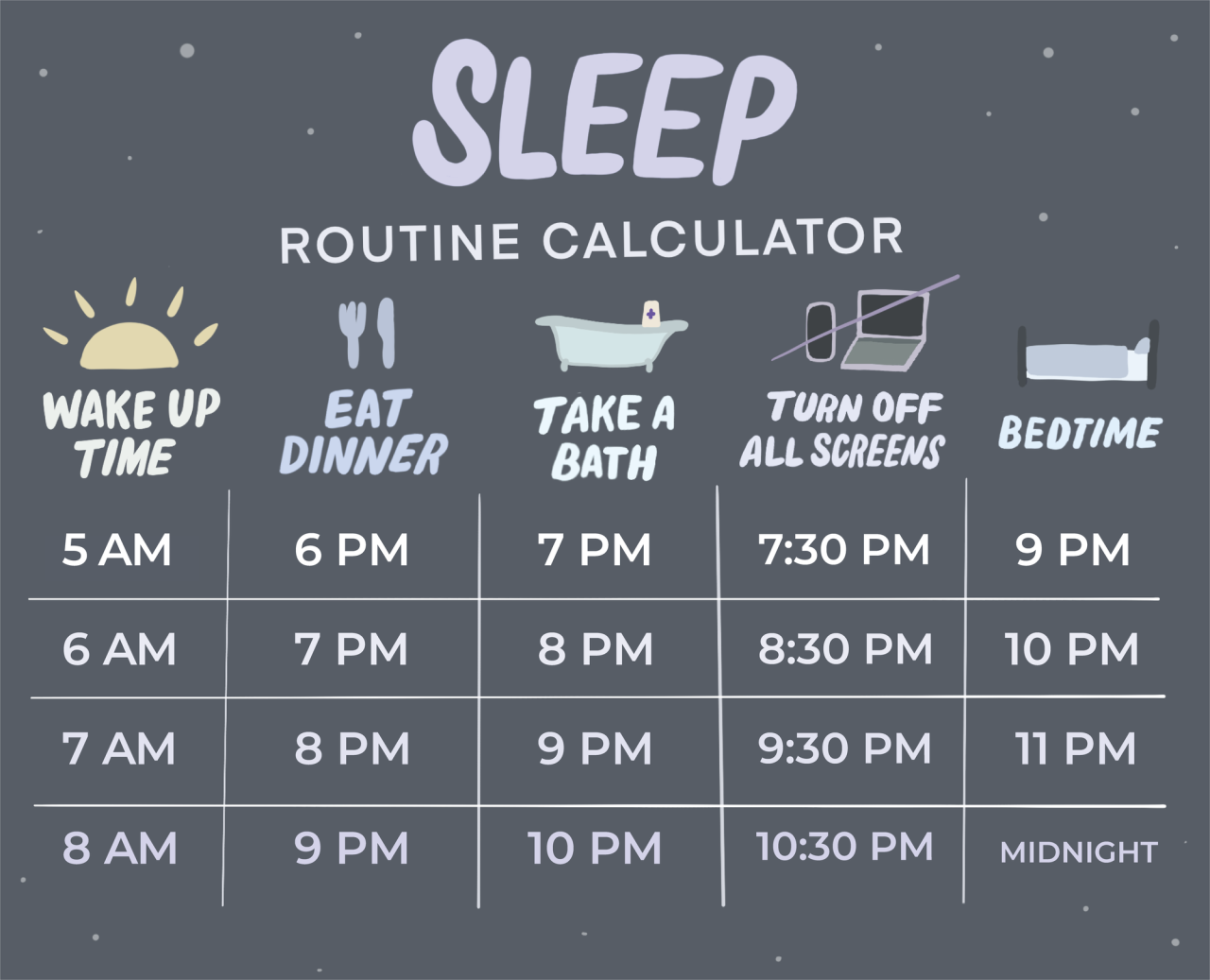
Additionally, irregular sleep schedules, such as staying up late or napping excessively during the day, can disrupt your natural circadian rhythm. Establishing a consistent bedtime and wake-up time, even in outdoor settings, helps maintain sleep quality.Finally, using electronic devices before sleep can expose you to blue light, which suppresses melatonin production. Limiting screen time an hour before bed and opting for relaxing activities instead can facilitate better sleep.
Wrap-Up

In summary, a good night’s sleep while camping is attainable through proper gear choices, careful site selection, and effective comfort techniques. By applying these strategies, you can transform your outdoor adventures into truly restorative experiences, making every night under the stars both enjoyable and restful.