Discover the secrets to making your camping trips with friends truly unforgettable by mastering the art of planning, setting up, and engaging in fun-filled activities amidst nature. Whether you’re a seasoned outdoor enthusiast or a first-time camper, learning how to enjoy camping with friends can transform a simple trip into cherished memories that last a lifetime.
This comprehensive guide walks you through essential steps such as organizing your trip, creating a welcoming campsite, preparing delicious meals, and enjoying various outdoor activities together. By focusing on safety, comfort, and shared experiences, you can ensure everyone feels involved and has a fantastic time exploring the great outdoors with friends.
Planning the Perfect Camping Trip with Friends

Organizing a memorable camping experience with friends involves thoughtful planning and collaboration. A well-structured approach ensures that everyone’s preferences are considered, responsibilities are clear, and the trip runs smoothly from start to finish. By focusing on key steps such as selecting the ideal location, establishing the best dates, and coordinating responsibilities, you can create an enjoyable adventure that strengthens friendships and creates lasting memories.
Effective planning begins with open communication among friends, ensuring that each participant’s expectations and needs are acknowledged. A systematic checklist of essentials further aids in preparing appropriately, preventing last-minute surprises. Moreover, involving all friends in the planning process fosters a sense of ownership and enthusiasm, making the trip more enjoyable and inclusive for everyone.
Steps to Organize a Camping Trip
To successfully plan a camping trip with friends, follow these essential steps:
- Choose a Suitable Location: Consider factors such as accessibility, available amenities, and the type of environment preferred—be it mountain, forest, lakeside, or coastal areas. Research local camping sites, read reviews, and select a location that matches the group’s interests and experience levels.
- Set Dates That Work for Everyone: Use group communication channels to propose potential dates. Employ scheduling tools or polls to identify the most convenient time, ensuring maximum participation. Flexibility is key to accommodate varying commitments.
- Assign Responsibilities: Divide planning tasks among friends—such as booking campsites, preparing meals, organizing activities, and packing equipment. Clear delegation helps streamline preparations and ensures nothing is overlooked.
Once these steps are completed, focus on preparing a comprehensive checklist of essentials to bring. This helps guarantee that all necessary items are packed and ready, enhancing safety and comfort during the trip.
Camping Essentials Checklist
Preparing a detailed list of camping essentials is crucial for a smooth experience. Below is a comprehensive table outlining key items, their quantities, and purposes:
| Item | Quantity | Purpose |
|---|---|---|
| Tent | 1 per group | Provide shelter and sleeping area |
| Sleeping bags | 1 per person | Ensure warmth and comfort during sleep |
| Camping stove | 1 | Cooking meals efficiently |
| Cooking utensils | Set of | Prepare and serve food |
| Food supplies | Varies based on group size and duration | Nourishment during the trip |
| Water bottles or jugs | 1-2 per person | Hydration needs |
| First aid kit | 1 | Handle minor injuries and emergencies |
| Lighting (flashlights, lanterns) | Several | Illumination at night |
| Clothing suitable for weather | Multiple sets | Protection from elements, comfort |
| Insect repellent and sunscreen | Set of each | Protection from bugs and sunburn |
| Trash bags | Multiple | Waste disposal and environmental protection |
| Navigation tools (maps, compass, GPS) | Set | Ensuring safe navigation |
Involving everyone in developing this checklist encourages contributions tailored to specific needs and preferences, resulting in a comprehensive packing strategy that enhances the overall experience.
Tip: Regularly update the checklist and assign specific packing tasks to each friend to streamline preparations and prevent forgetting essential items.
Setting Up a Fun and Functional Campsite
Establishing an inviting and practical campsite is essential for ensuring an enjoyable outdoor experience with friends. A well-chosen location combined with efficient setup techniques creates a comfortable base for relaxation, socializing, and activities. Thoughtful planning during this phase elevates the camping adventure from merely functional to truly memorable.
By paying attention to safety, convenience, and personal touches, campers can craft a space that fosters camaraderie and adventure alike. Carefully selecting the right spot and organizing essential elements harmoniously enhances the overall enjoyment of the trip, making it easier to focus on creating lasting memories with friends.
Choosing the Ideal Campsite Location
The selection process for the perfect campsite involves evaluating multiple factors that contribute to safety, comfort, and accessibility. A strategic choice of location sets the foundation for a successful camping experience.
- Safety considerations: Prioritize areas that are free from potential hazards such as falling branches, flood-prone zones, or rocky terrains. Avoid low-lying areas prone to water accumulation and ensure proximity to emergency exits or routes.
- Shade and sun exposure: Select a site with a natural canopy or nearby trees to provide shade during hot daytime hours, reducing overheating and sunburn risks. Balancing sun and shade ensures comfort throughout the day.
- Accessibility and terrain: Choose a level and firm surface that simplifies tent setup and minimizes the risk of rolling or collapsing. Accessibility to nearby water sources and paths to amenities enhances convenience.
- Environmental impact: Respect the environment by avoiding protected areas or sites with fragile ecosystems. Use designated campsites when available to minimize ecological disturbance.
Organizing Campsite Setup with Tools, Steps, and Tips
Efficiently establishing your campsite requires a clear plan and the right tools. A systematic approach ensures that tents, cooking areas, and seating arrangements are functional, comfortable, and safe.
| Tools Needed | Steps | Tips |
|---|---|---|
|
|
|
Personalizing the Campsite for Enhanced Group Enjoyment
Adding personal touches transforms a basic campsite into a welcoming and themed environment that reflects the group’s personality. Personalization enhances the camping experience by fostering a sense of ownership and increasing group engagement.
Decorations and themed setups can range from simple DIY decorations to more elaborate themes that set the mood for the trip. These touches encourage creativity and camaraderie, making the camping adventure more memorable and enjoyable for everyone involved.
- Decorations: Use string lights, banners, or handcrafted signs to add charm and atmosphere to the campsite.
- Themed setups: Create specific zones such as a “beach lounge,” “pirate ship,” or “nature retreat” with relevant props and decorations.
- Personal touches: Incorporate items like personalized name tags, photo displays, or group flags to foster a sense of belonging.
- DIY projects: Engage friends in making decorations from natural elements like pinecones, leaves, and stones to ensure an eco-friendly approach.
Such personalization not only elevates the aesthetics but also encourages group participation, making the camping trip more lively, interactive, and memorable for all participants.
Engaging Activities to Enjoy Together
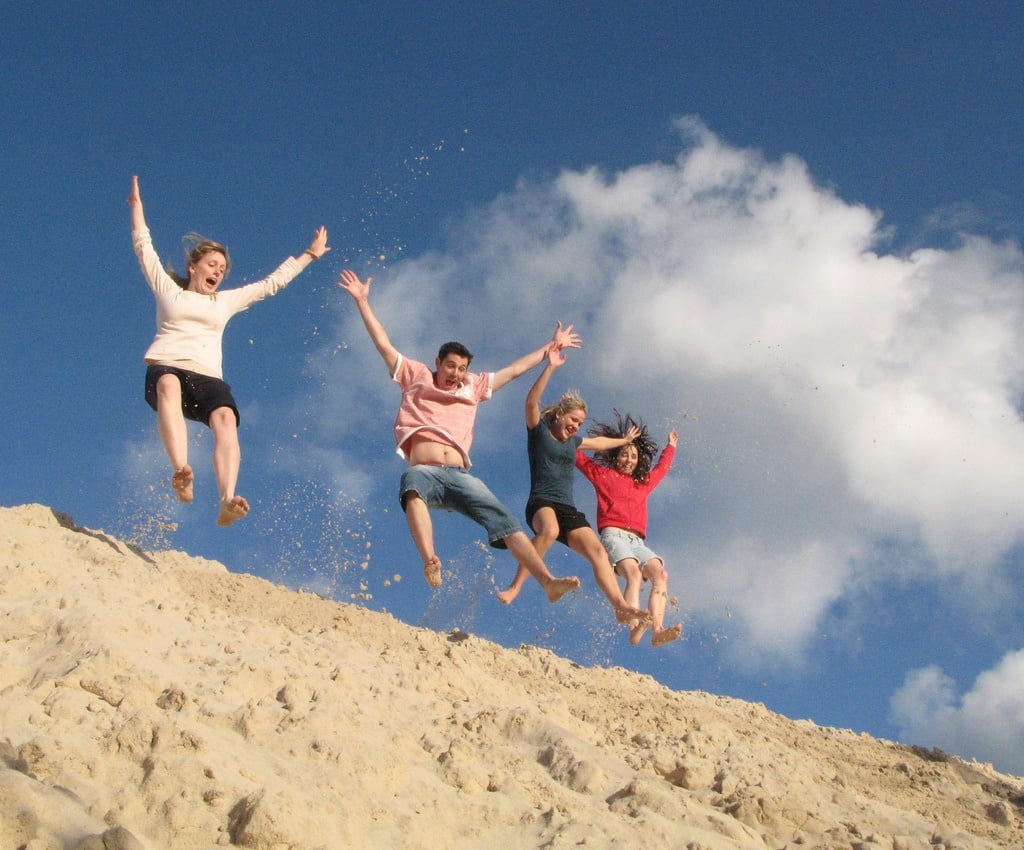
Camping with friends offers an excellent opportunity to bond through a variety of outdoor activities that cater to diverse interests and skill levels. Thoughtfully planned activities not only enhance the fun but also foster camaraderie and create lasting memories. Incorporating a mix of active, relaxing, and creative pursuits ensures everyone stays engaged and connected throughout the trip.Participating in a range of outdoor pursuits encourages teamwork, sparks friendly competition, and provides opportunities for personal challenge.
From physical adventures like hiking and fishing to leisurely pursuits such as stargazing and group games, each activity contributes to a holistic camping experience. Proper planning and organization are key to maximizing enjoyment; hence, establishing a clear schedule, preparing necessary equipment, and assigning responsibilities help streamline the day’s flow and ensure safety.
Outdoor Activities for Group Enjoyment
Outdoor activities are the heart of any camping trip with friends, providing both entertainment and opportunities for bonding. Selecting activities that match the group’s interests and physical abilities enhances the overall experience. The following are some popular outdoor pursuits suitable for camping adventures:
- Hiking: Exploring nearby trails allows participants to enjoy nature, get some exercise, and discover scenic viewpoints. It encourages teamwork as groups can plan routes together and assist less experienced hikers.
- Fishing: If the campsite is near a lake, river, or pond, fishing can be both relaxing and rewarding. It offers a peaceful break from more vigorous activities and can be a social event with shared stories and techniques.
- Group Games: Engaging in outdoor games such as frisbee, volleyball, or relay races stimulates camaraderie and friendly competition. These activities are easy to organize and adapt to different group sizes and skill levels.
- Stargazing: At night, camping under clear skies provides an awe-inspiring experience. Bringing along a telescope or binoculars enhances the viewing of planets, stars, and constellations, fostering a sense of wonder and shared discovery.
Sample Activity Schedule with Equipment and Responsibilities
To optimize the camping experience, a well-structured schedule with designated responsibilities and equipment logistics is essential. Below is an example of an activity plan designed to balance adventure with relaxation, ensuring all participants have meaningful roles:
| Time Slot | Activity | Equipment Needed | Responsible Person |
|---|---|---|---|
| 08:00 – 10:00 | Morning Hiking | Hiking boots, water bottles, trail maps, first aid kit | Group Leader / Hiker 1 |
| 10:30 – 12:00 | Fishing Session | Fishing rods, bait, tackle box, fishing licenses (if required) | Person A / Person B |
| 13:00 – 14:00 | Lunch Break / Rest | Prepared meals, utensils, picnic blankets | All Participants |
| 14:30 – 16:00 | Group Games (Frisbee, Volleyball) | Frisbee, volleyball, net, portable field setup | Game Coordinator / Enthusiasts |
| 20:00 – 22:00 | Stargazing & Campfire Stories | Blankets, telescopes/binoculars, campfire setup, marshmallows | Storyteller / Fire Manager |
Team-Building Exercises and Creative Challenges
Fostering team spirit through engaging exercises and creative challenges enhances group cohesion. These activities promote communication, problem-solving, and mutual support, vital for a successful camping experience.
- Trust Fall and Communication Drills: Participants take turns falling backward into the arms of teammates to build trust. Complementary communication exercises, such as guiding a blindfolded partner through an obstacle course, develop effective dialogue and listening skills.
- Scavenger Hunt: Organize a themed scavenger hunt with clues and riddles hidden around the campsite or nearby area. This encourages teamwork, strategic thinking, and exploration.
- Creative Group Challenges: Activities like building a shelter from natural materials, creating a group mural, or devising a camping skit foster collaborative creativity. These challenges can be tailored to the group’s interests and available resources.
- Problem-Solving Tasks: Set up scenarios such as “How to start a fire without matches” or “Design a rescue plan” to promote critical thinking and collective effort.
Effective team-building activities not only strengthen friendships but also prepare participants for spontaneous challenges during outdoor adventures, ensuring the group remains resilient and supportive throughout the camping trip.
Ensuring Comfort and Safety During Camping

Camping with friends offers a wonderful opportunity to connect with nature and each other, but it also requires careful attention to safety and comfort to ensure an enjoyable experience. Proper planning and preparedness can prevent common issues and help everyone feel secure and relaxed throughout the trip. Addressing safety measures and comfort essentials ensures that unforeseen circumstances do not ruin the adventure and that all participants remain healthy and comfortable in the outdoor environment.Effective safety protocols and comfort strategies are vital components of a successful camping trip.
These measures not only protect campers from potential hazards but also enhance overall enjoyment by creating a secure and cozy atmosphere. Implementing these guidelines fosters a sense of confidence among the group and ensures everyone can focus on making memories together.
Setting Up Safety Measures
Establishing comprehensive safety procedures is crucial before venturing into the wilderness. This includes assembling a well-stocked first aid kit, understanding fire safety protocols, and preparing for weather-related challenges.
Ensure that your camping gear includes a first aid kit equipped with essential supplies such as bandages, antiseptic wipes, pain relievers, insect repellent, and any personal medications. Familiarize all group members with basic first aid procedures and designate a specific person as the safety officer to oversee health and emergency protocols.
Fire safety is paramount when camping. Designate a safe location for fires, away from tents and flammable materials. Keep a bucket of water, a fire extinguisher, or a shovel nearby to quickly extinguish flames if necessary. Never leave fires unattended, and ensure they are completely extinguished before sleeping or leaving the site.
Weather preparedness includes checking forecasts regularly and planning for sudden changes. Pack appropriate clothing, tarps, and emergency shelter options. Establish a plan for seeking shelter during storms or extreme weather, and communicate it clearly among the group members.
Maintaining Comfort with Proper Gear, Sleeping Arrangements, and Hygiene
Comfort during camping significantly impacts the overall experience, especially when spending multiple nights outdoors. Using the right gear and maintaining good hygiene practices help keep campers healthy and relaxed.
Invest in quality tents, sleeping bags suitable for the expected temperature, and comfortable sleeping pads to ensure restful nights. Use layered clothing to adapt to varying weather conditions, and bring extra blankets or sleeping bag liners for added warmth.
Proper hygiene practices are essential in outdoor settings to prevent illnesses and discomfort. Carry biodegradable soap, hand sanitizer, and wet wipes for quick cleaning. Designate specific areas for washing dishes and personal hygiene, and dispose of waste responsibly, following Leave No Trace principles.
Proper tent setup with waterproofing, good ventilation, and secure stakes prevents leaks and ensures stability. Regularly check tent seams and zippers, and patch any leaks with waterproof tape or sealant to prevent water intrusion during unexpected rainstorms.
Troubleshooting Common Camping Issues
Despite careful planning, issues such as tent leaks or insect encounters may arise. Being prepared with troubleshooting strategies helps resolve problems swiftly and minimizes discomfort.
In case of tent leaks, inspect the affected area for tears or holes. Use a waterproof sealant or repair tape to patch small leaks. For larger tears, consider using a patch kit or replacing the tent if necessary. Ensuring proper tent setup—such as setting up on flat ground and using a ground tarp—can prevent many issues.
Insect encounters are common, especially in areas with high mosquito populations. Use insect repellent containing DEET, wear long sleeves and pants during dusk and dawn, and install physical barriers like mesh screens or tents with fine mesh fabric. For bites, apply soothing lotions or antihistamines to reduce itching and swelling.
Addressing issues promptly and with appropriate solutions ensures that minor problems do not escalate, allowing the group to focus on enjoying nature and each other’s company in a safe and comfortable environment.
Creating Memorable Experiences and Traditions
Camping with friends offers an exceptional opportunity to forge lasting memories and establish meaningful traditions that can be cherished for years to come. These shared experiences not only enhance the enjoyment of the trip but also contribute to building a stronger bond among participants. By intentionally creating moments worth recalling, groups can cultivate a sense of continuity and anticipation for future adventures together.Documenting the trip through photographs, journaling, or creating a group memory board transforms transient moments into lasting treasures.
These methods serve as tangible reminders of the fun, laughter, and camaraderie experienced during the camping trip, allowing everyone to reminisce and relive those special times long after returning home. Organizing fun traditions, such as nightly storytelling or themed dress-up nights, fosters a sense of anticipation and creates unique identifiers for each gathering, strengthening the group’s collective identity.Encouraging everyone to participate in shared storytelling or talent shows around the campfire can be a delightful way to promote inclusivity, creativity, and engagement among friends.
These activities encourage individuals to share their stories, talents, or humorous anecdotes, which often lead to hearty laughter, deeper connections, and memorable moments that define the trip. Using techniques like gentle prompts, inclusive participation, and a supportive environment, facilitators can ensure everyone feels comfortable contributing, making these traditions a highlight of the camping experience.
Documenting the Trip
Capturing memories is essential for preserving the spirit of adventure and friendship during camping trips.
- Photographs: Designate a group photographer or rotate the responsibility to ensure candid shots of everyone enjoying activities, scenic landscapes, and fun moments. Creating themed photo albums or digital slideshows can serve as lasting mementos.
- Journaling: Encourage each participant to write about their experiences, thoughts, and feelings during the trip. Sharing these journal entries in a collective scrapbook fosters a sense of shared history and personal reflection.
- Memory Boards: Set up a physical or digital display where group members can pin photos, drawings, notes, and souvenirs collected during the trip. This visual collage acts as a central hub for reminiscing and storytelling.
Fun Traditions to Create
Establishing unique rituals enhances the camping experience by giving it a sense of continuity and special significance.
“Traditions create a sense of belonging and anticipation, making each trip memorable and eagerly awaited.”
- Nightly Storytelling: Dedicate a time each evening around the campfire for sharing stories, whether personal adventures, ghost tales, or humorous anecdotes. This practice nurtures creativity and camaraderie.
- Themed Dress-up Nights: Pick a theme such as retro, tropical, or fantasy, and encourage everyone to dress accordingly. These themed nights add a playful element and provide excellent photo opportunities.
- Shared Talent Shows: Invite friends to showcase their talents, like singing, magic tricks, or comedy routines. Applauding each other’s efforts fosters encouragement and inclusivity.
Techniques to Foster Participation
Engaging every member of the group in storytelling and talent shows enriches the camping experience by promoting active involvement and making traditions more memorable.
- Use Encouraging Prompts: Offer prompts or themes to inspire stories or performances, such as “Describe your funniest camping mishap” or “Share a childhood memory.” This lowers barriers to participation and sparks creativity.
- Create a Supportive Atmosphere: Emphasize that participation is voluntary and that the focus is on fun rather than competition. Celebrate all efforts with applause and positive feedback.
- Rotate Roles and Responsibilities: Allow everyone to take turns leading storytelling sessions or organizing activities. This fosters leadership skills and ensures diverse contributions.
End of Discussion

In conclusion, enjoying camping with friends is about more than just outdoor activities; it’s about building bonds, sharing moments, and creating traditions that bring everyone closer. With thoughtful planning and a spirit of adventure, your camping trip will become a treasured story to recount for years to come.