Experiencing a storm while camping can be a daunting challenge, but with proper preparation and knowledge, you can ensure your safety and comfort amidst adverse weather conditions. Understanding the necessary steps to prepare, identify storm signs, and respond effectively can make all the difference in your outdoor experience.
This guide provides comprehensive advice on storm preparedness, campsite selection, emergency shelter building, safety protocols, and recovery strategies, empowering outdoor enthusiasts to handle storm situations confidently and securely.
Preparing for a Storm During Camping
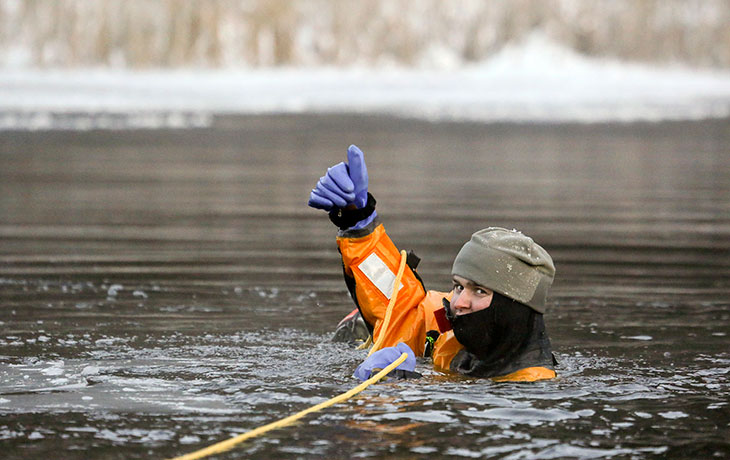
Encountering a storm while camping can be a daunting experience, but thorough preparation significantly reduces risks and enhances safety. Proper planning involves equipping oneself with essential gear, following systematic safety procedures, and ensuring readiness for unpredictable weather conditions. By proactively addressing potential storm scenarios, campers can protect themselves, their gear, and enjoy the outdoors with greater confidence.
Effective storm preparedness hinges on understanding the necessary equipment, implementing organized checklists, and packing appropriately. This comprehensive approach ensures that in the event of sudden weather changes, campers are equipped to respond swiftly and effectively, minimizing hazards such as lightning, high winds, heavy rain, or flooding. The following sections detail critical components of storm readiness for outdoor explorers.
Essential Gear and Equipment Needed to Prepare for a Storm
Equipping oneself with the right gear is fundamental to surviving and managing a storm safely during camping activities. The equipment list focuses on weather-resistant tools, safety devices, and comfort items that can mitigate the impact of severe weather and provide essential support during emergencies.
- Weather-Resistant Shelter: A high-quality, durable tent designed to withstand strong winds and heavy rain, or a portable shelter such as a tarp or bivvy bag that offers quick protection.
- Storm-Resistant Clothing: Waterproof jackets, pants, thermal layers, and sturdy waterproof boots to maintain warmth and dryness.
- Lighting Sources: Waterproof headlamps, lanterns, and extra batteries or power banks to ensure visibility during dark, stormy conditions.
- Emergency Communication Devices: Fully charged mobile phones, portable radios, or satellite phones to receive weather updates and call for help if necessary.
- First Aid Kit: A comprehensive kit equipped to handle injuries, cuts, burns, or other medical emergencies that may occur during a storm.
- Rain Gear and Tarps: Compact, lightweight tarps and rain covers to reinforce existing shelter or create temporary refuge from downpour.
- Navigation Tools: GPS devices, compasses, and detailed maps to prevent disorientation if visibility drops or paths become flooded.
- Extra Food and Water: Sufficient supplies to sustain oneself if access to resources becomes limited due to weather disruption.
- Tools and Accessories: Multi-tools, waterproof matches, fire starters, and duct tape for repairs and emergency fire preparation.
Step-by-Step Checklist for Storm Preparedness in Outdoor Settings
Implementing an organized checklist ensures no critical step is overlooked when preparing for a storm while camping. The following sequence offers a systematic approach to readiness, emphasizing early preparation and ongoing vigilance.
- Monitor Weather Forecasts: Regularly check reliable weather updates before and during the trip to anticipate storm development.
- Secure Shelter: Reinforce tents and shelters, ensuring stakes are driven deep and guy-lines are taut to withstand strong winds.
- Protect Valuables and Important Gear: Store electronics, documents, and sensitive equipment in waterproof containers or bags.
- Plan Emergency Evacuation Routes: Identify safe evacuation points and alternative routes away from flood-prone areas or tall trees.
- Prepare for Lightning: Avoid open fields and tall, isolated trees; ensure shelters are grounded or have lightning protection if available.
- Gather Essential Emergency Supplies: Assemble items like first aid kits, extra clothing, food, water, and communication devices in an accessible location.
- Establish Safety Protocols: Communicate plans with camping companions regarding response actions during the storm.
- Install Rain and Wind Barriers: Use tarps or additional fabric layers to shield the main shelter from wind-driven rain and gusts.
- Stay Informed and Alert: Maintain communication with weather services and keep alert for signs of worsening weather conditions.
Comprehensive Packing List for Storm Survival Situations
Being thoroughly packed with essential items enhances safety and comfort during storm events. Prior to embarking on your outdoor trip, ensure your pack includes the following gear specifically suited for storm survival scenarios:
| Category | Items |
|---|---|
| Clothing | Waterproof jacket and pants, thermal layers, insulated hat, waterproof boots, multiple pairs of moisture-wicking socks, gloves. |
| Shelter and Bedding | Durable tent with stakes, ground tarp, sleeping bag rated for low temperatures, extra blankets, and rain fly. |
| Lighting and Power | Headlamps, LED lanterns, spare batteries, portable power bank, solar chargers. |
| Food and Hydration | Non-perishable, high-energy foods, water bottles, water purification tablets or filters, collapsible water containers. |
| Emergency and Safety | First aid kit, multi-tool, waterproof matches, fire starter, signaling whistle, emergency blanket. |
| Navigation and Communication | GPS device, compass, waterproof map, fully charged mobile devices, satellite phone if available. |
| Extras | Duct tape, repair kits, extra cords, small axe or knife, insect repellent, sunscreen. |
“Preparation is the key to survival in outdoor storms. Equipping oneself with the right gear and a clear plan dramatically increases safety and reduces stress during unpredictable weather conditions.”
Understanding Weather Patterns and Storm Types
Gaining a thorough understanding of weather patterns and the various types of storms that can occur in outdoor environments is essential for ensuring safety during camping trips. Recognizing the characteristics of different storms and monitoring signs of impending severe weather can significantly improve preparedness and response strategies, helping campers avoid dangerous situations and protect themselves, their companions, and their surroundings.
Different storm types vary in their formation, intensity, and potential impact, making it crucial to identify their unique features and understand how they can affect outdoor safety and shelter. Being aware of these distinctions allows campers to make informed decisions about seeking shelter, adjusting plans, or evacuating when necessary, thereby minimizing risk and enhancing overall safety in the wilderness.
Types of Storms Encountered in Outdoor Environments
Outdoor environments expose campers to a range of storm types, each with specific characteristics and potential hazards. Recognizing these types enables timely and appropriate responses to protect oneself and others while in the wilderness.
| Storm Type | Characteristics | Potential Hazards |
|---|---|---|
| Thunderstorms | Rapidly developing storms featuring lightning, thunder, heavy rain, and sometimes hail. They can occur suddenly and are often associated with warm, moist air rising quickly. | Lightning strikes causing fires or injuries, sudden gusts of wind, flash flooding, and hail damage. |
| Hurricanes and Tropical Storms | Large, intense storms originating over warm ocean waters, with sustained high winds, heavy rainfall, and storm surges. Typically affecting coastal regions but can extend inland. | Flooding, high winds causing structural damage, and flying debris, especially near coastlines. |
| Tornadoes | Rotating columns of air with a funnel shape, often spawned by severe thunderstorms. They are highly localized but extremely destructive. | High winds capable of destroying structures, scattering debris, and causing injuries or fatalities. |
| Blizzards | Severe snowstorms with strong sustained winds, reduced visibility, and heavy snowfall. Common in cold climates during winter months. | Hypothermia, frostbite, and transportation disruptions, as well as building damage due to snow accumulation. |
| Dust Storms and Sandstorms | Strong winds lifting dust or sand particles into the air, reducing visibility drastically. Typically occur in arid regions or during drought conditions. | Respiratory issues, disorientation, and reduced visibility leading to accidents. |
Signs of an Impending Storm
Monitoring environmental cues and weather changes is vital for early detection of approaching storms. Recognizing these signs can provide valuable time to seek shelter or make adjustments to camping plans.
Signs such as darkening skies, sudden drops in temperature, increased wind speed, and an unusual change in animal behavior often precede storms, especially thunderstorms and tornadoes.
Specific indicators include the appearance of cumulonimbus clouds—towering, dense, and dark clouds indicating atmospheric instability; a sudden increase in wind speed or a shift in wind direction; and changes in humidity levels, which often rise before storms. Additionally, the sounds of distant thunder or the smell of ozone (a sharp, electrical scent) can hint at nearby lightning activity.
In coastal or tropical areas, rising sea levels, a calm before the storm, or a noticeable change in atmospheric pressure can signal an approaching hurricane or tropical storm. Animal behavior, such as birds ceasing activity or livestock seeking shelter, can also serve as natural warning signs.
Effects of Various Storm Types on Outdoor Safety and Shelter
Each storm type poses unique challenges to safety and shelter integrity, requiring specific precautions to mitigate risks and ensure survival during adverse weather conditions.
- Thunderstorms: Lightning poses immediate danger, necessitating rapid relocation to a substantial shelter. Heavy rain and hail can damage gear and cause muddy, slippery conditions, increasing fall risk.
- Hurricanes and Tropical Storms: High winds and storm surges can lead to structural damage and flooding. Shelters should be sturdy, elevated if possible, and located away from flood-prone areas.
- Tornadoes: The sudden and violent nature of tornadoes demands immediate shelter in an underground or interior room, avoiding windows and exterior walls.
- Blizzards: Heavy snow and wind can cause exposure and frostbite. Proper insulation, windproof shelter, and emergency supplies are critical for survival.
- Dust and Sandstorms: Reduced visibility and respiratory hazards require masks or cloth coverings and seeking refuge in enclosed spaces to avoid inhalation and disorientation.
Understanding these storm effects allows campers to prepare appropriate shelter solutions, such as reinforced tents, emergency bivouacs, or seeking natural shelters like caves or dense tree cover, always considering safety and environmental impact.
Selecting a Safe Campsite in Storm Conditions
Choosing an appropriate campsite during storm warnings is crucial to ensure personal safety and to minimize potential hazards. An optimal campsite minimizes exposure to natural threats such as falling trees, flooding, or unstable ground, thereby reducing the risk of injury or property damage during adverse weather events. Proper site selection also facilitates swift evacuation if conditions worsen rapidly.
During storm conditions, the criteria for selecting a safe campsite should prioritize elevation, shelter proximity, ground stability, and natural barriers. Recognizing potential risks and understanding how to identify safe features can significantly improve survival chances and overall safety in storm-prone environments.
Criteria for Choosing a Safe Campsite in Storm Conditions
Campers must assess multiple factors before setting up their tents or shelters when storms are forecasted. These include avoiding areas prone to flooding, steering clear of tall or weak trees, selecting ground with good drainage, and positioning the camp in a location that offers natural windbreaks. Learning to identify these safe features helps prevent accidents caused by falling debris, flash floods, or shifting ground.
In storm-prone areas, certain sites inherently pose higher risks. Understanding these dangers aids campers in making informed decisions that can greatly enhance safety and comfort during adverse weather.
| Location | Risks | Safe Features | Recommendations |
|---|---|---|---|
| Valley or low-lying areas | Flooding, water accumulation, mudslides | Elevated ground, natural drainage channels | Set up camp on higher ground well above flood level, avoid flat areas near water bodies |
| Under tall or weak trees | Falling branches or trees, debris | Open spaces with sturdy, healthy trees or no trees at all | Choose locations away from trees that show signs of decay or damage, such as dead branches or leaning trunks |
| Steep or unstable slopes | Landslides, ground shifting | Flat, firm ground with minimal inclination | Avoid steep slopes; select level terrain with firm soil that drains well |
| Proximity to natural water sources | Floods, rising water levels | Distance from streams, lakes, and rivers | Maintain a safe distance—ideally at least 200 meters—from water bodies prone to flooding during storms |
To avoid natural hazards such as falling trees or flood-prone areas, campers should conduct thorough site inspections before setting up. Observing the health and stability of nearby trees can prevent accidents caused by falling branches or trees, especially during high winds. Recognizing signs of decay or damage in trees, such as cracks, fungal growth, or dead branches, is vital for safety.
Additionally, identifying natural drainage paths and avoiding flat, low-lying regions susceptible to sudden flooding ensures safety. If rainfall is heavy, it’s advisable to monitor water levels of nearby streams or rivers to prevent unexpected inundations. Planning a campsite with these considerations significantly enhances safety and comfort during storm conditions in the wilderness.
Building Emergency Shelters in Storm Situations
During a storm while camping, the ability to quickly construct an effective shelter can be critical for safety and survival. Whether you are caught unprepared or need to reinforce existing structures, understanding how to utilize available materials and natural features ensures you can protect yourself from high winds, heavy rain, and debris. Proper shelter construction minimizes exposure to the elements and helps maintain body temperature, which is vital in adverse weather conditions.
Building or reinforcing shelters in storm conditions requires knowledge of both quick assembly techniques and the strategic use of terrain features. Employing natural surroundings such as logs, rocks, and terrain contours can significantly enhance shelter stability and protection. The following details provide practical procedures for creating resilient emergency shelters in such challenging circumstances.
Constructing Quick and Effective Shelters Using Available Materials
In storm situations, time is of the essence, and utilizing available materials efficiently can make the difference between safety and exposure. Focus on creating structures that are easy to assemble, lightweight, and resistant to wind and rain. Gather items such as branches, leaves, tarps, or even clothing to aid in shelter construction. The goal is to create a barrier that protects against wind-driven rain and minimizes heat loss.
- Identify a sheltered location, preferably behind natural windbreaks such as dense bushes, fallen logs, or rocky outcroppings to reduce wind impact.
- Use large, sturdy branches or logs to form a frame that can be leaned against natural structures or tied together with cordage or vines found nearby.
- Cover the frame with available materials—tarps, ponchos, or even large leaves and branches—ensuring overlaps to shed water effectively.
- Secure the shelter with rocks or heavy objects to prevent displacement from strong winds, and weigh down the covering material to prevent flapping and water ingress.
Creating a lean-to shelter by leaning branches against a solid terrain feature such as a fallen log or boulder provides quick protection with minimal effort. Draping a tarp or large piece of fabric over the support structure adds an extra layer of waterproofing and wind resistance.
Reinforcing Tents or Temporary Structures Against Strong Winds
Existing tents or temporary shelters can be reinforced to withstand powerful winds and reduce the risk of collapse or damage. Proper reinforcement involves both securing the structure and improving its aerodynamics to minimize wind resistance. Using available materials and terrain features effectively can greatly enhance the durability of your shelter during a storm.
- Ensure tent stakes are firmly anchored into the ground, using rocks or heavy objects if necessary, especially on loose or sandy soil.
- Reinforce tent seams with additional cordage or natural fibers to prevent tearing under stress.
- Use guy lines to stabilize the tent, attaching them to nearby trees, rocks, or securely buried stakes, and adjust tension to keep the tent taut.
- Flatten or lower the tent walls and roof if possible, to reduce wind resistance, and secure loose flaps or rainflies tightly.
In the absence of proper stakes, burying parts of the tent edges in the ground or anchoring them with heavy objects like rocks can provide necessary stability. Positioning the entrance away from prevailing wind directions and creating a windbreak with natural materials can also mitigate wind force.
Creating Natural Shelters with Logs, Rocks, or Terrain Features
Utilizing terrain features and natural materials can provide immediate and reliable shelter options, especially when resources are limited. Carefully selecting and modifying these features can create sturdy, wind-resistant shelters that offer protection from the elements.
“Natural terrain features such as overhangs, caves, or large rock formations can serve as effective shelters, shielding campers from wind and rain.”
When constructing a natural shelter, consider the following:
- Seek out overhangs, caves, or dense clusters of trees that can block wind and rain from multiple directions.
- Use logs and fallen branches to build a barrier against wind, creating a wall or windbreak that utilizes terrain contours for added stability.
- Arrange rocks and boulders to form a protective enclosure; stacking them carefully ensures stability and enhances wind resistance.
- Leverage the terrain to reduce exposure—lying in depressions or behind natural ridges can significantly decrease wind impact.
In situations where digging is feasible, creating a shallow trench or pit can provide additional protection from rain and wind-driven debris. Covering natural shelters with additional materials such as leaves or bark can improve water resistance and insulation, making these options more comfortable and secure during storms.
Storm Safety Protocols and Procedures
Encountering an unexpected storm during a camping trip can be a daunting experience, but having a clear set of safety protocols can significantly reduce risks and ensure the safety of all campers. Immediate and organized actions are vital to minimizing potential injuries, protecting gear, and maintaining calm in turbulent conditions.
Implementing well-defined procedures during a storm not only safeguards individuals but also prevents chaos that could lead to accidents or loss of essential equipment. Understanding the specific steps to take when a storm strikes unexpectedly can make the difference between a safe retreat and a hazardous situation.
Actions to Take When a Storm Begins Unexpectedly During Camping
During a sudden storm, quick assessment and decisive action are crucial. As soon as ominous clouds gather or thunder is heard, campers should move promptly to designated safe zones and secure themselves against adverse weather conditions. Recognizing the signs of an approaching storm and responding swiftly can mitigate exposure to danger.
Campers must remain alert to weather alerts or warnings issued via weather radio or mobile devices, as these can provide critical updates. When a storm is imminent, staying calm and organized ensures safer and more effective responses. Rapidly gathering belongings, securing loose items, and moving to safer locations are essential steps to take immediately.
In the event of lightning, seeking shelter inside a sturdy structure or vehicle is paramount. If no shelter is available, minimizing contact with conductive surfaces and avoiding open fields reduces the risk of lightning strikes. In situations where flooding is possible, abandoning tents or low-lying areas and moving to higher ground is advised.
Step-by-Step Safety Procedures to Minimize Risk and Injury
Following a systematic approach during a storm ensures safety and prevents panic. The Artikeld procedures serve as a reliable guide for campers facing unexpected weather extremes:
- Stay Informed: Continuously monitor weather updates through reliable sources such as weather radios or mobile apps. Recognize escalating storm signs and prepare to act.
- Seek Immediate Shelter: Find the closest sturdy shelter—preferably a designated storm shelter or a substantial structure such as a vehicle or a solid building. Avoid tents and open areas.
- Secure Personal Items: Quickly pack or secure loose gear, lanterns, and other equipment to prevent them from becoming dangerous projectiles or hazards.
- Protect Yourself: If caught outside with no shelter, squat low, avoid trees or tall objects, and stay clear of water sources that can conduct electricity.
- Limit Exposure: Minimize time outside in open areas. If indoors, stay away from windows and exterior walls that could shatter or be compromised by the storm.
- Prepare Emergency Supplies: Ensure flashlights, first aid kits, and emergency blankets are accessible. Keep communication devices charged and within reach.
Adhering to these steps, complemented by calm and deliberate actions, helps to create a safer environment during unexpected storm events. Proper planning and swift execution can prevent injuries and reduce damage to personal property.
Methods for Securing Gear, Tents, and Personal Safety Measures
Properly securing camping gear and tents before and during a storm is essential to prevent accidents and facilitate quick evacuation if necessary. Securing items reduces the risk of projectiles that could injure individuals or cause damage to other equipment.
To guarantee safety, campers should employ specific techniques for securing tents, such as reinforced stakes and guy lines, especially when anticipating adverse weather. Using heavy-duty, weather-resistant materials can improve the resilience of shelters against strong winds and rain.
In addition to securing shelters, personal safety measures include wearing appropriate rain gear, insulating clothing, and waterproof footwear to prevent hypothermia and other weather-related health issues. Maintaining clear communication among group members ensures coordinated responses and quick relocation if circumstances worsen.
During a storm, it’s advisable to keep valuable and essential items in waterproof containers or bags to prevent water damage. Additionally, establishing a designated safety zone within the campsite, away from potential hazards like falling branches or unstable structures, enhances overall safety and provides a clear rally point in case of an emergency.
Managing Water and Food Supplies During Storms
Effective management of water and food resources during a storm is crucial to ensure safety, maintain health, and sustain energy levels while camping in adverse weather conditions. Proper strategies for conserving, protecting, and sourcing essential supplies can make the difference between a manageable situation and a life-threatening emergency.
Storms can compromise access to fresh water and food sources, making it vital for campers to adopt prudent measures for preservation and collection. Ensuring a reliable supply of clean water and non-perishable foods can significantly enhance safety and comfort during prolonged storm events.
Strategies for Conserving and Protecting Water and Food Supplies
Conservation begins with mindful usage of resources. Limiting water consumption by avoiding unnecessary washing or rinsing, and using water efficiently, helps conserve supplies. Food preservation involves minimizing waste and prioritizing nutrient-dense, long-lasting items that require minimal preparation.
Protection of supplies against weather damage is equally important. Keeping food and water containers sealed and stored in waterproof, insulated containers prevents contamination and spoilage. Elevating supplies off the ground reduces exposure to water ingress during heavy rains or flooding. Additionally, organizing supplies in easily accessible locations ensures quick retrieval during emergencies.
- Minimize water usage by limiting washing and rinsing activities.
- Store food and water in waterproof, airtight containers.
- Elevate supplies to prevent water damage from flooding or rain runoff.
- Label and organize supplies for easy access in urgent situations.
Methods for Collecting Rainwater Safely
Rainwater collection can serve as a vital supplementary water source when natural sources are contaminated or unavailable. Proper collection and purification processes are essential to prevent waterborne illnesses.
Using clean, food-grade containers or specially designed rainwater harvesting systems ensures water remains uncontaminated. Positioning collection surfaces, such as tarps or catchment areas, away from debris and animal activity reduces the risk of pollution. After collection, rainwater should be filtered and purified before consumption.
- Set up a clean catchment surface such as a tarp or roof designed for rainwater harvesting.
- Direct rainwater into food-grade containers, ensuring they are free from contaminants.
- Filter collected water through a fine mesh or cloth to remove debris.
- Purify the water using boiling, chemical disinfectants, or portable water filters before drinking.
“Always treat rainwater as potentially contaminated unless properly filtered and disinfected before use.”
Emergency Food Preservation and Storage
Maintaining a stock of preserved and well-stored food supplies enhances resilience during storm conditions. Proper storage methods prolong shelf life, prevent spoilage, and safeguard against pests and moisture.
| Item | Storage Method | Duration | Tips |
|---|---|---|---|
| Canned Goods | In a cool, dark, and dry place | Up to 5 years | Check for dents or leaks regularly; rotate stock annually |
| Dehydrated Foods | In airtight, moisture-proof containers | 6 months to 1 year | Store in a cool, dry environment; repackage if necessary to prevent moisture ingress |
| Freeze-Dried Meals | In vacuum-sealed pouches or containers | Up to 25 years | Keep away from direct sunlight; check packaging integrity periodically |
| Energy Bars and Snacks | In sealed, airtight packaging | 6 months to 1 year | Store in a cool place; avoid exposure to excessive heat |
| Grains and Legumes | In airtight containers with desiccants | 1-2 years | Keep in a cool, dry location; consider adding natural pest repellents like bay leaves |
First Aid and Emergency Communication
Effective response during a stormy camping situation involves not only safeguarding oneself from immediate dangers but also ensuring that help can be reached promptly. Being prepared with essential first aid techniques tailored to storm-related injuries and establishing reliable communication channels can significantly improve safety outcomes. In emergency scenarios where electronic devices may fail or are unavailable, knowing alternative signaling methods and visual cues becomes crucial for attracting rescue assistance.Understanding how to administer basic first aid for injuries caused by storms—such as cuts, bruises, hypothermia, or blunt force trauma—can prevent complications and stabilize individuals until professional help arrives.
Additionally, establishing effective communication methods without relying on modern technology ensures that campers can alert emergency services even in remote or signal-deprived environments. Recognizing visual signals, signs, or distress signals that draw attention in storm conditions can expedite rescue efforts and potentially save lives by making one’s location known to rescuers or nearby campers.
First Aid Techniques Specific to Storm-Related Injuries
Storms pose unique hazards that can result in various injuries requiring immediate attention. Proper knowledge and application of first aid in these contexts are vital for safety and survival.
Common storm-related injuries include:
- Hypothermia due to prolonged exposure to cold and wet conditions.
- Frostbite in extremities caused by exposure to freezing temperatures.
- Blunt force injuries from falling debris or collapsing shelters.
- Wounds from sharp objects displaced during high winds or lightning strikes.
- Electrical burns or shocks if lightning strikes nearby or equipment is affected.
Key first aid techniques include:
- Addressing Hypothermia: Gently rewarm the individual using insulated blankets, dry clothing, and body heat conservation methods. Avoid rapid warming, which can cause shock.
- Treating Wounds: Apply sterile dressings to cuts and abrasions to prevent infection. Control bleeding with direct pressure and elevation if possible.
- Handling Frostbite: Rewarm affected areas gradually using body heat or warm (not hot) water. Do not rub frostbitten areas, as this can cause further tissue damage.
- Managing Blunt Trauma: Immobilize any suspected fractures or injuries to prevent further harm. Monitor for signs of shock, such as pale skin, weakness, or confusion.
- Electrical Injuries: Ensure the source of electricity is disconnected if safe to do so before assisting. Seek immediate medical attention for burns or shocks.
“Always prioritize scene safety and avoid additional hazards when administering first aid in storm conditions.”
Methods to Establish Communication with Emergency Services Without Electronic Devices
In storm scenarios where cell phones or radios may not work due to power outages or signal disruption, alternative communication strategies are essential for summoning help.
Effective non-electronic communication techniques include:
- Using Visual Signals: Creating large, visible symbols or signals on the ground—such as SOS or HELP spelled out with rocks, logs, or brightly colored clothing—that can be seen from the air or from a distance.
- Employing Signal Mirrors: Using reflective surfaces to direct sunlight toward rescue aircraft or distant observers can draw attention over long distances.
- Firing Signal Flares or Smoke: When available, signal flares or smoke signals can be highly visible, especially against stormy backgrounds, alerting rescuers to your location.
- Utilizing Signal Flags or Bright Clothing: Positioning brightly colored items on high points or conspicuous locations increases visibility for aerial or ground rescue teams.
- Using Flashlights or Headlamps: During low-light conditions, focused flashes—or even Morse code patterns—can convey distress signals when visibility is limited.
Remember, establishing clear and consistent signals enhances chances of rescue, especially in adverse weather conditions that hinder verbal communication or electronic connectivity.
“Pre-planning signal methods and practicing their use can make the difference between rescue and prolonged distress during stormy camping experiences.”
Post-Storm Recovery and Safety Checks

After a storm has passed, ensuring the safety of your campsite and assessing potential hazards are critical steps for a safe recovery. Proper post-storm procedures help prevent injuries, avoid further damage, and determine whether it is safe to continue your camping activities or leave the site altogether. Conducting thorough safety evaluations and preparing for a safe departure are essential components of responsible storm management during outdoor adventures.Effective post-storm safety checks involve systematically inspecting the entire campsite for immediate dangers, such as fallen trees, weakened structures, and unstable terrain.
These assessments are vital to prevent accidents and to identify any hazards that might have been caused or exacerbated by the storm. Taking swift and careful action ensures that you can assess the environment accurately and make informed decisions regarding your safety and next steps.
Assessing Campsite Safety After a Storm
Understanding the extent of storm impact involves a comprehensive evaluation of the area to identify potential hazards that could pose risks to campers or hinder safe evacuation. The following steps provide guidance on assessing your surroundings effectively:
- Survey the entire campsite for fallen or damaged trees, especially near tents, pathways, and high-traffic areas. Be cautious of partially uprooted trees or branches that may fall unexpectedly.
- Inspect tents, tarps, and other structures for tears, compromised supports, or dislodged components, which could affect their stability or safety when used again.
- Examine the terrain for signs of erosion, mudslides, or flooding, which might compromise footing or lead to dangerous conditions if you choose to stay or leave.
- Check for downed power lines or electrical hazards if the storm involved electrical infrastructure or nearby utility lines. Never touch or approach fallen wires.
- Assess water sources for contamination or overflow that could pose health risks or hinder water collection efforts.
Inspecting Trees, Structures, and Surroundings for Hazards
A detailed inspection of environmental features and structures helps identify specific dangers that may not be immediately obvious. This process minimizes the risk of injury and informs decisions about safe exit routes or necessary repairs.
Start by visually examining trees for cracks, splits, or root instability. Trees with visible damage are more likely to fall, especially during aftershocks or wind gusts. Use binoculars if necessary to assess higher branches or canopy sections. For structures, focus on tents, shelters, and any makeshift constructions, ensuring that supports are intact and surfaces are secure. Damage to stakes, ropes, or poles can create collapses or cause debris to fall.
Survey the surrounding area for loose rocks, unstable ground, or debris that could shift or slide. Clear pathways of large or sharp objects to prevent trips and falls. Pay particular attention to drainage channels or low-lying areas prone to flooding, which may have rapidly changed during the storm. If you identify hazardous conditions that cannot be safely addressed on-site, consider relocating to a safer area.
Safe Packing Up and Leaving the Site
When circumstances indicate that remaining at the campsite is unsafe—due to ongoing weather threats, structural hazards, or environmental instability—it becomes necessary to evacuate promptly and safely.
- Gather emergency supplies, including first aid kits, water, food, and communication devices, ensuring these are ready for quick transport.
- Carefully dismantle tents and shelters, avoiding heavy or unstable structures that could collapse or cause injury. Pack materials systematically to prevent loose debris during transit.
- Secure all belongings and ensure that nothing hazardous, such as broken glass or sharp objects, is left behind or exposed during packing.
- Identify and plan an evacuation route that avoids the most unstable areas, such as downed trees or flooded paths. Use maps or GPS devices if available.
- If safe, proceed to leave the campsite in a calm and controlled manner, maintaining communication with fellow campers or authorities if possible.
Remember, safety comes first. If conditions are still uncertain or hazardous, it is prudent to delay packing up until the environment is confirmed to be stable or assistance has arrived.
Closing Summary

In conclusion, surviving a storm during camping requires a combination of foresight, quick action, and proper safety measures. By following these guidelines, you can minimize risks and enjoy your outdoor adventures even in unpredictable weather. Being well-informed and prepared ensures that storms do not turn your trip into a dangerous ordeal but remain a manageable challenge.