Learning how to pack cooking gear for camping is essential to ensure an enjoyable and hassle-free outdoor culinary experience. Proper organization and selection of lightweight, durable equipment can significantly enhance your camping adventure, allowing you to cook delicious meals without the burden of excess gear.
In this guide, we will explore effective strategies for packing your camping cooking equipment, including choosing the right tools, maximizing space, maintaining safety, and utilizing versatile, multi-functional gear to make your outdoor cooking both efficient and enjoyable.
Essential Cooking Gear for Camping

Camping adventures often require careful planning and packing to ensure a smooth and enjoyable experience. Among the most important aspects is having the right cooking gear, which enables you to prepare meals efficiently and safely amidst the outdoor environment. Properly selected and packed cooking equipment can significantly enhance your camping experience, making it more comfortable and enjoyable regardless of the location or duration of your trip.When selecting cooking gear for camping, it is crucial to consider durability, weight, ease of use, and the variety of cooking options available.
Lightweight and space-saving tools are especially valuable for backpackers, while car campers might prioritize more comprehensive setups. The right gear not only facilitates meal preparation but also contributes to safety and hygiene during outdoor cooking.
Must-Have Cooking Tools and Equipment for Camping Trips
A well-rounded camping kitchen includes essential tools that cover all basic cooking and food preparation needs. These items are fundamental for creating nutritious and satisfying meals while on the trail or at the campsite. The following are the core equipment pieces every camper should consider:
- Portable Stove: A reliable heat source, whether fueled by propane, butane, or liquid fuel, suitable for outdoor use.
- Cookware Set: Durable pots, pans, and lids designed for outdoor environments, ideally lightweight and easy to clean.
- Utensils: A set of versatile utensils including spatulas, spoons, tongs, and a can opener, crafted from rust-resistant materials.
- Cutlery and Cutting Board: Compact knives and a lightweight cutting surface for meal prep.
- Food Storage Containers: Airtight containers or resealable bags to keep ingredients fresh and prevent wildlife intrusion.
- Cleaning Supplies: Biodegradable soap, scrubbers, and a sponge for maintaining hygiene and equipment longevity.
- Fire-Starting Equipment: Waterproof matches, lighters, or fire starters for safe ignition.
Comparison of Camping Stoves, Cookware, and Utensils
Selecting the right cooking equipment involves understanding the features, weight, and costs associated with different options. The following table provides an overview of popular camping stoves, cookware sets, and utensils to assist in making informed decisions:
| Product Type | Features | Weight | Price Range (USD) |
|---|---|---|---|
| Camping Stove | Compact, fuel-efficient, adjustable flame, easy to operate | 1.5 – 3 lbs | $30 – $120 |
| Portable Cookware Set | Non-stick surface, lightweight aluminum or titanium, nesting design | 1 – 2 lbs | $25 – $80 |
| Utensil Set | Includes spatula, spoon, ladle, tongs; made from stainless steel or silicone | 0.5 – 1 lb | $10 – $40 |
Portable Cookware Sets for Space-Saving and Durability
Effective camping cookware sets are designed to maximize space efficiency without compromising durability. These sets typically feature multiple pots, pans, and lids that nest within each other, reducing storage space and minimizing weight. Materials such as lightweight aluminum, titanium, or hard-anodized aluminum are favored for their robustness and heat conduction properties.A popular choice among backpackers is a compact 3- or 4-piece nesting set, which includes a small pot, a frying pan, a lid, and a handle.
Such sets are often foldable or have removable handles for further space savings. Their sturdy construction ensures they withstand the rigors of outdoor use and frequent transportation, while non-stick coatings make cleaning easier and cooking more efficient. These sets are ideal for preparing a variety of meals, from boiling water for coffee to frying eggs, making them indispensable for outdoor chefs seeking practicality and longevity.
Packing Strategies for Camping Cooking Gear

Efficiently organizing and packing your camping cooking gear is essential to ensure a smooth outdoor culinary experience. Proper strategies help maximize limited space, facilitate quick access to essential items, and protect your equipment during transit. Implementing systematic packing methods can also prevent damage and make unpacking at your campsite more convenient.
Adopting effective packing techniques involves careful planning, selecting appropriate storage solutions, and understanding the best ways to distribute weight evenly. These practices contribute to safer transportation, reduced risk of breakage, and overall convenience, especially when navigating uneven terrains or carrying gear over long distances.
Step-by-Step Guide for Packing a Camping Kitchen
Creating a well-organized camping kitchen requires a methodical approach that ensures all necessary items are secure, accessible, and properly protected. The following steps Artikel an efficient packing procedure:
- Gather all cooking gear and accessories: Lay out pots, pans, utensils, cleaning supplies, and consumables to assess what needs to be packed.
- Sort items into categories: Group similar items together, such as cookware, utensils, spices, and cleaning supplies, to streamline packing and unpacking.
- Select suitable storage containers: Use durable, stackable plastic bins or waterproof storage boxes for larger items like pots and pans. Smaller items like utensils and spices should go into smaller containers or zip-top bags.
- Wrap fragile items: Protect delicate equipment such as glass lids or ceramic utensils with soft cloths, foam padding, or bubble wrap. Secure these to prevent movement and breakage.
- Organize within containers: Place heavier items at the bottom and lighter, fragile items on top. Use dividers or separators inside containers to prevent shifting during transport.
- Pack in a logical sequence: Start with the largest or heaviest items at the bottom of your backpack or duffel, gradually layering lighter and more frequently used items toward the top or in accessible compartments.
- Secure all closures: Make sure lids, zippers, and straps are closed tightly to avoid spillage or loss during transit.
Tips for Balancing Weight and Protecting Gear During Transit
Proper weight distribution and safeguarding your equipment are crucial for safety and convenience when camping. The following tips help achieve these objectives:
- Distribute weight evenly: Position heavier items close to your back or center of the pack’s core to maintain balance and reduce strain during carrying.
- Use padding and protective wraps: Wrap fragile items with soft materials and fill empty spaces with clothing or foam padding to absorb shocks and prevent movement.
- Prioritize accessibility: Pack frequently used items near the top or in external compartments for quick retrieval without unpacking everything.
- Secure loose items: Use straps, bungee cords, or internal compartments to prevent gear from shifting or falling out during movement.
- Label containers: Clearly mark storage bins and bags with labels for easy identification, saving time and reducing handling errors.
- Test the pack’s stability: Before leaving, carry or lift your pack to ensure overall balance and adjust as needed for comfort and safety.
Selecting Compact and Lightweight Cooking Equipment
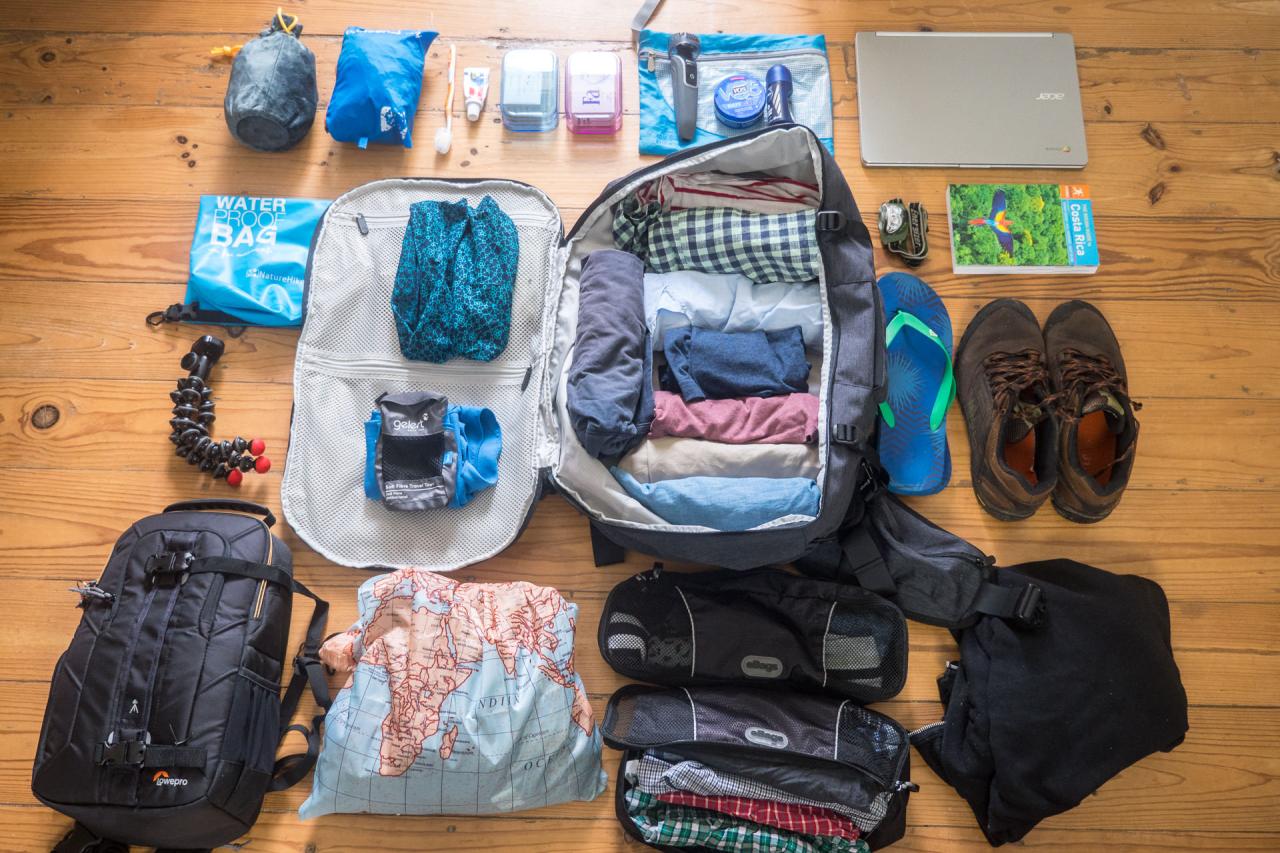
Choosing the appropriate camping cookware and utensils is essential for efficient packing and enjoyable outdoor cooking experiences. Prioritizing lightweight and compact options helps reduce overall pack weight, increases portability, and ensures the gear fits comfortably into limited space within your backpack or camping setup.
When selecting camping cooking equipment, it is important to evaluate factors such as weight, size, durability, versatility, and ease of cleaning. The goal is to find gear that performs well in the wilderness while remaining as unobtrusive as possible. This involves opting for multi-use tools, foldable designs, and stackable components that maximize utility without adding unnecessary bulk.
Criteria for Choosing Lightweight and Compact Camping Cookware and Utensils
Effective selection relies on several important criteria:
- Weight: Gear should be as light as possible to minimize fatigue during hikes. Materials like titanium, aluminum, and high-quality stainless steel are popular for their strength-to-weight ratio.
- Size and Packability: Items should be compact when packed, ideally nesting or stacking together to save space. Foldable or collapsible designs are highly advantageous.
- Durability: Despite being lightweight, the equipment must withstand outdoor conditions such as impact, moisture, and temperature fluctuations.
- Functionality: Multi-use gear reduces the number of items needed, such as a pot that doubles as a bowl or utensils with multiple functions.
- Ease of Cleaning: Smooth surfaces and minimal crevices facilitate quick cleaning, essential in wilderness settings.
Examples of Space-Saving Cooking Gear
Several innovative and practical gear options are designed specifically for efficient camping cooking setups:
- Foldable Tools: Collapsible spatulas, tongs, and knives that fold into compact sizes when not in use, often made from lightweight aluminum or silicone.
- Stackable Pots and Pans: Sets that nest within each other, typically made from aluminum or titanium, with foldable handles to save space.
- Multi-Use Utensils: Tools combining functions such as a spoon and fork, or spatula with a bottle opener, reducing the number of separate items needed.
- Lightweight Storage Containers: Silicone or lightweight plastic containers that collapse flat when empty, ideal for storing leftovers or ingredients.
Comparison of Compact Cooking Gear Options
| Gear Type | Weight (grams) | Size (Packed Dimensions) | Functionality |
|---|---|---|---|
| Titanium Folding Pot | 150 | 10 x 10 x 8 cm | Nests with lid, lightweight, durable, ideal for boiling and simmering |
| Aluminum Stackable Cookware Set | 300 (set) | 12 x 12 x 7 cm | Multiple pots and pans that stack, with foldable handles, suitable for various cooking needs |
| Multi-Use Utensil (Spatula & Spoon) | 50 | 15 x 4 x 2 cm | Combines two tools into one, reduces clutter, made from heat-resistant silicone |
| Silicone Collapsible Container | 30 | Flat 2 x 15 cm when collapsed | Storage of leftovers or ingredients, collapses flat, lightweight plastic construction |
By carefully considering these criteria and selecting gear that balances weight, size, and functionality, campers can optimize their packing strategy, ensuring efficient use of space and ease of transportation during outdoor adventures.
Packing Safety and Maintenance Tips
Ensuring the safety and longevity of your camping cooking gear is essential for a successful outdoor culinary experience. Proper precautions during packing, handling, and maintenance help prevent accidents, equipment damage, and hygiene issues that could compromise your trip. By following these practices, you can enjoy reliable performance from your gear and maintain its condition over multiple camping adventures.Maintaining your cookware and utensils through appropriate cleaning, drying, and storage routines not only prolongs their usability but also ensures safety and hygiene standards are upheld.
Thoughtful organization of your gear further minimizes risks of cross-contamination, accidental spills, or damage during travel. Implementing these safety and maintenance tips is a vital aspect of responsible camping and efficient packing.
Precautions to Prevent Leaks, Spills, and Damage During Travel
Proper packing techniques are crucial to avoid leaks, spills, and equipment damage when transporting your camping cooking gear. It is important to secure all containers and cookware to prevent movement that could cause cracks or dents. Use protective padding such as foam sleeves, dish towels, or soft cloths around fragile items like pots and glassware to cushion against shocks.Ensure that lids are tightly sealed on containers and cookware to avoid accidental leaks.
When packing liquid ingredients or cleaning solutions, double-check that caps are secure and consider placing these items in sealed plastic bags or leak-proof containers. Additionally, place heavier items at the bottom of your pack, and lighter, more delicate gear on top, to distribute weight evenly and reduce the risk of damage.
Cleaning, Drying, and Storing Camping Cookware
Proper maintenance of your camping cookware involves thorough cleaning after each use to prevent food residue and bacterial buildup, which can compromise hygiene and affect taste. Use biodegradable soap and warm water, and scrub all surfaces with a non-abrasive sponge or brush. For stubborn stains or burnt-on food, soak cookware in hot water with a gentle cleaning agent before scrubbing.Dry all items completely before storing to prevent rust and corrosion, especially for metal cookware.
Air drying in a well-ventilated area or wiping with a clean cloth is recommended. Store cookware in a dry, cool location, ideally in protective cases or with individual compartments to prevent scratching and damage. Consider stacking items with soft cloths or padding in between to avoid surface wear.
Organizing Gear to Avoid Cross-Contamination and Ensure Hygiene
Effective organization of your cooking gear not only makes packing easier but also maintains hygiene standards during your camping trip. Keep raw ingredients, like meats and seafood, separate from cooked foods and utensils used for preparation. Use dedicated containers or bags for raw items to prevent cross-contamination.Designate specific zones within your pack for different categories of gear—such as cookware, utensils, cleaning supplies, and food storage—to streamline access and reduce the risk of mixing contaminated items.
Include cleaning cloths, sanitizing wipes, or portable disinfectants to maintain hygiene throughout your trip. Regularly inspect your gear during stops to ensure cleanliness and address any issues immediately, ensuring your camp kitchen remains safe and hygienic.
Innovative and Multi-Functional Camping Cooking Equipment
In the realm of camping, efficient use of space and weight is crucial. Multi-functional cooking equipment offers a strategic advantage by combining several functions into a single device, reducing the overall gear load and simplifying meal preparation. These innovative tools maximize utility while maintaining portability, making them an essential component of any well-prepared camping kit.
Adopting versatile and adaptable cooking devices not only enhances convenience but also promotes sustainability by minimizing the need for multiple separate items. This approach allows campers to enjoy a broader range of cooking options without compromising on space or weight constraints, ultimately improving the overall outdoor culinary experience.
Examples of Versatile Cookware
Campers can significantly benefit from using cookware designed to serve multiple purposes. These items often combine the functions of cooking, serving, and storing, making them highly practical for outdoor adventures. Examples include pans that double as plates or lids, pots with built-in straining features, and nesting sets that optimize storage efficiency.
| Multi-Functional Gear | Features | Space Efficiency | Practicality |
|---|---|---|---|
| Nesting Cookware Set | Multiple pots and pans that stack within each other; some include lids that double as serving trays | Maximizes storage with minimal space; ideal for compact backpacks | Allows cooking multiple dishes sequentially; reduces clutter and weight |
| Combo Stove & Griddle | Portable stove with an attached griddle surface that can also serve as a lid or pan | Consolidates cooking devices into one; reduces gear load | Suitable for diverse cooking styles, from frying to boiling |
| Multi-Use Silicone Pot | Flexible silicone material that can be folded, used as a bowl or funnel, and offers thermal insulation | Lightweight and collapsible; fits into small spaces | Versatile for cooking, serving, and storage; durable and easy to clean |
| Convertible Camping Pan | Pan that can serve as a pot or a plate with removable handles and lids | Single item replaces multiple utensils, saving space | Provides cooking, serving, and eating functions in one device |
Implementing multi-functional equipment improves efficiency, reduces the number of items carried, and enhances the camping culinary experience. These versatile tools are especially valuable in remote environments where every ounce of weight matters, and adaptability is key to preparing a variety of meals with limited resources.
Ultimate Conclusion
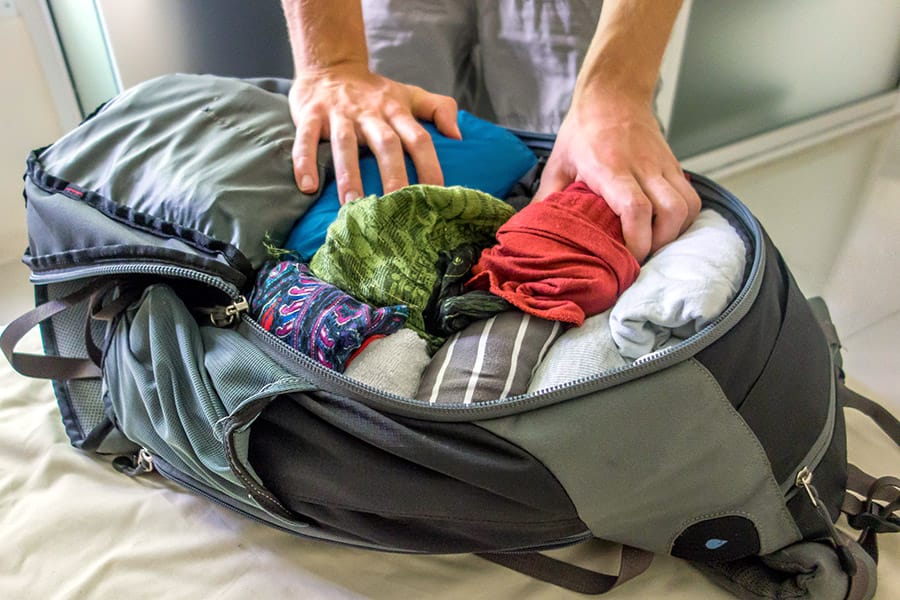
Mastering the art of packing your camping cooking gear ensures a smooth and safe outdoor cooking experience. By carefully selecting, organizing, and maintaining your equipment, you can enjoy delicious meals and focus on creating memorable camping moments. Remember, thoughtful preparation is the key to a successful camping trip.