Discover effective strategies to ensure a restful night’s sleep for the entire family during camping adventures. Creating a comfortable sleeping environment outdoors can be both enjoyable and achievable with proper planning and preparation.
This guide covers essential gear, campsite selection, bedtime routines, sleeping arrangements, and safety tips to help families enjoy peaceful nights under the stars with kids.
Essential Camping Gear for Comfortable Sleep with Kids
Ensuring a restful night’s sleep while camping with children requires careful selection of appropriate gear. The right equipment not only enhances comfort but also promotes safety and convenience for the entire family. Investing in quality camping gear tailored for children’s needs can significantly improve the outdoor sleeping experience, making camping trips more enjoyable and less stressful.
This section highlights the must-have camping equipment that supports comfortable sleep for both kids and adults. From sleeping bags to mats and pillows, understanding the options available and their features helps in making informed choices tailored to your family’s needs and the specific camping environment.
Key Camping Gear for Enhanced Sleep Comfort
Comfortable sleeping arrangements depend on selecting suitable gear that provides warmth, support, and ease of use. The following essential items are crucial for creating a cozy and safe sleeping environment for children while camping:
| Gear Item | Description | Features | Size Options | Price Range (USD) |
|---|---|---|---|---|
| Sleeping Bags | Designed to keep campers warm and comfortable during the night, sleeping bags are available specifically for children with size and insulation tailored to their needs. | Insulation type (synthetic or down), temperature rating, shape (mummy or rectangular), weight | Child sizes typically range from 45” to 60” in length; adult sizes vary accordingly | $30 – $150 |
| Sleeping Mats | Provide a cushioned surface that insulates from the ground, enhancing comfort and warmth. | Material (foam, self-inflating, inflatable), thickness, portability | Various sizes; for children, mats are often 1-2 inches thick with dimensions around 24” x 72” | $20 – $80 |
| Pillows | Support for head and neck, improving sleep quality. Special camping pillows for kids are lightweight and compact. | Type (inflatable, foam, packable), size, washable cover | Small-sized pillows, approximately 12” x 16” for children | $10 – $40 |
| Tent with Ventilation | A well-ventilated tent ensures fresh air circulation, reducing condensation and maintaining a comfortable sleeping environment. | Number of doors/windows, mesh panels, rainfly | Varies by family size; typically 4-6 person tents suitable for kids | $100 – $300 |
When selecting sleeping bags, consider the temperature rating to match the climate of your camping destination. For children, opting for a sleeping bag with a lower temperature rating than expected ensures warmth and comfort throughout the night. Additionally, choosing mats with adequate thickness and insulating properties helps prevent cold from seeping through to the ground, especially on uneven or damp terrain.
“Prioritize gear that balances comfort, safety, and convenience, ensuring your kids stay cozy and well-supported during outdoor adventures.”
Overall, investing in quality, appropriately sized sleeping gear tailored for children’s needs significantly enhances the camping experience. Focus on durability, ease of transport, and comfort features to make your family camping trips memorable and restful.
Choosing the ideal campsite for family sleep comfort
Ensuring a restful night’s sleep during a camping trip with children begins with selecting the right campsite. A well-chosen location can significantly enhance safety, stability, and overall sleep quality for the entire family. By evaluating various aspects of the site beforehand, parents can create a secure and comfortable environment that promotes relaxation and peace of mind throughout the night.A thoughtful selection process involves assessing safety features, ground conditions, noise levels, and proximity to essential amenities.
This proactive approach helps prevent common campsite issues such as instability, disturbances, or inconvenient distances to facilities, ultimately contributing to a more enjoyable outdoor experience for both parents and children.
Evaluating Safety, Ground Stability, and Noise Levels
When selecting a campsite, it is crucial to prioritize safety, ground stability, and noise considerations. These factors directly influence sleep quality and overall comfort during your outdoor stay. Conducting a thorough evaluation ensures that the chosen site aligns with the needs of your family and minimizes potential disruptions or hazards.Safety considerations include inspecting the surroundings for natural hazards such as steep slopes, dead trees, or potential flood zones.
Ground stability involves examining the firmness and flatness of the terrain to ensure that tents can be pitched securely without risk of sinking or tilting. Noise levels are also important; selecting a site away from busy trails, roads, or communal areas helps maintain a peaceful environment conducive to restful sleep.
Checklist for Selecting a Family-Friendly Campsite
Choosing the right campsite involves examining specific features that promote safety, comfort, and convenience. Below is a checklist of key features to consider when evaluating potential sites:
| Feature | Importance | Notes |
|---|---|---|
| Flat, firm ground | Ensures stable tent setup and comfortable sleeping surface | Avoid areas with loose soil or uneven terrain |
| Natural shelter or windbreaks | Provides protection from wind and weather elements | Look for trees or shrubs that do not pose falling risks |
| Proximity to water source | Convenient for drinking, cooking, and cleaning | Ensure water source is safe and not prone to flooding |
| Distance from noise sources | Maintains a peaceful environment for restful sleep | Avoid sites near roads, trails, or communal areas |
| Safety from wildlife and natural hazards | Protects children and belongings | Check for signs of animal activity or unstable trees |
| Accessibility to bathrooms or sanitation facilities | Enhances convenience and hygiene | Prefer sites within a short walk to facilities if available |
Proximity to Amenities for Convenience and Comfort
Access to nearby amenities such as bathrooms, water sources, and waste disposal points plays a vital role in family camping. Being close to these facilities reduces the hassle of long walks, especially with young children or in adverse weather conditions, thus contributing to a more relaxed experience.However, it is equally important to balance proximity with privacy and noise considerations. An ideal campsite offers convenient access to essential amenities without being so close that the noise or activity levels disturb sleep.
For example, a site situated within a reasonable distance from communal bathrooms, yet shielded by natural barriers like trees or bushes, provides both convenience and tranquility. Making these strategic choices enhances overall comfort, minimizes disruptions, and allows families to focus on enjoying their outdoor adventure while ensuring restful nights for everyone.
Preparing Children Mentally and Physically for a Comfortable Night
Ensuring children feel secure and relaxed during camping nights is essential for a restful sleep experience. Proper preparation helps minimize anxiety and promotes a sense of familiarity despite being in an unfamiliar environment. It involves both mental reassurance and physical readiness, creating an atmosphere where children can comfortably transition from daytime activities to nighttime rest.Creating a calming environment and providing reassurance are key components to help children adapt to the camping setting.
When children understand what to expect and feel safe, bedtime becomes a positive routine rather than a source of distress. This preparation not only fosters better sleep but also enhances the overall camping experience, making it enjoyable for the entire family.
Explaining Camping Routines to Reduce Bedtime Anxiety
Children often experience bedtime anxiety due to unfamiliar surroundings and disrupted routines. Communicating clearly about what to expect during camping nights can alleviate fears and foster a sense of security. Use simple language and positive reinforcement to explain the camping environment, including sleeping arrangements, nighttime activities, and safety measures.Engage children in discussions about the activities planned for the evening or the following day, giving them a sense of control and anticipation.
Sharing stories about previous camping adventures can also build excitement and familiarity, easing worries about the unknown. Visual aids or storytelling can help children visualize the routine, making each step feel predictable and manageable.
Establishing a Bedtime Routine that Mimics Home Comfort
A familiar bedtime routine is crucial in helping children transition smoothly from the comforts of home to the outdoor sleeping environment. Consistency and predictability are key elements in creating a sense of normalcy. Incorporate activities that children associate with bedtime at home, adapting them appropriately for the camping setting.Begin with calming activities such as reading a favorite story, singing lullabies, or gentle cuddling.
Use familiar items like a favorite blanket or stuffed animal to provide comfort. Dim the campsite lighting to mimic the bedtime atmosphere, and avoid overly stimulating activities close to sleep time. Establishing a routine that mirrors the home environment helps children feel secure and more willing to settle down for the night.
Managing Bedtime Resistance and Creating a Calming Environment
Bedtime resistance can pose challenges during camping trips, especially when children are excited or overwhelmed. Addressing resistance requires patience and strategic environmental adjustments to promote relaxation. Focus on creating an environment that encourages calmness and reduces distractions.Set up a cozy, designated sleeping area that feels private and secure, using soft blankets, pillows, and perhaps a nightlight. Maintain a consistent bedtime and avoid disruptive noises or bright lights that can disturb sleep.
Incorporate calming sounds, such as gentle nature noises or white noise machines, to mask unfamiliar or startling sounds. If resistance occurs, offer reassurance and avoid rushing, allowing children to acclimate at their own pace. Using positive reinforcement and comforting words can help children feel more at ease, easing them into sleep and ensuring a peaceful night for everyone.
Optimal Sleeping Arrangements and Setups in Tents

Ensuring a comfortable and safe sleeping environment within a tent is crucial for a restful night for both children and parents during camping trips. Properly arranging sleeping areas not only promotes better sleep quality but also enhances overall camping enjoyment. A well-organized tent setup considers safety, accessibility, insulation, and convenience, making the night more enjoyable for the entire family.Creating an effective sleeping arrangement involves careful planning of space utilization, child-friendly modifications, and thoughtful bedding placement.
By adopting strategic setup procedures, families can maximize comfort and minimize disruptions, ensuring everyone wakes up refreshed and ready for the day ahead.
Step-by-Step Procedures for Setting Up Child-Friendly Sleeping Areas
- Choose the Optimal Tent Location: Select a flat, well-drained site away from potential hazards such as falling branches or water runoff areas. Ensure the spot provides good ventilation and minimizes exposure to early morning light or noise.
- Establish a Clear Entry and Exit Path: Arrange the tent’s entrance to be easily accessible for children, with a designated path that reduces tripping hazards and allows quick evacuation if necessary.
- Designate Specific Zones for Sleeping: Allocate separate zones within the tent for parents and children to give children a sense of ownership and security. Use internal tent features or portable dividers if available.
- Arrange Bedding for Accessibility and Comfort: Position children’s beds centrally or near the tent’s side wall, away from the door, to prevent disturbances from foot traffic or weather changes.
- Incorporate Child-Friendly Modifications: Add low-level lighting or lanterns within easy reach, place soft mats around sleeping areas to cushion falls, and ensure there are no sharp objects nearby.
- Secure and Insulate Sleep Areas: Use stakes and guylines to prevent shifting of bedding setups. Add insulating layers such as foam mats or thick blankets underneath sleeping bags to block ground cold and provide padding.
Organizing Different Bedding Arrangements with Pros and Cons
Choosing the right bedding configuration can significantly impact sleep quality. Families have several options based on tent size, number of children, and preferences. The table below compares common arrangements to help in decision-making:
| Arrangement Type | Description | Pros | Cons |
|---|---|---|---|
| Children and Parents Co-Sleeping | Parents sleep alongside children in the same area or tent section. | Enhances security for children; simplifies nighttime checks; boosts comfort levels. | Can reduce parental sleep quality; potential for disturbance; less privacy. |
| Separate Child’s Bed Area | Kids have their own designated space, often with child-sized beds or mats. | Encourages independence; clear boundaries; tailored comfort. | Requires more space; may lead to separation anxiety if not managed properly. |
| Multiple Smaller Tents | Using separate small tents or bivouacs for children and adults. | Maximum privacy; tailored environments; easy to manage individual needs. | More setup effort; increased packing; potential difficulty in supervision. |
| Shared Sleeping Mats or Air Mattresses | Children share a larger sleeping pad with cushions or individual mats close together. | Cost-effective; space-saving; promotes bonding. | Risk of disturbance from movement; limited personal space. |
Creating a Cozy, Insulated Sleeping Space Using Blankets and Mats
Constructing a cozy and insulated sleeping environment is essential for comfort, particularly in cooler or damp conditions. Proper layering and material choices can transform a simple tent into a warm, inviting space that retains heat and provides cushioning for restful sleep.
Begin with a solid insulating foundation by placing foam mats or thick camping pads directly on the tent floor. These act as barriers against ground cold and add comfort.
Layer soft blankets, sleeping bags, and additional quilts above the mats to trap heat. For extra insulation, use reflective emergency blankets or space blankets, draping them over sleeping areas to reflect body heat back inward.
Consider folding or tailoring blankets to create a barrier around sleeping areas, especially in windy or damp environments. Adding multiple layers and choosing insulating materials such as wool or fleece enhances warmth retention. When possible, raise sleeping areas slightly off the ground by placing cots or elevated platforms to increase air circulation and reduce cold contact with the ground.
Ensure the sleeping space is well-ventilated but protected from drafts. Use tent flaps or vestibules to block wind while maintaining airflow. Keeping the space dry and free of moisture is key; hence, proper insulation combined with moisture barriers creates a snug sleeping environment, ensuring children sleep comfortably through the night.
Creating a sleep-friendly environment inside the tent
Ensuring a comfortable and restful sleep for children during camping trips requires more than just selecting a good campsite and preparing suitable bedding. The environment inside the tent plays a significant role in promoting quality sleep, especially when managing varying outdoor conditions and young children’s sensitivities. By carefully controlling temperature, light, and noise levels, parents can create a tranquil sleeping space that helps children unwind and rest peacefully despite the unfamiliar surroundings.A well-designed indoor environment minimizes disturbances and mimics a comforting indoor setting, helping children transition smoothly from daytime activities to restful night.
Implementing simple yet effective strategies can greatly improve sleep quality, making family camping experiences more enjoyable and stress-free.
Controlling temperature, light, and noise levels within the tent
Managing the internal climate and ambient conditions inside a tent is critical to ensuring children stay comfortable and fall asleep easily. Variations in outdoor temperature, light pollution, and noise from nature or fellow campers can hinder restful sleep. Here are effective techniques to address these challenges:
- Use of blackout covers: Installing blackout covers or thick, opaque tent curtains can significantly reduce natural light, creating a dark environment conducive to sleep. These covers are especially beneficial for children sensitive to light or during early morning hours when sunlight filters through the tent fabric.
- White noise machines or fans: Introducing white noise, whether through portable machines or simple battery-operated fans, can mask external sounds such as rustling leaves, animal noises, or distant voices. This steady background sound helps children stay asleep and minimizes disruptions caused by environmental noise.
- Ventilation strategies: Proper airflow is essential for maintaining a comfortable temperature and reducing stuffiness. Using tent vents, opening windows partially, or employing breathable fabrics allows fresh air to circulate, preventing the tent from becoming overly warm or damp. During colder nights, ensure adequate insulation while avoiding drafts that could lower the internal temperature excessively.
Effective temperature control, combined with light and noise management, creates a cozy and secure environment that mimics the comfort of home, helping children relax and sleep soundly amidst outdoor conditions.
Arranging sleeping zones for privacy and comfort for each child
Organizing the interior space of the tent to provide sufficient privacy and personal comfort is vital for restful sleep, especially when camping with multiple children. Clear delineation of sleeping zones helps each child feel secure and minimizes disturbances caused by movement or noise from neighboring zones.To achieve this, consider the following approaches:
- Use of dividers or fabric screens: Portable fabric partitions or hanging curtains within the tent can create individual sleeping areas, offering visual privacy and reducing distractions for each child.
- Strategic placement of sleeping mats: Position sleeping mats or cots with sufficient space between them to prevent disturbances from movement. Placing each child’s bed in a slightly secluded corner or along the tent’s sides can enhance a sense of personal space.
- Layered bedding arrangements: Employing different bedding styles or colors for each child not only helps with easy identification but also contributes to a personalized and comfortable sleeping zone.
- Consideration of access and exit points: Arrange sleeping zones so children have easy access to tent entrances or exits without disturbing others, allowing for quick access to bathroom facilities or fresh air during the night.
Creating well-defined and comfortable sleeping zones promotes better rest, helps children feel secure, and ensures a more peaceful sleeping environment inside the tent, making the camping experience more enjoyable for the entire family.
Tips for managing night-time disruptions and ensuring restful sleep

Maintaining a peaceful and restorative sleep environment during camping trips with children can be challenging due to unexpected disruptions. Night-time disturbances such as waking due to discomfort, noises, or environmental factors are common but manageable with proper strategies. Ensuring that children feel secure and comfortable through the night helps promote better sleep quality and overall enjoyment of the outdoor experience.Effective management of night-time disruptions involves a combination of soothing techniques, proactive environment control, and consistent routines.
These approaches help children transition smoothly back to sleep after awakenings and mitigate common issues that may disturb their rest. By implementing these practices, parents can foster a calm sleeping atmosphere that supports restorative rest despite the outdoor setting.
Soothe children back to sleep during night awakenings
Children may wake during the night for various reasons, including hunger, comfort needs, or environmental stimuli. Implementing calming routines and reassurance methods can help them settle quickly and return to restful sleep:
- Quietly reassure children with gentle words or touch, avoiding overstimulation that could prolong wakefulness.
- Use a familiar bedtime ritual, such as softly singing a lullaby, to signal that it is still time to rest.
- Implement deep breathing exercises or calming visualizations to help children relax their minds and bodies.
- Maintain a consistent response routine to reduce anxiety associated with waking up in an unfamiliar environment.
Handling common camping sleep issues like insects or cold
Outdoor camping introduces environmental factors that can disrupt sleep, notably insects and temperature fluctuations. Addressing these issues proactively ensures children remain comfortable and undisturbed throughout the night.
Insect management is crucial, especially in areas prone to mosquitoes or other biting insects. Effective methods include:
- Applying safe, child-friendly insect repellents before bedtime, ensuring they are free from harmful chemicals.
- Using insect-proof mesh screens or tents with sealed zippers to prevent insects from entering sleeping areas.
- Eliminating standing water around the campsite to reduce insect breeding grounds.
To combat cold temperatures, especially in higher altitudes or cooler seasons, consider:
- Layering sleeping materials with thermal sleeping bags designed for outdoor conditions.
- Adding insulated sleeping pads underneath children to prevent heat loss from the ground.
- Using insulated or draft-proof tent designs to retain warmth inside the sleeping space.
- Having warm clothing and blankets available for extra comfort during the night.
Procedures for maintaining sleep consistency despite outdoor conditions
Creating an environment that supports consistent sleep routines aids children’s circadian rhythms even when away from home. Maintaining familiar habits reassures children and promotes better sleep quality.
Consistency in sleep routines, such as bedtime rituals and wake-up times, helps children adapt more readily to outdoor sleeping environments, reducing confusion and resistance to sleep.
Strategies include:
- Establishing a clear and predictable bedtime routine that incorporates activities like reading a story, dimming lights, or other calming rituals.
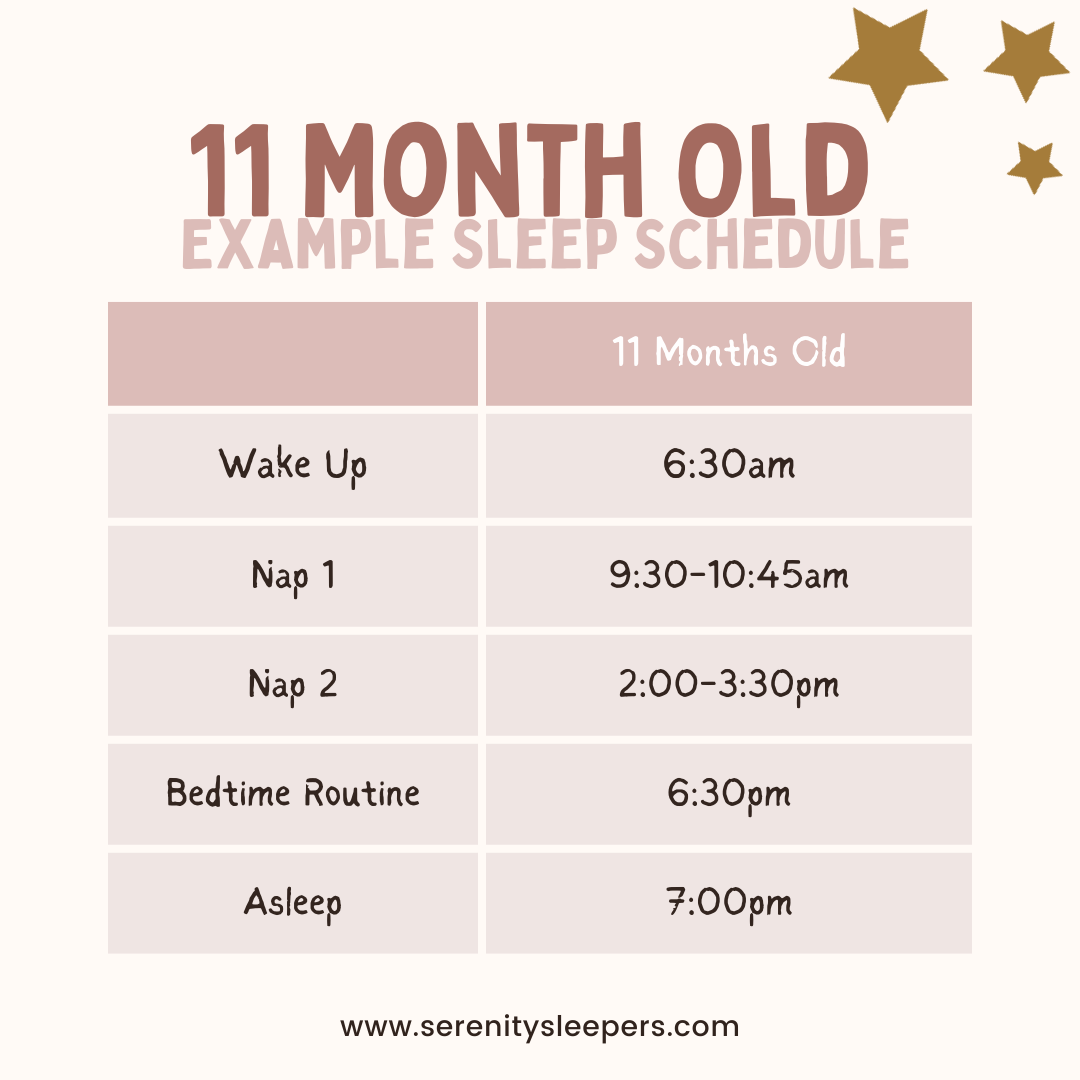
- Keeping sleep schedules as close to normal as possible, adjusting for the outdoor environment’s constraints.
- Maintaining a regular wake-up time each morning to help regulate their internal clock.
- Using familiar sleep cues, such as a favorite stuffed animal or blanket, to signal bedtime regardless of location.
- Ensuring the tent and sleeping area are set up in a quiet, dark location to mimic home conditions and minimize external disturbances.
Ending Remarks

By applying these practical tips and organizing your camping setup thoughtfully, you can turn outdoor adventures into relaxing experiences for both children and adults. Ensuring comfort and safety will make your family camping trips memorable and stress-free.