Discovering the perfect campsite can seem daunting for newcomers, but with the right guidance, the process becomes enjoyable and rewarding. Knowing what to look for and how to plan effectively can greatly enhance your outdoor experience, making camping accessible and stress-free for beginners. This guide provides essential insights to help newcomers confidently find suitable campsites and enjoy nature safely.
From understanding key selection criteria to utilizing planning tools and navigation techniques, this comprehensive overview aims to equip beginners with practical skills. Whether you’re exploring public parks, private campgrounds, or wilderness sites, mastering these basics ensures a smooth and memorable adventure in the great outdoors.
Overview of Finding Campsites for Beginners

Choosing the right campsite is a fundamental step in ensuring a successful and enjoyable outdoor experience, especially for those new to camping. For beginners, selecting an appropriate site can make the difference between a memorable adventure and a challenging or uncomfortable situation. It’s essential to understand the key factors involved in choosing a campsite that aligns with one’s skill level, comfort preferences, and safety considerations.
Beginners should focus on sites that offer accessible amenities, clear terrain, and proximity to emergency services or facilities. As novices gain confidence, they can gradually explore more remote or rugged locations. A well-chosen campsite not only enhances comfort but also fosters confidence, safety, and a greater appreciation of nature. To assist in making an informed decision, it’s helpful to understand the basic criteria and features that define beginner-friendly campsites.
Basic Criteria for Selecting a Campsite
When selecting a campsite as a beginner, certain foundational criteria can significantly influence the overall experience. These include safety, accessibility, comfort, and suitability for outdoor activities.
- Safety: The site should be located away from natural hazards such as flood zones, falling rocks, or unstable terrain. It’s also important to consider the presence of wildlife and whether the area is prone to extreme weather conditions.
- Accessibility: Easy access to roads, parking, and facilities ensures a hassle-free setup and breakdown process. Proximity to water sources and emergency services is also vital.
- Environment: Flat, well-drained ground facilitates comfortable tent placement and reduces the risk of flooding or dampness. Clear terrain without dense underbrush or large rocks simplifies setup and minimizes hazards.
- Facilities and Amenities: Availability of basic amenities such as restrooms, fire pits, and trash disposal can greatly enhance comfort for beginners.
Beginner-Friendly Campsite Features
Understanding the features that characterize beginner-friendly campsites helps in making a sound choice that ensures safety, comfort, and ease of access. The following table Artikels common features, their descriptions, real-world examples, and practical tips for selecting sites that meet these criteria.
| Feature | Description | Example | Tips |
|---|---|---|---|
| Flat and Well-Drained Terrain | Level ground that allows for comfortable tent setup and reduces the risk of water pooling or flooding during rain. | A designated campground with designated tent pads on level, gravelly or grassy areas. | Look for campsites with marked flat areas; avoid sites on steep slopes or uneven ground. |
| Proximity to Water Sources | Easy access to freshwater for drinking, cooking, and cleaning, which is crucial for convenience and safety. | Sites located within a short walk to a river or a stocked well within a campground. | Ensure water sources are clean and sustainable; avoid sites too close to water to prevent flooding or contamination. |
| Accessible Facilities | Facilities such as flush toilets, showers, and designated fire pits that simplify the camping experience. | Campgrounds managed by national parks or established campgrounds with maintained amenities. | Select sites with available amenities to ease setup and breakdown, especially for first-timers. |
| Good Cell Phone Reception | Reliable signal for communication and emergencies, increasing confidence for beginners. | Campgrounds near urban areas or with known coverage zones. | Check with park authorities or recent camper reviews for information on reception quality. |
Essential Factors to Consider When Choosing a Campsite

Selecting the right campsite is fundamental to ensuring a safe, enjoyable, and comfortable outdoor experience. For beginners, understanding the critical factors that influence campsite suitability can significantly enhance your outdoor adventure. These considerations include safety, accessibility to essential resources, and the characteristics of different campsite types, each offering unique advantages and challenges.
Making informed decisions based on these factors helps avoid common pitfalls such as unsafe locations, inconvenient distances from water or amenities, and unsuitable environments for novice campers. By carefully evaluating these elements, beginners can select a campsite that aligns with their experience level and personal preferences, setting the foundation for a memorable outdoor trip.
Safety Considerations and Identifying Safe Locations
Safety is the foremost priority when choosing a campsite. Beginners should look for areas that are free from natural hazards such as steep slopes, flood-prone zones, or proximity to unstable trees or cliffs. It’s advisable to select sites that are well-lit and visible, reducing the risk of encountering wildlife surprises or security issues. Avoiding areas with signs of recent animal activity or disease is also crucial.
Assessing the local environment before settling in involves checking weather forecasts and understanding the terrain. Campsites located in designated areas often undergo safety evaluations and are maintained to minimize risks. Additionally, selecting sites within known campgrounds or parks typically offers more predictable safety standards, such as nearby rangers or patrols.
Proximity to Water, Restrooms, and Emergency Access
Access to vital resources such as water, restrooms, and emergency services greatly enhances the camping experience and safety. Campers should aim for sites that are conveniently located near water sources for refilling bottles, cooking, and cleaning. However, it is important to avoid setting up too close to water bodies to prevent issues related to flooding or insect attraction.
Restroom facilities or designated latrines contribute to comfort and hygiene, especially for beginners unfamiliar with outdoor sanitation. The proximity to emergency access points, such as park ranger stations or main roads, is critical in case of emergencies, injuries, or sudden weather changes. Planning your campsite location with these considerations in mind ensures both convenience and safety throughout your stay.
Comparison of Different Types of Campsites
Understanding the characteristics of various campsite types helps in choosing the most suitable environment for beginners. Here is a comparison table summarizing key features:
| Type | Pros | Cons | Suitable for Beginners |
|---|---|---|---|
| Public Parks |
|
|
Yes |
| Private Campgrounds |
|
|
Yes |
| Wilderness Sites |
|
|
No |
For beginners, public parks and private campgrounds generally provide safer and more manageable environments. Wilderness sites, while offering an immersive experience, demand a higher level of preparedness and outdoor skills, making them less suitable for those just starting out.
Research and Planning Tools for Beginners
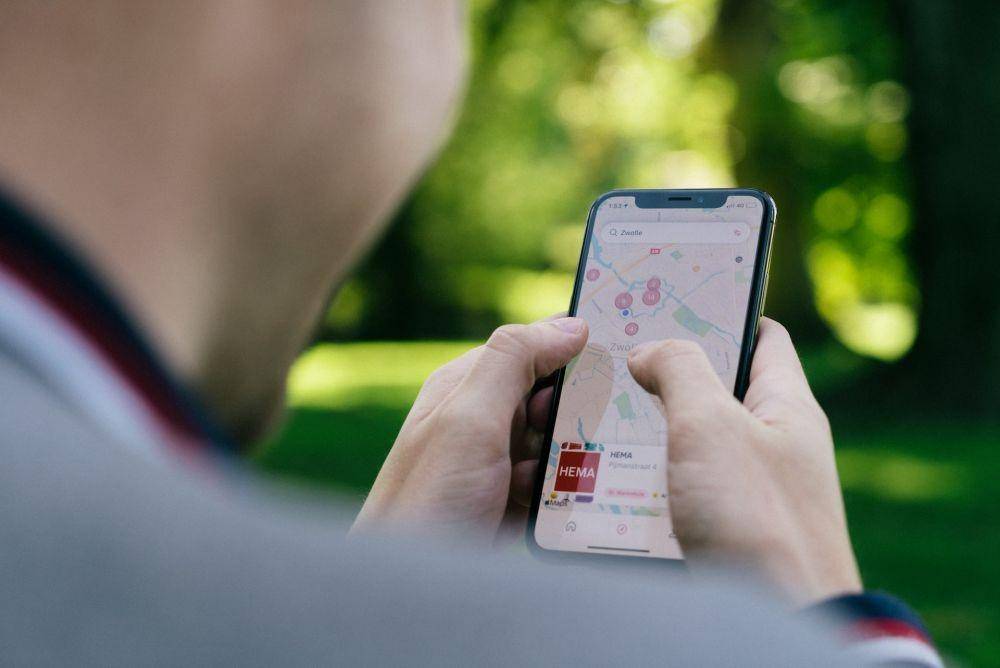
Embarking on a camping adventure requires thorough planning to ensure a smooth and enjoyable experience. For beginners, utilizing the right research and planning tools can significantly simplify the process of finding suitable campsites, checking availability, and preparing for the trip. Leveraging online resources, mobile applications, and guidebooks allows novice campers to make informed decisions and organize their outings effectively.
These tools serve as essential resources that provide detailed information about campsites, including location, amenities, regulations, and user reviews. By adopting a systematic approach to research and planning, beginners can avoid common pitfalls such as booking unavailable sites or choosing locations lacking necessary facilities. Below is a comprehensive guide to the methods and platforms that can assist novice campers in planning their trips with confidence.
Methods to Find Campsites Using Online Resources, Apps, and Guidebooks
Modern technology offers a multitude of avenues for discovering campsites that cater to varying preferences and needs. Beginners should familiarize themselves with these resources to streamline their planning process:
- Online Search Engines and Websites: Websites like Recreation.gov and ReserveAmerica.com provide extensive databases of federally managed campgrounds, including availability calendars, amenities, and booking options. State tourism websites and national park pages often feature detailed campsite listings with interactive maps.
- Mobile Applications: Smartphone apps such as TheDyrt, Hipcamp, AllTrails, and Campendium offer user reviews, photographs, and filtering options based on location, price, amenities, and campsite type. These apps enable real-time searches and quick reservations, making them invaluable for spontaneous or planned trips.
- Guidebooks and Printed Resources: Traditional guidebooks from reputable publishers like Lonely Planet, Moon, or local outdoor stores contain curated campsite listings, detailed descriptions, and tips for first-time campers. These resources are especially useful in areas with limited internet connectivity.
Step-by-Step Procedure for Planning a Camping Trip
Effective trip planning involves a structured approach to ensure all necessary aspects are considered. The following step-by-step procedure helps beginners organize their camping adventure efficiently:
- Define the Trip Parameters: Determine the trip dates, preferred location, and the number of participants. Consider the skill level of participants and the type of camping experience desired—be it tent camping, RV, or backcountry.
- Research Campsites: Use online platforms, apps, and guidebooks to identify potential campsites that match your criteria. Review their amenities, rules, and user feedback.
- Check Availability: Confirm campsite availability for your selected dates. Many online platforms allow real-time booking or reservation holding to secure your spot.
- Assess Amenities and Facilities: Ensure the campsite offers necessary amenities such as water supply, fire pits, restrooms, and accessibility features. Confirm if permits or reservations are required.
- Plan Your Route and Transportation: Map out directions to the campsite and plan your transportation logistics, including potential stops or detours.
- Prepare Equipment and Supplies: Make a checklist of camping gear, food, and safety equipment based on the campsite’s facilities and the expected weather conditions.
- Review Regulations and Safety Precautions: Familiarize yourself with local rules, fire restrictions, wildlife considerations, and emergency procedures.
By following this organized approach, beginners can ensure a well-prepared and enjoyable camping experience, minimizing surprises and maximizing safety and comfort.
Top Beginner-Friendly Campsite Search Platforms and Their Features
Several online platforms cater specifically to novice campers by providing user-friendly interfaces, comprehensive data, and helpful filters. Here are some of the top options:
| Platform | Features |
|---|---|
| TheDyrt |
|
| Hipcamp |
|
| AllTrails |
|
| ReserveAmerica |
|
How to Use Maps and Navigation to Locate Campsites
Locating the perfect campsite requires effective use of both traditional maps and modern navigation tools. Mastering these techniques enables beginners to find nearby camping spots with confidence, even in unfamiliar terrain. Understanding how to interpret physical and digital maps, along with leveraging GPS devices and smartphone applications, is essential for safe and successful outdoor adventures.
Using maps and navigation tools enhances situational awareness, allows for better route planning, and minimizes the risk of getting lost. Whether exploring offline or online resources, knowing how to navigate effectively ensures a smoother camping experience and helps discover campsites that match your preferences and requirements.
Techniques for Reading Physical and Digital Maps
Reading maps accurately is foundational to navigation. Physical maps provide a broad overview of terrain, roads, trails, and landmarks, while digital maps offer interactive features and real-time updates. Both require understanding symbols, scales, and orientation to be useful in outdoor settings.
When working with physical maps, start by orienting the map properly with a compass or natural landmarks. Pay attention to map symbols that denote campsites, water sources, and trailheads. Use the scale to estimate distances and plan your route accordingly. Digital maps, on the other hand, often include GPS overlay, making it easier to pinpoint your exact location and find nearby campsites with a few taps.
Using GPS Devices and Smartphone Apps
GPS technology significantly simplifies the process of locating campsites. Dedicated GPS devices often have preloaded maps and waypoint features, allowing you to save and navigate to specific sites. Smartphone apps extend this functionality with user reviews, photos, and real-time navigation, making them invaluable tools for beginners.
To effectively use GPS devices or smartphone apps, ensure your device has sufficient battery life and GPS signal reception. Enable location services and download offline maps for areas with poor cellular coverage. Use these tools to search for nearby campsites, set waypoints, and follow turn-by-turn directions, always cross-referencing with physical landmarks for added reliability.
Sample Navigation Workflow
| Steps | Tools Needed | Tips |
|---|---|---|
| 1. Identify your current location on the map using landmarks or GPS | Physical map with compass / Smartphone with GPS feature | Use a compass to orient the physical map; ensure your GPS signal is strong before proceeding |
| 2. Locate the desired campsite on the map or app | Map legend / Search feature within app | Look for symbols indicating campsites, or search using the app’s search function for specific names or features |
| 3. Plot the route from your current position to the campsite | Physical map with route markings / Navigation app’s route planning | Choose the safest and most direct trail or road, considering terrain difficulty and distance |
| 4. Follow the navigation instructions | GPS device / Smartphone with navigation app | Maintain awareness of surrounding landmarks; periodically check your position against the map |
| 5. Arrive at the campsite and verify location | Physical landmarks / Final GPS check | Confirm your location matches the campsite’s exact position before setting up camp |
“Effective navigation combines technology with natural awareness, ensuring safety and success in outdoor adventures.”
Evaluating Campsite Amenities and Facilities

Finding a suitable campsite involves more than just locating a scenic area; it requires a careful assessment of the amenities and facilities available to ensure a safe, comfortable, and enjoyable outdoor experience. For beginners, understanding what essential amenities to look for can significantly enhance your camping journey by reducing surprises and ensuring your basic needs are met.Proper evaluation of amenities helps prevent potential inconveniences or hazards during your stay.
It also provides peace of mind, knowing that your safety and comfort are prioritized. When choosing a campsite, paying attention to the quality, safety, and accessibility of key facilities is a vital step in the planning process.
Guidelines for Assessing Essential Amenities
Evaluating amenities involves a systematic approach to ensure they meet safety standards, are well-maintained, and suit your specific needs. Start by checking water sources—ensure they are reliable, clean, and safe for drinking or cooking. Confirm the presence of fire pits or designated cooking areas that are properly maintained to prevent fire hazards. Sanitation facilities such as toilets or latrines should be clean, private, and conveniently located.
Additionally, consider the availability of waste disposal options, trash bins, and recycling facilities.Inspecting amenities before booking or arriving at the site is crucial. This includes visiting the campsite if possible or requesting recent photographs, reviews, or reports from previous visitors. If facilities are not up to standard or lack necessary safety features, it is advisable to seek alternative camping options.
Checklist for Campsite Amenities and Facilities
A structured checklist ensures no critical amenity is overlooked during evaluation. The following table provides a comprehensive guide for assessing campsite amenities:
| Amenity | Importance | Indicator | Notes |
|---|---|---|---|
| Reliable Water Source | Critical for hydration, cooking, and cleaning | Flow rate, water purity reports, recent reviews | Check for signs of contamination or low water pressure |
| Fire Pits/Barbecue Areas | Essential for cooking and warmth | Designated fire zones, maintained fire rings | Ensure fire safety measures are in place |
| Sanitation Facilities | Important for hygiene and health | Cleanliness, privacy, accessibility | Verify if facilities are functional and well-maintained |
| Waste Disposal & Recycling | Environmental responsibility and cleanliness | Availability of trash bins, recycling stations | Check if waste is regularly collected and properly sorted |
| Electricity or Power Access | Convenience for charging devices | Presence of outlets, generator access | Not always available in remote sites |
| Shelter or Shade | Protection from weather elements | Trees, awnings, designated shelters | Ensure adequate coverage for comfort and safety |
Verifying the Quality and Safety of Amenities
Before finalizing your reservation or arriving at a campsite, verifying the quality and safety of amenities is indispensable. Begin by reading recent reviews from previous campers, focusing on comments related to cleanliness, maintenance, and safety concerns. These testimonials can reveal recurring issues or confirm the reliability of the facilities.For water sources, request recent water quality test results or reports from campsite management to ensure safety for consumption.
If possible, bring your own water testing kits, especially when traveling to remote areas. Physical inspections are equally important; examine water taps for leaks, cleanliness, and accessibility.Sanitation facilities should be inspected for proper sanitation, absence of foul odors, and privacy. Fire pits and cooking areas should be checked for stability, cleanliness, and adherence to fire safety guidelines. When amenities are lacking or questionable, consider alternative options like portable camping stoves, bottled water, or portable toilets to ensure health and safety are maintained during your trip.
Tips for Visiting Campsites as a Beginner
Embarking on your first camping trip can be both exciting and a little daunting. To ensure a safe, enjoyable, and respectful experience, it’s essential to familiarize yourself with some best practices tailored for beginners. Proper preparation and awareness can help you navigate the camping environment confidently while respecting nature and fellow campers.Understanding fundamental camping etiquette, safety measures, and effective communication with campsite staff and other visitors can greatly enhance your experience.
These tips are designed to assist newcomers in making the most of their outdoor adventure while minimizing risks and ensuring a harmonious stay.
Setting Up Tents and Campsite Safety
Setting up your tent correctly is vital for comfort, safety, and protection against weather elements. Choose a flat, well-drained area free from low-hanging branches or sharp objects that could damage your tent. Use the manufacturer’s instructions for assembly, ensuring stakes are firmly anchored and that the tent is taut to prevent sagging.Campfire safety is paramount to prevent wildfires and injuries.
Always use designated fire rings or pits, keep a bucket of water or a fire extinguisher nearby, and never leave a fire unattended. Before lighting, clear the area of dry leaves, grass, or other flammable materials within at least a 10-foot radius. Fully extinguish the fire before leaving the site or going to sleep, ensuring ashes are cool to the touch.Respecting nature involves adhering to Leave No Trace principles.
Pack out all trash, avoid disturbing wildlife, and stay on established trails and campsites to minimize environmental impact. Proper waste disposal, such as using provided facilities or packing out biodegradable waste, helps preserve the natural beauty for future visitors.
Effective Communication with Campsite Staff and Other Campers
Engaging with campsite staff and fellow campers can provide valuable insights and foster a sense of community. Don’t hesitate to ask staff about specific guidelines, trail conditions, or local wildlife. They can offer advice on the safest and most enjoyable ways to explore the area.Conversing with other campers can also enhance your experience by sharing tips, recommendations, and stories. Maintaining a friendly and respectful attitude encourages a positive atmosphere.
If you have questions or need assistance, approach staff or campers politely, and be receptive to their guidance and suggestions.
Beginner-Friendly Campsite Etiquette and Safety Tips
Adhering to proper etiquette and safety practices ensures a respectful and secure camping environment for everyone. Here are some key guidelines:
- Keep Noise Levels Low: Respect quiet hours, especially during the night, to allow others to rest and enjoy the peaceful surroundings.
- Manage Food and Odors: Store food securely in designated containers or lockers to prevent attracting wildlife and avoid leaving food scraps outside tents.
- Maintain Cleanliness: Clean up your site before departure, disposing of trash responsibly and leaving the area pristine.
- Share Campsite Space Respectfully: Be mindful of others’ privacy and space, especially in crowded campgrounds.
- Follow Fire Regulations: Use designated fire areas and adhere to local fire bans or restrictions, especially during dry seasons.
- Be Mindful of Wildlife: Observe animals from a distance, avoid feeding them, and secure your belongings to prevent attracting wildlife to your site.
“Responsible camping ensures the preservation of natural environments and the safety of all visitors.”
By following these beginner-focused tips, new campers can cultivate a safe, respectful, and enjoyable outdoor experience, laying the foundation for future adventures in the great outdoors.
Closure
In conclusion, finding the right campsite as a beginner involves careful consideration of safety, amenities, and planning resources. By leveraging available tools and following best practices, newcomers can enjoy a secure and enjoyable camping experience. Embracing these foundational steps paves the way for future outdoor adventures filled with discovery and connection with nature.