Learning how to clean camping cookware is essential for maintaining its performance, ensuring safety, and prolonging its lifespan during outdoor adventures. Proper cleaning not only removes food residues and stains but also helps prevent rust and corrosion, keeping your cookware in excellent condition for future use.
This guide covers effective cleaning techniques suitable for various types of camping cookware, from cast iron to non-stick surfaces, along with safety tips, eco-friendly practices, and troubleshooting common issues to help you enjoy a hassle-free outdoor cooking experience.
Introduction to Cleaning Camping Cookware
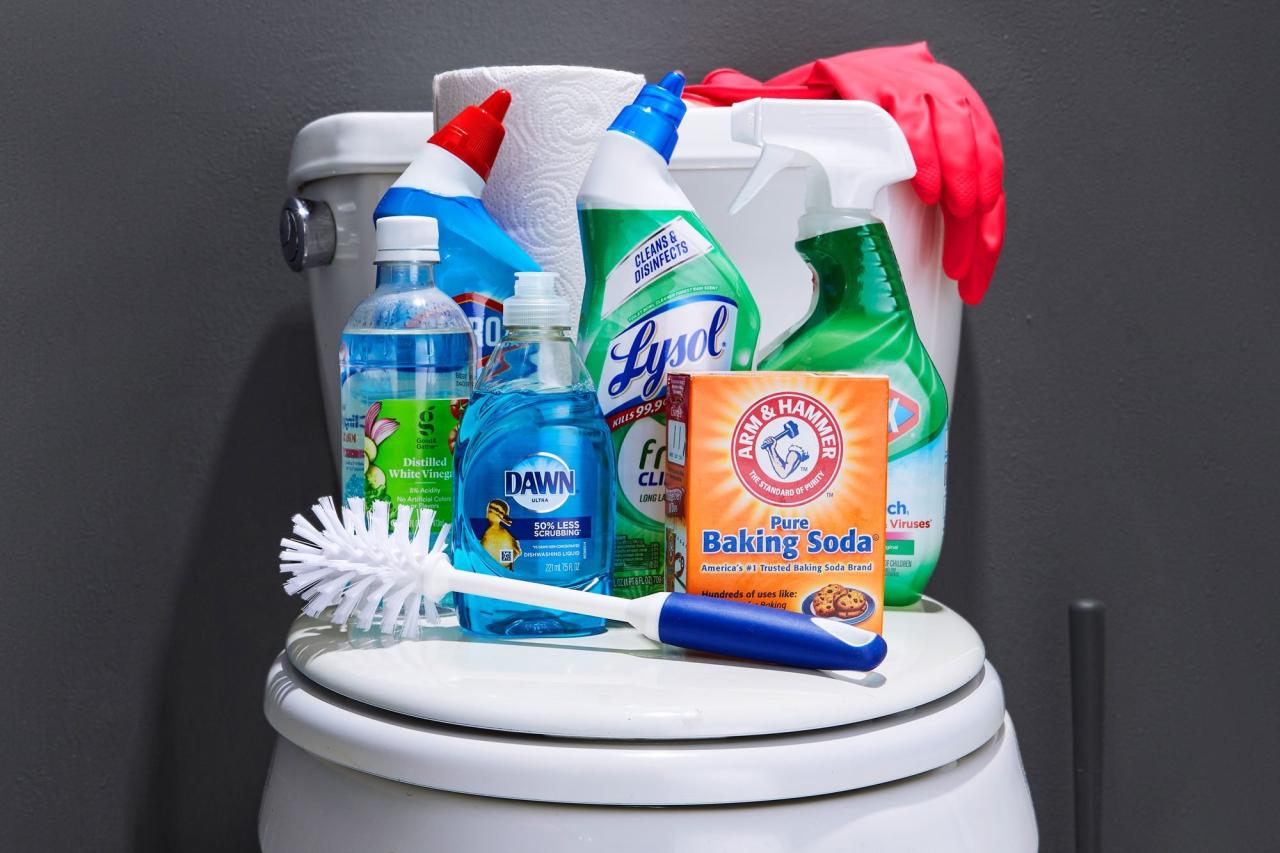
Maintaining clean camping cookware is essential for ensuring both the longevity of your equipment and your safety during outdoor adventures. Proper cleaning practices help prevent the buildup of food residues, bacteria, and rust, which can compromise the integrity of your cookware over time. Additionally, thoroughly cleaned cookware reduces the risk of cross-contamination, particularly when preparing different types of food or sharing gear among fellow campers.
Camping cookware comes in a variety of materials, each requiring specific cleaning approaches. Common types include stainless steel, aluminum, cast iron, and non-stick coatings. These materials vary in their resistance to corrosion, ease of cleaning, and overall durability. Understanding the characteristics of your cookware material is crucial to selecting the appropriate cleaning method and maintaining its performance for future use.
General Steps for Cleaning Camping Cookware Effectively
Effective cleaning of camping cookware involves a systematic approach to remove food residues, grease, and bacteria while preserving the cookware’s condition. The process typically includes several key steps to ensure thorough sanitation and longevity.
- Remove Excess Food and Debris: Begin by scraping off any remaining food particles using a non-abrasive spatula or brush. Avoid harsh scrapers that could scratch sensitive surfaces, especially for non-stick coatings.
- Wash with Appropriate Cleaning Agents: Use warm water combined with a mild dish soap suitable for camping environments. For stubborn residues, a mixture of baking soda and water or specialized camp-safe cleaning solutions can be effective.
- Scrub Gently: Use a soft sponge or non-abrasive scrubber to clean the surface. For cast iron cookware, avoid soap to preserve the seasoning layer, opting instead for hot water and a brush.
- Rinse Thoroughly: Ensure all soap and residues are rinsed off with clean water, preventing any detergent buildup that could affect taste or safety.
- Dry Completely: Use a clean towel or air dry to prevent rust and corrosion, especially for metal cookware. For cast iron, it’s recommended to dry immediately and apply a light coat of oil to maintain seasoning.
By adhering to these steps and understanding your cookware’s material properties, you can effectively maintain your camping cookware, ensuring it remains safe and functional for many outdoor adventures to come.
Basic Cleaning Techniques for Camping Cookware
Maintaining clean camping cookware is essential for both hygiene and the longevity of your gear. Proper cleaning techniques ensure that food residues are effectively removed without damaging the cookware’s surface, especially during outdoor adventures where access to extensive cleaning facilities is limited. This section provides practical methods for keeping your camping cookware in optimal condition through gentle yet effective cleaning practices.
Implementing appropriate cleaning techniques not only preserves the integrity of various cookware materials but also enhances your overall camping experience by reducing the risk of contamination and unpleasant odors. Using suitable tools and cleaning agents tailored to your cookware’s material can make routine cleaning straightforward and efficient, even in remote settings.
Removing Food Residues with Non-Abrasive Scrubbers
Food residues such as burnt-on bits, grease, and stuck-on sauces can be challenging to clean, particularly when using abrasive tools that might scratch or damage cookware surfaces. Employing non-abrasive scrubbers helps effectively dislodge stubborn residues while preserving the cookware’s finish. Soft sponge pads, nylon scrubbers, or brushes with gentle bristles are ideal options.
To maximize cleaning efficiency, it is advisable to soak cookware in warm water for several minutes before scrubbing. This softens residues, making them easier to remove. When scrubbing, apply gentle pressure and use circular motions to avoid scratching the surface. For particularly stubborn spots, a paste of baking soda and water can be gently rubbed onto the area, then rinsed thoroughly.
Using Hot Water and Biodegradable Soap for Routine Cleaning
Routine cleaning of camping cookware should prioritize environmentally friendly practices. Hot water combined with biodegradable soap is highly effective for regular maintenance, effectively removing grease, food particles, and oils without harming the environment. Hot water helps dissolve fats and loosen debris, while biodegradable soap ensures that no harmful chemicals enter natural water sources.
After cooking, allow cookware to cool slightly, then rinse with hot water. Apply a small amount of biodegradable soap and use a non-abrasive scrubber to clean all surfaces. Rinse thoroughly to remove soap residues, which can affect the taste of subsequent meals or cause buildup over time. Drying the cookware with a clean cloth or air drying prevents water spots and rust formation, especially on metal surfaces.
Cleaning Tools Suitable for Different Cookware Materials
The choice of cleaning tools depends significantly on the material of your camping cookware. Using inappropriate tools can damage the surface, reducing the lifespan of your gear. Below is a comparison table highlighting suitable cleaning tools for various common materials used in camping cookware:
| Cookware Material | Recommended Cleaning Tools | Additional Notes |
|---|---|---|
| Aluminum |
|
Avoid steel wool or harsh abrasives to prevent scratching surface and discoloration. |
| Stainless Steel |
|
Can withstand more vigorous scrubbing; however, avoid steel wool to prevent scratches. |
| Non-stick Coated |
|
Use gentle tools to preserve coating integrity; avoid metal scrubbers. |
| Copper |
|
Regular polishing keeps the shine; avoid abrasive pads that can scratch the surface. |
Removing Tough Stains and Burnt Residues
Cleaning camping cookware thoroughly is essential to maintain its longevity and ensure safety during future trips. Tough stains and burnt residues can pose a challenge, especially after cooking over open flames or on uneven surfaces. Thankfully, a variety of natural and chemical agents can effectively remove these stubborn spots, restoring your cookware to a pristine condition for your next adventure.Burnt-on food and stubborn stains often develop due to high heat exposure and unsupervised cooking, which lead to food particles becoming ingrained in the cookware surface.
Addressing these residues promptly prevents long-term damage, such as discoloration or warping, and ensures the cookware remains non-stick and corrosion-free.
Natural and Chemical Agents for Stain Removal
The choice of cleaning agents depends on the severity of the residue and personal preferences for natural versus commercial solutions. Natural options like baking soda and vinegar are eco-friendly, readily available, and effective for most cleaning needs. Commercial cleaners, on the other hand, are specifically formulated to tackle tougher stains and burnt residues, often providing faster and more thorough results.Using baking soda creates a gentle abrasive that lifts burnt residues without scratching the surface.
Vinegar’s acidity helps dissolve mineral deposits and loosen burnt food. Commercial cleaners typically contain chemical agents that break down stubborn deposits more aggressively, making them suitable for heavily soiled cookware.
Step-by-Step Guide for Removing Burned-on Food and Stains
Proper technique is crucial for effective cleaning while preserving the integrity of your camping cookware. Below is a detailed step-by-step process to eliminate stubborn burnt residues efficiently:
- Allow the cookware to cool completely to avoid burns and further damage.
- Fill the affected cookware with hot water, covering the burnt areas, and add a generous amount of baking soda.
- Let the mixture sit for at least 15-30 minutes to allow the agents to loosen the residue.
- Use a non-abrasive scrubbing pad or a soft brush to gently scrub the surface, focusing on the stained areas.
- For persistent spots, create a paste of baking soda and a small amount of water, applying it directly onto the burnt residues.
- Alternatively, pour white vinegar over the paste or directly onto the burnt areas, allowing it to fizz and break down residues.
- Let the vinegar sit for 10-15 minutes before scrubbing again.
- Rinse thoroughly with warm water to remove all cleaning agents and loosened debris.
- If residues remain, repeat the process or consider using a commercial cleaner suited for tough stains, following the manufacturer’s instructions.
- Dry the cookware thoroughly to prevent rust or corrosion, especially if it is made of cast iron or carbon steel.
This method effectively tackles even the most stubborn burnt-on residues, helping your camping cookware regain its clean and functional state for your next outdoor cooking session.
Deep Cleaning and Maintenance
Maintaining your camping cookware in optimal condition is essential for ensuring safety, longevity, and performance during your outdoor adventures. Deep cleaning involves more rigorous procedures than regular washing and addresses stubborn residues, rust, and corrosion that can develop over time. Proper maintenance practices help preserve your cookware’s integrity, prevent deterioration, and ensure it remains a reliable tool in your camping kit.Deep cleaning and maintenance are critical for prolonging the lifespan of your cookware, especially after frequent use in challenging outdoor environments.
Implementing tailored techniques for different materials and following consistent upkeep routines can significantly reduce the risk of damage and ensure your gear stays in excellent condition for many camping seasons to come.
Deep Cleaning Methods for Different Cookware Types
Effective deep cleaning varies based on the material of your cookware. Each type requires specific techniques to remove ingrained residues while avoiding damage.
For cast iron cookware, aluminum, stainless steel, and non-stick pans, understanding their unique cleaning needs will help maintain their performance and prevent common issues like rust and coating damage.
Cast Iron Cookware
Cast iron is durable but susceptible to rust if not properly maintained. Deep cleaning involves removing stubborn residues and re-seasoning to maintain the non-stick surface and prevent rust formation.
- Use a stiff-bristled brush or non-metal scrubber to remove caked-on food residues after soaking in hot water.
- For stubborn stains or rust, create a paste with coarse salt and a small amount of vegetable oil, then scrub the surface thoroughly.
- If rust persists, scrub with a fine abrasive pad or steel wool, then rinse and dry immediately.
- Apply a thin layer of cooking oil to the entire surface and bake in an oven at 375°F (190°C) for an hour to re-season the pan.
Note: Never use soap regularly, as it can strip the seasoning; reserve it for deep cleaning when buildup is severe.
Aluminum Cookware
Aluminum heats quickly and is lightweight but can scratch easily and discolor. Deep cleaning restores its appearance and removes oxidation or stains.
- Soak the cookware in hot water with baking soda or vinegar for 20-30 minutes to loosen stains.
- Use a non-abrasive scrubber to gently remove surface discoloration or residues.
- For stubborn stains, create a paste with baking soda and water, then apply and scrub gently.
- Rinse thoroughly and dry immediately to prevent oxidation.
Stainless Steel Cookware
Stainless steel offers durability but can develop discoloration, stains, and burned residues over time. Deep cleaning restores shine and removes tough residues.
- Fill the cookware with hot water and add a few drops of dish soap, then boil for 15-20 minutes to loosen residues.
- Use a commercial stainless steel cleaner or a paste of baking soda and water for polishing and stain removal.
- For burnt-on food, sprinkle baking soda on the surface, add water, and bring to a boil, then scrub gently with a non-abrasive pad.
- Rinse thoroughly, dry, and polish with a clean cloth for a streak-free finish.
Non-Stick Cookware
Non-stick coatings are sensitive and require careful cleaning to avoid damage that can reduce their effectiveness. Deep cleaning should focus on gentle removal of residues without abrasive tools.
- Soak the pan in warm water with a few drops of dish soap to loosen baked-on residues.
- Use a soft sponge or cloth to clean the surface carefully, avoiding metal scrubbers or abrasive pads.
- For stubborn residues, create a baking soda paste and gently scrub the surface without applying excessive pressure.
- Dry immediately with a soft towel and avoid stacking with other cookware that can scratch the coating.
Maintenance Tips to Prevent Rust, Corrosion, and Buildup
Consistent maintenance extends the life of your cookware and ensures optimal performance during each camping trip. Proper practices help prevent common issues like rust, corrosion, and stubborn buildup.
Implementing these tips regularly will keep your camping cookware in top condition:
- Always dry cookware thoroughly immediately after washing, especially cast iron and aluminum, to prevent moisture-induced rust and corrosion.
- Apply a light coat of cooking oil to cast iron and other susceptible surfaces after cleaning to create a protective barrier against moisture.
- Store cookware in a dry, well-ventilated area, avoiding stacking or placing damp items inside.
- Inspect cookware regularly for signs of rust or damage, and address issues promptly with cleaning and re-seasoning as needed.
- Use gentle cleaning methods for non-stick coatings and avoid abrasive cleaning tools to preserve the surface integrity.
- Periodically remove mineral deposits or oxidation from aluminum using vinegar or baking soda solutions.
- Maintain a routine of deep cleaning after extended use or when residues become difficult to remove, ensuring longevity and safety.
Proper maintenance and deep cleaning are key to ensuring your camping cookware remains safe, functional, and long-lasting, especially after exposure to outdoor elements.
Drying and Storage After Cleaning

Proper drying and storage are essential steps in maintaining the longevity and functionality of camping cookware. After cleaning, ensuring that your cookware is thoroughly dried and stored correctly helps prevent issues such as rust formation, mold growth, and damage to the cookware’s surface. Additionally, adopting best storage practices ensures that your gear remains in excellent condition for many camping trips to come.Effective drying involves careful removal of moisture from all surfaces of your cookware.
Leaving moisture on metal surfaces can lead to rust, especially in humid environments. Proper storage not only protects the cookware but also organizes your camp setup, making it easier to find and access your gear during outdoor adventures.
Proper Drying Techniques to Prevent Mold and Rust
Moisture is the primary culprit behind mold growth and rust development on camping cookware. Implementing the right drying techniques is crucial to maintaining your gear’s integrity.Start by rinsing your cookware with clean water to remove any residues and then wipe it down with a clean, dry cloth or use a microfiber towel to absorb excess moisture. For cookware with hard-to-reach corners or intricate designs, air drying in a well-ventilated area is advisable.
If possible, place the cookware upside down on a drying rack to allow water to drain out completely and increase airflow, facilitating faster drying.In environments with high humidity or for cookware prone to rust, using a portable fan or placing the items in a well-ventilated outdoor space accelerates the drying process. For metal cookware, especially those with rust-prone surfaces, applying a thin layer of food-grade mineral oil after drying can provide a protective barrier against moisture.
Ensure all moisture is eliminated before storage to prevent mold growth and rust formation, which can compromise the cookware’s performance and safety.
Best Practices for Storing Camping Cookware
Proper storage practices extend the lifespan of your camping cookware, keeping it in optimal condition for future use. Consider the environment where you store your gear, aiming for a dry, cool, and well-ventilated space to inhibit the growth of mold and prevent corrosion.When storing your cookware, avoid stacking directly one on top of the other without protection, as this can cause scratches or dents.
Use cloth or silicone pot protectors between stacked items to prevent scratches and preserve the non-stick surface where applicable. Hanging pots and pans on hooks or pegboards can help keep them organized and prevent damage from stacking.Organize your cookware in a way that makes sense for your camping setup. For example, keep frequently used items together for quick access, and store less frequently used pieces separately.
Label storage containers or compartments if necessary, especially when packing gear for extended trips or multiple outdoor adventures, to streamline setup and breakdown processes.
Proper organization not only prolongs the lifespan of your cookware but also enhances efficiency during your camping trips, saving time and reducing frustration.
Special Considerations for Eco-Friendly Cleaning
Maintaining your camping cookware with environmentally conscious practices is essential to preserve natural resources and minimize your ecological footprint. Using eco-friendly cleaning methods not only benefits the planet but also ensures that your cookware remains safe and free from harmful residues. Incorporating biodegradable solutions and conserving water during the cleaning process contribute significantly to sustainable camping habits.Adopting environmentally safe cleaning options involves selecting products and techniques that are biodegradable, non-toxic, and gentle on the environment.
These solutions break down naturally without releasing harmful chemicals into soil and water systems. Additionally, reducing water consumption during cleaning aligns with eco-conscious principles, conserving vital resources in outdoor settings where water might be limited.
Biodegradable Cleaning Solutions and Eco-Friendly Products
Using biodegradable detergents and cleaning agents is a key component of eco-friendly cookware maintenance. These products are formulated to decompose naturally, minimizing pollution and avoiding the introduction of synthetic chemicals into the environment. When selecting cleaning solutions, opt for items labeled as biodegradable and free from phosphates, parabens, or artificial fragrances.Common environmentally safe cleaning options include castile soap, vegetable-based dish soaps, and specially formulated camping cookware cleaning tablets that are biodegradable.
These options are effective at removing grease, food residues, and stains without compromising ecological health. Always follow the manufacturer’s instructions to maximize cleaning efficiency while ensuring environmental safety.
Reducing Water Usage During Cleaning
Minimizing water consumption is vital when cleaning camping cookware, especially in remote outdoor locations where water sources are limited or protected. Strategies to conserve water include using a small basin or spray bottle to control water flow, employing a scrub brush or sponge to clean efficiently, and collecting rinse water for reuse if appropriate.An effective approach involves pre-soaking cookware to loosen residues, reducing the need for excessive rinsing.
Additionally, employing a damp cloth or sponge can often suffice for routine cleaning, reserving full rinses for heavily soiled items. These practices not only save water but also prolong the availability of this precious resource during outdoor adventures.
Eco-Conscious Practices for Sustainable Camping Cookware Maintenance
Implementing environmentally responsible habits enhances the sustainability of your camping experience and protects delicate ecosystems. Here are some eco-conscious practices to adopt:
- Choose biodegradable and non-toxic cleaning products whenever possible.
- Use minimal amounts of water during cleaning, employing soaking and wiping techniques to reduce rinse water.
- Collect and reuse rinse water for flushing or watering plants, provided it’s free from harmful detergents.
- Avoid cleaning cookware directly over open water sources to prevent contamination.
- Carry reusable cleaning tools such as cloths, brushes, and sponges to reduce single-use waste.
- Dispose of wastewater properly, away from streams, lakes, or campsites, in designated waste areas.
- Opt for environmentally friendly packaging and refilling options for cleaning products.
Blockquote>Adopting eco-friendly cleaning practices not only preserves the natural beauty of our camping destinations but also promotes responsible stewardship of outdoor environments, ensuring they remain pristine for future generations.
Troubleshooting Common Cleaning Issues
Cleaning camping cookware effectively can sometimes present unexpected challenges, such as persistent stains, rust spots, or stubborn residues that refuse to budge despite routine cleaning efforts. Addressing these issues promptly and correctly ensures your cookware remains in optimal condition, prolonging its usability and maintaining food safety standards. Understanding common problems and their solutions helps campers and outdoor enthusiasts manage their gear efficiently during and after trips, saving time and materials in the process.These typical challenges often arise due to the nature of outdoor cooking, exposure to the elements, or the type of cookware material.
Recognizing the underlying cause of each issue enables targeted remedies that restore your cookware’s cleanliness and functionality without causing damage. The following sections detail common problems and provide clear, step-by-step solutions tailored to different cookware materials.
Persistent Stains and Burnt Residues
Persistent stains and burnt residues are among the most common issues faced during camping trips, especially with cookware that is subjected to high heat or sugary foods. These residues can become ingrained, making routine cleaning insufficient and requiring specialized techniques to eliminate.To effectively remove stubborn stains and burnt residues, follow these steps:
- Fill the cookware with hot water and add a few tablespoons of baking soda or a mild dish soap.
- Bring the solution to a gentle simmer over low heat and allow it to boil for 10-15 minutes. This process helps loosen ingrained residues.
- Turn off the heat and let the cookware cool slightly before scrubbing. Use a non-abrasive scrubber or a nylon brush to gently scrub away loosened debris.
- If residues persist, create a paste with baking soda and water, apply it directly to the stains, and let it sit for 15-20 minutes before scrubbing again.
- Rinse thoroughly with clean water and dry completely to prevent further staining.
>
Applying heat and alkaline solutions can effectively loosen burned-on food, reducing scrubbing time and preventing damage to your cookware surface.
Rust Spots
Rust spots often develop on cookware that is exposed to moisture for extended periods or stored improperly, especially on iron or steel cookware. Rust not only affects the appearance but can also compromise the integrity of the material if left untreated.To remove rust spots:
- Use fine-grade steel wool or a rust eraser designed for cookware to gently scrub the rusted areas. Always test on a small section first to avoid scratching.
- Prepare a mixture of equal parts white vinegar and water, and soak the rusted parts for 1-2 hours. Vinegar’s acetic acid helps dissolve rust.
- After soaking, scrub the area again with a soft brush or steel wool to remove remaining rust particles.
- Wash the cookware with soap and water, then dry thoroughly. Applying a light coat of oil, such as vegetable or mineral oil, helps prevent future rust formation.
>
Regular maintenance and proper drying are essential to prevent rust, especially for cast iron and carbon steel cookware.
Comparison of Remedies for Different Cookware Materials
Different types of camping cookware require tailored cleaning approaches to prevent damage and ensure longevity. Below is a comparison table summarizing effective remedies for common issues across various materials:
| Material | Common Problems | Recommended Remedies |
|---|---|---|
| Cast Iron | Rust, stubborn stains | Use steel wool for rust, clean with baking soda paste for stains, re-season after cleaning |
| Stainless Steel | Discoloration, burnt residues | Simmer with baking soda or vinegar, scrub with non-abrasive pads |
| Aluminum | Discoloration, corrosion | Use a vinegar solution for discoloration, avoid abrasive scrubbing to prevent pitting |
| Non-Stick Coated | Scratches, residues from burnt food | Clean with soft sponges and gentle detergents, avoid metal utensils, use baking soda for residues |
Ensuring proper cleaning techniques tailored to each material enhances the durability of your camping cookware and prevents common issues from reoccurring. Regular inspection and prompt treatment of problems like stains and rust can significantly extend the life of your gear, making your outdoor cooking experiences more enjoyable and hassle-free.
End of Discussion
Mastering the art of cleaning camping cookware ensures your gear remains safe, functional, and ready for every outdoor trip. By applying proper techniques and maintenance routines, you can enhance the longevity of your cookware while contributing to environmentally responsible camping practices. Keep your cookware in top condition and enjoy delicious meals on every adventure.