Embarking on a hiking and camping adventure can be an exciting way to connect with nature and enjoy outdoor activities. For beginners, understanding the fundamentals of how to hike while camping is essential to ensure safety, comfort, and an enjoyable experience in the wilderness. From selecting suitable gear to mastering basic techniques, this guide offers comprehensive insights to help newcomers confidently explore the great outdoors.
By learning proper preparation, trail selection, safety practices, and environmental responsibility, beginners can create memorable outdoor adventures while minimizing risks. Whether you’re planning a short day hike or a multi-day camping trip, understanding these core principles will set the foundation for a successful and rewarding outdoor journey.
Preparing for a Hike While Camping for Beginners
Embarking on a hiking adventure during a camping trip offers an enriching experience that combines exploration with outdoor living. For beginners, proper preparation is key to ensuring safety, comfort, and enjoyment throughout the journey. Understanding the essential gear, appropriate clothing, efficient packing strategies, and safety equipment forms the foundation of a successful outdoor excursion.
Effective preparation involves selecting suitable equipment and clothing tailored to the environment and duration of the hike, organizing your gear systematically, and carrying safety items necessary for unforeseen situations. This proactive approach minimizes risks and enhances the overall enjoyment of your outdoor adventure, allowing you to connect more deeply with nature while feeling confident and prepared.
Essential Gear and Clothing for Novice Hikers Camping Outdoors
Choosing the right gear and clothing is crucial for comfort, safety, and weather adaptability. New hikers should focus on lightweight, durable, and weather-appropriate items that facilitate mobility and protection during their trek.
- Footwear: Sturdy, waterproof hiking boots with good ankle support are ideal, especially for uneven terrain. Lightweight trail shoes can be suitable for flatter paths but should still provide grip and comfort.
- Clothing: Layering is essential to adjust to changing weather conditions. Start with moisture-wicking base layers to keep sweat away from the skin, followed by insulating layers such as fleece or down jackets, and a waterproof outer shell. Avoid cotton, which retains moisture and can cause chafing.
- Accessories: Wide-brimmed hat or cap for sun protection, sunglasses with UV protection, and moisture-wicking gloves if necessary. A lightweight scarf or buff can protect your neck from sun or cold.
- Other Gear: A compact backpack suitable for your load, a hydration system or water bottles, a map or GPS device, and a basic first aid kit.
Step-by-Step Guide to Packing a Hiking Backpack Efficiently
Organizing your pack methodically ensures quick access to essentials, balanced weight distribution, and overall comfort during the hike. Here is a systematic approach for packing effectively:
- Lay out all gear: Arrange all items on a flat surface to evaluate what needs to go into your pack. Prioritize lightweight, frequently used items for easy access.
- Pack the heaviest items close to your back: Place weighty objects such as water containers, food supplies, and cookware near your spine, centered in the middle of the pack to maintain balance.
- Distribute weight evenly: Balance gear on both sides to prevent strain and improve mobility. Use compartments and compression straps to secure items tightly.
- Pack essentials for quick access: Keep items like a map, compass, snacks, and a rain jacket in external pockets or at the top of your pack for easy retrieval.
- Secure smaller items: Use inner pockets or stuff sacks for smaller gear like keys, first aid supplies, and personal items, preventing clutter and loss.
Proper packing not only enhances comfort but also contributes significantly to safety, allowing you to respond swiftly to changing conditions or emergencies.
Checklist of Safety Equipment and Survival Items for Beginners
Safety should always be prioritized during outdoor adventures. Carrying a comprehensive set of safety and survival items can make the difference in emergencies. Here are the essential items every beginner hiker should include:
| Item | Description and Importance |
|---|---|
| First Aid Kit | Contains bandages, antiseptic wipes, pain relievers, and other basic medical supplies to handle minor injuries. |
| Navigation Tools | A detailed map, compass, or GPS device to prevent getting lost and to help in orientation. |
| Emergency Shelter | A lightweight tent, bivvy, or emergency space blanket to provide protection from the elements if stranded. |
| Water Purification | Filters, purification tablets, or UV sterilizers to ensure safe drinking water from natural sources. |
| Lighting | Headlamp or flashlight with extra batteries for visibility during low light or night hikes. |
| Multi-tool or Knife | A versatile tool for repairs, food preparation, or self-defense if necessary. |
| Fire-Starting Supplies | Waterproof matches, lighters, or fire steel to start a fire in emergencies or for warmth. |
| Whistle | For signaling help if separated from your group or in distress. |
| Extra Clothing | Additional layers or rain gear to adapt to weather changes. |
| Personal Identification and Emergency Contacts | Copies of ID, permits, and a list of emergency contacts. |
“Preemptive safety measures and thorough preparation are the bedrock of enjoyable and secure outdoor adventures, especially for those new to hiking while camping.”
Choosing the Right Trail and Campsite for Beginners
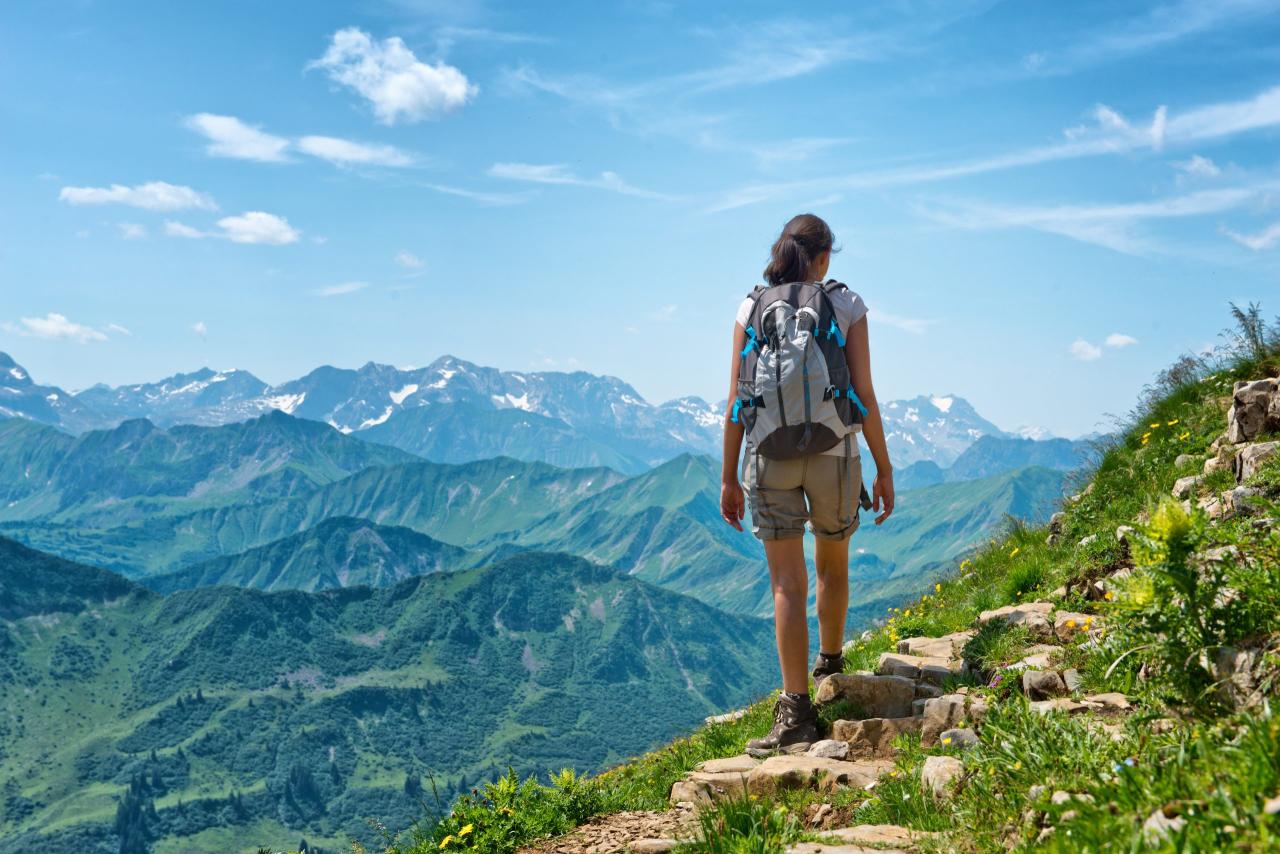
Embarking on a hiking and camping adventure as a beginner requires careful selection of trails and campsites to ensure safety, enjoyment, and an enriching experience. The right choices can make the difference between a memorable outdoor adventure and an overwhelming or unsafe situation. Understanding how to identify beginner-friendly trails and accessible campsites helps build confidence and fosters a positive connection with nature.
Selecting suitable trails and campsites involves evaluating trail difficulty levels, terrain, and proximity to amenities or emergency services. It also requires considering your physical fitness, hiking experience, and the equipment you have available. Proper planning ensures that the journey remains enjoyable and safe, especially for those new to outdoor activities.
Choosing Beginner-Friendly Hiking Trails
For beginners, selecting hiking trails with clear difficulty ratings and manageable features is essential. These trails typically feature gentle slopes, well-maintained paths, and shorter distances. Many parks and outdoor recreation areas provide trail maps and ratings that help hikers assess suitability based on their experience level. Opting for trails marked as easy or beginner-friendly, often indicated with green or blue markers, can prevent overexertion and reduce the risk of accidents.
Some key criteria for selecting suitable trails include:
- Trail Length: Opt for trails that are within 1 to 3 miles (1.6 to 4.8 kilometers), allowing for a comfortable round trip without fatigue.
- Elevation Gain: Choose routes with minimal elevation changes, ideally under 200 feet (60 meters) to maintain manageable difficulty.
- Terrain Type: Favor well-maintained, flat, and firm surfaces such as gravel or packed dirt, which are easier to navigate and reduce the risk of slips or falls.
- Trail Signage and Markings: Well-marked trails with clear signage help prevent navigation issues, especially for those unfamiliar with the area.
Comparison Table of Popular Beginner Trails
Understanding the specifics of popular beginner trails can aid in making an informed decision. Below is a comparison table featuring some well-known beginner-friendly trails, highlighting their length, elevation, and terrain characteristics:
| Trail Name | Location | Length | Elevation Gain | Terrain |
|---|---|---|---|---|
| Easy Bay Loop | Golden Gate Park, California | 1.2 miles (1.9 km) | 50 feet (15 meters) | Flat, paved paths with shaded areas |
| River Walk Trail | Great Smoky Mountains National Park, Tennessee | 2 miles (3.2 km) | 100 feet (30 meters) | Gravel and packed dirt, gentle slopes |
| Lakeview Trail | Acadia National Park, Maine | 1.5 miles (2.4 km) | 25 feet (8 meters) | Flat, well-maintained trail along the lake shore |
| Sunrise Path | Shenandoah National Park, Virginia | 2.5 miles (4 km) | 150 feet (45 meters) | Gravel with slight inclines, scenic views |
This table illustrates how various beginner trails differ in length, elevation, and terrain, enabling hikers to select routes aligned with their comfort level and fitness.
Criteria for Finding Safe and Accessible Campsites Near Hiking Routes
Choosing an appropriate campsite is integral to a safe and enjoyable outdoor experience. The best campsites for beginners are those that are accessible, well-maintained, and located near the hiking trail for ease of access and safety. When scouting for campsites, consider the following criteria:
- Proximity to Water Sources: Campsites near streams, lakes, or rivers offer convenient access to water for cooking and cleaning, but should be situated at a safe distance to avoid flood risks.
- Accessibility and Ease of Access: Look for sites accessible by vehicle or with short, manageable hikes to minimize effort, especially if carrying heavy gear.
- Flat and Stable Ground: Flat terrain reduces the risk of rolling or sliding tents and makes for comfortable sleeping arrangements.
- Safety and Privacy: Choose areas away from high-traffic zones, wildlife pathways, or unstable cliffs. Adequate spacing from other campers enhances privacy and safety.
- Compliance with Regulations: Ensure the campsite is within designated camping areas and follows local park or forest service rules to protect the environment and avoid penalties.
Before setting up camp, conduct a visual inspection for hazards such as dead trees, loose rocks, or signs of animal activity. Reading reviews and consulting park maps or ranger stations can provide additional insights into the safety and accessibility of potential campsites near your chosen hiking trail.
Basic Hiking Techniques and Safety Tips
Embarking on a hiking adventure while camping offers an enriching experience that combines the tranquility of nature with physical activity. For beginners, mastering fundamental hiking techniques and safety measures is essential to ensure a safe, enjoyable journey. These practices help prevent accidents, conserve energy, and foster a greater appreciation for the natural environment.Developing proper hiking techniques not only enhances your efficiency on the trail but also minimizes fatigue and reduces the risk of injury.
Safety precautions are equally vital, especially when dealing with unpredictable weather, encounters with wildlife, or unforeseen trail emergencies. Implementing these guidelines allows you to confidently explore outdoor settings while respecting nature and maintaining personal safety.
Proper Hiking Posture and Pacing for Beginners
Maintaining an appropriate hiking posture and pacing is critical to conserving energy and preventing strain during your outdoor adventures. Good posture involves standing upright with your shoulders relaxed and your gaze directed forward, which helps keep your spine aligned and reduces fatigue in your back and neck. When ascending or descending slopes, lean slightly forward or back accordingly to maintain balance and reduce stress on your knees and ankles.Pacing should be steady and comfortable, especially for beginners still building endurance.
It is advisable to start with a moderate pace, ensuring that conversation remains possible without excessive breathing difficulty. Regularly monitoring your heart rate and breathing can help you stay within a sustainable effort zone. Incorporating brief rest breaks every hour allows your muscles to recover and prevents overexertion, ensuring you maintain energy throughout your hike.
Navigation Without Advanced Tools
Navigation in natural environments relies heavily on understanding natural signs and basic map reading skills, particularly when electronic devices are unavailable or malfunction. Familiarity with landmarks, such as distinctive trees, rock formations, streams, and trail markers, can serve as reliable points of reference, helping you stay oriented along your route.Using a physical topographic map and a compass enhances your ability to navigate accurately.
When using a map, orient it with your surroundings by aligning it with visible landmarks and the cardinal directions. Recognizing natural signs like the sun’s position, shadows, and wind patterns can further assist in maintaining your bearings. For example, the sun rises in the east and sets in the west, which can help determine directions during the day. Observing moss growth on trees, which tends to favor shady, damp sides, can also provide subtle clues about directionality, although these signs should be used in conjunction with a map and compass for confirmation.
Safety Precautions for Hiking in the Wilderness
Ensuring safety during hiking involves proactive measures for dealing with wildlife, weather variations, and potential trail emergencies. Being aware of local wildlife behaviors enables hikers to avoid negative encounters; for instance, making noise while moving through dense brush can alert animals to your presence, reducing surprise encounters. Carrying bear spray or other deterrents is advisable in regions known for large predators.Weather conditions can change rapidly, so it is crucial to check weather forecasts before your hike and carry appropriate gear, such as rain jackets, layered clothing, and sun protection.
In case of sudden storms or temperature drops, having an emergency shelter or thermal blankets can be life-saving. Understanding basic first aid procedures, such as treating cuts, insect bites, or sprains, prepares you to handle trail injuries effectively. Additionally, informing someone about your itinerary and expected return time ensures help can be dispatched if an emergency arises.Trail emergencies, such as getting lost or injured, require calm and strategic response.
Staying on marked trails reduces the risk of disorientation, and carrying a whistle can aid in signaling for help. Maintaining communication with fellow hikers and keeping a fully charged mobile phone (where service permits) adds an extra layer of safety. Always carry sufficient water, food, and a small first aid kit to manage unforeseen situations confidently.
Setting Up Camp and Managing Resources
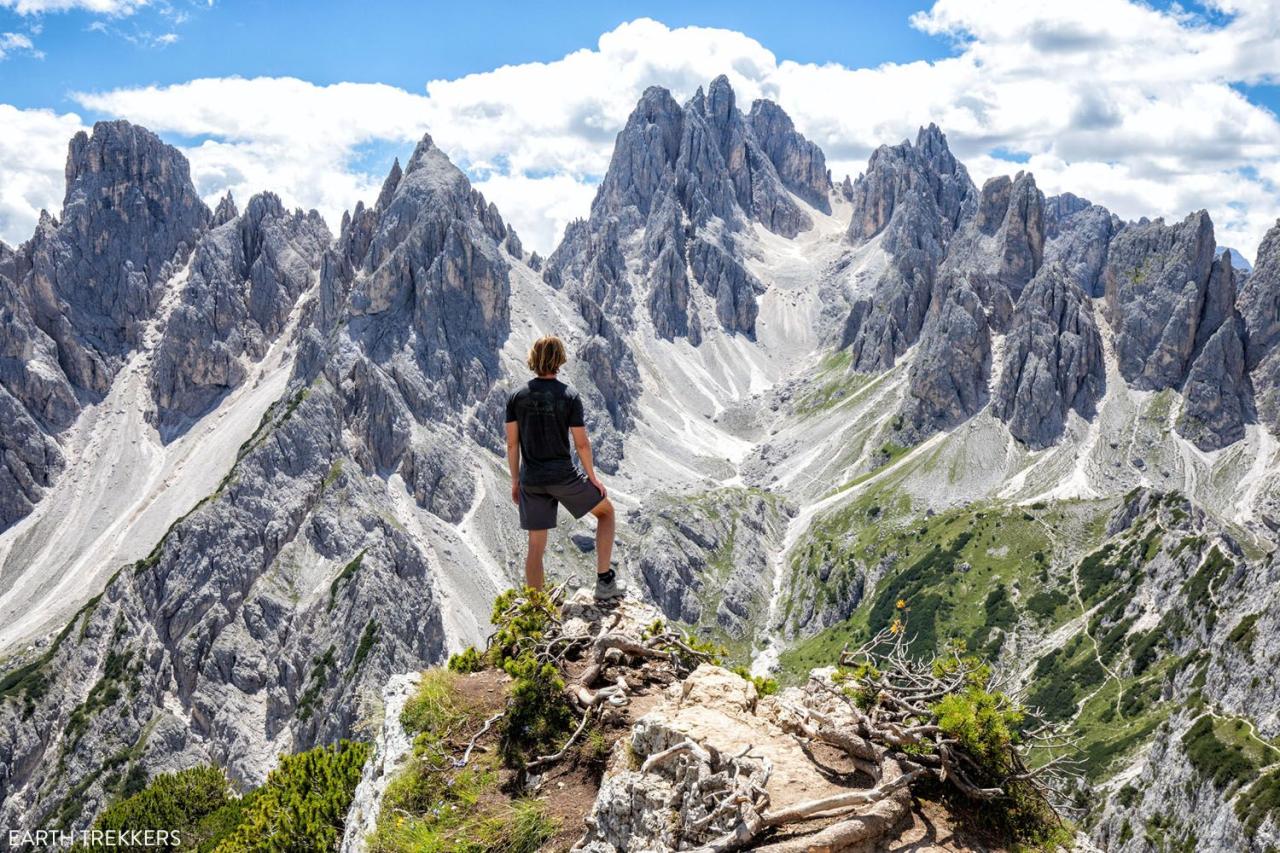
Embarking on a camping trip requires not only enjoying the outdoors but also establishing a safe and comfortable base. Properly setting up your camp and managing essential resources like water and food are crucial skills for beginners to ensure a successful and enjoyable outdoor experience. These practices help conserve energy, minimize environmental impact, and promote safety throughout your adventure.Effective resource management and campsite setup are fundamental components of responsible camping.
They enable you to sustain yourself during multi-day trips, reduce waste, and maintain the natural beauty of the environment. Mastering these skills will boost your confidence and prepare you for a variety of outdoor scenarios.
Pitching a Tent Suitable for Beginners
For beginners, setting up a tent can seem daunting, but with clear steps, it becomes straightforward. A well-pitched tent provides protection from the elements, keeps critters at bay, and ensures a restful sleep.Begin by selecting a suitable campsite: choose a flat, well-drained area that is clear of rocks, sticks, and low-hanging branches. To set up your tent:
- Lay out the tent body on the ground, ensuring the door faces your preferred direction, such as away from the wind or toward a scenic view.
- Unfold and position the tent poles according to the manufacturer’s instructions. Typically, they form the frame that supports the tent fabric.
- Insert the poles into the designated sleeves or clips on the tent, creating the structure. For dome tents, crossing poles are common, providing stability.
- Secure the tent to the ground using stakes at each corner and along the sides. Use a mallet or a sturdy rock if necessary to drive stakes into the soil firmly.
- Attach the rainfly, if available, to protect against rain and wind. Ensure all zippers and ventilation flaps are properly closed and adjusted.
- Verify the tension of the tent fabric and stakes, tightening as needed to prevent sagging or flapping in the wind.
Practicing this process before your trip, perhaps in your backyard, can increase confidence and efficiency on the trail.
Campfire Safety Rules
A campfire can enhance your outdoor experience by providing warmth, light, and a means to cook food. However, it also poses risks if not managed responsibly. Adhering to strict safety rules ensures the safety of yourself, other campers, and the environment.Below is a table outlining essential fire safety rules, including methods of starting fires and proper extinguishing techniques:
| Aspect | Guidelines |
|---|---|
| Choosing a Fire Site | Select a designated fire ring or a cleared, open area away from overhanging branches, dry grass, or leaves. Ensure the site complies with local regulations. |
| Starting a Fire | Use matches or a lighter; avoid accelerants like gasoline. Build a small, manageable fire using tinder (dry leaves, paper), kindling (small sticks), and larger logs as needed. |
| Managing the Fire | Keep the fire small and controllable. Never leave it unattended, and keep a bucket of water, sand, or a fire extinguisher nearby. |
| Extinguishing the Fire | Pour water slowly over the fire until hissing stops, stir the ashes with a stick, and ensure all embers are cooled and extinguished before leaving the site. Never bury a fire as it can reignite. |
| Fire-Starting Methods | Use matches or lighters, fire starters, or natural methods like a ferrocerium rod. Avoid unsafe techniques that could lead to wildfires. |
| Extinguishing Techniques | Use plenty of water, stir ashes, and confirm no heat or smoke remains. Always double-check before leaving the site to prevent accidental wildfires. |
Conserving Water and Food Supplies
When camping for multiple days, resource conservation becomes essential to prolong your supplies and minimize environmental impact. Efficient management ensures you have enough provisions while reducing waste.To conserve water:
- Limit washing to necessary tasks, using biodegradable soap and a minimal amount of water. Wash dishes away from natural water sources at least 200 feet upstream.
- Reuse water when possible for cleaning or other purposes, provided it is safe to do so.
- Collect rainwater or dew using clean containers for non-potable uses if permitted and safe.
To manage food supplies:
- Plan meals with non-perishable, lightweight items that provide high energy, such as trail mix, dried fruits, and energy bars.
- Implement portion control to avoid waste and ensure supplies last the entire trip.
- Use efficient cooking methods, such as one-pot meals, and share cooking tasks with fellow campers to save fuel and time.
- Dispose of food waste responsibly by packing it out or using designated waste disposal sites, preventing attracting wildlife to your campsite.
Managing resources effectively not only ensures your comfort and safety but also helps preserve the pristine environment for future outdoor enthusiasts.
Leave No Trace Principles and Environmental Care
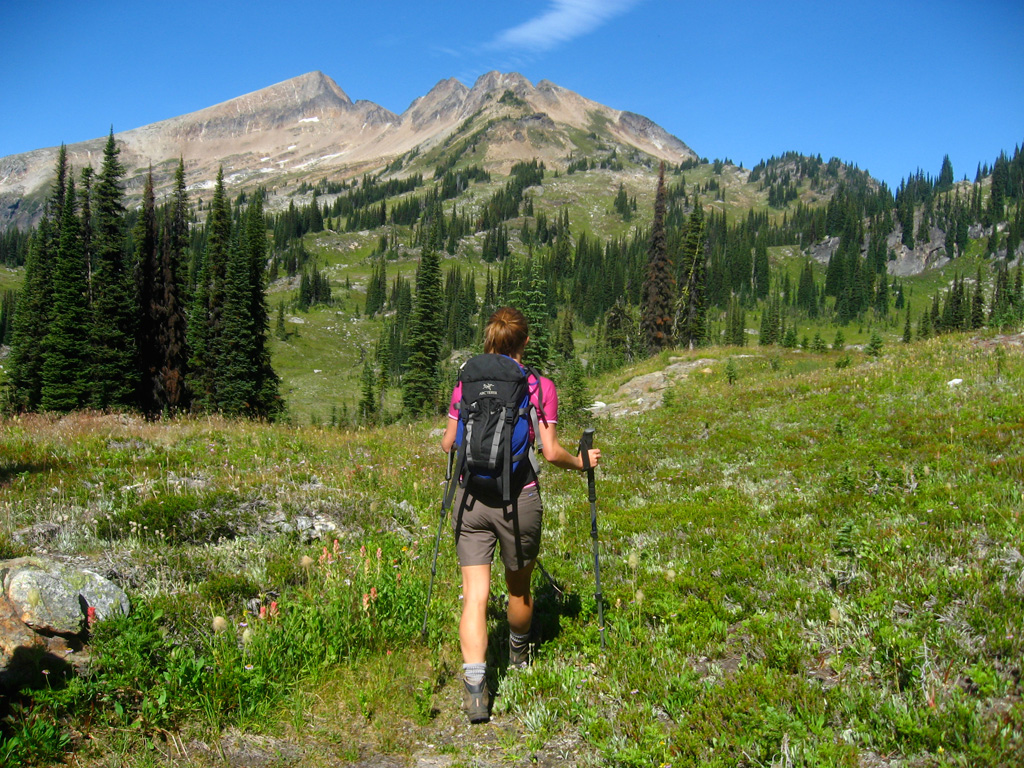
Embarking on outdoor adventures while camping and hiking requires a respectful approach towards nature. The Leave No Trace principles serve as a vital guide for beginners to minimize their environmental impact, ensuring that natural landscapes remain pristine for future visitors and ecosystems remain undisturbed. Practicing these principles fosters a harmonious relationship with the wilderness and helps preserve the beauty and ecological integrity of outdoor spaces.Understanding and implementing Leave No Trace practices is essential for responsible outdoor recreation.
These guidelines are designed to promote sustainable habits, reduce pollution, and prevent habitat destruction. As beginners, adopting these behaviors not only enhances your outdoor experience but also contributes significantly to conservation efforts, ensuring that nature remains a vibrant and healthy environment.
Core Principles of Leave No Trace
The Leave No Trace framework consists of seven foundational principles, each emphasizing specific actions to reduce environmental impact during outdoor activities:
- Plan Ahead and Prepare: Adequate planning minimizes the risk of resource damage and ensures safety, reducing the likelihood of unintentional harm due to lack of preparation.
- Travel and Camp on Durable Surfaces: Using established trails and campsites prevents soil erosion and vegetation loss. Travel off designated routes can cause significant environmental degradation.
- Dispose of Waste Properly: Proper waste disposal, including human waste, prevents pollution and protects wildlife habitats.
- Leave What You Find: Preserving natural and cultural features ensures future visitors can enjoy the same experience without impacting the environment.
- Minimize Campfire Impact: Fires can scar the land and cause wildfires; using established fire rings or alternatives like portable stoves reduces these risks.
- Respect Wildlife: Observing animals from a distance and avoiding feeding them prevents dependency and behavioral changes that could harm their health.
- Be Considerate of Other Visitors: Respecting fellow outdoor enthusiasts fosters a positive experience for all and reduces conflicts caused by environmental disturbance.
Best Practices for Waste Disposal and Environmental Respect
Effective waste management is critical to reducing our footprint in natural settings. Proper disposal methods prevent pollution, protect wildlife, and keep outdoor spaces clean and enjoyable for everyone.When it comes to waste disposal, the following practices are recommended:
- Carry out all trash: Bring sealed waste bags for packaging out trash, including food wrappers, bottles, and non-biodegradable materials. Leave sites cleaner than you found them.
- Use biodegradable products: When necessary, opt for biodegradable soap, toiletries, and cleaning supplies to reduce chemical impact on soil and water sources.
- Dispose of human waste responsibly: Use designated facilities where available. In remote areas, dig a cathole at least 6-8 inches deep and 200 feet away from water sources. Cover and conceal the waste thoroughly after use.
- Utilize waste disposal bags: In areas lacking facilities, portable waste bags specifically designed for human waste collection can be used. Seal and pack out waste for proper disposal later.
“Leave what you find, and pack out everything you bring in — this simple rule preserves the natural beauty and ecological balance of outdoor environments.”
Environmentally Respectful Camping Behaviors
Adopting environmentally conscious camping habits is essential for maintaining healthy ecosystems and ensuring sustainable enjoyment of outdoor spaces:
- Stay on established trails and campsites to prevent trampling and soil erosion.
- Avoid disturbing wildlife by keeping a respectful distance and minimizing noise.
- Use biodegradable cleaning products and dispose of waste properly to prevent chemical contamination.
- Limit campfire use, opting for portable stoves when possible, and ensure fires are fully extinguished before leaving.
- Practice water conservation by using minimal amounts of water and avoiding contaminating water sources.
- Educate fellow campers about Leave No Trace principles to promote collective environmental responsibility.
- Respect plant life by avoiding picking flowers or removing natural objects from the environment.
Maintaining these environmentally respectful behaviors ensures that outdoor spaces remain vibrant, healthy, and accessible for generations to come, allowing everyone to enjoy the beauty of nature while safeguarding its integrity.
Enhancing the Hiking Experience with Basic Skills
Embarking on a hiking adventure while camping offers an enriching opportunity to connect with nature on a deeper level. Developing fundamental skills not only increases enjoyment but also fosters a greater appreciation for the natural environment. By honing observational abilities, documentation techniques, and storytelling, beginners can transform a simple hike into an educational and memorable journey that inspires curiosity and respect for the outdoors.A well-rounded hiking experience involves engaging with the environment in meaningful ways.
Recognizing local flora, fauna, and landmarks enhances awareness and provides educational value, while documenting the trip allows for reflection and sharing. Incorporating group activities and storytelling further enriches the experience, making each hike a collaborative exploration that cultivates camaraderie and a sense of discovery.
Identifying Local Flora, Fauna, and Natural Landmarks
Understanding the ecosystems encountered during a hike deepens connection with the environment and promotes conservation awareness. To effectively identify the natural elements around you, familiarity with regional species and landmarks is essential. Incorporate field guides tailored to the local area, covering common plants, animals, and geological features. Pay attention to distinctive characteristics such as leaf shapes, bark textures, animal tracks, bird calls, and land formations, which aid in accurate identification.Engaging in educational hikes with knowledgeable guides or using mobile apps designed for nature identification can greatly enhance learning.
Observe seasonal variations that influence flora and fauna activity, and take note of prominent landmarks like unique rock formations, waterfalls, or notable trees. These landmarks serve as navigational aids and points of interest, enriching the storytelling aspect of your hike.
Documenting the Trip through Journaling or Sketching
Capturing memories and insights from your outdoor adventures through journaling or sketching adds depth to the hiking experience. Journals can include detailed descriptions of sights, sounds, weather conditions, and personal reflections, creating a rich narrative that preserves the essence of the trip. Sketching offers a visual record—detailed drawings of plants, animals, or scenic vistas—that enhances observation skills and artistic expression.Encourage the use of portable materials such as waterproof notebooks, colored pencils, or fine-tip pens to facilitate easy documentation in outdoor settings.
Incorporate field notes on environmental conditions, wildlife behaviors, and interesting discoveries. These records become valuable resources for future hikes, educational purposes, or sharing stories with fellow hikers and friends.
Group Activities and Storytelling to Enrich the Outdoor Experience
Group activities and storytelling foster a sense of community and shared learning during hikes. Organize engaging activities like nature scavenger hunts, where participants search for specific plants, rocks, or animal signs, promoting attentiveness and teamwork. Incorporating games that involve identifying sounds or tracking footprints encourages active participation and enhances observational skills.Storytelling sessions can be built into rest stops or campfire evenings, where participants share personal experiences, legends, or interesting facts about local wildlife and history.
This tradition nurtures curiosity, cultural appreciation, and interpersonal connections. Additionally, collaborative storytelling can include creating fictional tales inspired by the landscape, stimulating imagination while reinforcing knowledge of the environment.
Outcome Summary
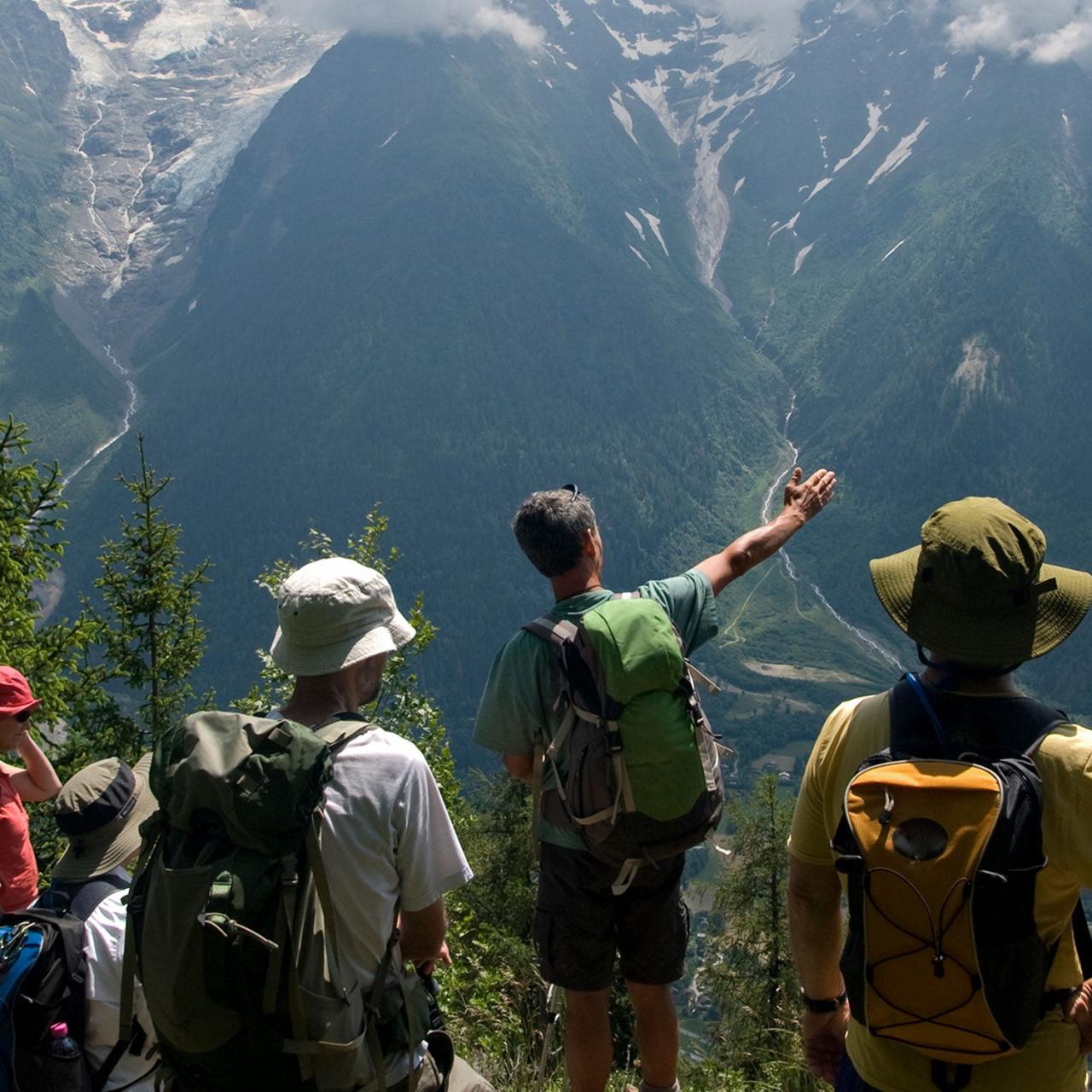
In summary, mastering the essentials of hiking and camping for beginners can transform outdoor adventures into safe, enjoyable, and environmentally respectful experiences. With proper planning, awareness, and respect for nature, novice hikers can build confidence and develop a lifelong appreciation for the outdoors. Embrace these practices to create memorable trips that inspire exploration and connection with the natural world.