Learning how to pack a backpack efficiently for camping is essential for ensuring a safe, comfortable, and enjoyable outdoor adventure. Proper packing not only helps manage weight but also guarantees quick access to vital essentials when needed most. Whether you are embarking on an overnight trip or a multi-day expedition, mastering optimal packing techniques can significantly enhance your camping experience.
This guide provides practical tips on selecting the right backpack, organizing gear systematically, employing effective packing methods, maximizing available space, and arranging items for safety and accessibility. By applying these strategies, outdoor enthusiasts can pack smarter, travel lighter, and enjoy their adventures to the fullest.
Importance of packing efficiently for camping

Efficient packing is a vital aspect of preparing for a camping adventure, directly influencing the overall experience, safety, and comfort of outdoor enthusiasts. When gear and supplies are organized optimally, campers can enjoy their trip with reduced stress, improved mobility, and quicker access to essential items. Proper packing transforms a potentially chaotic task into a strategic process that enhances safety and enjoyment in the wilderness.
Optimized packing offers numerous benefits that extend beyond convenience. It helps manage the overall weight of the backpack, preventing unnecessary strain on the body and reducing fatigue during hikes and outdoor activities. Additionally, a well-packed backpack ensures that critical items—such as first aid supplies, navigation tools, and emergency gear—are readily accessible, which is crucial in unforeseen situations. By avoiding common packing mistakes, campers can minimize discomfort, prevent damage to gear, and maintain an organized system that supports a safe and enjoyable camping experience.
Benefits of optimized packing
Strategic organization within a backpack contributes significantly to a safer and more comfortable camping trip. Properly distributed weight reduces the risk of strain injuries and enhances stability during movement, especially on uneven terrain. When essentials are packed thoughtfully, it minimizes the time spent searching for items, allowing for quick response to changing weather conditions or unexpected needs. Additionally, a well-organized pack improves overall safety by ensuring emergency supplies are within immediate reach, which can be crucial during nighttime or in adverse weather conditions.
Common packing mistakes and their impacts
Many campers fall into the trap of inefficient packing, which can adversely affect their outdoor experience. One frequent mistake is overpacking, which leads to excessive weight that causes fatigue and limits mobility. Conversely, underpacking or forgetting essential items such as a map, water filtration system, or rain gear can jeopardize safety and comfort. Improperly distributing weight, such as placing heavy items at the top or outside the pack, can cause imbalance and increase the risk of falls or discomfort.
Lastly, ignoring weather conditions or the specific needs of the trip often results in packing irrelevant or insufficient gear, which may lead to discomfort or even dangerous situations in the wilderness. Proper planning, organization, and attention to detail are key to avoiding these pitfalls and ensuring a successful camping adventure.
Selecting the right backpack for camping
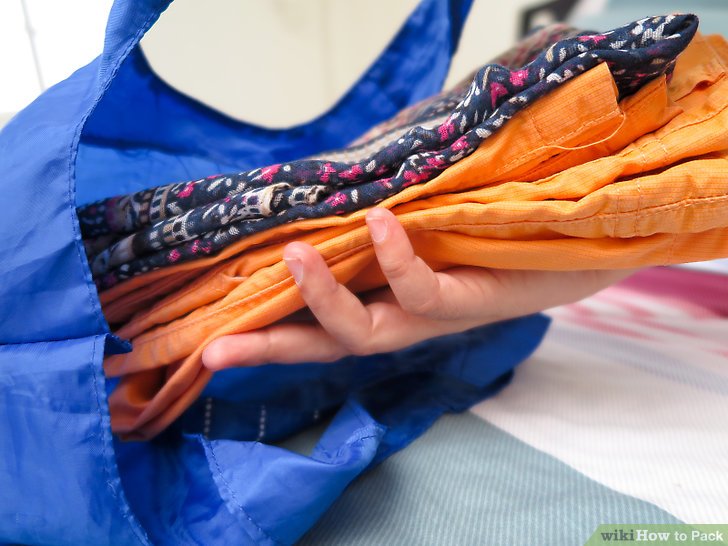
Choosing the appropriate backpack is essential to ensure a comfortable and efficient camping experience. The right pack not only accommodates your gear but also supports your physical comfort and enhances mobility during your trip. When selecting a backpack, it’s important to consider factors such as trip duration, terrain, and personal preferences to find a model that best suits your needs.A well-chosen backpack balances capacity, weight, support, and organizational features.
It should fit your body properly and be tailored to the specific demands of your camping adventure. Carefully evaluating these criteria helps prevent discomfort, reduces fatigue, and keeps your gear organized and accessible throughout your journey.
Criteria for choosing a suitable backpack based on trip duration and terrain
Selecting the right backpack involves understanding the specific requirements dictated by the length of your trip and the terrain you will traverse. For example, short overnight trips require smaller, lighter packs that prioritize ease of movement. Longer excursions, such as multi-day hikes, demand larger capacity packs with advanced support features to carry more gear comfortably over extended periods. Terrain influences the design features of a backpack as well.
For rugged mountainous terrain, a pack with enhanced support and stability features, such as a reinforced frame and padded hip belts, is advisable. Conversely, for flatter terrains like forest trails or well-maintained paths, a lighter pack with basic support might suffice. Being aware of these factors ensures that your backpack aligns with the demands of your adventure, improving safety and comfort while reducing unnecessary strain.
Organizational features of backpacks: capacity, weight, support systems, and compartments
Understanding the specific features of backpacks helps in making an informed choice. The following table summarizes key considerations:
| Feature | Description | Importance |
|---|---|---|
| Capacity | The volume of the backpack, measured in liters, ranging from small (20-40L) to large (>70L) | Determines how much gear can be stored; essential based on trip length and gear needs |
| Weight | The weight of the empty backpack, affecting total load | Lightweight models reduce fatigue, especially on long hikes |
| Support Systems | Includes padded hip belts, shoulder straps, back panels, and frames | Critical for distributing weight evenly and providing comfort during extended use |
| Compartments | Number and organization of pockets, sleeves, and sections | Facilitates organized packing and quick access to gear |
Comparison of different backpack types with pros and cons
Different types of backpacks cater to various camping needs, with each offering specific advantages and limitations. The following overview highlights popular styles:
- Internal Frame Backpacks
- Pros: Offers a close-to-body fit, good weight distribution, and protection for gear inside the pack.
- Cons: Generally heavier than frameless models, and less adjustable for varying load sizes.
- External Frame Backpacks
- Pros: Superior for carrying heavy or bulky loads; easy to access gear on the outside.
- Cons: Bulkier and heavier, less aerodynamic, and less comfortable for long treks or narrow trails.
- Hydration Packs
- Pros: Lightweight and convenient for short hikes or day trips; easy to hydrate on the move.
- Cons: Limited capacity, insufficient for multi-day camping; lacks storage for larger gear.
- Frameless Daypacks
- Pros: Extremely lightweight and compact, ideal for short outings.
- Cons: Minimal support and capacity, unsuitable for carrying heavy gear or extended trips.
Choosing the appropriate backpack type is crucial depending on the length of your trip, the terrain, and the amount of gear you need to carry. Carefully considering these factors ensures you select a pack that provides comfort, efficiency, and safety during your camping adventure.
Planning and organizing gear for packing

Proper planning and organization of your gear are essential steps to ensure a smooth and efficient camping experience. When packing for a trip, sorting gear into clear categories helps prevent missing crucial items and facilitates easy access during your adventure. Well-organized packing minimizes stress, saves time, and maximizes space, resulting in a more enjoyable and successful camping trip.Effective organization involves categorizing all necessary items, prioritizing them based on their utility and frequency of use, and developing a systematic packing approach.
This methodical process ensures that your backpack remains manageable and that essential gear is readily accessible when needed. Proper planning also helps in assessing if your gear meets the specific requirements of your camping scenario, whether for an overnight stay or a multi-day trek.
Sorting gear into categories
To begin, systematically divide your gear into key categories that reflect different aspects of your camping needs. This simplifies packing and retrieval during your trip.
- Sleeping gear: Items such as sleeping bags, sleeping pads, pillows, and sleepwear. These essentials are typically used at the start and end of each day and should be packed in an accessible section of your backpack.
- Cooking supplies: Stoves, fuel, cookware, utensils, food, and water purification devices. Grouping these together streamlines meal preparation and allows quick setup at your campsite.
- Clothing: Weather-appropriate garments, extra layers, rain gear, hats, and footwear. Organize clothing by type and use, and consider packing some items in waterproof bags.
- Safety equipment: First aid kits, maps, compasses, multi-tools, headlamps, and emergency supplies. These carry high importance and should be kept in easy-to-reach compartments.
Prioritizing items based on necessity and usage frequency
Understanding the importance and frequency of use of each item allows for efficient packing and quick access to essential gear.
Items that are critical for immediate safety or comfort, such as first aid kits, navigation tools, and lighting, should be packed in the most accessible parts of your backpack. Items used daily or at specific times—like cooking utensils or extra clothing—should be organized for easy retrieval. Less frequently needed items, such as spare batteries or backup gear, can be stored in lower or less accessible compartments, optimizing your pack’s balance and accessibility.
Sample checklists for different camping scenarios
To assist in planning, here are sample item checklists tailored for various camping durations and styles. These lists help ensure no critical gear is overlooked and can be customized based on personal needs and environmental conditions.
Checklists serve as valuable tools for ensuring completeness and for adapting to different camping scenarios, whether for an overnight trip, multi-day excursions, or extended backpacking adventures.
Overnight Camping Checklist
- Sleeping bag suitable for expected temperatures
- Lightweight sleeping pad
- Compact stove and fuel canister
- Cooking pot, utensils, and lightweight plates
- Food and snacks for one night
- Weather-appropriate clothing and rain gear
- Basic toiletries and insect repellent
- First aid kit and personal medications
- Headlamp or flashlight with extra batteries
- Map, compass, or GPS device
Multi-day Camping Checklist
- All overnight essentials plus additional clothing layers
- Extra food provisions and water purification supplies
- Additional camping gear, such as a tent or tarp
- Repair kits for gear and clothing
- Extra batteries or power bank
- Personal hygiene supplies, including biodegradable soap
- Additional safety equipment, like signaling devices
Backpacking Trip Checklist
- All multi-day essentials plus lightweight, compact gear
- High-calorie, lightweight food options
- Navigation tools suitable for remote areas
- Emergency shelter or bivvy bag
- Clothing suitable for variable weather conditions
- Extra water storage and filtration systems
- Personal safety and communication devices, such as a satellite messenger
Techniques for Efficient Packing
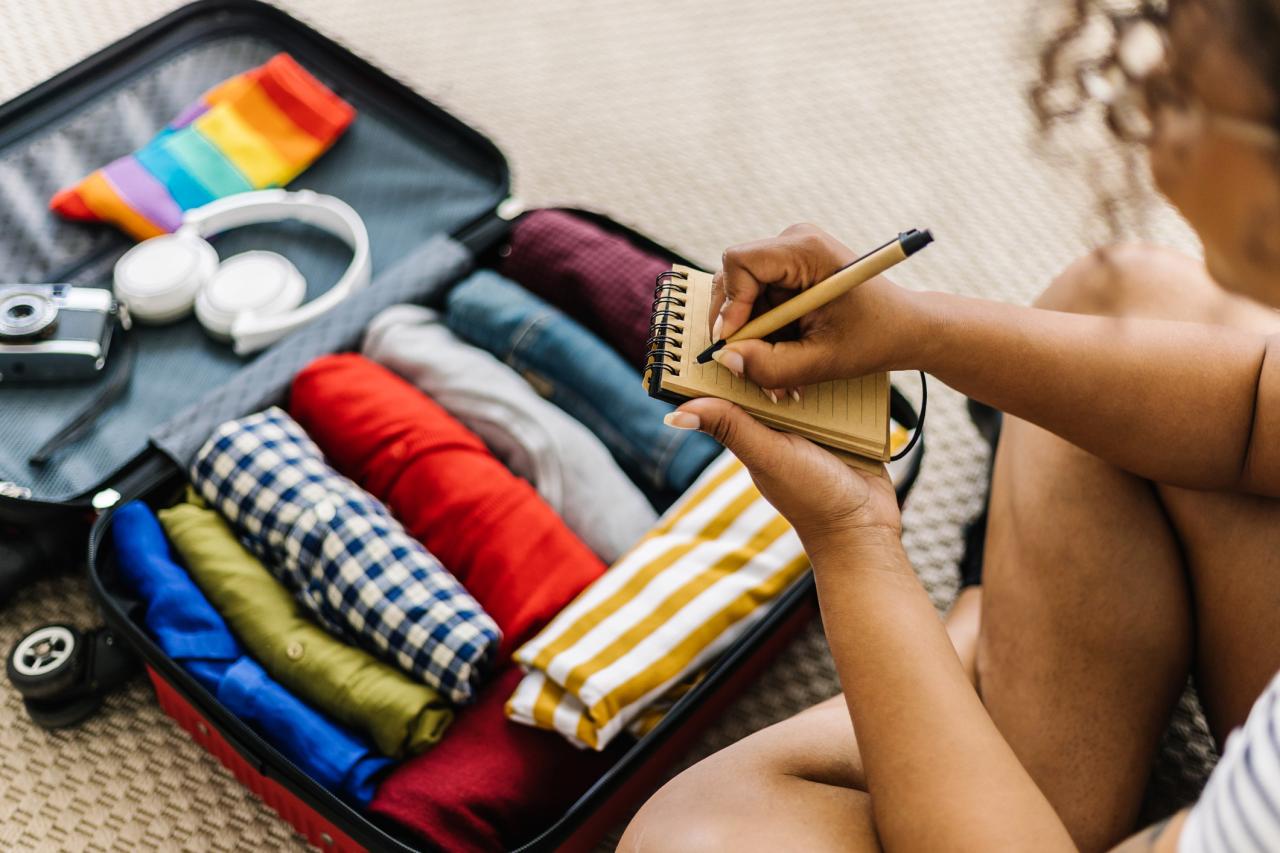
Efficient packing is essential for maximizing space, maintaining organization, and ensuring comfort during your camping adventure. Employing effective techniques not only helps in fitting all necessary gear but also facilitates easier access and balanced weight distribution, making your trip more enjoyable and less strenuous.The right packing methods can significantly enhance your camping experience by preventing unnecessary strain, reducing clutter, and safeguarding fragile items.
Implementing practical techniques such as rolling clothes, nesting smaller items, and strategic compartmentalization allows for optimal use of space within your backpack while maintaining order.
Rolling Clothes and Nesting Items
Rolling clothes is a popular method that minimizes creases and conserves space compared to folding. By tightly rolling T-shirts, pants, and other soft textiles, you create compact bundles that fit neatly into corners or tightly packed sections of your pack. Nesting involves placing smaller items inside larger, more rigid containers or larger clothing items—for example, stowing socks inside shoes or placing toiletries within sealed bags inside larger compartments.This approach reduces air gaps and prevents items from shifting during movement.
Additionally, nesting promotes organization by grouping related items together, enabling quick retrieval and preventing the need to unpack entire sections to find specific gear.
Effective Packing Strategies
To illustrate the various packing techniques, the following table highlights common methods, their benefits, and suitable applications:
| Technique | Method Description | Advantages |
|---|---|---|
| Rolling | Rolling clothing into tight cylinders instead of folding. | Maximizes space, reduces wrinkles, and improves organization. |
| Nesting | Placing smaller items inside larger ones or stuffing socks and accessories into shoes or containers. | Saves space, keeps items organized, and prevents movement within the pack. |
| Compartmentalization | Using packing cubes or small pouches to separate gear by category. | Enhances accessibility and prevents items from mixing, simplifying packing and unpacking. |
| Layering | Arranging heavy items at the bottom, lighter at the top, and fragile items centrally. | Ensures stability, maintains balance, and protects delicate gear. |
Distributing Weight for Balance and Comfort
Proper weight distribution is crucial for maintaining comfort and avoiding fatigue during extended treks. Evenly distributing the load prevents strain on your shoulders and back while providing better control over the backpack’s movement.Begin by placing the heaviest items—such as water bottles, cooking gear, or food supplies—close to your back, centered within the pack to keep your center of gravity aligned.
Lighter items, including clothing and accessories, should be packed towards the outer sections or in top compartments. Fragile items require padding and placement in the middle of the load to minimize impact damage.Adjust shoulder straps and hip belts to ensure the weight is transferred to your hips, relieving pressure on your shoulders. Regularly check that the pack remains balanced throughout your packing process, and distribute weight evenly across all compartments to enhance stability and reduce fatigue during your outdoor journey.
Maximizing Space in the Backpack
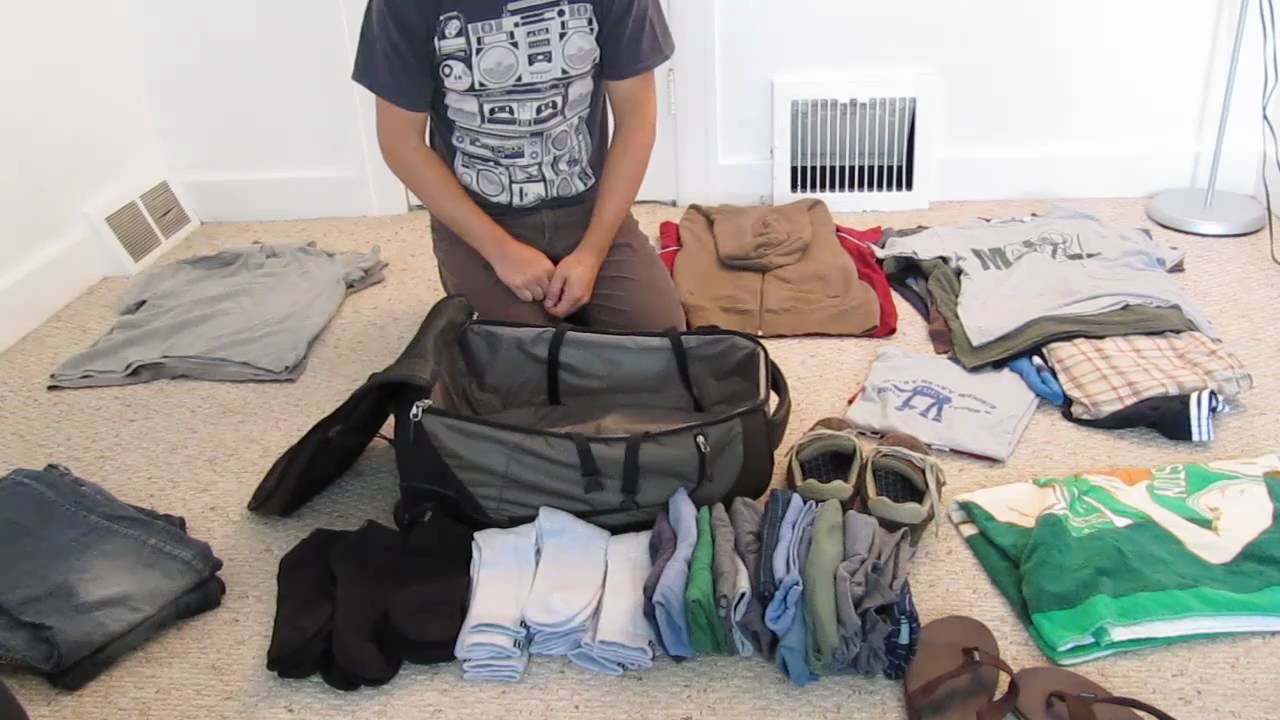
Efficient utilization of space within your backpack is fundamental to ensuring you carry all necessary gear without overloading or sacrificing important items. Proper packing techniques help distribute weight evenly and make accessing essentials more convenient during your camping trip. By focusing on strategic placement and compression, you can significantly increase the capacity of your backpack, making your packing process both effective and organized.Maximizing space involves more than just fitting items in; it requires thoughtful arrangement and the use of specific packing tools.
Implementing these strategies ensures that every inch of your backpack is used wisely, minimizing wasted gaps and making your overall packing more compact and manageable.
Utilizing Corners, Gaps, and Small Compartments Effectively
An essential aspect of efficient packing is the strategic use of every available space in your backpack, including corners, gaps, and small compartments. These often-overlooked areas can be perfect for stashing small or oddly shaped items, freeing up more accessible space for larger gear and essentials.To optimize small spaces:
- Place smaller items such as chargers, first aid supplies, or snacks into zippered pockets or side compartments that are designed for organized storage.
- Utilize corners by inserting soft, flexible items like clothing or towels into tight spaces, which helps prevent shifting during movement and maximizes volume.
- Use the gaps around larger items—such as between a rolled sleeping pad and a water bottle—to nest smaller gear, thereby reducing clutter and expanding usable space.
- Secure cords, cables, and lightweight accessories in mesh pockets or elastic loops placed along the backpack’s interior or exterior.
Implementing these approaches keeps your packing streamlined and minimizes the need for larger compartments, allowing faster access to frequently used items and enhancing overall comfort during your trek.
Compressing Bulky Items with Compression Sacks
Bulky items like sleeping bags and clothing can consume a disproportionate amount of space in your backpack. To manage this, compression sacks are invaluable tools that significantly reduce their volume, enabling more efficient packing and a better weight distribution.Compression sacks work by removing excess air from soft gear, collapsing it into a compact form that can be tightly sealed. For instance, a sleeping bag that initially fills half of your backpack can be compressed down to a fraction of its original size, freeing up space for other essentials.
Similarly, bulky clothing such as jackets or thermal layers can be rolled and squeezed into compression sacks to minimize their bulk and keep your backpack organized.Properly compressing these items not only maximizes space but also prevents them from shifting or expanding during your trip, maintaining stability and ease of access. When packing, always check that compression sacks are securely sealed to prevent air from re-entering, which can undo the space-saving benefits.
By integrating compression sacks into your packing routine, you enhance your gear management and ensure a more comfortable and balanced carry.
Epilogue
Efficiently packing your backpack for camping is a vital skill that combines organization, space management, and strategic placement of gear. With thoughtful preparation and the right techniques, you can elevate your outdoor experience, ensuring safety, comfort, and convenience throughout your trip. Embrace these practices to turn your camping excursions into seamless and memorable adventures.