Properly packing clothes for a camping trip is essential to ensure comfort, convenience, and preparedness for varying weather conditions and activities. Whether you’re embarking on a short adventure or an extended outdoor expedition, understanding the best packing techniques can significantly enhance your experience.
This guide covers essential clothing items tailored for different environments, effective packing strategies, weather-specific tips, and maintenance practices to keep your clothes in optimal condition throughout your outdoor journey.
Essential Clothing Items for Camping Trips
Proper clothing selection is crucial for ensuring comfort, safety, and adaptability during camping adventures. The right gear not only accommodates varying weather conditions but also supports a range of activities, from hiking and fishing to relaxing around the campfire. Understanding the essential clothing items needed for different scenarios helps campers pack efficiently and be prepared for unforeseen weather changes.
In this section, we will explore the key clothing categories necessary for successful camping trips, emphasizing versatility and weather-specific needs. By organizing clothing based on temperature ranges, activity types, and layering options, campers can optimize their packing strategy and enjoy their outdoor experience to the fullest.
Clothing Items Categorized by Weather Conditions
Different weather conditions demand specific clothing choices to maintain comfort and protection. Knowing what to pack for warm, cold, rainy, or variable weather ensures preparedness and enhances enjoyment during outdoor activities.
- Warm Weather: Lightweight, breathable fabrics such as moisture-wicking t-shirts, shorts, sun hats, and sunglasses are essential for hot days. Lightweight long-sleeve shirts and pants provide sun protection without overheating.
- Cold Weather: Insulating layers, including thermal base layers, fleece jackets, insulated pants, and warm hats, are necessary to retain body heat. Windproof and waterproof outer layers help shield against wind chill and precipitation.
- Rainy Weather: Waterproof jackets, quick-drying pants, and waterproof footwear are critical to stay dry and prevent hypothermia. Extra rain gear like ponchos and water-resistant backpacks also contribute to overall protection.
- Variable Conditions: Layering is vital to adapt quickly to changing weather. Combine moisture-wicking base layers, insulating mid-layers, and waterproof outer shells to stay comfortable across fluctuating temperatures and conditions.
Selecting Versatile Clothing Pieces for Multiple Activities
Choosing versatile clothing items enables campers to transition smoothly between different activities such as hiking, setting up camp, cooking, and leisure. Multi-functional garments save space in the pack while providing practicality and comfort during diverse outdoor tasks.
- Convertible Pants: Pants that can be zipped off into shorts are ideal for variable climates and multiple activities. They provide protection and comfort while offering flexibility.
- Layered Tops: Moisture-wicking base layers combined with insulating mid-layers and quick-drying outer shells adapt well to temperature changes and physical exertion levels.
- Durable Footwear: Waterproof hiking boots with good ankle support serve both hiking and casual camp chores, reducing the need for multiple pairs.
- Sun Protection Accessories: Wide-brim hats, UV-protective sunglasses, and lightweight scarves serve outdoor activities and also provide necessary sun shielding with minimal packing space.
Clothing Organization for Temperature Ranges, Activity Types, and Layering Options
Effective packing involves understanding how clothing choices correlate with temperature, activity, and layering strategies. The following table offers a clear organization to assist in selecting appropriate garments based on these factors, ensuring comfort and preparedness for various scenarios.
| Temperature Range | Primary Activity | Layering Options | Recommended Clothing Items |
|---|---|---|---|
| Above 25°C (77°F) | Hiking, lounging, daytime activities | Lightweight, breathable layers |
|
| 10°C to 25°C (50°F to 77°F) | Hiking, cooking, camp chores | Base + mid-layer + outer shell |
|
| 0°C to 10°C (32°F to 50°F) | Night camping, fishing, exploring | Insulating layers + waterproof outer |
|
| Below 0°C (32°F) | Extended winter camping, mountaineering | Multiple insulating layers + windproof and waterproof shell |
|
Techniques for Efficient Clothing Packing
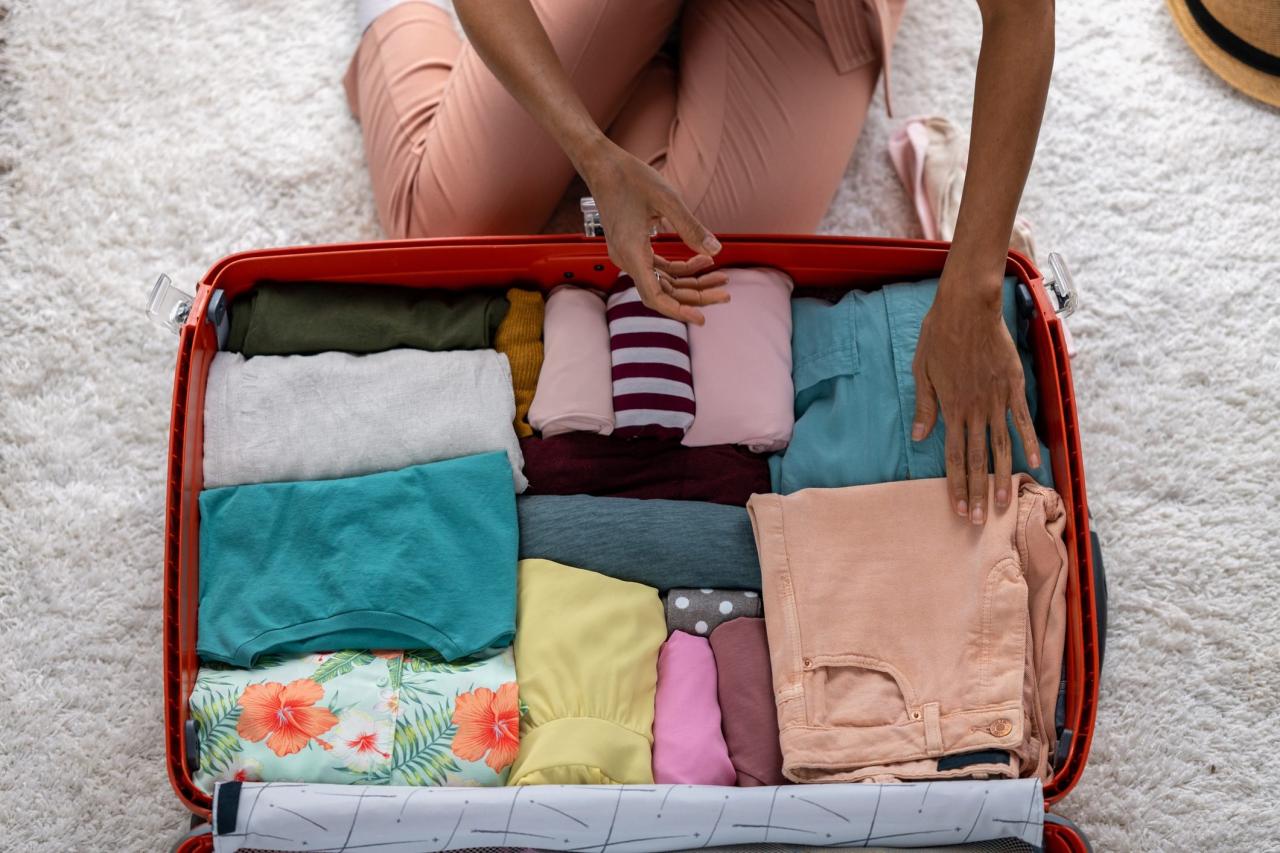
Packing clothing effectively is essential to maximize space, maintain garment quality, and facilitate quick access during your camping trip. Employing strategic methods not only conserves space within your backpack or duffel but also ensures your clothes remain in good condition throughout your adventure. Understanding and applying these techniques can significantly enhance your overall camping experience by simplifying your packing process and reducing stress during setup and break-down.Efficient clothing packing involves techniques such as rolling garments instead of folding, organizing items strategically, and protecting delicate fabrics from damage.
These methods help in managing limited space, preventing wrinkles, and keeping your clothes easily accessible when needed. Proper organization also minimizes the time spent searching for specific items, making your camping routine smoother.
Maximizing Space with Rolling Versus Folding
The choice between rolling and folding clothes plays a critical role in optimizing packing space and garment preservation. Rolling involves tightly winding clothing items into cylindrical shapes, which reduces creases and allows for more items to fit into a confined space. Folding, on the other hand, is a traditional method that can be more prone to wrinkling but is suitable for certain garments like trousers or thicker fabrics.
- Advantages of Rolling: Rolls create compact, uniform shapes that utilize space efficiently, minimize wrinkles, and make it easier to see all items at a glance.
- Benefits of Folding: Folding is better for structured clothing such as dress shirts, trousers, or items that require a crisp appearance, aiding in keeping them in good condition.
- Hybrid Approach: Combining rolling for soft, casual wear and folding for formal or delicate garments can optimize packing effectiveness.
“Rolling clothes not only saves space but also reduces the likelihood of wrinkles, making it a preferred method for camping trips.” – Outdoor Packing Expert
Organizing Clothes Within Your Backpack or Duffle
Organizing your clothing items methodically within your backpack or duffel ensures quick access and protects your apparel from damage. Proper compartmentalization and strategic placement help maintain order and prevent unnecessary hassle during your trip.To achieve this, start by grouping similar items together, such as base layers, outerwear, and sleepwear. Use packing cubes or small pouches to keep these groups separate, which facilitates easy retrieval.
Place frequently used items near the top or in accessible compartments, while less frequently needed clothing can be stored deeper inside.Organizing also involves placing heavier items at the bottom to maintain balance and prevent crushing delicate fabrics. Additionally, consider placing fragile or easily wrinkled clothes in protective layers or around other soft items to cushion them from impact.
Step-by-Step Procedures for Packing Clothing to Prevent Wrinkles and Damage
Following a systematic approach when packing clothing helps in maintaining garment integrity and reduces the need for ironing or steaming upon arrival.
- Sort and Prepare: Lay out all clothing items, removing wrinkles and ensuring they are clean and dry.
- Choose Packing Method: Decide which items to roll or fold based on fabric type and use frequency.
- Use Packing Aids: Employ packing cubes, compression bags, or soft pouches to contain grouped items and maximize space.
- Layer Strategically: Place heavier, sturdier items at the bottom of your bag, and lighter, delicate clothing on top or in protective layers.
- Wrap Delicate Items: Encase fragile or easily wrinkled garments in tissue paper or soft cloths before packing to prevent creases and damage.
- Fill Empty Spaces: Tuck smaller items like socks or underwear into gaps within larger clothing to avoid shifting during transit, which could cause wrinkles or tears.
- Secure and Compress: Use compression techniques where appropriate, pressing out excess air to save space but avoiding excessive pressure that could damage fabrics.
“Careful organization and methodical packing are key to preserving clothing quality and ensuring a hassle-free camping experience.” – Outdoor Enthusiast and Packing Consultant
Packing Strategies for Varying Durations
Effective packing for camping trips requires tailoring your approach based on the trip length. Whether planning a short overnight stay or an extended adventure, adopting suitable packing strategies ensures that you have all necessary items without overburdening yourself. Properly adjusting your packing method according to the duration not only enhances convenience but also promotes efficient use of space and weight management.
Different trip durations demand different packing philosophies. Short-term trips often benefit from minimalist, streamlined packing, emphasizing essentials and quick access. Conversely, long-term camping requires comprehensive planning, including backup supplies, versatile clothing, and considerations for varying weather conditions. Understanding how to adapt your packing approach ensures comfort, safety, and preparedness throughout your journey.
Packing Checklists for Different Trip Lengths
Using tailored checklists helps organize your packing process, preventing omissions and reducing stress. Below are customized templates for trips lasting 1-3 days, 4-7 days, and over a week, considering typical needs and essentials for each duration.
- 1-3 Days Trip Packing Checklist:
- Lightweight clothing suitable for expected weather (e.g., T-shirts, shorts, lightweight pants)
- One set of sleepwear
- Necessary toiletries in travel-sized containers
- Basic cooking supplies and utensils if cooking at camp
- Small first aid kit
- Compact rain jacket or poncho
- Limited footwear: hiking shoes and casual shoes
- Essential electronics and chargers
- 4-7 Days Trip Packing Checklist:
- Additional clothing layers including thermal wear if needed
- Extra socks and underwear
- Multiple pairs of shoes (hiking and casual)
- Extended toiletries and personal hygiene items
- Extra food supplies or snacks
- Insect repellent and sunscreens
- Backup batteries or portable power bank
- Additional camping gear if necessary (e.g., extra sleeping bag)
- Over a Week Trip Packing Checklist:
- Versatile clothing options for different climates and activities
- Sufficient toiletries and cleaning supplies
- Spare camping gear (e.g., tent repairs, extra sleeping mats)
- Replenishable food and cooking supplies
- Extended outdoor equipment (e.g., fishing gear, sports equipment)
- Document copies and emergency contacts
- Seasonal gear such as hats, gloves, or thermal blankets
- Multiple sets of clothing to rotate and wash as needed
Comparative Packing Approaches for Short-term Versus Long-term Camping
Short-term camping emphasizes minimalism, prioritizing portability and quick setup. The focus is on packing only essential items that serve immediate needs, which simplifies transportation and reduces fatigue during travel. Lightweight and multifunctional clothing, condensed toiletries, and essential cooking gear form the core of this approach. This strategy often involves packing items that can be easily washed or reused during the trip, reducing overall weight.
In contrast, long-term camping necessitates a more comprehensive packing approach. It involves preparing for a variety of weather conditions, potential equipment repairs, and extended food storage. Versatility becomes paramount, with packing lists including multiple clothing layers, backup gear, and supplies to sustain the camper over an extended period. Organization and space management are crucial, often requiring compression bags, compartmentalized storage, and detailed checklists to ensure nothing essential is overlooked.
The goal is to balance preparedness with practicality, ensuring comfort and safety throughout the prolonged stay.
Clothing Needs Relative to Trip Length and Climate
Table: Clothing Requirements Based on Trip Duration and Climate
| Trip Duration | Climate | Clothing Items Needed | Notes |
|---|---|---|---|
| 1-3 days | Warm | 2-3 T-shirts, 1 pair of lightweight pants, 1 pair of shorts, sleepwear, a light jacket | Focus on layering for temperature adjustments |
| 1-3 days | Cold/Variable | Thermal base layers, insulated jacket, gloves, hat, extra socks | Ensure warmth and moisture-wicking fabrics |
| 4-7 days | Warm | 4-5 T-shirts, 2-3 pairs of pants, shorts, multiple sets of underwear and socks, sleepwear, a waterproof jacket | Incorporate quick-drying clothing for washing and drying |
| 4-7 days | Cold/Variable | Additional thermal layers, insulated mid-layer, waterproof outerwear, thermal gloves, hats | Layering is essential for temperature regulation |
| Over a week | Warm | 7+ shirts, multiple pants and shorts, versatile outerwear, sleepwear, laundry options | Plan for washing clothes to extend usability |
| Over a week | Cold/Variable | Multiple thermal layers, insulated jackets, waterproof gear, thermal accessories, extra socks and underwear | Preparation for varying weather conditions is vital |
Weather-specific clothing packing tips
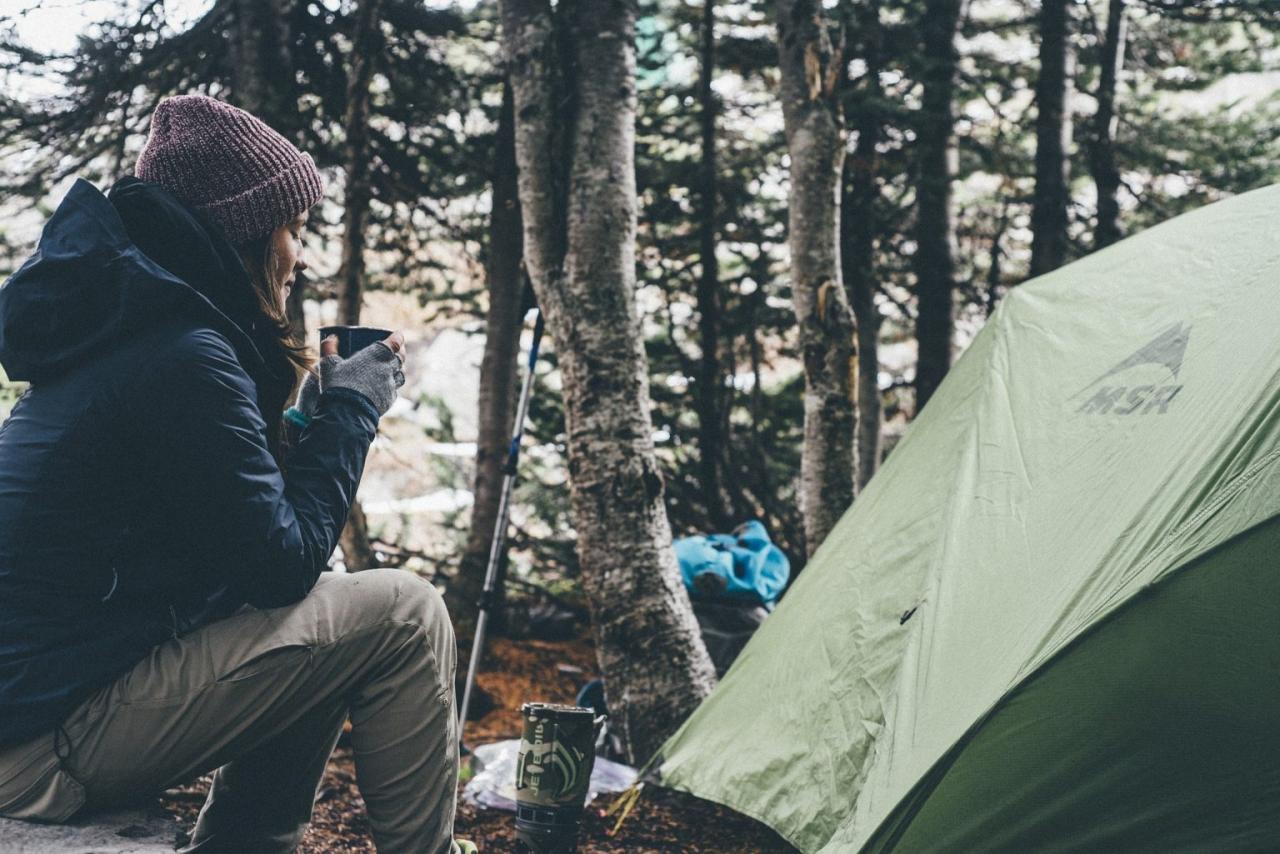
Properly preparing for the weather conditions expected during your camping trip is essential to ensure comfort, safety, and enjoyment. Different weather scenarios demand specific clothing choices, layering techniques, and protective gear. By understanding the nuances of packing for cold, rainy, hot, and windy conditions, you can adapt your wardrobe to handle unexpected shifts and maintain optimal comfort throughout your adventure.
Effective weather-specific packing involves selecting versatile, high-quality clothing that offers appropriate insulation, moisture management, and water resistance. Proper layering not only enhances thermal regulation but also simplifies the process of adjusting to changing environments. With thoughtful planning, you can avoid discomfort and ensure your clothing performs effectively regardless of the weather fluctuations encountered during your trip.
Layering strategies for different weather conditions
Adapting your clothing layers to specific weather scenarios is crucial for maintaining comfort and protection. The key is to combine moisture-wicking base layers, insulating mid-layers, and waterproof or windproof outer layers tailored to the forecasted conditions. This approach provides flexibility, allowing you to add or remove layers as needed and stay dry, warm, or cool depending on the environment.
For cold weather, focus on insulating layers such as fleece or down, topped with waterproof shells. In rainy conditions, waterproof jackets and pants are essential, combined with moisture-wicking base layers to prevent dampness. Hot weather calls for lightweight, breathable fabrics that facilitate evaporation and cooling, while wind-prone areas require wind-resistant outer layers to shield against chill and abrasion. Proper layering ensures your clothing adapts to rapid weather changes, keeping you comfortable and protected at all times.
Selection of moisture-wicking, insulating, and waterproof clothing
Choosing the right clothing materials is vital for effective weather protection and comfort. Moisture-wicking fabrics such as polyester, nylon, and merino wool draw sweat away from the skin, keeping you dry and reducing chafing. These are especially important as base layers for all weather types, facilitating quick evaporation and preventing chill caused by dampness.
Insulating clothing, including down or synthetic fill jackets and thermal underwear, traps body heat in cold conditions. These layers should be lightweight yet effective, allowing for easy layering without adding excessive bulk. Waterproof and windproof gear, such as jackets, pants, and ponchos made from Gore-Tex or similar breathable membranes, provide crucial protection against rain, snow, and strong winds. When selecting these items, prioritize durability, breathability, and the ability to pack down into compact sizes for convenience.
Must-pack items for unpredictable weather
When venturing into outdoor environments, unpredictable weather can pose a challenge, making it important to carry versatile clothing and protective gear. Having the right essentials ensures that you are prepared for sudden weather shifts without compromising comfort or safety.
- Lightweight, packable waterproof jacket or rain poncho: Offers immediate protection against unexpected rain or wind without adding significant weight.
- Quick-drying base layers: Essential for maintaining dryness and warmth if your clothing gets damp or wet during the trip.
- Insulating layer, such as a fleece or synthetic jacket: Provides warmth if temperatures suddenly drop or in cooler evenings.
- Breathable moisture-wicking shirts and underwear: Keep skin dry and comfortable whether in hot or humid conditions.
- Sun protection clothing: Lightweight long-sleeve shirts, wide-brim hats, and UV-protective sunglasses to combat sun exposure during hot, sunny days.
- Extra socks and gloves: Prevent blisters and keep extremities warm if weather becomes windy or cold unexpectedly.
- Durable, quick-drying pants: Suitable for a variety of environments, resisting wear and allowing for comfort during long hikes or sudden rain.
Preparing for unpredictable weather requires versatile clothing choices that can be layered effectively, ensuring you stay comfortable and protected regardless of sudden changes in conditions.
Special considerations for packing clothing for different camping environments
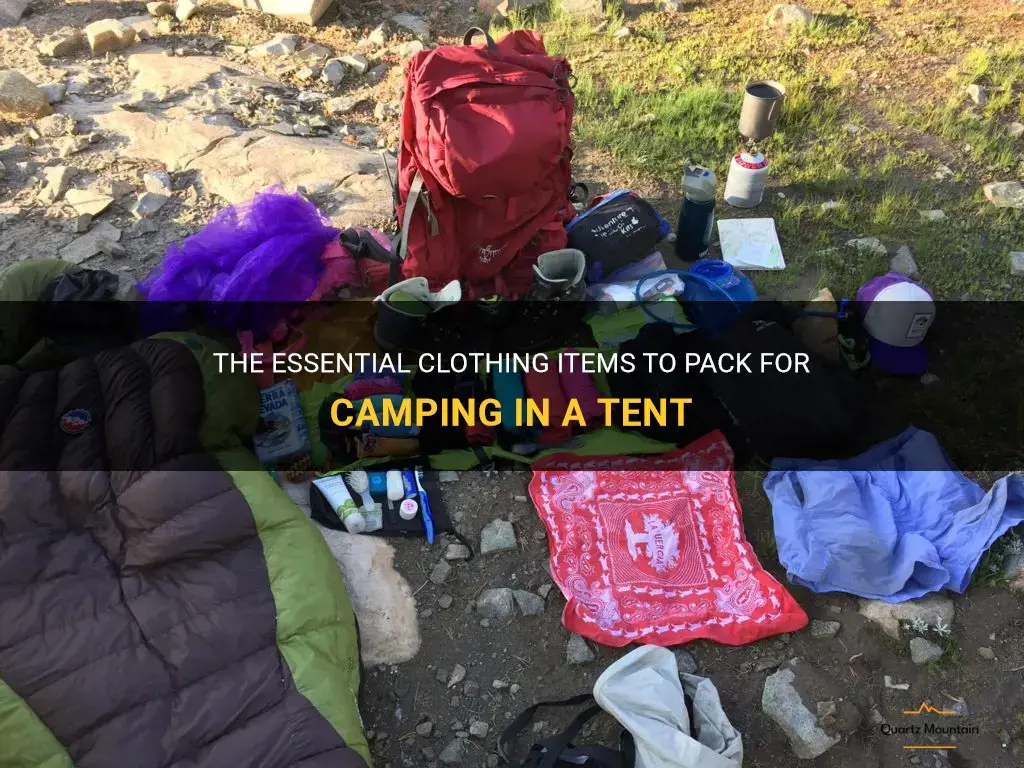
Camping environments vary widely in their terrain, climate, and potential hazards, necessitating tailored clothing choices to ensure safety, comfort, and practicality. Properly selecting and packing clothing based on the specific environment enhances the overall camping experience, minimizes discomfort, and helps address unique challenges posed by each setting.
Adapting your packing list to the environment involves understanding the distinctive conditions and hazards associated with mountain, forest, desert, and lakeside camping. Each environment presents specific demands that influence the type of clothing and gear you should prioritize, from protection against extreme weather to dealing with local wildlife or terrain obstacles. Being prepared for these variations ensures that your clothing choices serve their purpose effectively and contribute to a safe, enjoyable outdoor adventure.
Mountain Camping
Mountain environments are characterized by high altitudes, rapid weather changes, and cooler temperatures, especially at night. Proper clothing must facilitate temperature regulation and provide protection against wind, snow, and rain. Layering is essential, with moisture-wicking base layers, insulating mid-layers like fleece or down, and waterproof outer shells. Durable, abrasion-resistant pants and jackets protect against rocky terrain, while sturdy hiking boots and thermal gloves ensure warmth and safety.
Additionally, packing extra thermal underwear and a hat suitable for cold conditions can significantly improve comfort during sudden temperature drops.
Forest Camping
Forests often feature dense vegetation, humidity, and variable temperatures. Clothing should prioritize protection against insects, scratches from branches, and moisture management. Long-sleeved shirts, long pants with insect-repellent treatment, and sturdy boots are advisable. Lightweight, breathable fabrics prevent overheating during daytime activities, while quick-drying materials mitigate discomfort from dew or rain. Carrying a hat with a brim and insect netting can further enhance protection.
Bright-colored clothing aids visibility to prevent accidental encounters with wildlife or other campers.
Desert Camping
Desert environments demand clothing that addresses extreme heat during the day and potentially cold temperatures at night. Lightweight, loose-fitting, and light-colored fabrics reflect sunlight and facilitate airflow, helping to prevent heat exhaustion. Wide-brimmed hats, UV-protective sunglasses, and lightweight scarves protect against sun exposure and sandstorms. Breathable long-sleeved shirts and pants shield skin from sunburn and abrasive desert plants. It’s important to pack extra layers for evening and nighttime, when temperatures can drop sharply, and to include robust footwear suitable for sandy or rocky terrain.
Lakeside Camping
Lakeside environments provide opportunities for water-based activities but also require protection against moisture and bugs. Quick-drying clothing, swimwear, and water-resistant outer layers are suitable for engaging in boating, fishing, or swimming. Light, moisture-wicking T-shirts and shorts are comfortable during daytime activities, complemented by a waterproof jacket for sudden rain. Insect-repellent clothing and long sleeves help guard against mosquitoes and other insects prevalent near water bodies.
Waterproof footwear or sandals with good grip facilitate movement on wet or muddy surfaces, while packing a lightweight towel and extra dry clothes ensures comfort after water activities.
Comparative Clothing Essentials Table for Different Environments
| Environment | Clothing Essentials |
|---|---|
| Mountain |
|
| Forest |
|
| Desert |
|
| Lakeside |
|
Maintenance and storage of packed clothes during camping
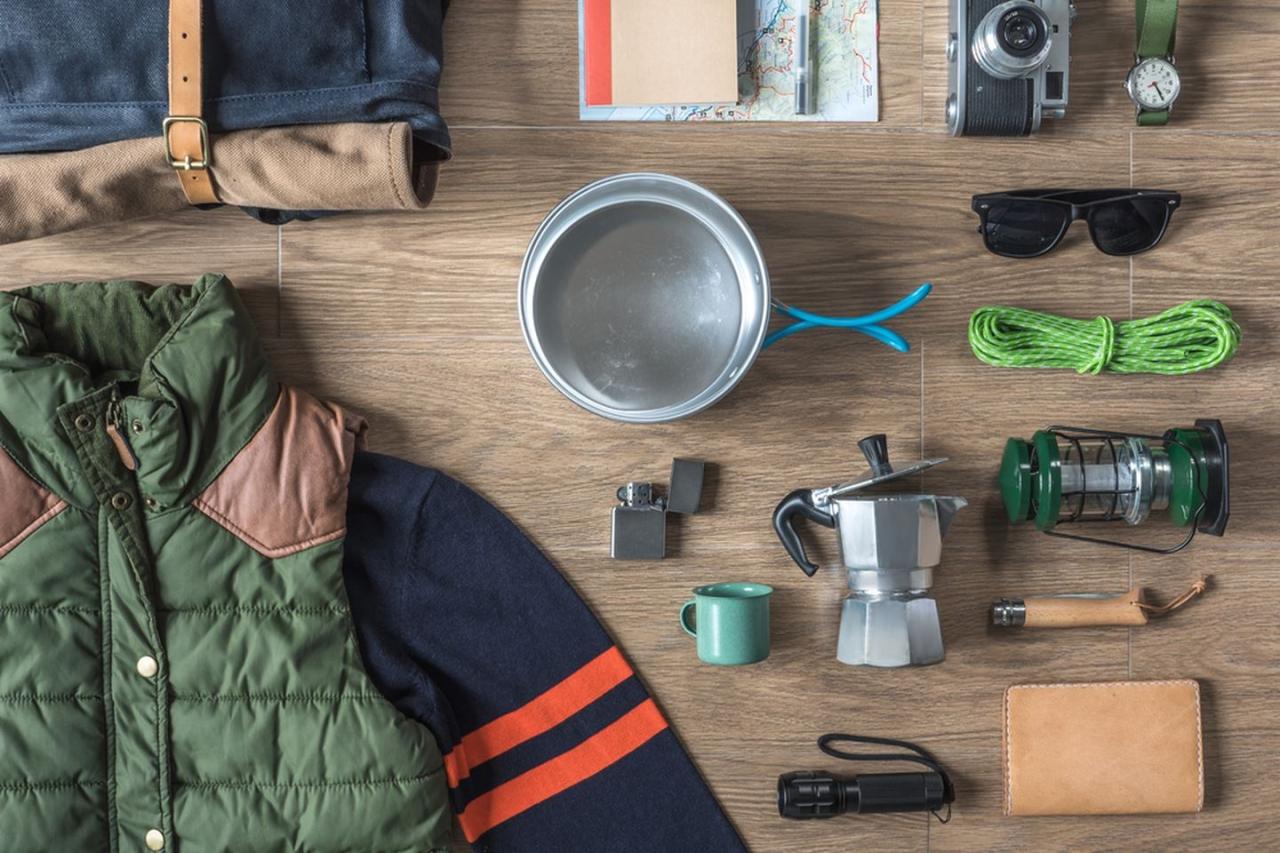
Proper maintenance and strategic storage of your clothing during a camping trip are essential for ensuring comfort, hygiene, and the longevity of your garments. Well-kept clothes help prevent discomfort caused by odors, moisture, or pests, and contribute significantly to a more enjoyable outdoor experience. By adopting effective practices, you can keep your clothing in optimal condition throughout your adventure and ensure they are ready for use at any time.Maintaining your clothing during camping involves a combination of keeping garments clean, dry, and odor-free, while also organizing them efficiently to avoid loss or damage.
Implementing proper techniques for cleaning, drying, and storing your clothes can significantly enhance their lifespan and comfort level, even during extended trips.
Keeping clothes clean, dry, and odor-free during the trip
Maintaining hygiene and freshness in your clothing is paramount for comfort and health during camping. Since access to laundry facilities may be limited, adopting practical methods to manage your clothing is crucial.
- Regular airing and sun exposure: Whenever possible, hang clothes in a well-ventilated area to allow fresh air circulation. Sunlight naturally helps eliminate bacteria and reduces odors, especially if the weather permits.
- Spot cleaning and minimal washing: Use biodegradable wipes or a damp cloth to clean small stains or dirt spots, avoiding frequent full washes which can deplete your clothing supplies. If washing is necessary, do so with eco-friendly soap and ensure garments are thoroughly dried before packing away.
- Moisture management: Keep clothes dry by storing them in waterproof or breathable bags. After activities like sweating or rain exposure, change into dry garments promptly to prevent dampness, which can cause mildew or unpleasant odors.
- Odor control: Use natural odor absorbers such as baking soda or odor-neutralizing sprays when needed. Additionally, placing dry, aromatic herbs like lavender or cedar in your clothing packs can help keep garments smelling fresh.
Organizing clothes within a campsite to prevent loss and damage
Effective organization not only preserves your clothing but also ensures easy access and reduces the risk of misplacing items. Proper storage methods also protect garments from environmental hazards such as pests, moisture, or dirt.
- Designated storage areas: Assign specific containers or sections within your campsite for different clothing categories—such as daytime wear, sleepwear, and outerwear. Using color-coded or labeled bags simplifies retrieval and reduces confusion.
- Use of waterproof storage: Store clothing in waterproof bags or containers to prevent damage from rain, dew, or accidental spills. Compression sacks are effective for saving space while protecting garments from moisture.
- Protection from pests and insects: Keep clothing off the ground by hanging them on portable hooks or lines. Incorporate natural repellents like cedar chips or herbal sachets within storage containers to deter insects.
- Maintaining order: Regularly check and reorganize your clothing to identify any items that may have been damaged or are no longer usable, thereby preventing clutter and loss over time.
Repacking clothes efficiently after laundry or usage
Repacking clothing after cleaning or after use requires a systematic approach to maximize space, prevent damage, and maintain cleanliness. Proper repacking ensures your clothes remain in good condition and accessible.
Efficient repacking involves folding or rolling garments to minimize wrinkles and optimize space, as well as segregating clean and used clothing to prevent cross-contamination.
- Folding and rolling techniques: Use the folding method for items like shirts and pants to prevent creases. Rolling softer garments such as t-shirts and underwear not only saves space but also reduces wrinkles and makes items easier to locate.
- Segregation of clean and used clothing: Place used or laundry garments in separate, designated bags or compartments. Labeling these bags helps prevent mixing and simplifies the process of sorting laundry upon return.
- Utilize packing cubes or compression sacks: These tools help organize clothing into specific categories, compress garments to save space, and maintain order within your luggage or backpack.
- Ensuring dryness before repacking: Confirm that all clothing items are completely dry to prevent mildew or odor development, especially important after washing or exposure to rain.
Last Word
In conclusion, mastering the art of packing clothes for camping involves careful selection, strategic organization, and adaptability to changing conditions. By applying these insights, you can enjoy a well-prepared adventure with comfort and ease, no matter where your outdoor travels take you.