Embarking on your first camping adventure can be both exciting and overwhelming. Proper packing is the key to ensuring a smooth and enjoyable experience in the great outdoors. By understanding what essentials to bring, how to organize your gear efficiently, and tailoring your packing to different environments, you set the foundation for a successful trip. Whether you’re venturing into a forest, mountains, or desert, being prepared will help you handle challenges with confidence and ease.
Planning and Packing Strategies
Efficient planning and strategic packing are fundamental to ensuring a successful and enjoyable camping experience. Proper organization not only saves space and reduces weight but also guarantees quick access to essential items when needed. Implementing systematic procedures can transform packing from a daunting task into a manageable process, especially for beginners venturing into camping for the first time.
By adopting effective strategies, campers can optimize their backpacks or vehicle trunks, minimizing clutter and enhancing mobility. The key lies in understanding the importance of packing order, space-saving techniques, and balancing weight distribution. Mastering these methods allows for a smoother setup at the campsite and a more comfortable outdoor adventure.
Step-by-Step Procedures for Efficient Packing
Following a structured approach ensures all necessary gear is included, organized, and packed in a way that maximizes efficiency. Begin by creating a comprehensive checklist based on the trip’s duration, destination, weather, and planned activities. Categorize items into groups such as clothing, cooking gear, sleeping equipment, and personal necessities.
Start packing with the heaviest and most durable items, such as tents, cooking stoves, and water containers, at the bottom of your backpack or trunk. Then, place medium-weight items, including clothing and non-fragile equipment, around or above the heavier objects. Carefully pack fragile items like laptops, cameras, or glassware, ensuring they are cushioned and protected from impacts. Finally, pack daily essentials last, making them easily accessible for quick retrieval during breaks or overnight stays.
Methods to Optimize Space and Weight
Maximizing space and reducing weight are crucial for comfort and ease of movement. Use compression bags or stuff sacks to minimize the volume of clothing and soft items. Roll clothing instead of folding to save space and prevent wrinkles. Utilize every available space within your gear, such as filling shoes with socks or small accessories.
For backpacks, evenly distribute weight by placing heavier items close to your back and centered to maintain balance. Employ packing cubes to organize items and facilitate quick access. When packing a car trunk, position larger, bulkier items at the bottom, leaning against the sides for stability, while placing lighter and frequently used items on top or near the trunk opening.
Packing Order: Heavy Items, Fragile Items, Daily Essentials
Understanding the optimal packing sequence is vital for safety, protection of fragile belongings, and convenience:
- Place heavy items at the bottom of the backpack or trunk to create a stable base and prevent top-heavy imbalance.
- Ensure fragile items are individually cushioned with clothing, foam, or bubble wrap, and positioned in the center or protected compartments to absorb shocks.
- Pack daily essentials, such as snacks, maps, first aid kit, and necessary gadgets, last and in accessible compartments for quick retrieval.
This order not only helps maintain balance and protect delicate gear but also ensures that essential items are readily available when needed, streamlining the camping experience and reducing unnecessary unpacking or searching at the campsite.
Food and Cooking Supplies
Ensuring proper food and cooking supplies are packed is a vital aspect of successful camping for beginners. Selecting appropriate food items and essential cooking gear can significantly enhance your outdoor experience by providing nourishment, convenience, and safety during your trip. Thoughtful planning in this area helps prevent unnecessary weight and ensures you have everything needed to prepare meals efficiently in a wilderness setting.A strategic approach to choosing lightweight, non-perishable foods is crucial, especially when minimizing pack weight while maintaining nutritional value.
Additionally, assembling a well-curated set of cooking tools tailored for camping ensures ease of meal preparation and cleanup, even in outdoor environments with limited amenities.
Selecting Lightweight, Non-Perishable Food
Choosing the right food for camping involves prioritizing items that are lightweight, durable, and have a long shelf life. Non-perishable foods reduce the risk of spoilage and eliminate the need for refrigeration, making them ideal for outdoor adventures. Opting for dehydrated, freeze-dried, or canned foods that are easy to prepare can simplify meal planning.Examples of suitable foods include trail mix, energy bars, dried fruits, instant oatmeal, rice, pasta, and canned soups or stews.
These items are high in calories and nutrients, supporting energy needs during physical activities such as hiking and setting up camp. Proper packaging, such as resealable bags and lightweight containers, further minimizes weight and space.
“Focus on foods that combine nutrition, weight efficiency, and ease of preparation to optimize your camping experience.”
Essential Cooking Gear for Beginners
Having the right cooking equipment is fundamental for preparing and enjoying meals in a camping environment. Beginners should focus on lightweight, durable, and multifunctional tools that facilitate cooking with minimal fuss. Including these items ensures you’re well-prepared to handle various meal scenarios without excessive weight.Key cooking gear includes a compact camping stove, lightweight cookware set (such as a pot and pan), utensils (spoons, spatula, knife), a cutting board, a lighter or matches, and cleaning supplies like a sponge or biodegradable soap.
These essentials allow for versatile cooking options, from boiling water to frying or simmering.Choosing multi-purpose tools—such as a pot that doubles as a bowl or a utensil with multiple functions—can reduce pack volume and weight. It’s also advisable to carry a small, portable food storage container to keep leftovers or ingredients organized.
Cooking Gear List
| Item | Purpose | Quantity | Alternative Options |
|---|---|---|---|
| Camping stove | Primary method for cooking and boiling water | 1 | Portable gas or alcohol stove, solid fuel stove |
| Lightweight cookware set | Cooking food and boiling water | 1 set (pot and pan) | Collapsible or nesting cookware to save space |
| Utensils (spoons, spatula, knife) | Preparing and serving food | 1 each | Multi-use utensils or sporks |
| Cutting board | Food preparation | 1 | Foldable silicone mat or a sturdy plastic piece |
| Lighter or matches | Igniting stove and fire for cooking or warmth | Multiple | Waterproof matches, fire starter kits |
| Cleaning supplies (biodegradable soap, sponge) | Maintaining hygiene and cleaning cookware | 1 set | Biodegradable wipes or minimal soap options |
| Food storage container | Storing leftovers or ingredients | 1 | Resealable plastic bags or reusable silicone containers |
By focusing on these components, beginner campers can ensure they are well-equipped to prepare nourishing meals while keeping their pack lightweight and manageable. Proper selection and organization of food and cooking supplies empower new campers to enjoy their outdoor adventure with confidence and convenience.
Safety and Emergency Equipment
Ensuring safety during a camping trip is paramount, especially for beginners who may not be familiar with wilderness environments. Properly packing safety and emergency equipment can significantly reduce risks and prepare you to handle unexpected situations effectively. A well-organized emergency kit and safety tools can make all the difference in critical moments, providing peace of mind and enhancing the overall camping experience.
It is essential to include a variety of safety gear that addresses common outdoor emergencies, from minor injuries to more serious incidents. Organizing these items for quick access ensures that in an emergency, help or self-rescue can be initiated swiftly, minimizing potential hazards and ensuring prompt response times.
Procedures for Packing First Aid Kits and Safety Tools
Begin by selecting a durable, lightweight container for your first aid kit that can withstand outdoor conditions. Pack the kit systematically, categorizing items by their use — such as wound care, antiseptics, and bandages — for easy retrieval. Regularly check and replenish supplies before each trip, replacing expired medications or used items. Ensure the kit contains essential instructions or a manual to assist in administering first aid when needed.
Safety tools should be stored in separate, clearly labeled compartments within your main safety kit. Keep frequently used items, such as scissors or tweezers, in easily accessible pockets or outer compartments. Incorporate a checklist to verify all safety gear is present and in working order before departure. Practice familiarization with the equipment so that in an emergency, you can quickly utilize each item efficiently.
Emergency Items to Include
A comprehensive emergency kit should contain a range of tools and supplies designed to address various scenarios, including injury management, signaling help, and personal safety. The following items are typically considered essential for most camping emergencies:
- High-quality flashlight with extra batteries
- Signal whistle or horn for attracting attention
- Multi-tool or Swiss Army knife with multiple functions
- Emergency blanket or bivvy bag for warmth
- Portable phone charger or power bank
- Personal identification and medical information
- Extra batteries and replacement bulbs
- Reflective tape or emergency flare for signaling
- Basic first aid supplies, including antiseptic wipes, adhesive bandages, gauze, and pain relievers
Ensuring quick access to safety gear allows campers to respond swiftly during emergencies, reducing potential injuries and facilitating rescue efforts. Proper organization and regular checks of these items are vital to maintaining an effective safety system during outdoor adventures.
Setting Up the Campsite
Setting up your campsite is a vital step in ensuring an enjoyable and safe outdoor experience. Properly pitching your tent and organizing your gear can significantly enhance comfort, safety, and accessibility throughout your stay. A well-structured campsite layout not only makes living easier but also reduces hazards and prepares you for any emergencies that may arise.Effective campsite setup involves careful placement of your tent, securing it against weather conditions, and organizing your equipment for quick access.
Establishing a designated cooking area, sleeping zone, and storage space helps maintain order and safety. Proper planning also includes selecting a flat, well-drained location that is away from potential hazards like falling branches, flood-prone areas, or animal trails.
Setting Up the Tent and Campsite Essentials
The initial step in campsite setup is selecting an appropriate location. Choose a flat, level surface that is slightly elevated to prevent water pooling in case of rain. Clear away any rocks, sticks, or debris to create a comfortable sleeping area and avoid damage to your tent.When setting up your tent, follow the manufacturer’s instructions carefully. Typically, this involves laying out the tent footprint or groundsheet first, to protect the floor from moisture and abrasion.
Erect the tent poles and secure the tent fabric tightly to withstand wind. Use stakes to anchor the tent securely into the ground, ensuring stability even in breezy conditions. Additionally, attach guylines if available, to further stabilize the tent. Ensure the door faces away from prevailing winds and is positioned conveniently near your designated camping zone. For ventilation and to prevent condensation, slightly open vents or windows at night or during humid conditions.To organize your campsite essentials, designate specific areas for gear storage, cooking, and waste disposal.
Keep frequently used items like water bottles, headlamps, and jackets within arm’s reach. Use gear bins or hanging organizers to keep smaller items tidy and accessible. This systematic approach helps prevent clutter and makes pack-up easier at the end of your stay.
Organizing Gear and Campsite Layout
Efficiency at the campsite is achieved through thoughtful organization and layout planning. A typical campsite layout emphasizes safety, accessibility, and comfort. It usually includes distinct zones: the sleeping area, cooking and food storage zone, and communal space.Organize your gear by grouping similar items together. Store food in bear-proof containers away from your tent, ideally in a designated food storage area or hanging from a tree if local wildlife is active.
Place your cooking supplies and fire-starting equipment close to the cooking area but at a safe distance from the tent to minimize fire hazards.The sleeping zone should be on slightly higher ground to reduce the risk of water intrusion and away from the cooking area to prevent smoke or accidental fires from affecting sleep. Keep a clear pathway between zones for easy movement and emergency access.Safety considerations should also guide your campsite design.
Keep pathways clear of obstacles, and position your tent and other structures at a safe distance from fire pits or cooking areas. If campfire or stove use is planned, establish a firebreak and keep firefighting tools nearby, such as a bucket of water or a fire extinguisher.
Design your campsite layout with safety and convenience in mind, ensuring that pathways are unobstructed, and all essential areas are within easy reach, reducing the risk of accidents and enabling quick response in emergencies.
Organizing your campsite thoughtfully enhances not only your comfort but also your safety, allowing you to enjoy your outdoor adventure with confidence and ease.
Tips for Packing in Different Environments
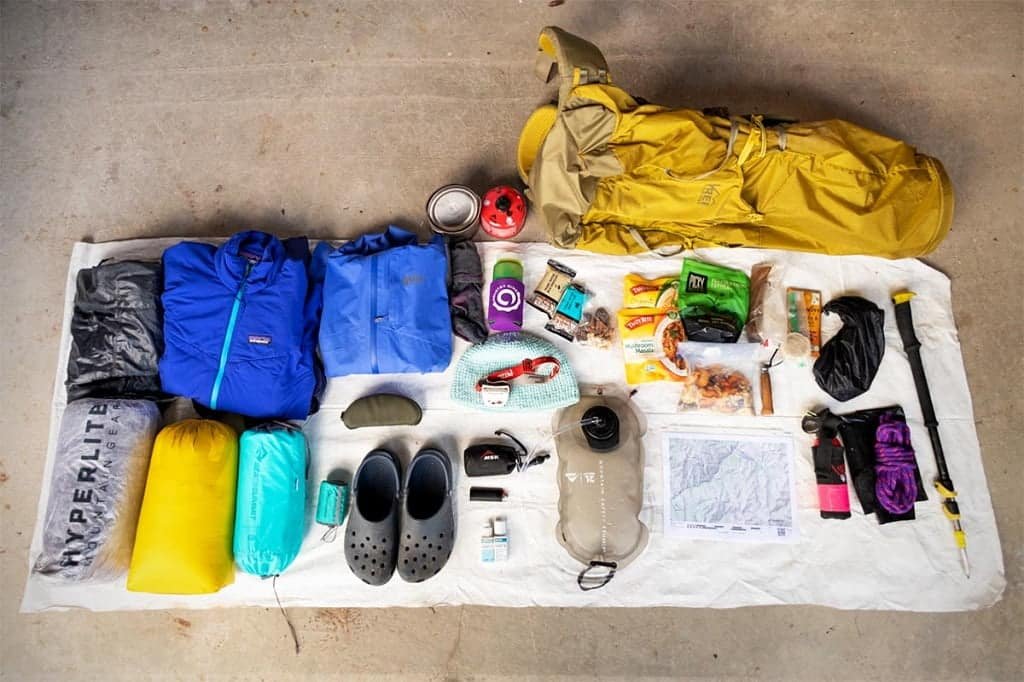
Effective packing for camping trips requires understanding the unique demands of various environments such as forests, mountains, and deserts. Each setting presents distinct challenges and necessitates tailored strategies to ensure safety, comfort, and preparedness. Recognizing these differences allows campers to optimize their gear, adapt to weather conditions, and navigate terrain successfully.
By customizing your packing list to suit the specific environment, you can enhance your camping experience while minimizing unnecessary weight and bulk. The following guidance provides insights into environment-specific packing considerations, helping beginners develop adaptable strategies for diverse outdoor adventures.
Forest Camping
Forest environments often feature dense vegetation, high humidity, and the risk of encountering insects and wildlife. Proper packing in such areas involves prioritizing items that protect against moisture, insects, and minor injuries, while also considering the availability of natural resources like wood and water.
- Lightweight, breathable clothing that offers protection against insects and sun exposure.
- Insect repellent and long-sleeved garments to prevent bites.
- Waterproof gear, such as rain jackets and pack covers, to handle unpredictable weather.
- Comfortable, durable footwear suitable for uneven terrain and muddy paths.
- First aid kit with supplies for minor cuts, insect bites, and allergic reactions.
Mountain Camping
Camping in mountainous regions demands gear that withstands cooler temperatures, potential strong winds, and rugged terrains. Weather can change rapidly, making it essential to pack versatile and layered clothing, along with specialized equipment to ensure safety and comfort at higher elevations.
- Insulated sleeping bags rated for low temperatures and layered clothing for thermal regulation.
- Sturdy hiking boots with ankle support to navigate rocky and steep trails.
- Windproof and waterproof outerwear to combat sudden weather shifts.
- Navigation tools such as maps, compasses, or GPS devices due to challenging terrains.
- Emergency shelter or bivvy bags for unexpected overnight stays or weather emergencies.
Desert Camping
Desert environments are characterized by extreme temperature fluctuations, intense sunlight, and dry conditions. Packing must focus on protecting against heat during the day and cold at night, while ensuring adequate hydration and sun protection are readily available.
| Environment | Key Packing Tips | Potential Challenges |
|---|---|---|
| Desert |
|
|
Adapting your packing list according to the environment ensures safety, enhances comfort, and contributes to a successful outdoor experience. Always research specific conditions and prepare for unexpected weather changes in each setting.
Conclusion
In conclusion, mastering the art of packing for your first camping trip involves careful planning, organization, and adaptability. By focusing on essential gear, strategic packing methods, and environment-specific considerations, you can enjoy your outdoor adventure fully prepared. Remember, thoughtful preparation transforms camping from a stressful experience into a memorable journey full of discovery and enjoyment.