Embarking on a camping trip requires careful planning and organization, especially when it comes to packing your backpack. Proper packing ensures comfort, safety, and accessibility throughout your outdoor adventure. Whether you’re a seasoned hiker or a first-timer, mastering the art of packing can significantly enhance your experience in the wilderness.
This comprehensive guide covers essential items, space optimization techniques, clothing strategies, shelter packing tips, food and water management, safety equipment, and methods to balance weight and accessibility. By following these insights, you can confidently prepare for a successful and enjoyable camping journey.
Essential Packing Items for Camping in a Backpack
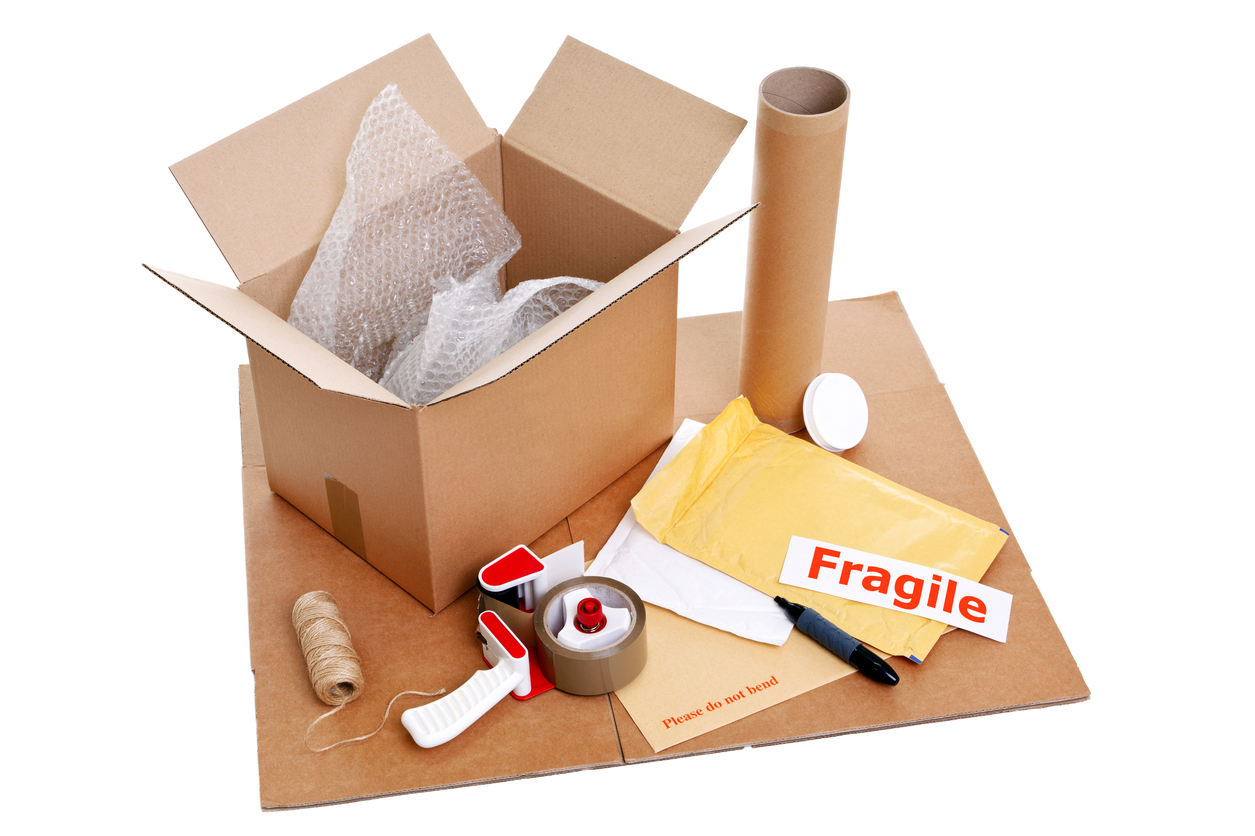
Properly packing your backpack for camping ensures safety, comfort, and an enjoyable outdoor experience. Selecting the right gear and supplies is fundamental to managing various situations you might encounter in the wilderness. A well-organized pack allows you to access essentials quickly and efficiently, reducing stress and physical strain during your trip.
Focusing on categorized items helps streamline packing and guarantees that no critical element is overlooked. From clothing to safety equipment, each category fulfills a specific purpose, contributing to a balanced and practical backpack setup. The following table summarizes the must-have items, their descriptions, and recommended quantities to assist you in preparing thoroughly for your camping adventure.
Essential Items Grouped by Category
| Category | Item | Description | Recommended Quantity |
|---|---|---|---|
| Clothing | Weather-Appropriate Clothing | Layered clothing suitable for varying weather conditions, including moisture-wicking base layers, insulating mid-layers, and waterproof outer shells. | 3–4 sets |
| Extra Socks and Underwear | Additional pairs to replace damp or worn-out items, maintaining hygiene and comfort. | 3–5 pairs each | |
| Hat, Gloves, and Rain Gear | Protective accessories to shield from sun, cold, or rain, enhancing comfort during adverse weather. | 1 each | |
| Shelter | Lightweight Tent or Shelter | A compact, durable tent suitable for weather conditions, providing protection from elements and insects. | 1 |
| Sleep System (Sleeping Bag & Mat) | Insulated sleeping bag appropriate for expected temperatures, complemented by a sleeping pad for comfort and insulation from ground moisture. | 1 each | |
| Cooking | Portable Stove & Fuel | Compact camping stove with sufficient fuel to prepare meals and hot drinks during your trip. | 1 stove, adequate fuel supply |
| Cookware & Utensils | Lightweight pots, pans, utensils, and a lighter or waterproof matches for cooking and eating. | Basic set | |
| Safety | First Aid Kit | Comprehensive kit including bandages, antiseptic, pain relievers, and personal medications for emergencies. | 1 kit |
| Navigation Tools | Map, compass, or GPS device to ensure accurate navigation through trails and unfamiliar terrain. | 1 of each | |
| Miscellaneous | Lighting (Headlamp/Flashlight) | Reliable light source with extra batteries for visibility during night or low-light conditions. | 1 headlamp or flashlight + spare batteries |
| Multitool & Repair Kit | Versatile tool for gear repairs, setting up camp, or emergency situations. | 1 each |
Note: Quantity suggestions are based on a typical 2-3 day camping trip and may vary depending on group size and specific needs.
Optimizing Backpack Space and Weight Distribution
Efficiently organizing your camping gear within your backpack is crucial for comfort, accessibility, and safety during your outdoor adventure. Proper space utilization ensures you carry all necessary items without overburdening yourself, while a balanced weight distribution minimizes strain and reduces fatigue. Implementing strategic packing techniques can significantly enhance your overall camping experience, making it easier to access essentials and move comfortably on rugged terrains.Organizing your backpack involves thoughtful placement of items based on their size, weight, and frequency of use.
Proper distribution not only prevents strain on your shoulders and back but also stabilizes the load, reducing the risk of injury. By adopting systematic packing methods, you maximize space and ensure that critical items are easily accessible when needed, especially during emergencies or quick rest stops.
Effective Space Utilization and Weight Balance Techniques
To optimize your backpack’s capacity and comfort, follow a methodical approach that emphasizes organization, weight balance, and accessibility.
Begin by categorizing your gear into essentials, frequently used items, and less frequently accessed equipment. This classification helps determine the best placement within the pack. Heavy items, such as tents, cooking gear, and water bottles, should be positioned close to your back and centered within the pack’s core. This placement maintains a low center of gravity, enhancing stability and reducing strain during movement.
Lightweight and bulky items, like sleeping bags and clothing, are best placed in the outer compartments or at the bottom of the backpack. This arrangement creates a stable base and prevents heavy items from crushing delicate gear or causing imbalance. Use compression sacks for bulky items to save space and keep your pack tidy, which simplifies access and prevents shifting while hiking.
Distribute weight evenly across your shoulders and hips to prevent fatigue. Use the hip belt to transfer most of the load from your shoulders to your pelvis, which is better suited to bear weight.
Implement the following step-by-step packing procedure to maximize space and ensure easy access:
- Lay out all items and sort into categories: essentials, clothing, cooking gear, sleeping gear, personal items, and miscellaneous.
- Pack heavy items first: place them snugly at the center of the backpack, close to your back. Secure them with inner straps or compression straps to prevent shifting.
- Utilize outer compartments for bulky but lightweight items: sleeping bags, tents, and clothing, which can be accessed quickly if needed.
- Fill gaps with smaller items: socks, utensils, and toiletries, to prevent movement and optimize space.
- Position frequently used items at the top and in accessible pockets: maps, snacks, or a first aid kit.
- Adjust straps and tighten all compression points: ensuring the weight is well distributed and the pack feels stable during movement.
By maintaining a systematic approach, you ensure that your backpack is packed efficiently, with a balanced weight distribution that enhances comfort and safety throughout your camping trip. Regularly reevaluate your pack’s balance after loading all items, and make adjustments as necessary to prevent fatigue and maintain ease of movement in diverse terrains.
Clothing and Personal Gear Packing Tips
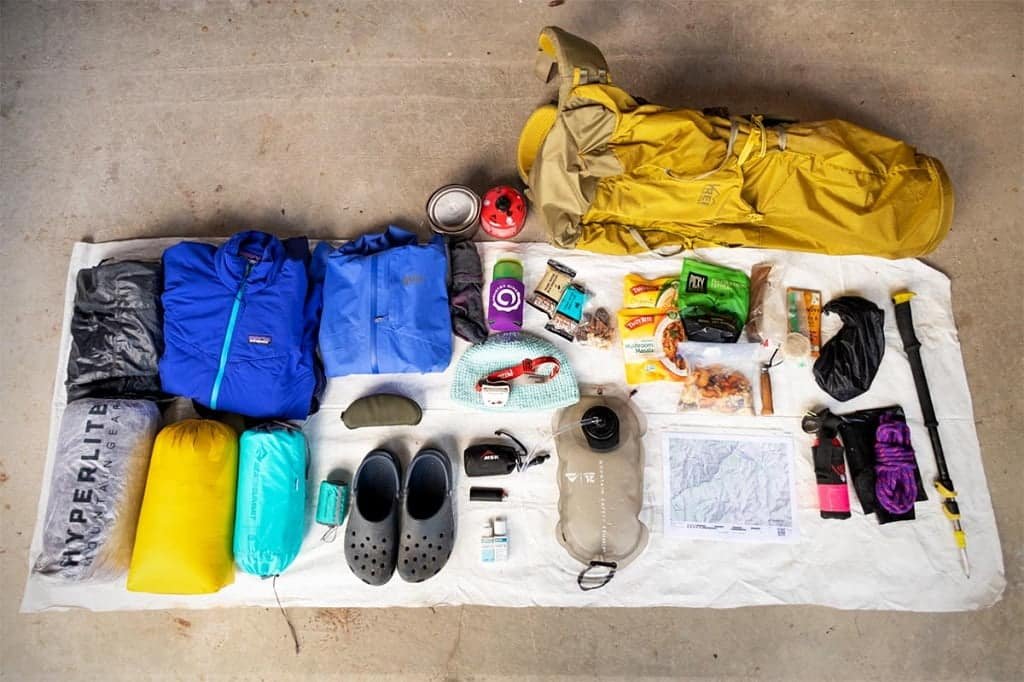
Effective packing of clothing and personal gear is essential to ensure comfort, convenience, and adaptability during your camping adventure. Proper organization, appropriate clothing choices for varying weather conditions, and strategic packing methods can significantly enhance your outdoor experience by reducing clutter and preventing damage to your garments.
Implementing thoughtful clothing selection and packing strategies helps maintain an organized backpack, keeps your clothes in good condition, and ensures you are prepared for changing weather patterns encountered during outdoor activities.
Selecting Appropriate Clothing for Varying Weather Conditions
Choosing the right clothing for diverse weather scenarios involves understanding the climate and potential changes during your camping trip. Lightweight, moisture-wicking fabrics are ideal for warm days, while insulating layers are necessary for colder temperatures. Waterproof and windproof outer layers provide protection against rain and wind, which are common in outdoor environments.
Consider packing versatile clothing items that can serve multiple functions, such as a quick-drying shirt that can be worn during active daytime hours and as a sleep layer at night. Anticipate temperature fluctuations, especially in mountainous or forested areas where weather can shift rapidly, and include clothing options that accommodate these variations.
Packing Methods to Keep Clothes Organized and Wrinkle-Free
To maximize space and maintain clothing condition, use packing techniques that promote organization and minimize wrinkles. Rolling clothes tightly reduces bulk and prevents creases, making it easier to fit them into your backpack efficiently. Alternatively, folding clothes with care and placing them in dedicated compartments or packing cubes can help keep items organized and accessible.
Wrap delicate or wrinkle-prone garments in tissue paper or plastic bags to add an extra layer of protection. Placing heavier items at the bottom of your pack and lighter, more delicate clothing on top ensures stability and reduces the risk of damage. Maintaining a consistent packing method throughout your gear enhances accessibility and helps locate clothing quickly when needed.
Layering Strategies and Packing Order for Clothing Items
Implementing effective layering and packing order is crucial for staying comfortable across varying conditions. The basic layering system includes a moisture-wicking base layer, an insulating middle layer, and a waterproof outer shell. Strategically arranging clothing items according to use and weather forecast minimizes unnecessary unpacking and repacking.
Start with the innermost layer—such as lightweight underwear and moisture-wicking shirts—then add insulating layers like fleece or down jackets, followed by waterproof shells. Pack these layers in accessible compartments or at the top of your backpack for quick retrieval during sudden weather changes.
To optimize space, organize clothing by layers within packing cubes or compression bags, grouping similar items together. Place frequently used clothing near the top or in external accessible pockets for convenience. When packing, consider the order of layers: base layers first, followed by insulating layers, and finally waterproof or windproof outer layers. This systematic approach ensures you are prepared for weather variations and can adjust your clothing quickly without disrupting the entire pack.
Selecting and Packing Shelter and Sleeping Arrangements
Choosing the right shelter and sleeping arrangements is essential for a comfortable and safe camping experience. Proper selection and efficient packing of these items help maximize space within your backpack while ensuring protection from the elements and a restful night’s sleep. The right setup depends on the environment, duration, and personal preferences, making it crucial to understand options and packing techniques.
Effective packing of shelter and sleeping gear involves compressing bulky items, organizing components systematically, and ensuring easy access during setup and breakdown. Careful selection and packing not only save space but also contribute to better weight distribution, reducing fatigue during long hikes.
Shelter Options for Backpacking
Various shelter options cater to different terrains, climates, and personal preferences. The most common choices include tents, hammocks, and bivy sacks, each with unique advantages and considerations for backpacking.
- Tents: Lightweight backpacking tents are designed for easy transport, often weighing between 2 to 4 pounds. They provide full enclosure, protection from insects, wind, and rain, and a stable structure suitable for unpredictable weather conditions. When selecting a tent, consider factors such as size, weight, durability, and ease of setup.
- Hammocks: Ideal for forested or areas with ample trees, hammocks are lightweight and pack down compactly. They often require a rain fly and bug net for full protection. Hammocks reduce the need for a tent platform, but they require suitable trees spaced appropriately for setup.
- Bivy Sacks and Lightweight Shelters: For ultralight backpackers, bivy sacks or minimalist shelters offer protection with minimal weight and bulk. They are best suited for fair weather conditions and quick setups.
Efficient Packing of Shelter Items
Bulky shelter components can consume significant space within your backpack. Implementing packing strategies to compress and organize these items enhances space efficiency and weight management.
- Use compression sacks or stuff sacks: These reduce the volume of tents, rain flies, and other fabric components by compressing them tightly, freeing up valuable space in your pack.
- Disassemble and bundle: Break down poles and frame components, bundling them together securely. Keep poles in dedicated sleeves or straps to prevent damage and facilitate quick assembly.
- Pack in an accessible compartment: Place the shelter components in a designated, easily reachable area of your backpack to streamline setup and breakdown at your campsite.
Sleeping Gear Selection and Packing
Choosing appropriate sleeping gear involves balancing warmth, comfort, and weight. Proper packing ensures insulation, protection from moisture, and ease of access during nighttime needs.
- Selecting a Sleeping Bag: Choose a sleeping bag rated for the expected temperatures. Mummy-shaped bags typically offer better insulation-to-weight ratios, while rectangular bags provide more room but may be heavier. Down insulation offers excellent warmth-to-weight performance, but synthetic fills resist moisture better.
- Packing Sleeping Bags: Compress sleeping bags into dedicated stuff sacks or compression bags. For ultralight backpacking, consider using a small, lightweight compression sack that allows further reduction of volume without damaging the insulation.
- Sleeping Pads and Insulation: Use inflatable or foam sleeping pads for insulation from the ground. Inflatable pads pack smaller but can be punctured; foam pads are bulkier but more durable. Pack sleeping pads in accessible compartments or strapped externally if space is limited.
Ensuring proper insulation and moisture protection in your sleeping gear maximizes comfort and safety during overnight stays, especially in cold or damp environments.
Food, Cooking Supplies, and Water Management
Effective management of food, cooking gear, and water resources is essential for ensuring sustenance and safety during a backpacking camping trip. Proper packing techniques, selecting lightweight and durable supplies, and efficient water handling can significantly enhance your overall experience by reducing weight and maximizing convenience.In backpacking adventures, space and weight are at a premium. Choosing non-perishable, lightweight food items minimizes bulk and spoilage, while compact cooking gear facilitates efficient meal preparation without overloading the pack.
Water management, including filtration and storage solutions, ensures a reliable supply of clean water without adding excessive weight, thus supporting your hydration needs throughout the trip.
Lightweight, Non-Perishable Food Items
When selecting food for backpack camping, priority should be given to lightweight, nutrient-dense, and non-perishable options that can withstand variable storage conditions. These foods reduce pack weight and eliminate the need for refrigeration, making them ideal for extended outdoor trips.Consider including items such as:
- Dehydrated or freeze-dried meals that only require hot water for rehydration, significantly decreasing weight and preparation time.
- Energy bars, trail mix, dried fruits, and nuts provide quick energy, are lightweight, and have a long shelf life.
- Canned goods or pre-packaged tuna, salmon, or chicken in lightweight pouches, which are easier to pack than bulky cans.
- Instant oatmeal, rice, or pasta packets that are simple to prepare and require minimal equipment.
Be sure to pack enough calories for your activity level, with consideration for extra supplies in case of delays or extended stays. Also, store food in airtight, resealable bags or containers to prevent spoilage and pest intrusion.
Compact Cooking Gear Options and Packing Techniques
Efficient cooking gear selection and packing can dramatically reduce weight and volume while maintaining functionality. Opt for multi-purpose and lightweight equipment designed specifically for backpacking.Popular compact cooking gear includes:
| Item | Features |
|---|---|
| Ultralight backpacking stove | Portable, fuel-efficient, compatible with small fuel canisters, and easy to pack |
| Collapsible cookware | Silicone or lightweight aluminum pots and pans that fold or collapse for minimal space |
| Lightweight utensils and utensils set | Compact, durable, and often nested to save space |
| Insulated mug and bowl | Double-walled to retain heat and serve multiple purposes |
Packing techniques for these items include nesting smaller items inside larger ones, using sealable bags or pouches to contain spills, and securing gear with compression straps. Always verify the compatibility of your stove with fuel canisters, and choose gear that balances weight and durability to ensure safe and efficient cooking.
Water Filtration and Storage Solutions
Managing water resources effectively involves selecting appropriate filtration devices and storage options that maximize space while ensuring access to clean water.Key water management methods include:
- Using lightweight, portable water filters such as pump filters, squeeze filters, or gravity-fed systems that can filter large volumes efficiently. These devices are often compact and easy to carry on the trail.
- Carrying collapsible water bottles or soft-sided reservoirs that save space when empty and are durable for repeated use. Prioritize bottles with wide mouths for ease of refilling and cleaning.
- Incorporating chemical purifiers like iodine tablets or water purification drops as supplementary options, especially when filtration devices are unavailable. These are lightweight and occupy minimal space.
- Utilizing purification straws for quick, on-the-go filtration directly from natural water sources, suitable for short-term drinking needs.
When planning water storage, consider distributing water across multiple smaller bottles or bladders to balance weight and facilitate access. Always ensure your filtration and purification methods are suitable for the water sources you plan to encounter, and regularly clean and maintain your gear to prevent contamination and ensure longevity.
Safety Equipment and Emergency Supplies
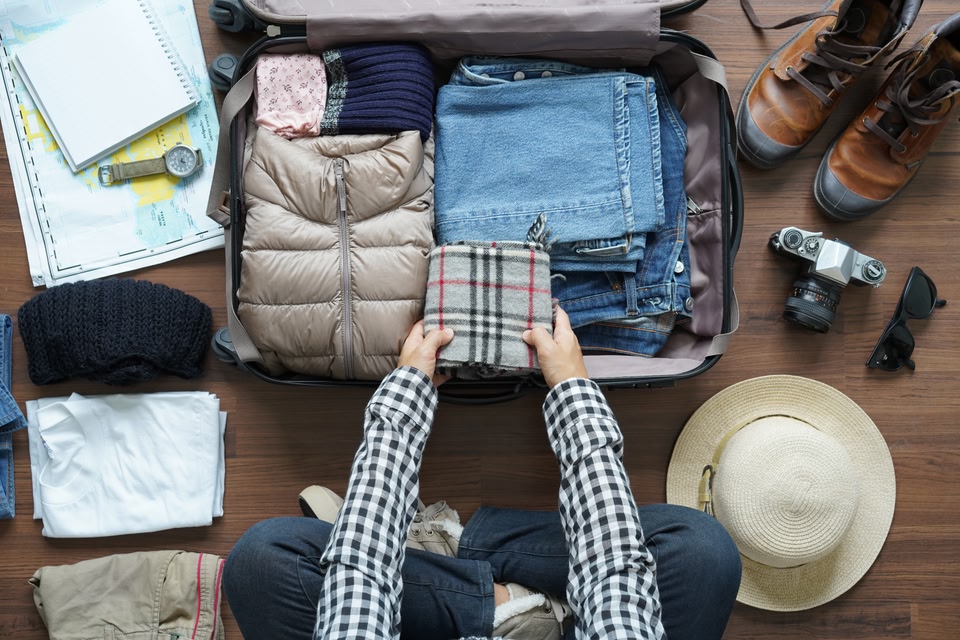
Properly equipping your backpack with essential safety gear and emergency supplies is crucial for ensuring safety during camping excursions. These items can be lifesavers in unexpected situations, such as injuries, sudden weather changes, or navigation challenges. Having quick access to safety tools allows campers to respond rapidly and effectively, minimizing risks and improving overall safety.
Organizing your safety equipment efficiently within your backpack facilitates rapid deployment when needed. A well-structured emergency kit not only ensures preparedness but also prevents critical items from getting lost or buried beneath other gear. Paying attention to accessibility and clarity in your packing approach can make a significant difference during a stressful emergency.
Essential Safety Gear to Include in a Backpack for Camping
When assembling safety equipment for a camping trip, it is important to consider items that address common hazards and emergencies encountered outdoors. This comprehensive list aims to cover essential gear that can assist in injury management, navigation, communication, and protection from environmental dangers.
- First Aid Kit: Including bandages, antiseptic wipes, adhesive tape, scissors, tweezers, pain relievers, allergy medication, and blister treatment supplies.
- Navigation Tools: Compass, detailed map of the area, and GPS device or smartphone with offline maps.
- Lighting: Headlamps, flashlight, and extra batteries to ensure visibility during low-light conditions or emergencies at night.
- Communication Devices: Fully charged mobile phone with portable power bank, whistle for signaling, and personal locator beacon (PLB) if venturing into remote areas.
- Multi-tool or Knife: Compact multi-purpose tool capable of cutting, screwing, and other essential tasks.
- Weather Protection: Emergency blankets, rain poncho, and extra clothing to protect against sudden weather changes.
- Personal Safety Items: Pepper spray or bear spray, especially in areas with wildlife, and personal alarm devices.
Organizing Emergency Kit Items for Rapid Access
An organized layout ensures that safety and emergency supplies can be quickly located and used under stress. Using containers, pouches, and clear labeling helps keep the kit accessible and efficient in urgent situations. The layout should prioritize items based on the likelihood of need and ease of access.
| Section | Items | Placement Tips |
|---|---|---|
| First Aid | Bandages, antiseptic wipes, scissors, tweezers, pain relief | Place in a waterproof, clearly labeled pouch at the top or front of the pack for quick retrieval. |
| Navigation & Signaling | Map, compass, whistle, GPS device | Store in a dedicated accessible pocket, ensuring visibility and easy grabbing with one hand. |
| Lighting & Power | Headlamp, flashlight, extra batteries, power bank | Keep in a soft-lined compartment to prevent damage, ideally near the top for immediate use. |
| Personal Safety & Weather Gear | Emergency blankets, rain gear, personal alarm | Pack in a waterproof container and place in an outer compartment for quick deployment. |
| Miscellaneous Emergency Items | Multi-tool, pepper spray, extra clothing | Arrange in a side pocket or small pouch within reach during emergencies. |
Ensuring all safety equipment is packed in an organized manner promotes efficient use and quick access. Regularly inspecting and replenishing supplies before each trip guarantees all items are in good condition and ready for immediate deployment when needed.
Clothing for Weather Variability and Protection
When preparing for a camping expedition, understanding how to select and pack clothing suitable for varying weather conditions is essential for comfort, safety, and adaptability. Weather can shift unexpectedly, especially in outdoor environments, making versatile clothing choices crucial. Proper layering and strategic packing enable campers to respond efficiently to temperature fluctuations, wind, rain, or even snow, ensuring an enjoyable and safe outdoor experience.
Effective clothing packing involves choosing items that can serve multiple purposes and can be easily adjusted to changing conditions. This includes garments that manage moisture, provide insulation, and offer waterproof protection. By focusing on versatility and proper layering techniques, campers can minimize bulk while maximizing adaptability. Organized packing order, with quick-access items at the top or in external compartments, allows for rapid weather changes without disrupting the entire pack.
Packing Versatile Clothing for Different Climates
Incorporating clothing suitable for a range of climates into your backpack requires selecting items that can be layered and combined to respond to diverse weather scenarios. The goal is to include pieces that are lightweight enough for warm days but capable of providing insulation or waterproofing when needed. This approach allows for seamless adaptation to unexpected weather shifts, such as sudden rain or a drop in temperature during nighttime.
Key considerations involve choosing moisture-wicking base layers that keep sweat away from the skin, insulating mid-layers for warmth, and waterproof outer shells to shield against rain and wind. Materials like merino wool, synthetic fibers, and waterproof membranes are recommended for their durability and functionality. Packing a compact, lightweight rain jacket and versatile thermal underlayers ensures preparedness for both mild and harsh conditions.
Clothing Packing Checklist for Weather Variability
To optimize your backpack for fluctuating weather, focus on including clothing items that manage moisture, insulate, and protect against water ingress. This checklist emphasizes the importance of selecting high-performance materials and compact designs that save space while providing maximum functionality.
Moisture-wicking clothing prevents skin irritation and keeps you dry, insulating layers maintain warmth when temperatures drop, and waterproof gear offers essential protection from rain and snow.
| Category | Recommended Items | Features to Look For |
|---|---|---|
| Base Layers | Merino wool or synthetic technical shirts and leggings | Moisture-wicking, quick-drying, odor-resistant |
| Insulating Layers | Fleece or lightweight down jackets, insulated vests | Lightweight, compressible, retains heat, breathable |
| Shell Layers | Waterproof jackets and pants | Waterproof, windproof, breathable membranes (e.g., Gore-Tex) |
| Additional Items | Warm hat, gloves, neck gaiter, rain poncho or cover | Wind-resistant, lightweight, quick-drying |
Layering Techniques and Packing Order for Weather Adaptation
Employing effective layering techniques is fundamental to adapting swiftly to changing weather conditions on the trail. The layers should be easily addable or removable, allowing for quick regulation of body temperature and protection.
The typical layering order begins with moisture-wicking base layers to keep sweat away from the skin, followed by insulating mid-layers for warmth, and topped with waterproof outer shells for protection against rain and wind. When packing, place these layers in an accessible compartment or at the top of the backpack for easy retrieval during sudden weather shifts. Rolling clothing rather than folding can save space and prevent wrinkles, while packing items inside waterproof dry bags or compression sacks helps maintain organization and dryness.
Strategic packing also involves arranging clothing based on the likelihood of use—frequently needed layers should be within arm’s reach, while seasonal or less-used items can be stored deeper within the pack. This organization allows for quick weather adaptation without the need to unpack the entire bag, ensuring safety and comfort during unpredictable outdoor conditions.
Tips for Maintaining Balance Between Size, Weight, and Accessibility
Effective camping backpack packing requires careful attention to balancing the overall size and weight of your pack with the need for easy access to essential items. Proper organization maximizes comfort during hikes while ensuring that necessary gear is readily available when needed. Prioritizing items based on frequency of use and importance can significantly enhance your camping experience by reducing strain and improving efficiency on the trail.Achieving an optimal balance involves strategic packing techniques that minimize unnecessary bulk, distribute weight evenly, and arrange gear for quick accessibility.
By thoughtfully organizing your pack, you can prevent discomfort and fatigue, maintain agility, and respond swiftly to changing circumstances during your outdoor adventure.
Prioritizing Essential Items While Minimizing Pack Size
When packing for camping, focus on carrying only what is necessary to meet your safety, comfort, and activity needs. Start by categorizing gear into essentials and non-essentials, then evaluate each item’s size and weight. Opt for multi-purpose items that serve more than one function—such as a bandana that can be used for sun protection, cleaning, or first aid. Lightweight, compact designs should be preferred, especially for bulky items like cookware, clothing, or shelter components.A helpful approach is to create a packing list that emphasizes core necessities such as shelter, water, food, and safety equipment.
For each category, select the most efficient version that offers reliable performance without adding excess weight or volume. Regularly review and refine your list to exclude items that are redundant or seldom used, ensuring your pack remains manageable without sacrificing safety or comfort.
Arranging Items for Easy Access During Hikes
Efficient packing involves organizing gear so that frequently used items are easily reachable without unpacking the entire backpack. Items like maps, snacks, first aid supplies, and rain gear should be stored in outer compartments or accessible pockets. Use gear compartments or bags to categorize items, grouping similar items together for quick retrieval.Designate specific zones within your pack for different types of gear.
For example, keep navigation tools and snacks near the top or in external side pockets, while less frequently needed items like extra clothing or cooking gear can be stored deeper inside. Implementing a system of easy-access compartments reduces the time and effort needed to find items, allowing you to respond promptly to changing conditions or emergencies.
Designing a Packing Layout Plan for Weight Distribution and Convenience
A well-structured packing layout enhances stability, reduces fatigue, and ensures quick access to vital gear. Begin by placing the heaviest items, such as water bottles, food supplies, and cooking equipment, close to your back and centered to maintain balance. Lighter items, like clothing and sleeping gear, can be packed towards the outer sections or top of the pack.Distribute weight evenly on both sides of the pack to prevent uneven strain on your shoulders and back.
Use compression straps to stabilize the load and prevent shifting during movement. Consider compartmentalization, with separate sections for different categories—such as a sleeping bag compartment, a food and cooking gear section, and a personal items pocket. Keep frequently used items in the top or outer pockets for rapid access, while storing less-needed gear in the lower or inner sections.Incorporating these strategies ensures your backpack remains balanced, comfortable, and efficient throughout your outdoor adventure, allowing you to focus on enjoying your camping experience with confidence and ease.
Last Word
In conclusion, effective packing is the key to a smooth and enjoyable camping experience. Prioritizing essential items, organizing efficiently, and balancing weight distribution will help you make the most of your outdoor adventure. With thoughtful preparation, you’ll be ready to explore the wilderness comfortably and safely.