Mastering how to pack light for camping is essential for ensuring a hassle-free outdoor experience that balances safety, comfort, and convenience. By focusing on strategic packing techniques and selecting versatile gear, adventurers can enjoy the wilderness without the burden of excess weight. This approach not only enhances mobility but also allows more space for spontaneous activities and emergency preparedness.
In this guide, we explore core principles of minimalist packing, choosing lightweight yet durable equipment, effective packing methods, meal planning, and essential gear selection. With these insights, campers can optimize their packing process, adapt to changing weather conditions, and avoid common pitfalls, making every outdoor trip more enjoyable and stress-free.
Essentials of packing light for camping
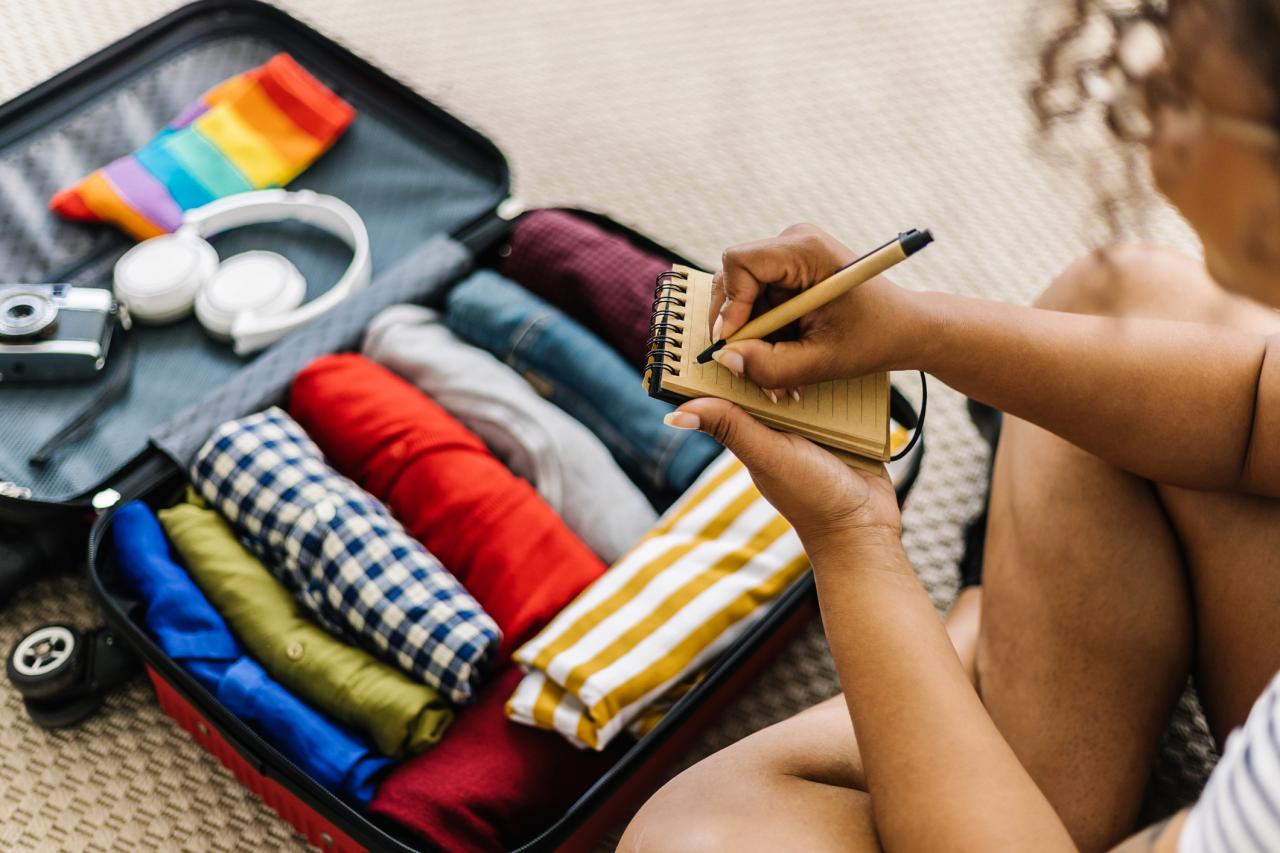
Mastering the art of packing light for a camping trip involves carefully balancing necessity with simplicity. The goal is to reduce weight and bulk without compromising safety, comfort, or the overall experience. This approach not only makes travel easier and more enjoyable but also enhances mobility, allowing campers to explore more freely and with less fatigue. Effective packing requires thoughtful selection of gear, prioritizing multi-functional items, and minimizing redundancies, all while ensuring preparedness for unpredictable outdoor conditions.
Adhering to core principles such as prioritizing essential items, selecting versatile gear, and embracing minimalism can significantly improve your camping experience. The following list highlights must-have items that align with these principles, organized into categories to streamline packing and ensure nothing vital is overlooked during lightweight camping adventures.
Shelter
Shelter is fundamental for protection from weather elements and ensuring a comfortable resting place. When packing light, focus on compact and multi-purpose options that can be easily carried without sacrificing durability.
| Item | Description |
|---|---|
| Ultralight Tent or Shelter | A lightweight, easy-to-assemble tent or a bivy sack made from durable, water-resistant materials. Opt for models with minimal poles and features. |
| Sleeping Bag | A compact, season-appropriate sleeping bag that compresses well for easy packing. Consider sleeping bags with synthetic insulation for better packability in damp conditions. |
| Sleeping Pad | A lightweight, inflatable or foam pad that provides insulation and comfort while remaining easy to carry. |
Sleep
Ensuring restful sleep while minimizing gear is achievable with strategic choices in bedding and sleep accessories. Selecting multi-use and compressible items enhances convenience without adding weight.
| Item | Description |
|---|---|
| Compact Pillow or Pillow Alternative | A small inflatable pillow or a soft, packable alternative like a rolled-up fleece jacket provides comfort without bulk. |
| Sleepwear | Lightweight, moisture-wicking, and quick-drying clothing suited for the expected temperatures and weather conditions. |
| Sleep Accessories | Earplugs and eye masks for better sleep quality; these are lightweight and can significantly enhance rest in outdoor environments. |
Clothing
Minimizing clothing while maintaining adaptability to varying weather conditions is crucial. Focus on versatile, layerable pieces that can be combined for warmth or cooling as needed.
“Layering is the key to efficient packing—three to four well-chosen pieces can handle most weather scenarios.”
Include essentials such as moisture-wicking base layers, insulated mid-layers, and weather-resistant outerwear. Pack only what’s necessary for the trip duration, taking into account the forecast and planned activities.
| Item | Description |
|---|---|
| Base Layers | Lightweight, quick-drying shirts and leggings that wick moisture away from the skin, ideal for active days and layering. |
| Insulation Layer | Fleece or lightweight down jacket for warmth during cooler evenings or early mornings. |
| Outer Shell | Waterproof and windproof jacket and pants to protect against rain and wind. |
| Extra Clothing | One or two additional sets of underwear and socks, and a lightweight hat or cap for sun protection. |
Kitchen and Cooking
A minimalist approach to cooking gear involves selecting lightweight, multi-use items that facilitate meal preparation without unnecessary bulk.
“Opt for compact, multifunctional kitchen tools that can handle various cooking tasks efficiently.”
Focus on a single portable stove, a lightweight pot or pan, and essential utensils. Consider collapsible or nesting items that save space in your pack.
| Item | Description |
|---|---|
| Portable Stove | A lightweight, fuel-efficient stove suitable for boiling water and simple cooking tasks. |
| Cookware Set | A compact, nesting set including a pot, pan, and lid, preferably made from lightweight materials like titanium or aluminum. |
| Utensils and Accessories | Essential utensils such as a spork, small knife, and a lightweight cutting board or plate, along with a small, collapsible cup or mug. |
| Food Storage | Reusable, lightweight containers or zip-lock bags for storing leftovers or ingredients. |
Safety and Emergency Gear
Preparing for emergencies with minimal yet effective safety equipment is vital. Focus on essential items that ensure safety without adding weight.
“Prioritize multi-use safety gear that can serve multiple functions in emergencies.”
Include items such as a first aid kit, multi-tool, headlamp, and a whistle. Compact and lightweight, these gear pieces provide peace of mind without encumbering your pack.
| Item | Description |
|---|---|
| First Aid Kit | A small, comprehensive kit with essentials like bandages, antiseptic wipes, and pain relievers. |
| Multi-Tool | A compact tool with knife, pliers, screwdriver, and other functions for versatile use. |
| Headlamp or Flashlight | Lightweight, with extra batteries, providing hands-free illumination during night or low-light conditions. |
| Whistle and Signal Devices | Compact items for signaling in case of emergency, ensuring visibility and communication. |
Selecting lightweight gear and clothing
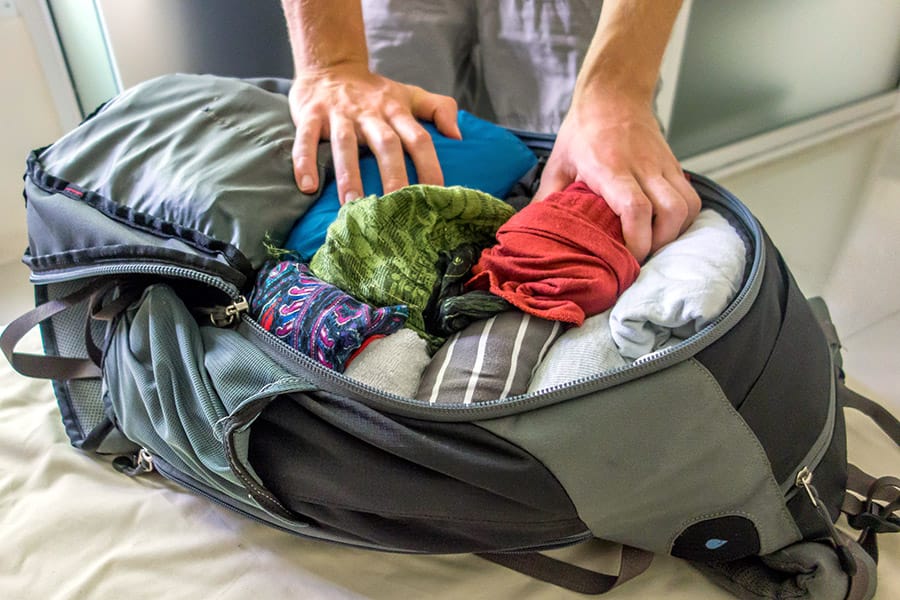
Choosing the right lightweight gear and clothing is fundamental to successfully packing light for a camping trip. It involves balancing durability, versatility, and weight to ensure comfort and safety without excess bulk. Proper selection not only reduces the load but also enhances mobility and overall enjoyment of the outdoor experience.
Effective selection requires understanding the materials, multifunctionality, and weather adaptability of gear and apparel. By prioritizing items that serve multiple purposes and are made from durable, lightweight materials, campers can optimize their packing list and streamline their outdoor gear setup.
Choosing lightweight, multi-functional gear made from durable materials
The core of lightweight camping gear lies in materials that offer strength without added weight. Modern advancements in fabric technology have produced materials such as ripstop nylon and polyester, which provide high durability and resistance to tears and abrasions. These fabrics are often coated or treated to enhance water resistance, making them suitable for various weather conditions.
Multi-functional gear is designed to serve multiple purposes, reducing the number of items needed. For example, a camping stove that can be used for both boiling water and cooking meals, or a sleeping bag with adjustable layers for different temperatures. Selecting gear with modular components or adjustable features maximizes utility while keeping weight minimal.
When choosing gear, it is important to consider the weight-to-strength ratio. Cast-iron cookware, for instance, is durable but heavy, whereas titanium cookware offers comparable durability with significantly less weight. Similarly, sleeping pads made from closed-cell foam are lightweight and highly durable, whereas inflatable pads may be lighter but require care to prevent punctures.
Tip: Opt for gear rated specifically for backpacking or ultralight camping, as these are engineered for weight savings without compromising performance.
Selecting versatile clothing suitable for variable weather conditions
Clothing for lightweight camping must be adaptable to fluctuations in weather, often encountered in outdoor environments. The key is to select pieces that can be layered to adjust to temperature changes, rain, and wind. This approach reduces the need for multiple items and ensures comfort in diverse conditions.
Lightweight, moisture-wicking base layers are essential for managing sweat and maintaining dryness. Mid-layers, such as insulated fleeces or down jackets, provide warmth and can be added or removed as needed. Outer shells made from waterproof yet breathable fabrics like Gore-Tex or Pertex Shield protect against rain and wind while allowing moisture vapor to escape, preventing overheating and dampness inside the clothing.
Color and fabric choices should favor durability and quick-drying properties. For example, synthetic fabrics like nylon or polyester are preferred over cotton, which retains moisture and dries slowly. Convertible pants, which can be zipped off into shorts, exemplify versatile clothing that adapts to changing temperatures and activity levels.
In real-life scenarios, hikers often encounter sudden weather shifts, such as rainstorms or chilly evenings. Having a lightweight, packable rain jacket and a set of thermal underlayers can make the difference between discomfort and a pleasant camping experience.
Comparison Table: Lightweight Equipment versus Traditional Gear
| Feature | Lightweight Equipment | Traditional Gear |
|---|---|---|
| Material | Modern, durable fabrics like ripstop nylon, titanium, aluminum alloys | Heavier materials such as steel, thicker fabrics, and conventional plastics |
| Weight | Significantly reduced, often 30-50% lighter | Heavier, often adding bulk and weight to the pack |
| Durability | High, designed to withstand outdoor conditions with proper care | Generally durable but may be prone to damage or wear over time |
| Versatility | Often multi-functional or modular, adaptable to various needs | Typically specialized, serving a single purpose |
| Cost | Usually higher upfront due to advanced materials and technology | More affordable but may require replacement sooner |
| Storage | Compact, easy to pack and carry | Bulkier, taking up more space in the pack |
By prioritizing lightweight, durable, and versatile gear and clothing, campers can enjoy greater mobility and comfort, making their outdoor adventures more enjoyable and less burdensome.
Efficient Packing Techniques

Effective packing is essential for minimizing space and weight when preparing for a camping trip. Employing strategic methods allows campers to carry only the essentials while maintaining comfort and safety. By mastering efficient packing techniques, adventurers can enhance mobility, reduce fatigue, and enjoy a more streamlined camping experience.
Implementing systematic packing procedures involves thoughtful organization, utilizing space-saving methods such as layering and compression, and ensuring easy access to frequently used items. These techniques collectively contribute to an optimized packing process, enabling campers to travel lighter without sacrificing functionality or preparedness.
Step-by-step Procedures for Packing Gear Effectively
Following a structured approach can significantly improve packing efficiency. Start by categorizing gear into logical groups such as clothing, sleeping essentials, cooking supplies, and personal items. This organization simplifies packing and retrieval during the trip. Next, lay out all items and evaluate their necessity, removing any non-essential gear to save weight.
Begin packing with the heaviest items at the bottom of your backpack or duffel bag to maintain balance and stability. Distribute weight evenly across the pack to reduce strain. Use packing cubes or dry bags to compartmentalize items, which improves organization and prevents movement during transit. Place frequently accessed items—like snacks, maps, or rain gear—near the top or in exterior pockets for quick retrieval.
Layering and Compression Techniques
Layering involves packing items in such a way that similar or related gear is grouped together, making it easier to find and access what’s needed without unpacking everything. For instance, place clothing layers separately—base layers, insulating layers, and waterproof gear—so they can be easily accessed based on weather conditions.
Compression techniques are vital for reducing volume, especially for bulky clothing and sleeping gear. Use compression sacks or stuff bags with roll-down closures to squeeze out excess air, significantly decreasing the size of your gear. Rolling clothes tightly instead of folding can also save space and prevent wrinkles. When used correctly, compression reduces overall pack weight and volume, allowing for a more manageable load.
Space-saving Packing Methods for Maximal Efficiency
Maximizing space involves adopting specific packing methods that streamline the volume of your gear. These strategies help ensure that every inch of space is utilized effectively, and access to items remains convenient.
- Rolling Clothes: Rolling clothing rather than folding minimizes wrinkles and saves space by creating compact bundles. This method is particularly useful for T-shirts, underwear, and lightweight garments.
- Using Packing Cubes: Packing cubes organize gear into separate compartments, making it easier to locate items quickly and compress clothing or accessories tightly within each cube.
- Filling Dead Spaces: Tuck smaller items like socks, chargers, or utensils into gaps around larger gear to eliminate empty spaces. This ensures every cubic inch of your pack is utilized efficiently.
- Layering Strategically: Place heavier, denser items at the bottom and lighter, fragile items on top. This prevents crushing delicate gear and maintains a balanced load.
- Using Compression Sacks: Deploy compression sacks for bulky clothing and sleeping bags to significantly reduce their size, freeing up valuable space in your pack.
“Smart packing reduces weight, increases accessibility, and enhances overall travel comfort, making your camping experience more enjoyable and less burdensome.”
Selecting the right backpack and accessories
Choosing the appropriate backpack and accessories is a critical step in effective lightweight camping. The right pack not only minimizes weight but also maximizes comfort and durability, ensuring an enjoyable outdoor experience. Additionally, selecting essential accessories that are lightweight yet functional can significantly enhance your camping trip without adding unnecessary bulk.
A well-chosen backpack serves as the foundation for an efficient packing system. It should distribute weight evenly, fit snugly without causing discomfort, and be constructed from durable, weather-resistant materials. Complementary accessories should focus on utility and minimal weight, offering convenience without compromise. This careful selection process allows campers to stay agile, reduce fatigue, and enjoy their adventures with ease.
Criteria for Choosing a Lightweight, Durable Backpack
When selecting a backpack, several key factors influence its suitability for lightweight camping:
- Weight: The backpack itself should be as light as possible without sacrificing strength. Materials like ripstop nylon or Dyneema demonstrate excellent strength-to-weight ratios.
- Fit and Comfort: Proper fit is essential to prevent strain. Look for adjustable shoulder straps, a padded hip belt, and a ventilated back panel. Trying on the pack with weight inside helps assess comfort.
- Capacity: Choose a pack size that meets your needs, typically between 40-60 liters for minimalist camping. Overly large packs tend to encourage overpacking, while smaller ones may limit essentials.
- Durability and Weather Resistance: Opt for high-quality, tear-resistant fabrics with water-resistant coatings or built-in rain covers to endure outdoor conditions.
- Features: Lightweight gear loops, multiple compartments, and compression straps improve organization while maintaining minimal weight.
Essential Lightweight Accessories for Camping
Adding certain accessories can greatly improve the camping experience, provided they are chosen with weight in mind. These accessories should enhance functionality without becoming burdensome.
- Lightweight Tent and Tent Footprint: Compact, easy-to-assemble tents made from lightweight materials, paired with a minimalist footprint, offer protection and convenience without excess weight.
- Headlamp or Compact LED Lantern: Essential for night-time visibility, choosing a headlamp reduces the need for bulky lanterns and keeps your hands free.
- Multi-Tool or Swiss Army Knife: Combines multiple functions such as cutting, opening, and screw-driving, reducing the number of tools needed.
- Lightweight Hydration System: Collapsible water bottles or hydration bladders save space and allow for easy access to fluids during activity.
- Eco-Friendly, Compact Cooking Gear: Small, lightweight stoves, utensils, and cookware made from aluminum or titanium minimize weight and bulk.
- Minimalist First Aid Kit: A compact kit with essential supplies ensures safety without adding unnecessary weight.
Recommended Features for Lightweight Backpacks and Accessories
To optimize performance and comfort, consider these features when selecting backpacks and accessories:
| Backpack Features | Accessories Features |
|---|---|
| Adjustable harness system for personalized fit | Ultralight construction to reduce weight |
| Ventilated back panel for breathability | Multi-functionality, such as integrated tools or compartments |
| Compression straps for secure packing | Compact, foldable design for easy storage |
| Durable, weather-resistant fabric | Low-profile, streamlined silhouette to minimize snagging |
| Multiple external attachment points for gear | Essential safety features, such as reflective elements |
Choosing lightweight, durable gear that fits well and meets your specific needs enables a more enjoyable and less burdensome camping experience. Prioritizing quality and functionality ensures that your equipment will perform reliably in outdoor conditions, maximizing comfort and efficiency during your adventures.
Managing weather variability and emergencies
When camping, unpredictable weather and emergencies can quickly alter plans and pose safety risks. Proper preparation ensures that campers can handle sudden changes in weather conditions and unforeseen situations without compromising comfort or safety. Incorporating lightweight, versatile items into your packing list is essential for maintaining mobility and minimizing load while being prepared for diverse scenarios.
Strategic packing involves selecting multi-purpose gear, understanding weather-specific needs, and designating space for essential emergency supplies. This approach allows campers to adapt to rain, cold, or heat effectively while keeping their load manageable. Equipping oneself with the right lightweight tools and knowledge can turn potentially dangerous situations into manageable challenges, ensuring a safe and enjoyable outdoor experience.
Weather-specific lightweight gear
Effective management of weather variability starts with choosing appropriate lightweight gear tailored for different conditions. This includes clothing, shelter, and accessories designed to protect against rain, cold, and heat without adding significant weight to the pack.
- Rain: Pack a compact, waterproof rain jacket and a lightweight, foldable rain cover for your backpack. Consider a quick-drying, moisture-wicking base layer and quick-drying pants or shorts. A small, packable umbrella can provide additional protection in light rain.
- Cold: Include a lightweight insulated layer such as a down or synthetic jacket, thermal base layers, and thermal gloves. Pack a compact beanie and thermal socks, as extremities are often the first to feel cold. Use layered clothing to adjust to changing temperatures efficiently.
- Heat: Wear lightweight, breathable clothing made of moisture-wicking materials. A wide-brimmed hat, sunglasses, and a lightweight buff or bandana can protect against sun exposure. Carry a small, lightweight spray bottle with water for cooling in hot conditions.
Strategies for including emergency gear without overloading
Balancing the inclusion of essential emergency gear with the goal of packing light requires thoughtful planning. The key is to prioritize multi-purpose tools, compact items, and items that serve multiple functions, reducing the overall weight without sacrificing safety.
- Prioritize multi-use items: Select tools that combine functions, such as a multi-tool that includes knives, screwdrivers, and can openers, reducing the need to carry multiple items.
- Opt for compact, lightweight gear: Use small, lightweight first aid kits and emergency supplies that fit comfortably in your pack. Many manufacturers produce ultra-light versions specifically for backpackers and lightweight campers.
- Limit non-essential items: Focus on the essentials such as a flashlight or headlamp, a whistle, and emergency shelter, avoiding bulky or redundant equipment.
- Design a compact emergency kit: An organized, space-efficient emergency kit can include items for medical emergencies, weather-related issues, and navigation or signaling. The following table illustrates a balanced, lightweight emergency kit:
| Item Category | Essential Items | Notes |
|---|---|---|
| Medical Supplies | Adhesive bandages, antiseptic wipes, pain relievers, blister treatment, small scissors, tweezers | Use a compact first aid kit designed for minimal space |
| Weather Protection | Emergency blanket, compact rain poncho, thermal hand warmers | Lightweight and versatile for multiple weather scenarios |
| Navigation & Signaling | Whistle, compact mirror, mini flashlight or headlamp, GPS device or map & compass | Ensure batteries or power sources are included and lightweight |
| Additional Emergency Items | Multi-tool, duct tape strip, small paracord, waterproof matches or lighter | All items should be stored in a waterproof container or bag |
By selecting multi-use, lightweight, and space-efficient gear, campers can be well-prepared for weather variability and emergencies without significantly increasing their load. These strategies enhance safety and adaptability, ensuring that outdoor adventures remain enjoyable regardless of unexpected conditions.
Avoiding common packing mistakes
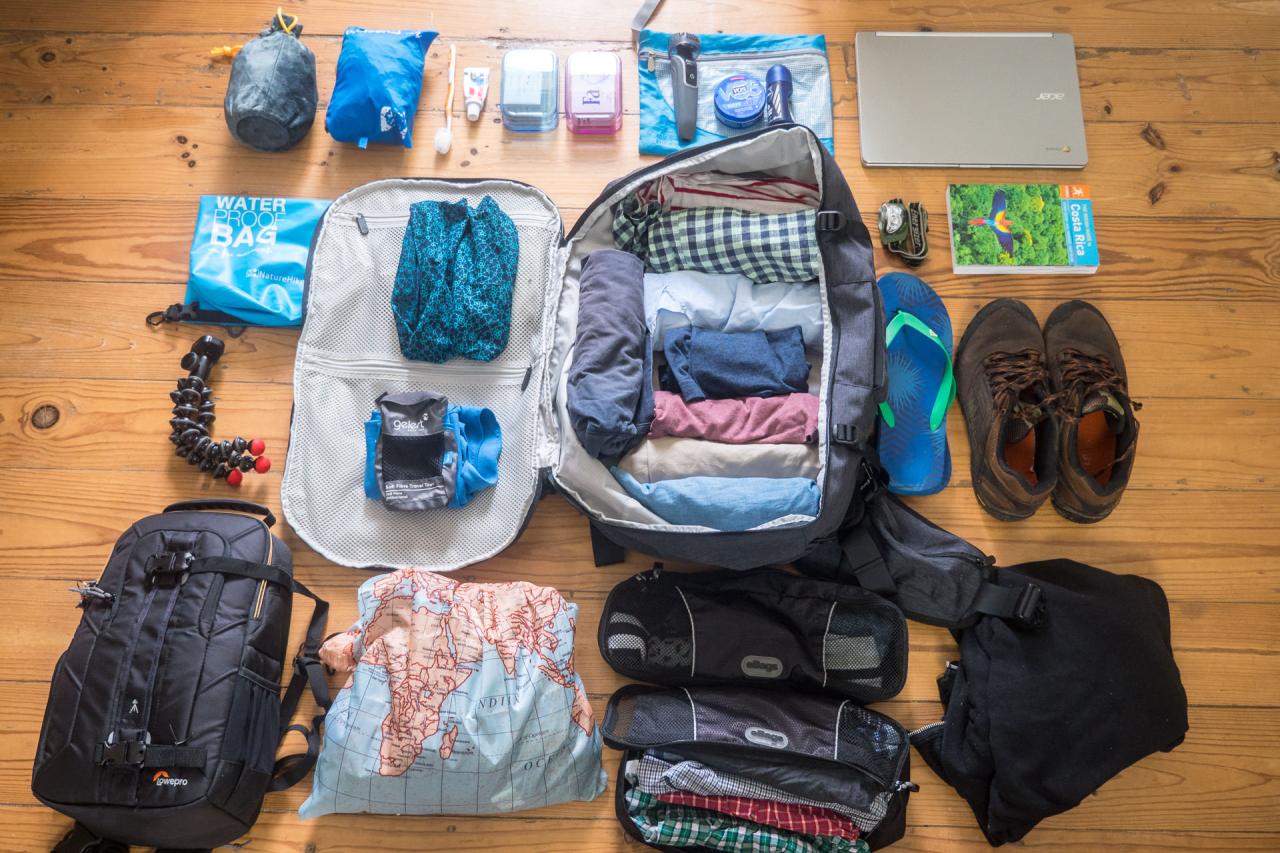
Effective packing is crucial for a successful and enjoyable camping experience, especially when aiming to pack light. Many campers inadvertently include unnecessary items or overlook essential gear, leading to heavier loads or missing vital equipment. Recognizing and addressing these frequent errors can help streamline packing routines and ensure preparedness without overburdening your pack.Careful planning and double-checking your gear list before departure can prevent many common mistakes.
It is easy to forget critical items or bring duplicates of unnecessary equipment, which adds weight and complexity to your pack. Systematic reviews and practical checks can significantly enhance your packing efficiency, ensuring that each item serves a purpose and aligns with your trip’s specific needs.
Frequent errors made when packing light for camping
- Including excessive clothing that is not suitable for the forecasted weather or unnecessary for the duration of the trip, resulting in added weight and bulk.
- Forgetting essential safety and emergency gear such as a first aid kit or navigation tools, which can compromise safety if unforeseen situations arise.
- Bringing redundant items, like multiple pairs of similar shoes or duplicate tools, which consume space without providing additional benefit.
- Overpacking food or snacks beyond what is needed, leading to unnecessary weight and potential spoilage or waste.
- Using a non-optimized packing method that causes disorganization, making it difficult to access items quickly and increasing the risk of leaving essentials behind.
- Neglecting to verify the functionality and condition of gear, such as checking that tents, stoves, or flashlights work properly before departure.
- Failing to consider the specific environmental conditions, which might lead to omission of necessary items like rain gear or layered clothing.
Methods to double-check and optimize gear list before departure
Implementing a thorough review process before leaving ensures that your gear list is complete, appropriate, and efficient. This process minimizes the risk of forgetting essential items or packing unnecessary weight. Carefully cross-referencing your checklist with actual packed items and trip requirements is an effective strategy.
- Use a predefined packing checklist tailored to your destination, weather, and activity type, allowing systematic verification of each item.
- Perform a final physical inspection of your gear the night before departure, ensuring all items are functional and included.
- Pack items in categories—clothing, cooking gear, safety equipment—to facilitate easier review and packing order.
- Ask a fellow camper or someone experienced to review your gear list; fresh eyes can catch overlooked items or unnecessary ones.
- Prioritize multi-purpose items that can serve multiple functions, reducing overall gear volume and weight.
- Test critical gear, such as setting up your tent or testing your stove, to confirm proper operation and avoid last-minute issues.
- Reflect on past trips to identify recurring packing oversights, and update your checklist accordingly for future outings.
Best practices for efficient packing
- Place heavy items close to your back and centered within your backpack to maintain balance and reduce fatigue.
- Utilize packing cubes or compression bags to organize items efficiently and save space.
- Layer clothing items, rolling them to minimize space and prevent wrinkles.
- Distribute weight evenly across your pack to improve comfort and mobility during hikes.
- Place frequently accessed items near the top or in external pockets for quick retrieval without unpacking everything.
- Remove non-essential items to keep your pack lean, focusing only on necessities aligned with your trip’s objectives.
- Regularly review your gear list, especially if planning multiple trips, to refine and eliminate redundancies.
Epilogue
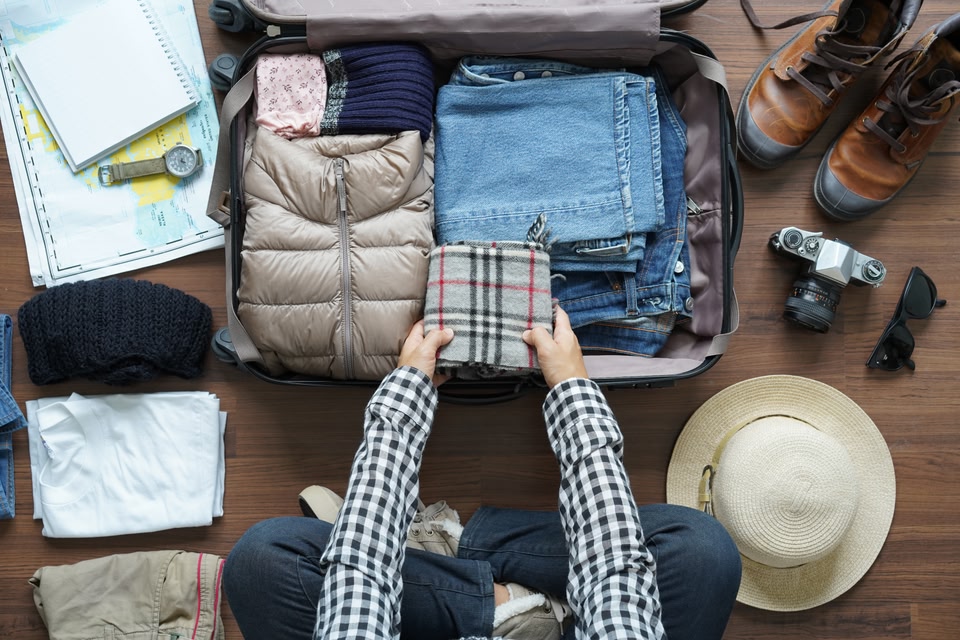
In conclusion, packing light for camping combines careful planning, smart gear choices, and efficient techniques to ensure a safe, comfortable, and enjoyable outdoor adventure. By implementing these strategies, campers can reduce physical strain, increase flexibility, and fully immerse themselves in nature’s beauty, all while being prepared for unexpected situations. Embracing minimalist packing ultimately leads to more memorable and hassle-free camping experiences.